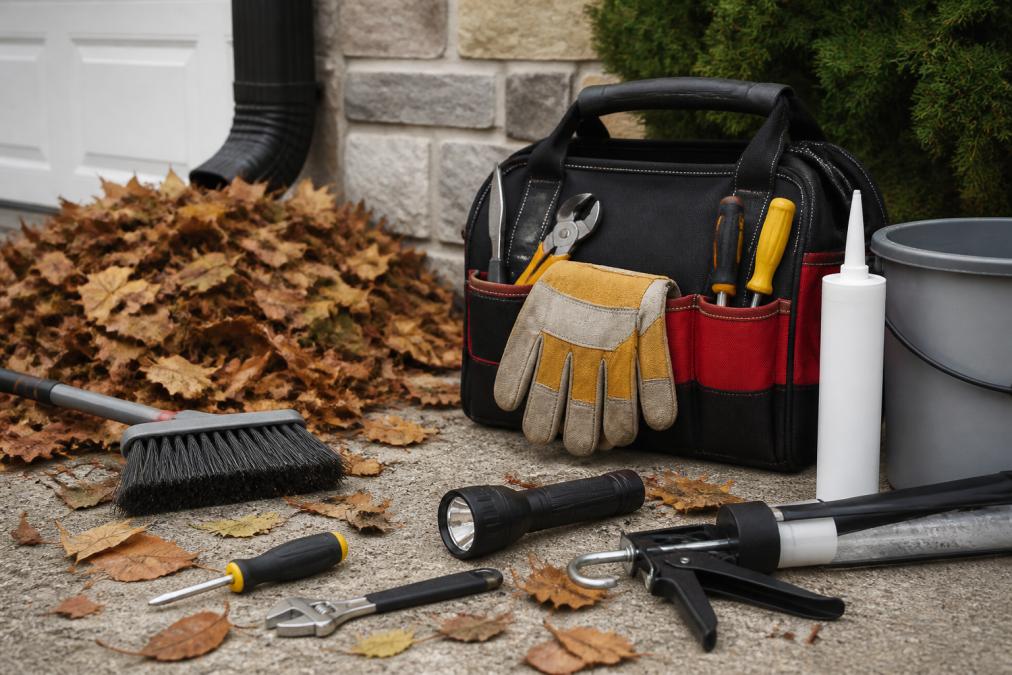
 listicle
10 Essential Home Maintenance Tasks for Autumn
Table of Contents
- Why Autumn Maintenance Prevents Expensive Winter Repairs
- 1. Roof Inspection and Repair Before Winter Storms
- 2. Cleaning Gutters and Downspouts to Prevent Water Damage
- 3. Fall HVAC Maintenance Checklist for a Warm, Efficient Home
- 4. Sealing Windows, Doors, and Gaps with Weatherstripping and Caulking
- 5. Fireplace and Chimney Inspection: What to Check Before the First Fire
- 6. Testing Smoke and Carbon Monoxide Detectors for Home Safety
- 7. How to Detect Hidden Water Leaks in Walls Before They Spread
- 8. Winterizing Outdoor Plumbing and Faucets
- 9. Lawn Care and Yard Cleanup Before the Ground Freezes
- 10. Preventative Maintenance You Can Hand Off
- Frequently Asked Questions
Last Updated: September 22, 2026
Why Autumn Maintenance Prevents Expensive Winter Repairs
Autumn is the last clear window to prepare a house for freeze, snow load, and months of closed-window living. The 10 essential home maintenance tasks for autumn below are ordered by risk: roof and water first, heat and safety second, then the smaller jobs that protect your plumbing and yard. Homes that get a proactive seasonal tune-up head into winter with fewer emergencies, while homes that skip it tend to surface problems in January when repairs cost the most and contractors are hardest to book.
That timing matters more than most people realize. Cold weather doesn't create failures so much as expose the ones already sitting in your walls and gutters.
1. Roof Inspection and Repair Before Winter Storms
Roof inspection is the process of checking shingles, flashing, and penetrations for damage before snow and ice put them under stress. It is the highest-risk item on this list, so treat it as a two-part job: a ground-level inspection you can do yourself, and an on-roof repair that most homeowners should hand off.
Difficulty: Easy from the ground, Pro-only on the roof. Walking a roof in autumn is a fall hazard even in dry conditions, and wet leaves, morning dew, and loose granules make it worse. The Consumer Product Safety Commission reports that falls are a leading cause of home injury, and ladder falls in particular send thousands of homeowners to the emergency room each year. If your roof pitch is steeper than a low slope, if it is more than one story, or if the surface is wet or mossy, stay off it.
Ground-level inspection (DIY, about 20-30 minutes):
- Walk the perimeter with binoculars and look for curled, cracked, lifted, or missing shingles.
- Check the ridge shingles and any metal flashing around chimneys, vents, and skylights.
- Look for rust streaks, dark stains, or granule piles at the base of downspouts, which signal an aging shingle mat.
- From inside the attic, look for daylight through the roof deck, water stains on rafters, or damp insulation.
- Check the chimney cap and any satellite or antenna mounts for loose fasteners.
What a pro does that you cannot: A qualified roofer can reseal or replace loose material, re-nail lifted shingles, replace failed pipe boots, and re-flash a chimney.
2. Cleaning Gutters and Downspouts to Prevent Water Damage
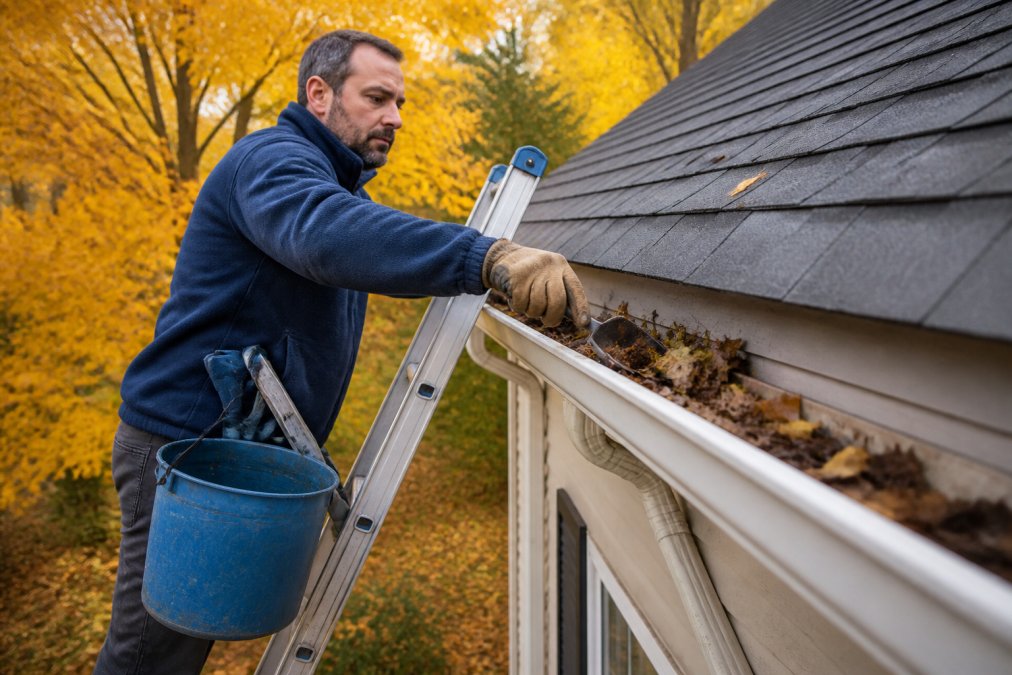
Cleaning gutters and downspouts is the single highest-value fall task for most homes, because clogged gutters push water into your fascia, siding, and foundation. Clear leaves and debris by hand or with a gutter scoop, then flush the downspouts with a hose to confirm they drain away from the house.
3. Fall HVAC Maintenance Checklist for a Warm, Efficient Home
A fall HVAC maintenance checklist centers on three things: a fresh furnace filter, professional furnace servicing, and a thermostat that matches your actual schedule. Done well, this is the single biggest energy-efficiency lever on the list, because heating typically accounts for the largest share of a home's annual energy use.
DIY steps (about 30 minutes):
- Replace the furnace filter. A 1-inch filter generally needs changing every 1-3 months; a thicker 4-5 inch media filter can last 6-12 months. A clogged filter restricts airflow, which raises the blower's workload and can shorten the life of the motor.
- Test the thermostat schedule. Set back the temperature while you are asleep or away. The Department of Energy's guidance is that you can save meaningfully on heating by turning the thermostat back 7-10 degrees Fahrenheit for 8 hours a day from its normal setting.
- Rotate ceiling fans clockwise (viewed from below) at a low speed to push warm air that has risen back down into the living space, so you can feel comfortable at a lower thermostat setting.
- Clear the area around the furnace and the outdoor condenser unit. Keep at least a couple of feet of clearance and remove leaves, which can block airflow.
| Task | Frequency | DIY or Pro | Why It Matters |
|---|---|---|---|
| Replace furnace filter | Every 1-3 months (1-inch); 6-12 months (4-5 inch) | DIY | Protects blower, maintains airflow |
| Professional furnace servicing | Once per year, in fall | Pro | Safety check on heat exchanger and efficiency |
| Test thermostat schedule | At season change | DIY | Prevents wasted heating |
| Rotate ceiling fans clockwise | Once, in fall | DIY | Circulates warm air |
| Clear furnace and condenser clearance | Once, in fall | DIY | Prevents airflow blockage |
4. Sealing Windows, Doors, and Gaps with Weatherstripping and Caulking
Sealing gaps is the fastest way to cut drafts and lower heating bills, and it's a job most homeowners can finish in an afternoon. Weatherstripping handles moving parts like door frames and window sashes, while caulking seals fixed gaps around frames and exterior siding.
5. Fireplace and Chimney Inspection: What to Check Before the First Fire
A fireplace and chimney inspection should happen before you light the first fire of the season, not after. Creosote buildup inside the flue is flammable, and a blocked or damaged chimney can push carbon monoxide back into the house. Book a certified chimney sweep to clean and inspect the flue, damper, and cap.
6. Testing Smoke and Carbon Monoxide Detectors for Home Safety
Testing smoke and carbon monoxide detectors is a two-minute job that protects your household all winter, when closed windows and running furnaces raise carbon monoxide risk. Press the test button on every smoke alarm and carbon monoxide detector, and replace the batteries in any unit that isn't sealed.
7. How to Detect Hidden Water Leaks in Walls Before They Spread
Learning how to detect hidden water leaks in walls early is what separates a small fix from a torn-out wall. Warning signs include musty odors, bubbling or staining paint, a soft spot in drywall, and unexplained jumps in your water bill.
8. Winterizing Outdoor Plumbing and Faucets
Winterizing outdoor plumbing means draining the water lines that feed hose bibs before temperatures drop below freezing. Disconnect garden hoses, shut off the interior shut-off valves that feed exterior faucets, and open the outdoor spigot to let any remaining water drain out.
9. Lawn Care and Yard Cleanup Before the Ground Freezes
Lawn care in fall sets up how your yard looks next spring. Rake leaves off the grass so it can breathe, and keep debris removal going through the season to prevent moisture and mold from smothering the turf.
10. Preventative Maintenance You Can Hand Off
Some tasks on this list are quick DIY jobs. Others, like roof work, chimney sweeping, and furnace servicing, are safer and more reliable in professional hands.
Frequently Asked Questions
What are the most important home maintenance tasks to complete before winter?
Prioritize tasks that prevent water damage and heat loss: cleaning gutters and downspouts, sealing drafts with weatherstripping and caulking, servicing your HVAC system, and winterizing outdoor plumbing. Testing smoke and carbon monoxide detectors is also critical because heating equipment runs more often. These steps protect your home's structural integrity and can lower energy costs. A proactive home maintenance plan keeps these items on schedule so nothing slips through.
Why is it important to service your HVAC system in the fall?
A fall HVAC maintenance checklist includes replacing the furnace filter, checking the heat exchanger, and testing the thermostat. Dusty filters force the system to work harder, raising energy costs and risking breakdowns on the coldest nights. An annual tune-up also helps catch small issues before they become expensive repairs. Many manufacturers require professional servicing to keep warranties valid, so scheduling it in autumn is both practical and protective.
What are the signs of hidden water leaks that homeowners should look for in autumn?
Watch for discolored ceiling or wall patches, a musty odor, peeling paint, or a spike in your water bill. Autumn rain makes these signs more obvious. To detect hidden water leaks in walls, check around windows, doors, and roof valleys after a heavy rain. If you notice soft drywall or bubbling paint, shut off the water and call a professional. Early detection prevents mold and structural damage.
How can proactive home maintenance prevent costly winter repairs?
Proactive home maintenance addresses small issues before cold weather makes them worse. For example, cleaning gutters prevents ice dams, sealing gaps stops pipes from freezing, and chimney inspections reduce fire risk. These tasks cost far less than emergency repairs. A membership service like Lone Eagle Home Services handles seasonal tune-ups and provides digital service reports, so you have a clear record of what was done and when.
How often should I clean my gutters during the autumn months?
Clean gutters at least twice in autumn: once after most leaves have fallen and again after the first hard freeze if you have nearby trees. Clogged gutters cause water to back up under shingles, leading to roof rot and foundation cracks. If you prefer not to climb a ladder, a pole-mounted tool or a professional service can clear debris safely. Regular debris removal protects your roof and foundation.
The real challenge with fall maintenance isn't knowing the list, it's getting all ten items done before the weather turns and coordinating the right person for each job. Lone Eagle Home Services removes that burden with a dedicated team, proactive seasonal tune-ups, and flat-rate pricing backed by clear communication. Get started with Lone Eagle Home Services and head into winter with a home that's ready for it.