 listicle
10 Tips for First Time Home Maintenance
Table of Contents
- 1. Build a Home Maintenance Budget Before Anything Else
- 2. Assemble Essential Tools for New Homeowners
- 3. Master How to Detect Hidden Water Leaks in Walls
- 4. Follow a Seasonal Home Maintenance Checklist
- 5. Know When to DIY vs. Hire a Pro for Home Maintenance
- 6. Integrate Smart Home Technology for Proactive Home Maintenance
- 7. Prioritize Health and Safety Checks in Your Home Maintenance Routine
- Frequently Asked Questions
Last Updated: September 26, 2026
1. Build a Home Maintenance Budget Before Anything Else
The most common mistake first-time owners make is treating home maintenance as a series of emergencies rather than a planned expense. Home maintenance is the ongoing practice of inspecting, servicing, and repairing your property before small issues become expensive failures.
2. Assemble Essential Tools for New Homeowners
You do not need a garage full of equipment. You need a small kit that handles the jobs you will actually face in your first two years.
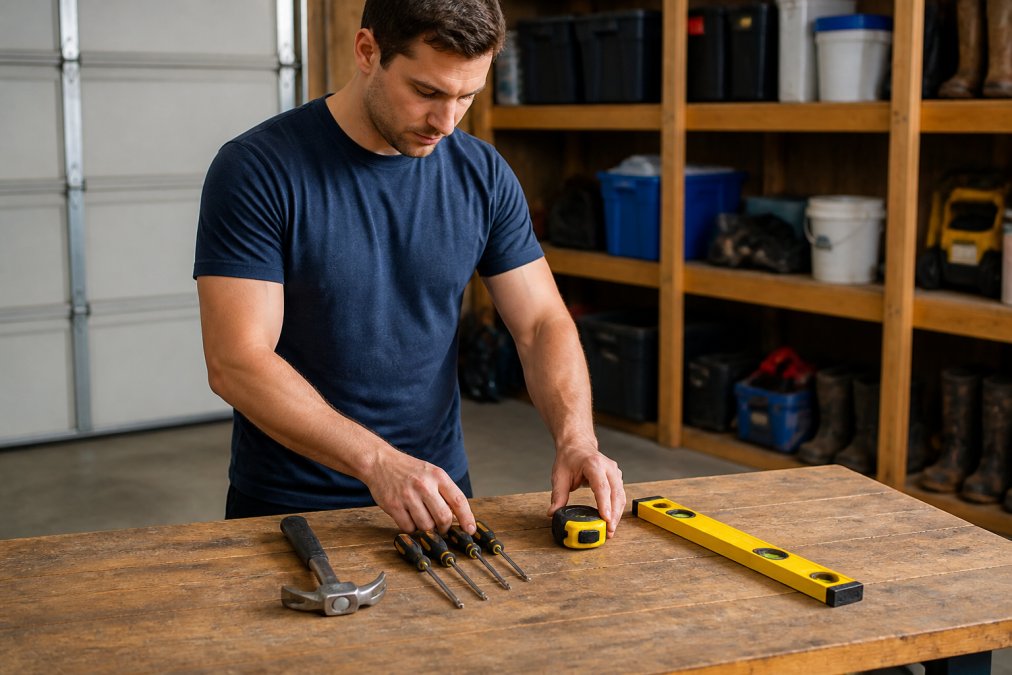
The Starter Toolkit That Covers 80% of Repairs
- Cordless drill with a bit set
- Hammer and a set of screwdrivers
- Adjustable wrench and slip-joint pliers
- Tape measure and spirit level
- Flashlight and a stud finder
- Caulk gun with silicone caulk
- Plumber's tape and a drain snake
- Work gloves and safety glasses
The This Old House tool checklist recommends buying quality on the drill and skipping premium versions of everything else. What most guides miss is that a $40 drain snake prevents more emergency calls than any other item in this list.
3. Master How to Detect Hidden Water Leaks in Walls
Water damage rarely announces itself. It shows up as a stain three months after the leak started.
Early Warning Signs Most Owners Miss
- A musty smell in one room that never goes away
- Paint or wallpaper bubbling or peeling
- A water bill that jumped without a change in habits
- Soft or discolored drywall near ceilings and baseboards
- Warped baseboards or a floor that feels spongy
Check your water meter with every fixture off. If the dial still moves, water is escaping somewhere. Shut off the main valve and call a plumber.
4. Follow a Seasonal Home Maintenance Checklist
A seasonal checklist is a set of recurring tasks tied to the calendar that keeps major systems working and prevents weather-related damage. It works best when you schedule tasks in advance rather than waiting for a problem. The unique angle here: every task below carries a DIY-difficulty rating (Easy, Moderate, or Call a Pro) so a first-time owner can tell at a glance what is safe to attempt alone.
Spring Tasks (March-May)
- Clean gutters and check downspouts, Moderate. Clogged gutters are the leading cause of fascia rot and basement seepage. Work from a stable ladder with a helper spotting you, or from the ground with a gutter scoop on an extension pole. Confirm downspouts discharge at least 4-6 feet from the foundation.
- Inspect the roof for cracked, curling, or missing shingles, Easy from the ground, Call a Pro on the roof. Use binoculars from the yard. Any task that puts you on a roof above a single story is a professional job.
- Test the AC before the first heat wave, Easy. Run the system for 20 minutes on a mild day. If it blows warm air or short-cycles, schedule service before the summer rush, when HVAC companies are booked out for days.
- Check exterior drainage and clear the sump pump pit, Easy. Pour a bucket of water into the pit to confirm the float triggers the pump. A sump pump that fails during a spring storm is a flooded basement.
- Reseal decks and touch up exterior paint, Moderate. Stain and paint fail fastest on south- and west-facing surfaces. A $40 can of stain now prevents a $4,000 deck replacement later.
Summer Tasks (June-August)
- Change HVAC filters, Easy. Every 1-3 months, more often with pets or during wildfire-smoke season. A clogged filter forces the blower to work harder and shortens compressor life.
- Check the water heater for leaks and rust, Easy. Look at the base of the tank and the fittings. Any moisture or rust streaks mean the tank is on borrowed time.
- Inspect window and door seals, Easy. Feel for drafts on a hot day with the AC running. Re-caulk any gap you can slide a credit card into.
- Trim trees and shrubs away from the house, Moderate. Keep branches at least 3 feet off the roof and siding. Vegetation holds moisture against the structure and gives rodents a bridge inside.
Fall Tasks (September-November)
- Schedule a furnace tune-up, Call a Pro. A technician cleans the burners, checks the heat exchanger for cracks, and verifies carbon monoxide output. This is not a DIY job; a cracked heat exchanger can leak CO into the home.
- Flush the water heater to clear sediment, Moderate. Attach a hose to the drain valve, run it to a floor drain, and let the tank empty until the water runs clear. Sediment insulates the burner from the water and drives up gas bills.
- Test smoke and carbon monoxide detectors, Easy. Press the test button on every unit. Replace the batteries twice a year, a common habit is to do it when clocks change.
- Weatherstrip doors and windows, Easy. A $10 roll of weatherstripping can cut heating bills noticeably in older homes.
- Drain outdoor faucets and store hoses, Easy. Shut off the interior valve, open the exterior spigot to drain it, and disconnect hoses. A frozen pipe behind an exterior wall bursts and floods the room inside.
- Clean the chimney and fireplace, Call a Pro. Creosote buildup is a fire hazard. A certified sweep inspects the flue and clears the buildup before the first fire.
Winter Tasks (December-February)
- Check pipe insulation in unheated spaces, Easy. Foam pipe sleeves on any line running through a crawlspace, attic, or garage. A burst pipe is the most common winter insurance claim.
- Watch for ice dams after heavy snow, Call a Pro. Ice dams form when warm attic air melts roof snow that refreezes at the eaves. Never chip at ice on a roof yourself; you will damage shingles and risk a fall.
- Test GFCI outlets, Easy. Press the test and reset buttons on outlets near water, kitchen, baths, laundry, garage, and exterior. A failed GFCI is a shock hazard.
- Inspect the attic for frost or moisture, Easy. Frost on the underside of roof sheathing means warm, moist air is escaping from the living space. Fix the air leak, not just the symptom.
| Season | Priority Task | Frequency | DIY or Pro |
|---|---|---|---|
| Spring | Gutter cleaning | Twice yearly | DIY (Moderate) |
| Summer | HVAC filter change | Every 1-3 months | DIY (Easy) |
| Fall | Furnace tune-up | Annually | Pro |
| Winter | Pipe insulation check | Annually | DIY (Easy) |
The Travelers monthly maintenance checklist covers the same ground month by month, which is useful if you prefer smaller tasks over seasonal bursts.
5. Know When to DIY vs. Hire a Pro for Home Maintenance
The honest rule: if the job involves gas, the main electrical panel, the roof above a single story, or the structural integrity of the house, hire a licensed professional. Everything else is fair game for a confident beginner, but 'fair game' is not the same as 'worth your time.' The unique angle here is a decision framework, not just a list.
The Three-Question Test
Before you start any job, answer these three questions honestly:
- Can a mistake hurt someone? Gas, main electrical, roof work, and anything structural fail this test immediately. Hire out.
- Will the tool cost exceed the labor cost? If you need to buy three specialized tools to do a job once, hiring a pro is often cheaper than buying the tools and learning on your own house.
- Is the job behind a wall or under a slab? Anything you cannot see is a job where a small error becomes a large, hidden, expensive problem. Hire out.
Tasks That Are Genuinely Beginner-Safe
- Replacing HVAC filters
- Caulking tubs, sinks, and exterior joints
- Weatherstripping doors and windows
- Painting interior walls and trim
- Swapping a faucet, showerhead, or toilet flapper
- Resetting a tripped GFCI outlet or breaker
- Replacing a smoke detector or its battery
- Tightening cabinet hardware and door hinges
Tasks That Look Easy but Are Not
- Anything on the roof. Falls are the leading cause of serious DIY injury. Even a single-story roof is a professional job unless you have fall-arrest equipment and experience.
- Electrical work beyond swapping a fixture. Opening a panel, adding a circuit, or chasing a dead outlet requires a licensed electrician. A miswired circuit can start a fire inside a wall.
- Gas appliance repair. Water heaters, furnaces, ranges, and dryers that run on gas are not DIY territory. A leak is invisible and lethal.
- Water heater replacement. Permits, code, and gas or 240-volt connections make this a pro job in most jurisdictions.
- Anything involving the main water shut-off. If you cannot find your main shut-off valve before you start, you are not ready for the job.
The Cost Trade-Off, Honestly
DIY saves labor but costs time, tools, and risk. A pro costs money but carries insurance, warranty, and code compliance. A reasonable rule of thumb: if the job is under an hour, has no permit requirement, and a mistake would cost less than the pro's minimum service call, do it yourself. If any of those three is false, get a quote.
6. Integrate Smart Home Technology for Proactive Home Maintenance
Smart devices shift your maintenance from reactive to proactive by alerting you before damage happens.
- Smart water leak sensors under sinks, near the water heater, and behind the washing machine
- Smart thermostats that flag HVAC efficiency drops
- Smart smoke and carbon monoxide detectors that send phone alerts
- Smart sump pump monitors that warn you before a basement floods
7. Prioritize Health and Safety Checks in Your Home Maintenance Routine
Fire safety and air quality belong at the top of every routine, ahead of cosmetic fixes.
Frequently Asked Questions
What are the 10 most common home maintenance issues for new owners?
New owners frequently face clogged gutters, HVAC filter neglect, water heater sediment buildup, slow plumbing leaks, roof shingle damage, caulking and weatherstripping failures, sump pump malfunctions, circuit breaker trips, appliance upkeep oversights, and poor exterior drainage. Addressing these early through routine inspection protects structural integrity and property value. A seasonal checklist helps you stay ahead of each issue before it becomes an emergency repair.
How do I detect hidden water leaks in walls?
Watch for discolored drywall, peeling paint, musty odors, and unexplained spikes in your water bill. Check under sinks and around the water heater for moisture. Use a moisture meter on suspect walls, and monitor your water meter with all fixtures off; if it moves, you have a leak. Shut-off valve familiarity and routine inspection of supply lines catch most hidden leaks before water damage spreads.
What are 10 essential tools every homeowner should have?
A basic kit includes a claw hammer, adjustable wrench, screwdriver set, tape measure, utility knife, pliers, caulking gun, flashlight, level, and cordless drill. Add a plunger, bucket, and work gloves for plumbing tasks. This starter set handles most routine repairs and small emergencies. Building your toolkit gradually keeps costs manageable while ensuring you are prepared for common home maintenance tasks.
How often should I perform seasonal home maintenance?
Perform a thorough seasonal walkthrough four times per year, ideally in spring and fall for major tasks and monthly for quick checks like filter replacement and smoke detector testing. Fall prep focuses on weatherstripping, gutter cleaning, and heating system checks. Spring covers exterior maintenance, landscaping, and roof integrity. Consistent scheduling prevents small issues from becoming expensive repairs.
Is a home warranty worth it for first-time homeowners?
A home warranty can reduce out-of-pocket costs for major system failures like HVAC or plumbing, but service fees apply per visit. It works best for owners who want predictable repair costs and lack an emergency fund. Compare coverage limits against your budgeting plan. Some owners prefer a maintenance membership that includes proactive tune-ups, which often prevents the failures a warranty would cover.
Home maintenance rewards consistency, and most first-time owners learn that the hard way after a preventable repair bill. Lone Eagle Home Services was built for owners who would rather prevent those failures than manage them, with membership-based seasonal tune-ups, one trusted team for every repair, flat-rate pricing, and a digital service report after every visit. See plans at Lone Eagle Home Services and put your home on a proactive schedule this year.