 listicle
5 Signs Your Home Needs a Professional Roof Inspection
Table of Contents
- 1. Missing or Damaged Shingles
- 2. Water Stains and Interior Leaks
- 3. Excessive Granule Loss in Gutters
- 4. Moss, Algae, and Mold Growth
- 5. Sagging or Uneven Roof Deck
- Roof Inspection Cost: What to Expect
- DIY Roof Inspection vs Professional: Key Differences
- Your Seasonal Roof Maintenance Checklist
- Frequently Asked Questions
Last Updated: September 17, 2026
1. Missing or Damaged Shingles
Missing shingles are the clearest signal that your home needs a professional roof inspection. When shingles disappear, the underlayment and roof deck sit exposed to rain, snow, and UV rays.
Wind, hail, and simple age all strip shingles away. Once the protective layer is gone, water infiltration starts within days, not months. A common mistake is spotting one missing shingle from the driveway and assuming it's isolated. In practice, the shingles around it are usually loose too.
Check for dark gaps, exposed nail heads, or shingle pieces in your yard after a storm. If you find any, call a roofer.
FEMA guidance on wind and hail damage assessment
2. Water Stains and Interior Leaks
Water stains on ceilings or walls mean moisture is already inside your home. Brown rings, bubbling paint, and peeling wallpaper point to a leak above.
The tricky part: by the time a stain shows, the damage has been spreading for weeks. Water travels along rafters before it drips, so the stain rarely sits directly under the actual breach. That's why a professional roof inspection matters here. A roofer can trace the stain back to its true source instead of patching the wrong spot.
Check your attic after heavy rain. Look for dark streaks on rafters and damp insulation.
3. Excessive Granule Loss in Gutters
Granule loss is one of the most overlooked signs. Asphalt shingles shed a few granules naturally, but piles of grit in your gutters and downspouts signal a failing roof.
Grab a handful of granules from your gutter. If they fill your palm after a rainstorm, the shingles are wearing out fast. Without those granules, the asphalt beneath bakes under the sun and cracks. That leads to curling shingles, leaks, and eventually full replacement.
Check gutters twice a year. If you see sandy buildup, schedule an inspection.
4. Moss, Algae, and Mold Growth
Moss and algae streaks don't just look bad. They hold moisture against the shingles and rot the roof deck underneath.
Black algae streaks are common on north-facing roof planes that stay shaded. Moss grows thicker, lifting shingle edges and trapping water. Left alone, mold growth spreads into the attic and can reach insulation and framing. A roofing contractor can clear growth and treat the surface, but the underlying moisture problem needs a full inspection.
Trim overhanging branches and check attic ventilation. Poor airflow feeds all three.
5. Sagging or Uneven Roof Deck
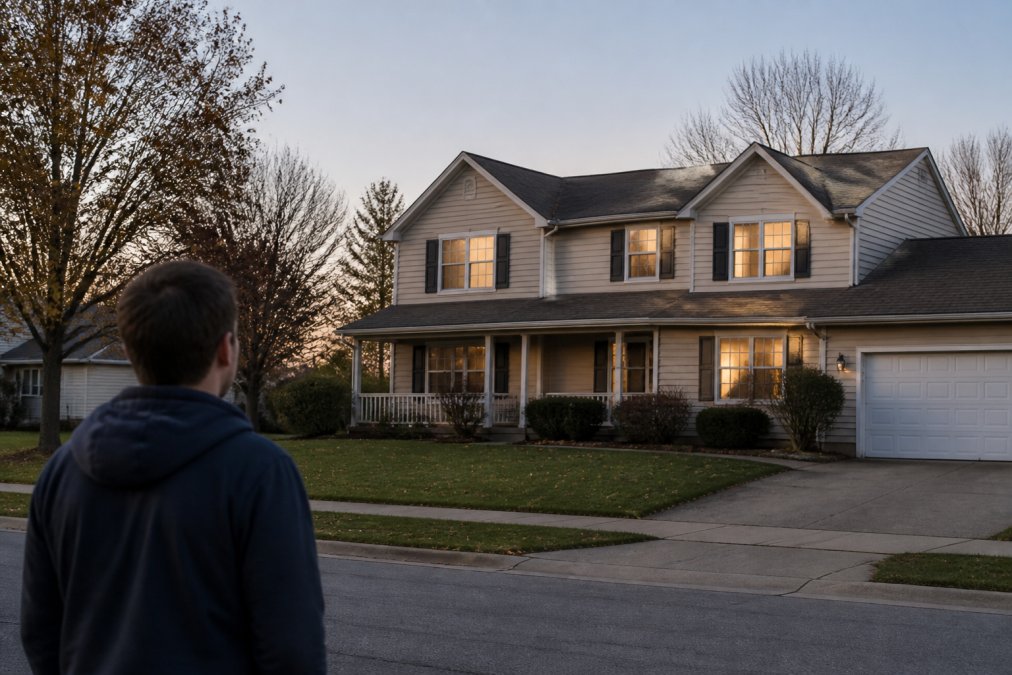
A sagging roofline is a structural warning. If your roof dips or looks uneven from the street, the roof deck or rafters may be compromised.
Causes range from trapped moisture to overloaded framing. Any sag puts stress on the whole structure and can lead to ceiling cracks or worse. This is not a DIY fix. Call a licensed roofing contractor immediately.
Stand across the street and look along the ridge line. Any dip, wave, or buckle needs professional eyes.
Roof Inspection Cost: What to Expect
Roof inspection cost varies by region, roof size, and inspector. Most homeowners pay a flat fee, and some contractors waive it if you book a repair.
Pricing depends on your property size, roof pitch, and how detailed the report needs to be. Some inspectors offer free basic assessments and charge for full reports with thermal imaging. Others quote a flat rate up front. Ask what's included before you book: photos, a written report, and a repair estimate should all be standard.
At Lone Eagle Home Services, flat-rate pricing and a digital service report after every visit provide transparency.
DIY Roof Inspection vs Professional: Key Differences
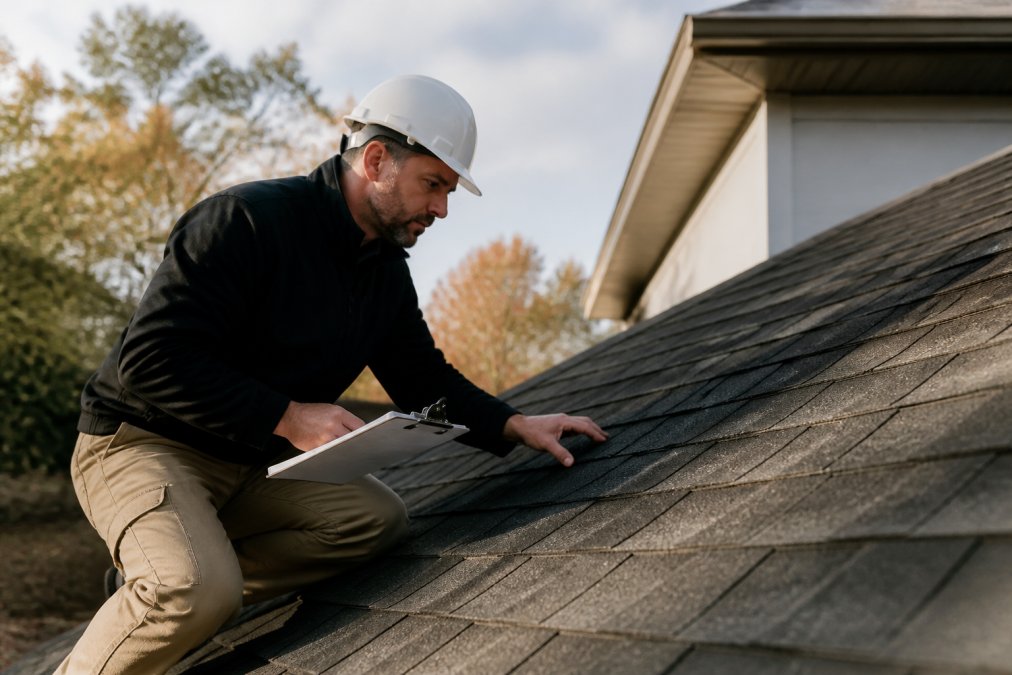
DIY roof inspection catches obvious problems. A professional inspection catches the ones you can't see from the ground.
Walking your roof is genuinely dangerous. Falls from residential roofs send thousands of homeowners to the ER every year, and most involve ladders and wet shingles. Beyond safety, a trained eye spots subtle buckling, flashing failures, and early water damage that untrained eyes miss. Pros also document findings for insurance claims.
| Factor | DIY Inspection | Professional Inspection |
|---|---|---|
| Safety risk | High (ladders, heights) | Low (trained, insured) |
| Tools | Binoculars, flashlight | Thermal imaging, moisture meters |
| Insurance documentation | Not accepted | Standard report |
| Cost | Free | Flat fee or bundled |
| Best for | Quick visual check | Full roof health assessment |
Use binoculars from the ground for a basic look. Leave the roof itself to a pro.
Your Seasonal Roof Maintenance Checklist
A roof maintenance checklist keeps small issues from becoming expensive repairs. Run through it twice a year, in spring and fall.
- Inspect shingles from the ground with binoculars for missing or curling shingles
- Clear gutters and downspouts of granules, leaves, and debris
- Check attic for water stains, damp insulation, or mold growth
- Look for algae streaks and moss on shaded roof planes
- Examine flashing around chimneys, vents, and skylights
- Trim branches within 6 feet of the roof
- Verify soffit and fascia are intact and attic ventilation is clear
- Schedule a professional roof inspection every 2-3 years, or after any major storm
Storm damage assessment deserves special attention. After hail or high wind, walk your yard and check for shingle pieces and dents in gutters. Then call a pro for a documented inspection.
Early inspection can help catch problems before they escalate. Waiting until water is dripping through your ceiling can turn a small repair into a more extensive issue.
NRCA guidance on roof maintenance and inspection frequency
That's where Lone Eagle Home Services fits. Members get proactive seasonal tune-ups, priority scheduling, and one trusted team coordinating every repair, eliminating the need to juggle multiple independent contractors. Our flat-rate pricing aims to provide transparency.
Frequently Asked Questions
What will fail a roof inspection?
A roof inspection will fail if it reveals missing or damaged shingles, excessive granule loss, active water infiltration, or structural issues like a sagging roof deck. Other common failures include deteriorated flashing around chimneys and vents, signs of mold growth from poor attic ventilation, and shingles that are curling or buckling. Any of these issues can compromise your roof's structural integrity and lead to costly water damage if not addressed promptly by a professional.
How much does a typical roof inspection cost?
Roof inspection costs vary based on your home's size, roof pitch, and the inspector's qualifications. Some contractors offer free inspections as part of a repair estimate, while certified inspectors may charge a fee for a detailed report. For accurate pricing specific to your property, check with local providers or your home maintenance service. Many membership-based services include regular roof checks in their plans, which can be more cost-effective than paying per visit.
What is the biggest red flag in a home inspection regarding the roof?
The biggest red flag is evidence of water infiltration, such as ceiling stains, damp attic insulation, or a sagging roofline. Water damage indicates that the roof's protective layers have failed, potentially leading to mold growth, structural wood rot, and costly repairs. Other serious red flags include widespread granule loss, multiple missing shingles, and flashing that has pulled away from chimneys or vents. These signs suggest the roof is nearing the end of its lifespan.
How often should you have a professional roof inspection?
Most roofing experts recommend a professional roof inspection at least once a year, ideally in the spring or fall. You should also schedule one after any major storm that brings high winds or hail, as damage may not be visible from the ground. If your roof is over 15 years old or you've noticed early warning signs like curling shingles or granules in your gutters, more frequent inspections can help you catch problems before they become expensive repairs.
What are five signs that my roof needs to be replaced?
Five signs that your roof may need replacement include: shingles that are curling, cracking, or missing; excessive granules collecting in gutters and downspouts; water stains on ceilings or walls; moss or algae growth covering large areas; and a sagging roofline that indicates structural weakness. If your roof is also nearing the end of its expected lifespan, typically 20 to 25 years for asphalt shingles, a professional inspection can confirm whether repair or replacement is the right choice.
Small roof problems rarely stay small. A missing shingle becomes a leak, a leak becomes a stained ceiling, and a stained ceiling becomes a five-figure replacement. Lone Eagle Home Services gives homeowners a single point of contact for seasonal tune-ups, on-demand repairs, and vendor coordination, all backed by flat-rate pricing, confirmed appointments, and digital service reports after every visit. See Plans and let a trusted team keep your roof, and your home, ahead of the next storm.