 ultimate-guide
Benefits of Seasonal Home Tune-ups: A 2026 Guide
Table of Contents
- Why Seasonal Home Tune-ups Matter
- Energy Efficiency and Lower Utility Bills
- Extending Equipment Lifespan Through Preventative Care
- The Cost of Reactive vs Proactive Home Repairs
- Home Maintenance Checklist by Season
- How to Detect Hidden Water Leaks in Walls
- Indoor Air Quality and Health Benefits
- Frequently Asked Questions
Last Updated: September 28, 2026
Why Seasonal Home Tune-ups Matter
A well-maintained home doesn't just run smoothly, it protects your investment and keeps your family safe. Seasonal home tune-ups are the difference between a house that works for you and one that works against you, draining money through inefficiency and unexpected breakdowns.
Most homeowners treat maintenance as something to handle when a problem appears. By then, the damage is done. A small issue that costs $200 to fix during a tune-up becomes a $2,000 emergency repair six months later. The homes that receive proactive seasonal attention operate at peak efficiency, last longer, and cost significantly less to own.
The real cost of waiting until something breaks isn't just the repair itself. It's the cascade effect. A clogged HVAC filter reduces airflow, forcing your system to work harder. That strain on the blower motor accelerates wear. Within months, you're replacing equipment that should have lasted years. One overlooked issue triggers a chain reaction that compounds your expenses.
Seasonal home tune-ups interrupt that cycle. They catch problems early, keep systems running at optimal performance, and extend the lifespan of your equipment. This isn't optional maintenance for older homes, it applies to new construction too. A well-maintained new home stays new longer.
Energy Efficiency and Lower Utility Bills
Your heating and cooling systems consume more energy than any other home system. When they're not optimized, that inefficiency shows up directly on your utility bill every month.
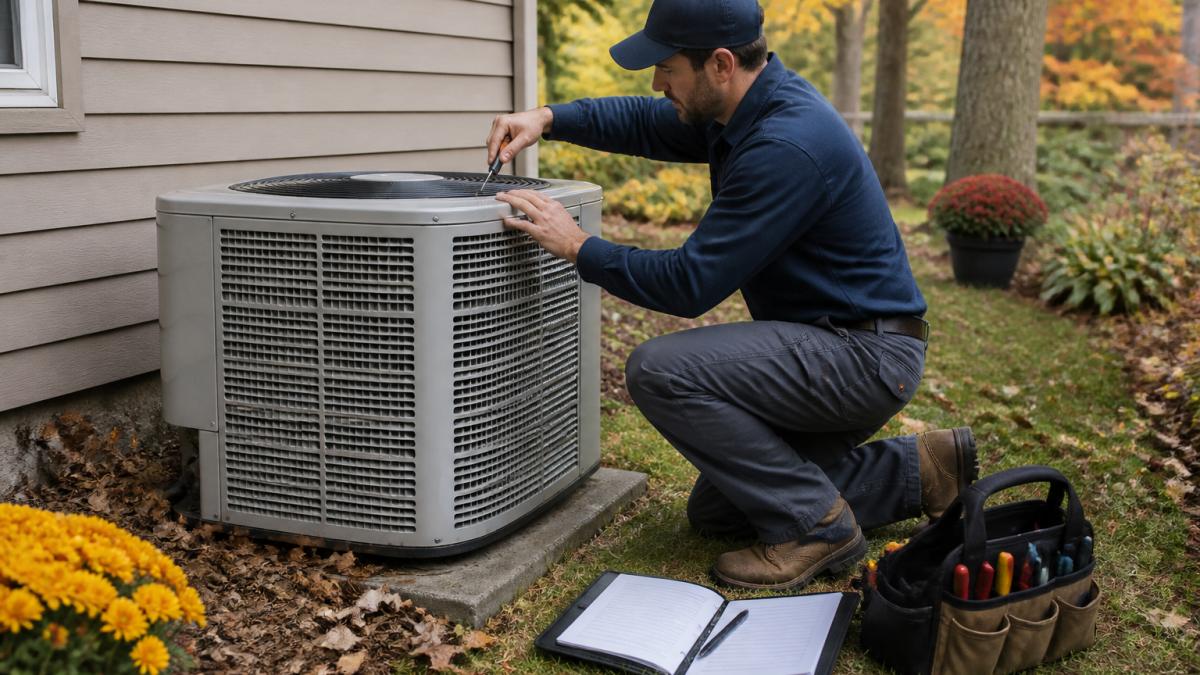
A seasonal tune-up focuses on the factors that drive energy consumption. Refrigerant levels that drift out of specification force your air conditioning to work harder to reach your target temperature. Dirty condenser coils reduce heat transfer efficiency. Thermostat calibration drift causes your system to run longer than necessary. Electrical connections that loosen increase resistance, wasting energy as heat.
These aren't theoretical problems. A system running at 80% efficiency instead of 95% uses roughly 19% more energy to deliver the same comfort. Over a year, that's a meaningful amount of money, and it compounds annually.
Professional seasonal tune-ups include cleaning coils, checking refrigerant charge, testing electrical connections, and calibrating thermostats. These steps restore your system to design efficiency. Homeowners may see their utility bills stabilize or decline noticeably in the months following a tune-up.
The investment pays for itself quickly. A tune-up costs less than one month of inflated utility bills on an inefficient system. After that, you're operating at peak efficiency for the entire season.
Extending Equipment Lifespan Through Preventative Care
HVAC systems, water heaters, and other major equipment have design lifespans measured in years. But how long they actually last depends entirely on maintenance.
A system that receives annual preventative maintenance may exceed its rated lifespan. A system that's neglected fails years early. The difference isn't luck, it's the compounding effect of small problems that never get addressed.
Consider your air conditioning compressor. It's the most expensive component in your system, often costing $1,500 or more to replace. A compressor that runs with low refrigerant charge works harder, heats up internally, and may fail prematurely. A compressor that runs clean, at proper charge, with good electrical connections can run reliably for an extended period.
Seasonal tune-ups catch these conditions before they cause failure. They keep electrical connections tight, refrigerant at specification, coils clean, and airflow optimized. Each of these factors extends system longevity.
This is system reliability in practice. A home with consistent preventative care doesn't experience emergency breakdowns in July when every contractor is booked. Your equipment runs reliably through its full design life, and you control the timing of replacement rather than having it forced upon you by failure.
The Cost of Reactive vs Proactive Home Repairs
The financial case for seasonal tune-ups is straightforward, but most homeowners underestimate the true cost of waiting until something breaks. Understanding the numbers, not just the principle, is what separates smart maintenance planning from reactive crisis management.
The Emergency Repair Premium
When a system fails unexpectedly, you pay more than the repair itself. Emergency service calls may cost more than scheduled maintenance. A technician dispatched on a Saturday in July charges an emergency fee. If the problem occurs during peak season, summer cooling or winter heating, every contractor is booked, forcing you to wait days or accept premium pricing. A compressor replacement during a routine spring tune-up might cost more as an emergency call in July.
Beyond the service call itself, emergency repairs often trigger secondary costs. A failed water heater that floods your basement creates water damage requiring remediation, drying, and potential mold treatment, expenses that can be significant. A refrigerant leak that goes undetected for weeks may damage the compressor, turning a refrigerant recharge into a more expensive compressor replacement. A small electrical connection issue that causes a furnace to shut down mid-winter might be caught during a fall tune-up; if it fails during the coldest week of January, you're paying emergency rates plus potential temporary heating costs.
Calculating Your Personal ROI
Here's a formula you can apply to your own home:
Annual Tune-up Cost (typically $150-$300 per system per season, or $300-$600 annually for HVAC) vs. Avoided Emergency Repair Cost.
If you own an HVAC system, consistent seasonal maintenance can significantly reduce the probability of an emergency failure. For a homeowner with major systems, the average emergency repair cost can be substantial when it occurs.
Example calculation:
- Annual tune-up cost: $500 (two systems, two seasons)
- Probability of emergency repair without maintenance over 10 years: 50% (one major failure expected)
- Cost of that emergency repair: $2,000 (including premium and secondary damage)
- Expected cost without maintenance: $2,000 × 0.50 = $1,000 per year (amortized)
- Net annual savings: $1,000 − $500 = $500 per year in avoided emergency costs
Over 10 years, you've invested $5,000 in preventative maintenance and avoided an average of $10,000 in emergency repairs. That's a 200% return on investment, not counting the utility savings from optimized system efficiency.
The math shifts further in your favor if you factor in energy efficiency. A system running at 80% efficiency instead of 95% consumes roughly 19% more energy. A seasonal tune-up that restores efficiency can lead to utility savings.
The Compounding Effect of Neglect
One overlooked maintenance item doesn't just cost money once, it triggers a cascade. A clogged filter reduces airflow, forcing the blower motor to work harder and wear faster. That accelerated wear shortens the motor's lifespan by 2-3 years. When the motor fails, you're replacing it years earlier than design specification. That's not just one repair; it's the loss of 2-3 years of equipment life, multiplied across every component affected by that single neglected filter. Preventing this type of systemic failure requires a proactive approach to home systems, much like how consistent residential plumbing maintenance protects your pipes from the gradual buildup of mineral deposits and debris.
This is why homes that skip maintenance don't just have one expensive repair, they have multiple failures clustered together. A neglected HVAC system fails at year 12 instead of year 15. A neglected water heater fails at year 8 instead of year 12. A neglected furnace develops a heat exchanger crack at year 10 instead of year 15. Suddenly you're replacing three major systems in a 3-year window instead of spreading replacements across 10 years. That's not bad luck; it's the compounding cost of deferred maintenance.
Seasonal tune-ups interrupt that cascade by addressing small issues before they compound into system failure.
Home Maintenance Checklist by Season
| Season | Primary Focus | Key Actions | System Impact |
|---|---|---|---|
| Spring | Cooling readiness | Coil cleaning, refrigerant check, airflow test | AC efficiency restored |
| Summer | Peak performance | Filter replacement, connection check, thermostat test | Sustained cooling capacity |
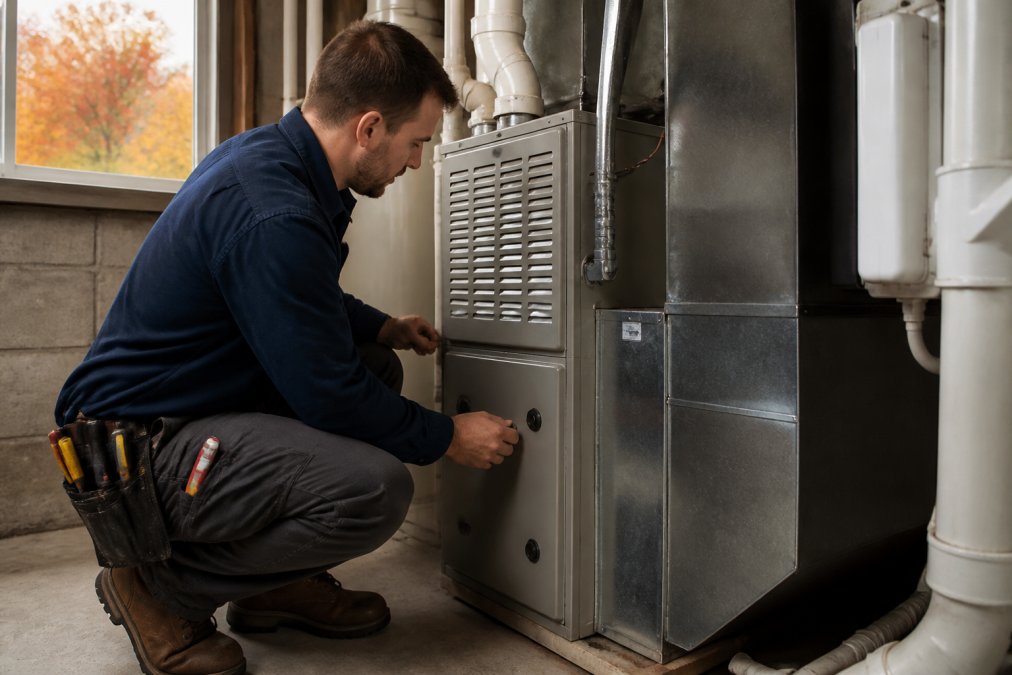
| Fall | Heating preparation | Furnace inspection, gas line check, heat exchanger test | Heating system optimized |
| Winter | Emergency response | Rapid troubleshooting, priority repair scheduling | System failure prevented |
How to Detect Hidden Water Leaks in Walls
Water damage is one of the most destructive and expensive problems a home can face. Unlike visible leaks, hidden water leaks inside walls cause damage for months or years before anyone notices. By then, structural damage, mold growth, and rot have already progressed significantly.
Indoor Air Quality and Health Benefits
The air inside your home affects your family's health daily. Poor indoor air quality aggravates respiratory conditions, triggers allergies, and reduces sleep quality. Many homeowners don't realize their HVAC system is either filtering or circulating pollutants.
Frequently Asked Questions
What is the best time of year to schedule seasonal home tune-ups?
Spring and fall are ideal for seasonal tune-ups. Schedule HVAC maintenance in spring before cooling season and in fall before heating season. Spring is also the best time to inspect for water damage and outdoor systems after winter. Fall allows you to prepare for cold weather and address any issues before you need full heating capacity. Scheduling during these transition periods prevents emergency repairs when systems are running at peak demand.
How much can seasonal tune-ups save on utility bills?
Seasonal maintenance directly impacts energy efficiency. A clean HVAC filter, calibrated thermostat, and properly sealed ducts can reduce energy consumption by 5-15%, translating to measurable savings on heating and cooling costs. The exact savings depend on your system's age, your home's insulation, and local climate. A professional tune-up identifies inefficiencies like refrigerant leaks or blocked condenser coils that force systems to work harder, driving up utility costs. Over a year, these savings often offset the cost of preventative maintenance.
What are the most common hidden issues found during a home tuneup?
Professional seasonal tune-ups frequently uncover water leaks behind walls, corrosion on electrical connections, refrigerant leaks in HVAC systems, and airflow blockages in ducts. Early detection of these issues prevents them from becoming expensive emergency repairs. Water damage, for example, can spread silently and cause structural damage if not caught early. HVAC electrical issues can lead to system failure during peak season. A thorough inspection catches these problems while they're still affordable to fix, protecting your home's structural integrity and system reliability.
Is a membership-based maintenance plan worth the cost compared to calling contractors only when needed?
Preventative maintenance costs significantly less than emergency repairs. Membership plans also provide priority scheduling, flat-rate pricing, and consistent service from a trusted team, eliminating the stress of coordinating multiple contractors. Members avoid the hidden costs of system degradation, premature equipment replacement, and potential home insurance complications from deferred maintenance. For homeowners who value reliability, transparent pricing, and proactive care, membership plans can deliver measurable ROI through cost reduction and peace of mind.