 how-to
Does Homeowners Insurance Cover Preventative Maintenance?
Table of Contents
- What Homeowners Insurance Actually Covers
- Preventative Maintenance vs. Covered Perils: The Critical Difference
- How Neglect and Deferred Maintenance Trigger Claim Denials
- How to Detect Hidden Water Leaks in Walls Before They Become Claims
- Building a Preventative Home Maintenance Checklist That Protects Your Coverage
- Documentation and Maintenance Records: Your Defense Against Claim Denials
- Insurance-Approved Preventative Upgrades That Lower Your Premiums
- Frequently Asked Questions
Last Updated: September 27, 2026
What Homeowners Insurance Actually Covers
Homeowners insurance protects against sudden, unexpected damage. It covers fire, theft, storms, and accidents. But does homeowners insurance cover preventative maintenance? No, it does NOT cover wear and tear or neglect.
This distinction matters enormously. Most claim denials happen because homeowners misunderstand what their policy actually covers. The line between a covered loss and an uncovered maintenance issue is sharper than most people realize.
Your policy covers sudden and accidental damage. A pipe bursts from freezing temperatures, that's covered. A pipe that leaks slowly for months because you never maintained it, that's not. The difference comes down to how the damage started, not how bad it is.
At Lone Eagle Home Services, we help homeowners stay on top of maintenance schedules and keep detailed records. Proactive care prevents both damage and claim denials.
Preventative Maintenance vs. Covered Perils: The Critical Difference
Preventative maintenance is routine upkeep you perform to keep systems working. Covered perils are specific events your policy protects against, fire, lightning, theft, windstorms, hail.
The confusion arises because maintenance and coverage overlap in one area: if you maintain your roof properly, storm damage is covered. If you don't, the insurer may deny your claim, even though the storm itself is a covered peril.
Here's the practical split:
-
Covered: A tree falls on your roof during a storm. The tree damage is sudden and accidental.
-
Not covered: Your roof leaks because shingles deteriorated over five years without replacement. That's gradual damage from deferred maintenance.
-
Covered: A pipe bursts from a sudden freeze. The burst itself is sudden.
-
Not covered: Water damage from a pipe that slowly corroded because you never flushed your system. That's gradual deterioration.
Insurers use this logic: if you had maintained the system, the loss wouldn't have happened. Your negligence increased the risk. They won't pay for damage that resulted from your failure to maintain the property.
The key phrase in most policies is "sudden and accidental." Maintenance failures are neither sudden nor accidental, they're predictable outcomes of neglect.
Deferred maintenance voids coverage. If an adjuster determines that proper maintenance would have prevented the loss, your claim can be denied entirely. Documentation of your maintenance efforts is your only defense.
How Neglect and Deferred Maintenance Trigger Claim Denials
Insurance adjusters investigate claims for signs of neglect. They look for evidence that you failed to maintain the property in a reasonable condition.
Common reasons claims get denied:
-
Roof damage after years without inspection or repair. If your roof shows signs of age and deterioration, and you never had it inspected or maintained, the insurer may deny a storm damage claim. They'll argue the roof was already compromised.
-
Water damage from faulty plumbing. If your pipes corroded or failed because you never flushed the system or replaced old pipes, the claim gets denied. The insurer sees this as predictable failure from lack of maintenance.
-
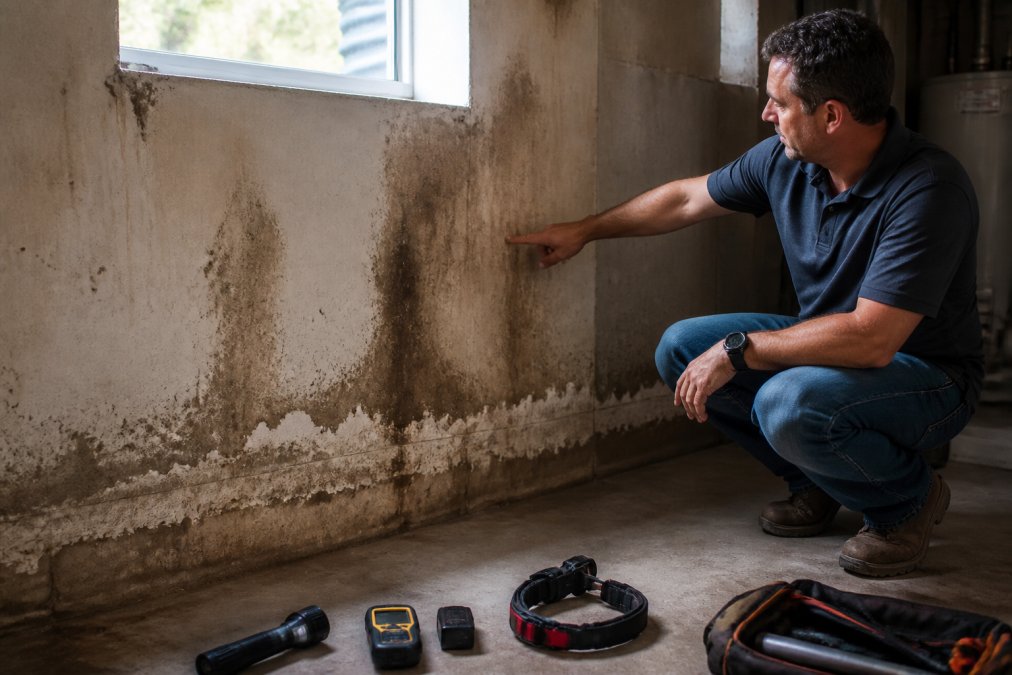
Mold growth after water intrusion. If you didn't address water damage promptly or didn't maintain gutters and downspouts, allowing water to pool around your foundation, mold claims are routinely denied.
-
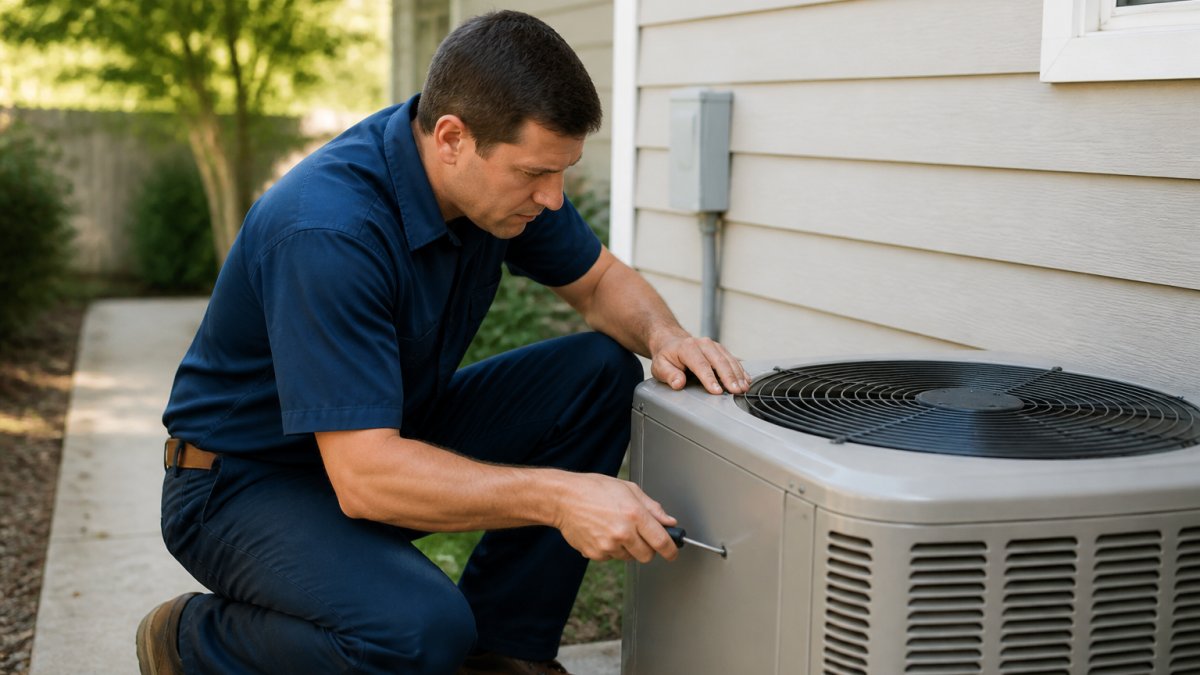
HVAC system failure. If your heating or cooling system failed because you never changed filters or had it serviced, and that failure led to secondary damage, the claim may be denied.
-
Pest damage to structural elements. If termites or rodents damaged your home because you never sealed entry points or maintained the exterior, the claim is typically denied.
The pattern is consistent: the insurer argues you had a duty to maintain the property, you failed to do so, and that failure directly caused the loss. They won't pay.
How to Detect Hidden Water Leaks in Walls Before They Become Claims
Water damage claims are among the most expensive and most frequently denied. Early detection prevents both the damage and the claim denial.
Hidden leaks develop slowly. By the time you notice them, significant damage has occurred. An insurance adjuster will ask: "When did you first notice this? What did you do about it?" Your answer determines whether you get paid.
Look for these signs:
-
Discolored patches on walls or ceilings. Yellowish or brownish stains indicate water has been seeping through. Act immediately.
-
Soft or spongy drywall. Press gently on walls near water sources (bathrooms, kitchens, laundry rooms). Soft spots mean water is trapped inside.
-
Musty odors. Mold grows in hidden moisture. If a room smells damp, water is present somewhere.
-
Peeling paint or wallpaper. Water pushes paint away from the surface as it spreads behind walls.
-
Warped baseboards or trim. Wood swells when wet. Visible warping means sustained moisture exposure.
-
Visible mold growth. This is the final warning. Mold appears only after extended moisture exposure.
Check these areas monthly:
- Under sinks and around faucets
- Behind washing machines and water heaters
- Around toilet bases
- Along exterior walls, especially below windows
- In basements and crawl spaces after rain
The moment you find a leak, document it with photos and timestamps. Call a professional to assess it. Then call your insurance agent to report it. This creates a paper trail showing you acted promptly. If a claim becomes necessary later, you have evidence that you maintained the property responsibly.
Building a Preventative Home Maintenance Checklist That Protects Your Coverage
A maintenance checklist does two things: it keeps your home in good condition, and it creates a record that you maintained it.
Your checklist should cover these systems:
Roof (twice yearly, spring and fall):
- Walk the perimeter and look for missing, cracked, or curled shingles
- Check for debris accumulation in valleys
- Inspect flashing around chimneys and vents
- Have a professional inspect every 3-5 years
Gutters and downspouts (four times yearly):
- Clear leaves and debris
- Check for sagging or separation from the house
- Verify downspouts drain at least 4 feet away from the foundation
- Look for rust or corrosion
Plumbing (quarterly):
- Check under sinks for leaks or water stains
- Inspect visible pipes for corrosion or mineral buildup
- Test water pressure at multiple fixtures
- Flush drains with hot water to clear sediment
- Have a professional inspect the main line annually
HVAC (seasonally):
- Replace filters monthly during heating and cooling seasons
- Have the system serviced before winter and summer
- Clean vents and returns to ensure airflow
- Check ductwork for visible damage or disconnection
Exterior (quarterly):
- Inspect foundation for cracks or water intrusion
- Check caulking around windows and doors
- Look for gaps where utilities enter the house (pest entry points)
- Inspect siding for damage or deterioration
- Trim tree branches away from the roof and siding
Basement and crawl space (after heavy rain):
- Check for standing water or dampness
- Look for new cracks in concrete
- Verify sump pump is working (if applicable)
- Check for pest droppings or entry signs
The critical step: record every inspection and maintenance action. Use a simple spreadsheet or notebook. Write the date, what you checked, what you found, and what action you took. If you hire a professional, keep their invoice and report.
This documentation is your defense against claim denials.
Documentation and Maintenance Records: Your Defense Against Claim Denials
Here's what to keep:
Receipts and invoices. Every time you hire a professional, roofer, plumber, HVAC technician, electrician, keep the invoice. It shows the date, what was done, and who did it. This is powerful documentation.
Maintenance logs. Create a simple spreadsheet or notebook where you record:
- Date of inspection or maintenance
- System or area checked
- Condition found
- Action taken
- Who performed the work (you or a professional)
Insurance-Approved Preventative Upgrades That Lower Your Premiums
Some home improvements directly reduce your insurance risk. Insurers reward these upgrades with premium discounts.
Frequently Asked Questions
Does homeowners insurance cover wear and tear or gradual damage?
No. Homeowners insurance specifically excludes wear and tear, gradual damage, and deferred maintenance. The policy covers sudden and accidental damage from named perils like storms or fire. Gradual deterioration from lack of upkeep, such as a roof failing because shingles were never replaced, is your responsibility as the policyholder. This distinction is why documentation of regular maintenance is critical; it proves you prevented gradual damage and kept your home in proper condition.
What happens if an insurance adjuster determines my claim was denied due to neglect?
If an adjuster finds that neglect caused the damage, your claim will be denied entirely. For example, if water damage occurs because you ignored a known roof leak, the insurer can refuse to pay. This is why maintaining detailed maintenance records is essential. By documenting seasonal inspections, repairs, and upkeep, you demonstrate policyholder responsibility and protect yourself against negligence allegations. Keep photos, receipts, and service reports from contractors.
Can I reduce my homeowners insurance premiums by maintaining my home?
Yes. Many insurers offer premium discounts for risk mitigation measures such as installing storm shutters, upgrading HVAC systems, reinforcing roof structures, or maintaining a documented maintenance schedule. Some policies also offer discounts for homes with newer roofs, updated electrical systems, or professional pest control records. Contact your insurer about available discounts; proactive home upkeep often qualifies you for savings that offset the cost of preventative maintenance.
How should I document preventative maintenance to protect my insurance coverage?
Create a maintenance log that records the date, type of work performed, contractor name, and cost for every service. Take photos before and after repairs. Keep all receipts and digital service reports. For seasonal tune-ups (HVAC inspections, roof checks, gutter cleaning), document completion dates and any issues found or corrected. Store this documentation digitally and in hard copy. If a claim is filed, this evidence proves you maintained your property and prevents the insurer from denying coverage based on negligence or deferred maintenance.