 how-to
How to Prevent Basement Flooding During Heavy Spring Rain
Table of Contents
- How to Prevent Basement Flooding During Heavy Spring Rain: What You'll Need
- Step 1: Use a Sump Pump Maintenance Checklist Before the First Storm
- Step 2: Fix Grading and Drainage for Home Foundations
- Step 3: Learn How to Detect Hidden Water Leaks in Walls
- Step 4: Seal Cracks, Windows, and Floor Joints
- Common Mistakes That Cause Basement Flooding During Spring Rain
- When to Call a Professional Instead of DIY
- Frequently Asked Questions
Last Updated: September 25, 2026
How to Prevent Basement Flooding During Heavy Spring Rain: What You'll Need
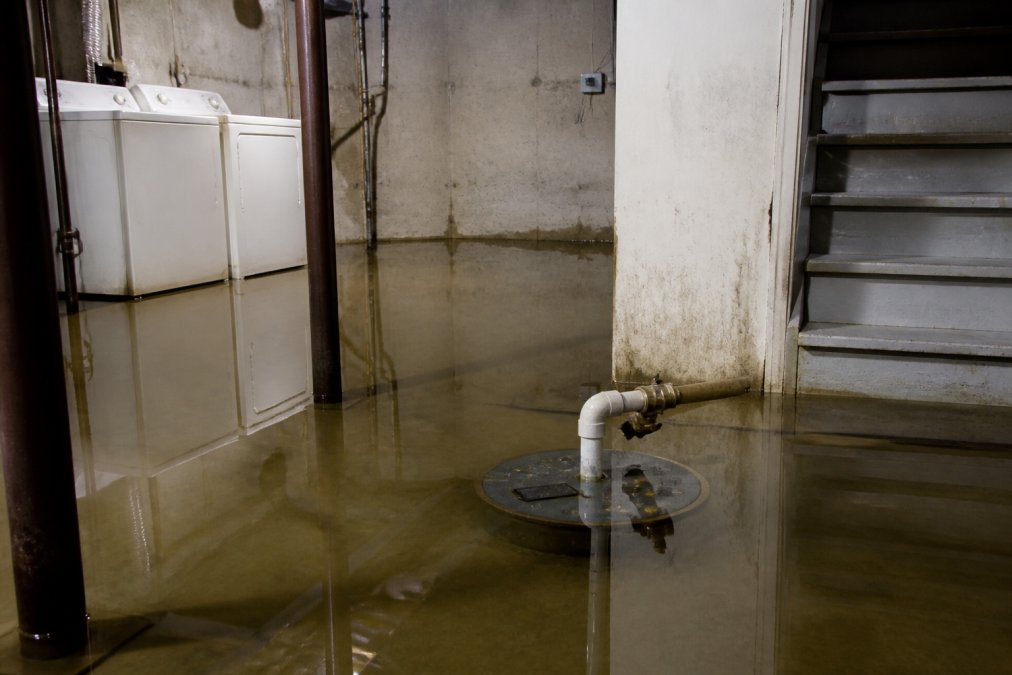
Basement flooding is the most common and costly water problem homeowners face when spring rain arrives, and it almost never starts with a burst pipe. It starts with water that has nowhere else to go. We often see the same pattern every spring: a sump pump that sat idle all winter, gutters still packed with last fall's leaves, and soil that slopes toward the house instead of away from it.
What you'll need:
- A sump pump maintenance checklist and a bucket of water
- A backup battery or generator test
- Downspout extensions and a shovel
- A flashlight and a roll of paper towels
- Hydraulic cement or polyurethane crack sealer
- A dehumidifier (for after the storm)
Step 1: Use a Sump Pump Maintenance Checklist Before the First Storm
A sump pump that hasn't run since last spring is the number one cause of preventable basement flooding. Test it before the first storm, not during one. The whole check takes about 20 minutes.
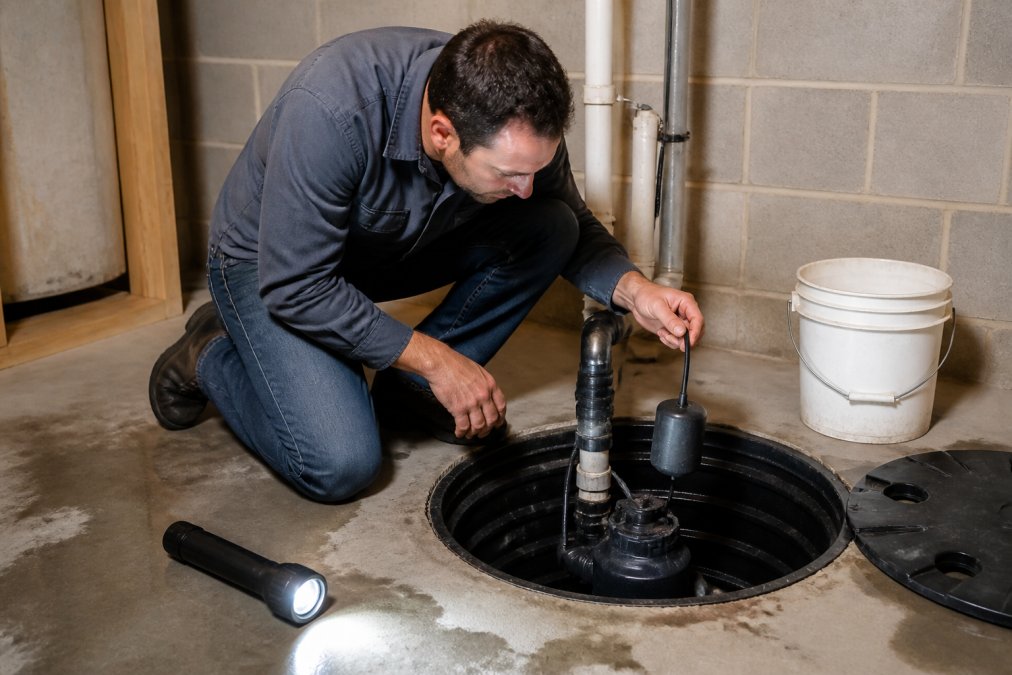
- Pour a bucket of water into the pit and watch the float rise
- Confirm the pump kicks on and drains the pit fully
- Listen for grinding or rattling, a sign of a failing motor
- Check the discharge line for clogs or frozen sections
- Make sure the line dumps at least 10 feet from the foundation
- Clear debris from the pit and the intake screen
- Test the check valve so water doesn't flow back down
Testing Your Sump Pump Under Real Load
A pump that runs fine in a dry pit can still fail when it matters. Fill the pit until the pump cycles two or three times in a row. If it slows down or short-cycles, the motor or the check valve is on its way out.
Backup Power and Battery Checks
Spring storms knock out power, and that's exactly when you need the pump most. Test the backup battery or generator under load, not just at the terminal. Most backup batteries last three to five years, so check the date on yours. If it's older than that, replace it before the season starts.
Step 2: Fix Grading and Drainage for Home Foundations
Grading and drainage for home foundations is the step most homeowners skip, and it's the one that solves the problem at the source. Soil should slope away from the house at roughly a 6-inch drop over the first 10 feet. If water pools against your foundation, no sump pump will keep up.
Reading Your Soil and Water Table
Not every yard drains the same way, and the fix depends on what's under the grass.
- Clay-heavy soil sheds water slowly and stays saturated for days. It needs a steeper grade and a surface channel, not just a slope.
- Sandy or loamy soil drains fast but erodes. Add a shallow swale lined with river rock so the slope holds its shape.
- A high water table means groundwater rises toward the foundation from below, not from the surface. No amount of regrading fixes that, you need a curtain drain or an interior drainage system.
Grading Fixes That Actually Move Water
- Add soil to create positive slope. Use compactable fill, not plain topsoil, and tamp it in lifts so it doesn't settle back toward the house.
- Build a swale. A shallow, vegetated ditch 12 to 18 inches wide and a few inches deep carries surface water around the house and downhill.
- Keep mulch and soil 6 inches back from the siding. Piling beds against the wall creates a dam that holds water at the foundation.
- Check the gutter system. A 2,000-square-foot roof sheds roughly 1,200 gallons of water in a 1-inch rain. Undersized gutters and too few downspouts overload the soil right at the wall.
Downspout Extensions and French Drains
Downspouts that dump water right at the foundation are a direct line into your basement. Add extensions to push water at least 10 feet away, or into a splash block that carries it downhill. On a sloped lot, run the extension to daylight so gravity does the work.
Step 3: Learn How to Detect Hidden Water Leaks in Walls
Learning how to detect hidden water leaks in walls early is what separates a small repair from a full waterproofing job. Most hidden leaks show up as subtle clues long before you see standing water.
- White, chalky stains on the lower wall (efflorescence)
- A musty smell that won't go away
- Peeling paint or bubbling drywall near the floor
- A damp, cool patch you can feel with your hand
- Baseboards that feel soft or pull away from the wall
Step 4: Seal Cracks, Windows, and Floor Joints
Sealing cracks, windows, and floor joints closes the last gaps where water gets in. Even a hairline crack in a poured concrete wall can let in gallons over a wet spring.
- Fill wall cracks with hydraulic cement or a polyurethane sealer
- Caulk around window frames and sill plates
- Seal the cove joint where the floor meets the wall
- Re-point any mortar joints in block foundations
- Check window wells and add covers if they fill with water
Common Mistakes That Cause Basement Flooding During Spring Rain
The mistakes that cause basement flooding during spring rain are almost always about timing. Homeowners wait until water is already coming in, then panic.
| Mistake | Fix | Why It Matters |
|---|---|---|
| Testing the pump in dry weather only | Run a full-load test each spring | Pumps fail under load, not idle |
| Leaving downspouts short | Add 10-foot extensions | Water dumps at the foundation |
| Ignoring hairline cracks | Seal with hydraulic cement | Small cracks widen fast |
| Skipping the backup battery | Test or replace every 3-5 years | Storms cut power |
| Piling mulch against the wall | Keep mulch 6 inches back | Mulch traps water |
When to Call a Professional Instead of DIY
Call a professional when water enters faster than your pump can move it, when cracks keep reopening after you seal them, or when the source isn't obvious. Those point to a foundation or drainage problem that needs a trained eye.
The DIY-vs-Pro Decision Line
Use these triggers to decide which side of the line you're on:
- DIY territory: a single hairline crack, a downspout that needs an extension, a sump pump that needs a tune-up, a low spot in the yard you can regrade in an afternoon.
- Pro territory: water seeping along the cove joint (where floor meets wall), a crack wider than about 1/8 inch, a bowing or leaning wall, repeated flooding after you've fixed grading and drainage, or a musty smell that returns every spring.
What the Money Looks Like
Costs vary widely by region, foundation type, and how much excavation is involved, so treat any number as a range, not a quote. As a general pattern:
- Sealing a crack yourself: a tube of hydraulic cement or polyurethane sealer and an afternoon.
- A pro crack injection: typically a few hundred dollars per crack.
- Interior drainage and sump system: often several thousand dollars, and it's the fix that actually solves hydrostatic pressure.
- Exterior waterproofing with excavation: the most expensive option, usually reserved for severe or recurring problems.
Insurance, Emergency Funds, and Timing
This is also where a membership service can be beneficial. Lone Eagle Home Services provides a premium, membership-based home maintenance solution designed to eliminate the stress of managing property repairs and renovations yourself. By offering a dedicated, trusted team for seasonal tune-ups, on-demand repairs, and vendor coordination, we ensure your home receives proactive care rather than reactive fixes. Our flat-rate pricing and commitment to clear communication provide Morris County homeowners with the accountability and reliability that traditional handyman services often lack. You get flat-rate pricing, confirmed appointments, and a digital service report after every visit.
Frequently Asked Questions
What is the most common cause of basement flooding?
The most common cause is water pooling against the foundation because the ground slopes toward the house or downspouts release too close to the walls. Sump pump failure during a power outage is a close second. Hydrostatic pressure pushes that trapped water through floor joints and hairline cracks. Fixing grading and drainage for home foundations solves more flooding problems than any interior repair.
How often should I test my sump pump?
Test it every two to three months, and always before spring rain season starts. Pour a bucket of water into the pit and confirm the pump kicks on and drains fully. A sump pump maintenance checklist should include checking the float, cleaning the intake screen, and verifying the discharge line is clear. Battery backups need a load test annually, since most only last three to five years.
Does homeowners insurance cover basement flooding from rain?
Standard homeowners policies typically exclude flood damage from surface water and heavy rain. You need a separate flood policy, usually through the National Flood Insurance Program or a private insurer. Water backup coverage is a separate endorsement that handles sump pump failure and sewer backup. Review your declarations page before spring, because these endorsements often have waiting periods.
Can landscaping help prevent basement flooding?
Yes. Soil should slope away from the foundation at roughly a six-inch drop over the first ten feet. Extend downspouts at least six to ten feet from the house, and avoid planting beds that trap water against the walls. Native plants with deep roots absorb more runoff than turf. Regrading and drainage fixes are the cheapest permanent defense against basement flooding during heavy spring rain.
Spring rain will find every weak point in your foundation, and the difference between a dry basement and a flooded one comes down to what you did before the storm. Lone Eagle Home Services gives Morris County homeowners a single trusted team for proactive seasonal tune-ups, on-demand repairs, and concierge-level coordination, backed by flat-rate pricing and a 5.0 Google review rating. See Plans and stop reacting to water damage after it happens.