 ultimate-guide
What Happens If You Ignore Home Repairs
Table of Contents
- The Snowball Effect: How Small Problems Become Major Disasters
- How to Detect Hidden Water Leaks in Walls Before They Destroy Your Home
- Deferred Home Maintenance Consequences: Structural Damage and Foundation Cracks
- Safety Hazards You Can't Ignore: Electrical Overload and Pest Infestation
- The Financial Impact: Reactive Repairs vs. Preventative Maintenance
- Create a Home Maintenance Checklist for Homeowners to Stay Ahead
- Insurance, Liability, and Why Your Policy Won't Cover Negligence
- Conclusion: The Real Cost of Ignoring Home Repairs
- Frequently Asked Questions
Last Updated: September 23, 2026
The Snowball Effect: How Small Problems Become Major Disasters
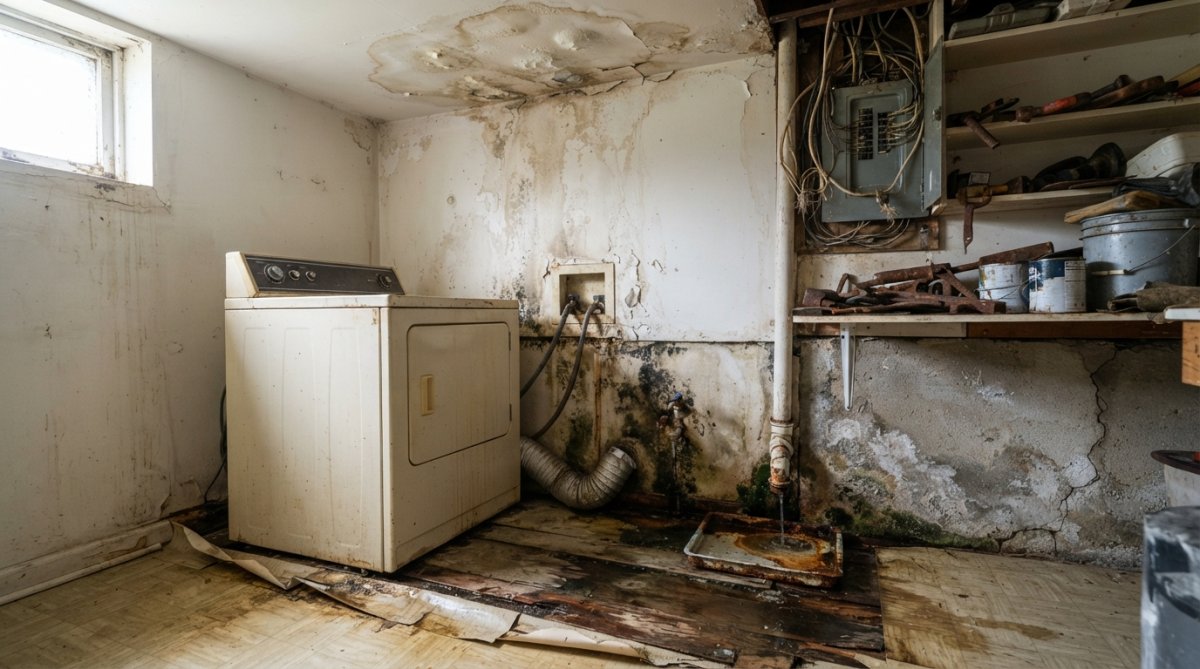
Small cracks in your foundation. A slow drip behind the wall. A flickering electrical outlet. These seem like minor annoyances, the kind of thing you can handle "eventually." But here's what happens if you ignore home repairs: they don't stay small. They compound.
A hairline crack in concrete doesn't just sit there. Water seeps in, freezes in winter, expands, and widens the crack further. That slow drip behind the wall isn't just water, it's moisture creating the perfect environment for mold to grow, structural rot to set in, and damage to spread into framing you can't see. The flickering outlet suggests loose wiring that could eventually become a fire hazard.
What makes this pattern so dangerous is that early intervention stops the cascade. Late intervention can't. At Lone Eagle Home Services, we've watched homeowners face repair bills that could have been prevented with proactive attention to these early warning signs.
The snowball effect works because most home damage operates invisibly. You don't see the wood rot inside your walls. You don't notice the foundation shifting until the cracks become severe. By the time the problem becomes obvious, it's already spread to systems you didn't know were affected. This is why prevention isn't optional, it's the only strategy that actually works.
How to Detect Hidden Water Leaks in Walls Before They Destroy Your Home
Water damage is the silent killer of home value. Unlike a roof leak you can spot from the attic, hidden water leaks in walls operate in darkness, eating away at structural integrity while you remain completely unaware.
The challenge is detection. Water travels along studs, insulation, and electrical wiring, following the path of least resistance. By the time moisture reaches drywall and becomes visible as discoloration, the damage behind that wall is often extensive.
Look for these specific warning signs: soft spots on walls when you press firmly, discoloration that spreads slowly over weeks, a musty smell in localized areas, or visible mold growth in corners or along baseboards. Check around windows and doors where water naturally accumulates. Examine the area where your roof meets exterior walls, this is where most hidden leaks originate. Run your hand along basement walls for dampness, especially after heavy rain.
The most reliable detection method is a moisture meter, which measures water content in drywall and wood. You can rent these inexpensively or hire a professional inspector who uses thermal imaging to spot temperature differences that indicate moisture. Early detection of water damage prevents the cascade: moisture leads to mold, mold leads to structural rot, structural rot leads to foundation compromise.
Prevention beats detection. Ensure gutters drain at least four feet away from your foundation. Seal cracks in exterior caulking immediately. Check grading around your home, water should flow away from the foundation, not toward it. These simple steps prevent most hidden water leaks from starting in the first place.
Deferred Home Maintenance Consequences: Structural Damage and Foundation Cracks
Foundation cracks aren't cosmetic issues. They're structural red flags that signal movement, settling, or pressure that demands attention.
Hairline cracks, less than one-eighth inch wide, often result from normal settling and pose minimal risk. But wider cracks, horizontal cracks, or cracks that grow visibly over months indicate serious problems. Horizontal cracks especially suggest water pressure or soil movement pushing against your foundation. Stair-step cracks in brick or block indicate differential settling where one section of the foundation is moving faster than another.
Ignore these patterns and the consequences escalate quickly. A small crack allows water infiltration. Water weakens concrete and reinforcing steel. The foundation shifts further. Windows and doors no longer close properly. Interior walls develop cracks that follow the same pattern as foundation movement. Eventually, structural failure becomes possible, not immediately, but inevitable without intervention.
The financial impact of deferred maintenance here is dramatic. A small foundation crack sealed for $500-1,500 prevents thousands in water damage, mold remediation, and structural repairs. A severely compromised foundation can cost $20,000-40,000 or more to stabilize and repair. The gap between early intervention and late intervention represents the difference between manageable expense and catastrophic cost.
Structural integrity is non-negotiable. Unlike cosmetic damage, foundation problems don't improve with time. They worsen predictably. This is where the cost-benefit analysis becomes crystal clear: the expense of proactive inspection and minor repairs is trivial compared to the cost of allowing structural damage to progress.
Safety Hazards You Can't Ignore: Electrical Overload and Pest Infestation
Electrical problems and pest infestations share one critical characteristic: they're dangerous in ways homeowners often don't recognize until damage is severe.
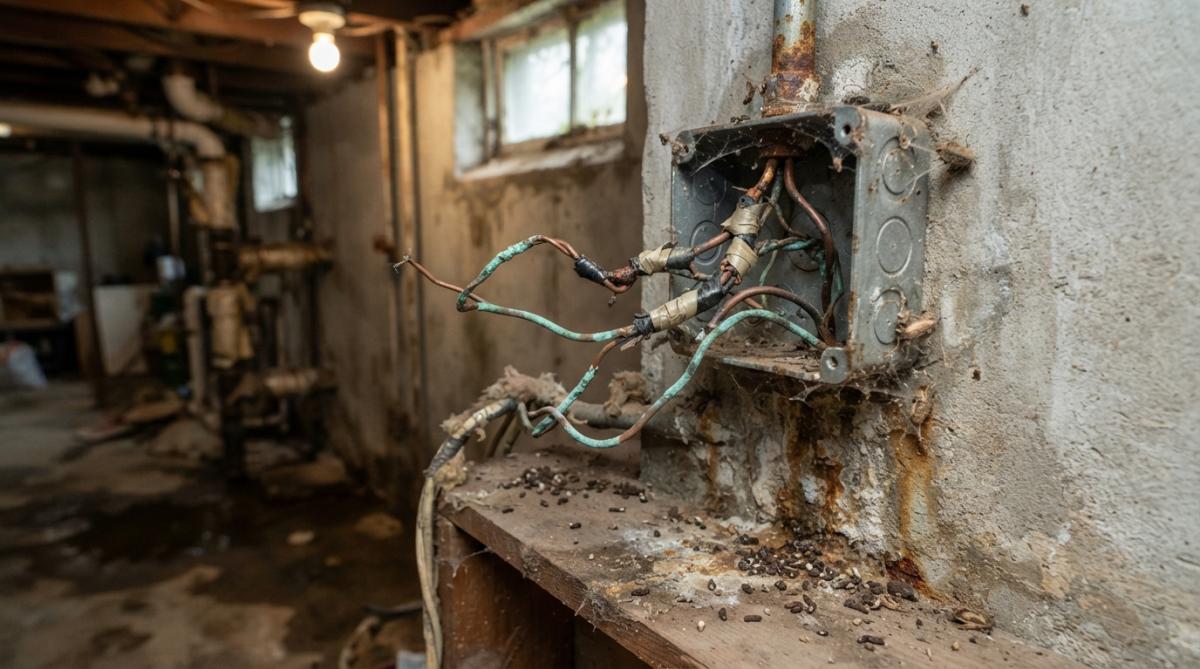
Electrical hazards start small. A flickering light suggests a loose connection. An outlet that doesn't hold plugs suggests worn contacts. A circuit breaker that trips repeatedly suggests overload or a short circuit. These aren't inconveniences, they're warnings. Loose connections generate heat. Heat degrades insulation. Degraded insulation creates fire risk. Overloaded circuits can ignite wiring inside walls where you can't see the fire starting.
Pest infestations follow a similar trajectory. A few termites in the basement seem manageable. But termites work invisibly, consuming wood structure from the inside. By the time visible damage appears, colonies have often compromised structural beams. Rodents chew through electrical wiring, creating short circuits and fire hazards. They contaminate insulation and air ducts with droppings that spread disease.
Both problems demand immediate professional attention. Electrical issues require a licensed electrician to identify the root cause and repair it properly. Pest infestations require professional treatment because DIY approaches rarely eliminate the colony, they just reduce the visible population while the problem persists and spreads.
The cost of ignoring these hazards isn't measured in dollars alone. Electrical fires kill homeowners (the CDC). Pest-borne diseases sicken families. These aren't risks worth taking. When you detect either problem, professional intervention isn't optional, it's essential.
The Financial Impact: Reactive Repairs vs. Preventative Maintenance
The mathematics of home maintenance are brutal when you compare reactive and preventative approaches.
Reactive repair means you wait until something breaks, then call for emergency service. Emergency calls cost more, technicians charge premium rates for same-day or after-hours work. The damage has already spread, so the repair scope is larger than it would have been if caught early. A water leak detected after mold has grown requires both leak repair and mold remediation. A foundation crack that's widened requires more extensive stabilization than a small crack would.
Preventative maintenance operates differently. Regular inspections catch problems at early stages when repairs are smaller and cheaper. Seasonal tune-ups maintain systems before they fail. Proactive monitoring prevents emergencies from happening in the first place.
Consider a real scenario: a small roof leak. Caught early during a spring inspection, it can be patched. Ignored for two years, that same leak can rot the roof decking, soak the attic insulation, and create mold in the attic space. Now the repair includes remediation work that wasn't necessary before.
This pattern repeats across every system in your home.
Create a Home Maintenance Checklist for Homeowners to Stay Ahead
A maintenance checklist transforms home care from chaotic reactive scrambling into organized, predictable upkeep.
Monthly Tasks:
- Check all faucets and under-sink areas for leaks
- Test GFCI outlets in bathrooms and kitchens
- Inspect visible foundation areas for new cracks
- Check basement or crawl space for standing water
Seasonal Tasks (Spring):
- Inspect roof from ground with binoculars for missing shingles or damage
- Clean gutters and downspouts thoroughly
- Check exterior caulking around windows and doors
- Inspect grading around foundation, ensure water slopes away
- Test all exterior hose bibs for leaks
Seasonal Tasks (Fall):
- Drain and store garden hoses
- Shut off exterior water and drain lines
- Inspect weatherstripping on doors and windows
- Check attic for signs of leaks or pest activity
- Inspect basement for water stains or musty odors
Annual Professional Tasks:
- HVAC system inspection and filter replacement
- Electrical panel inspection for corrosion or loose connections
- Plumbing inspection for hidden leaks
- Foundation inspection for new cracks
- Roof inspection by qualified professional
- Pest inspection for early signs of infestation
Insurance, Liability, and Why Your Policy Won't Cover Negligence
This is the conversation most homeowners avoid until it's too late: your homeowner's insurance will not cover damage that results from neglect.
Conclusion: The Real Cost of Ignoring Home Repairs
The true cost of ignoring home repairs isn't the single large repair bill you eventually face. It's the cascade of damage that spreads through your home, the emergency calls at the worst possible times, the insurance claims denied because of negligence, and the property value lost when buyers discover deferred maintenance.
Frequently Asked Questions
What are the most common home repairs homeowners ignore?
The most frequently deferred repairs include roof leaks, HVAC maintenance, foundation cracks, plumbing issues, and electrical problems. Homeowners often delay these because they're not immediately visible or seem like minor issues. However, ignoring them allows water damage, mold growth, and system failure to compound. Seasonal tune-ups catch these problems early before they require emergency repairs that cost significantly more.
How does deferred home maintenance affect your home's resale value?
Deferred maintenance directly reduces property value. A home inspection during a sale will reveal neglected repairs, foundation issues, and water damage, which buyers use to negotiate lower offers. Studies show homes with visible wear and tear sell for 5-10% less than well-maintained properties. Preventative maintenance protects your asset and maintains curb appeal, making your home more attractive to buyers.
Can ignoring small home repairs really lead to structural damage?
Yes. Small leaks become water damage, which weakens the building envelope and foundation. A minor roof leak ignored for years causes rot in framing, mold in walls, and eventually foundation cracks. Foundation damage is expensive and dangerous. Similarly, deferred HVAC maintenance reduces efficiency, strains the system, and can lead to complete failure. The snowball effect means small problems multiply into major disasters if left unaddressed.
Does homeowners insurance cover damage caused by lack of maintenance?
No. Most homeowners insurance policies exclude damage resulting from deferred or negligent maintenance. If your roof fails because you ignored a known leak, or if mold spreads because you didn't address water damage, your insurer can deny your claim. Insurance covers sudden, accidental damage, not preventable wear and tear. This is why routine upkeep and preventative maintenance are critical to protecting your coverage and liability.
See Plans with Lone Eagle Home Services and start protecting your home today. Let our team handle the maintenance burden so you can focus on what matters.