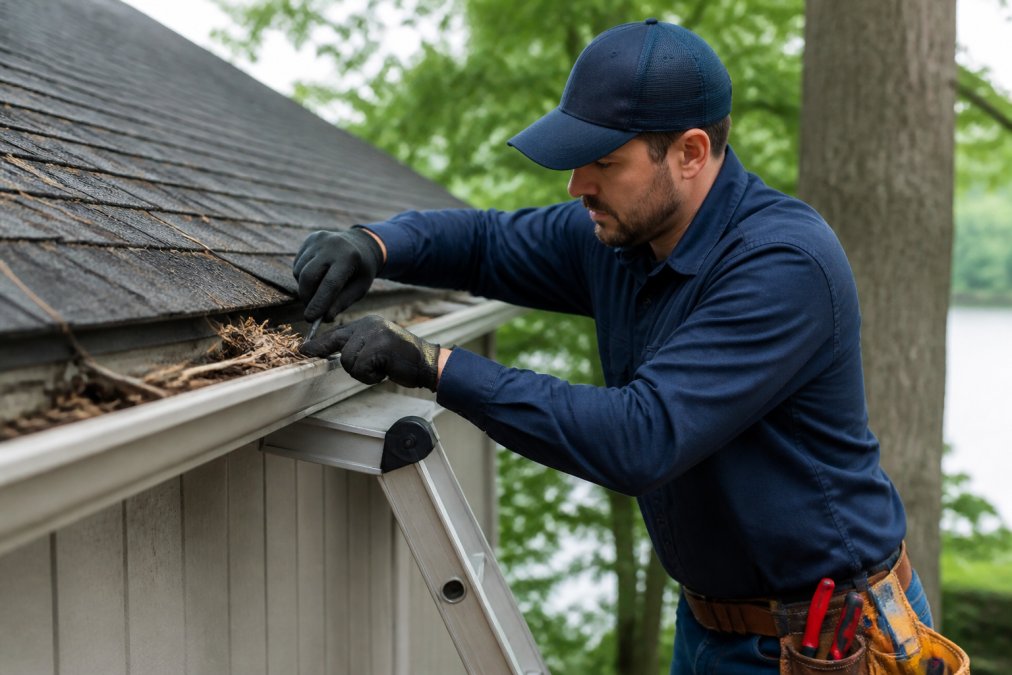
 comparison
Why Switch to Professional Home Care: Key Reasons
Table of Contents
- Why Switch to Professional Home Care Over DIY Repairs
- The Hidden Costs: DIY vs Professional Home Repair Cost Analysis
- 7 Clear Signs Your Home Needs Professional Maintenance
- How Professional Care Prevents Costly Emergencies
- Home Maintenance Membership Benefits: Predictability and Priority
- What to Look For in a Professional Home Care Team
- Making the Transition: How to Switch to Professional Home Care
- Frequently Asked Questions
Last Updated: September 8, 2026
The average homeowner spends countless weekends coordinating repairs, waiting on no-show contractors, and watching small issues spiral into expensive emergencies. That reactive cycle is why many property owners ultimately ask themselves why switch to professional home care instead of continuing to manage everything alone. At Lone Eagle Home Services, we see the same pattern repeatedly: homeowners in Morris County who start with good intentions on DIY maintenance eventually hit a point where the time, risk, and frustration outweigh the savings.
Professional home care is a proactive, membership-based approach to property maintenance where a single trusted team handles seasonal tune-ups, on-demand repairs, and vendor coordination under flat-rate pricing. The core difference from the traditional model is simple: you stop chasing problems and start preventing them. This guide breaks down the real cost comparison, the warning signs that DIY has run its course, and how to make the transition smoothly.
Why Switch to Professional Home Care Over DIY Repairs
The DIY approach to home maintenance carries hidden burdens that rarely appear in the upfront cost comparison. Every hour spent watching a tutorial or waiting for a specialty tool is an hour diverted from work, family, or rest. For busy professionals, that trade-off becomes harder to justify with each passing season.
Professional home care shifts the responsibility entirely. A dedicated team handles the scheduling, the labor, and the follow-through, which means you approve the work rather than perform it. This model also introduces accountability that independent handymen often lack: confirmed appointments, uniformed technicians, and digital service reports after every visit.
The reliability gap is where most homeowners feel the difference. When you rely on a single "guy who does odd jobs," you accept his timeline, his availability, and his definition of done. A structured service replaces that uncertainty with predictable, scheduled care.
The Hidden Costs: DIY vs Professional Home Repair Cost Analysis
While the emotional reasons for switching to professional home care are compelling, the decision often stalls on one practical question: how will we pay for it? Most families underestimate the true financial picture because they compare hourly rates against their own 'free' labor, without accounting for the hidden costs of DIY maintenance.
By addressing the financial logistics head-on, the switch to professional home care becomes a manageable decision rather than an emotional leap into the unknown.
7 Clear Signs Your Home Needs Professional Maintenance
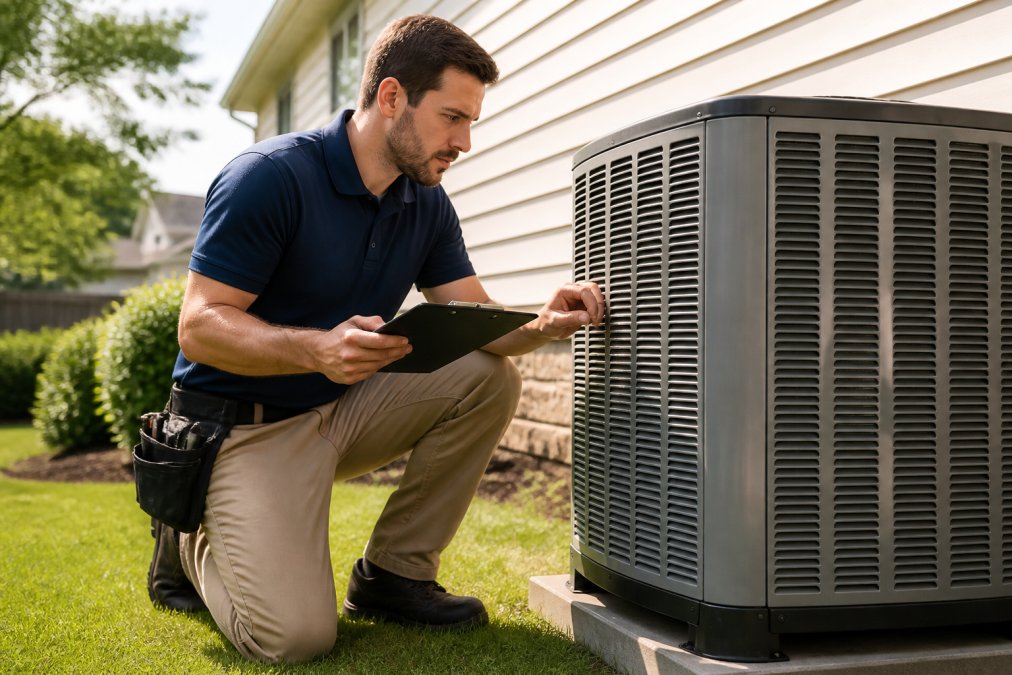
Most homeowners ignore the early warnings until a system fails completely. Recognizing these signs early is the difference between a scheduled repair and an emergency call.
- You cannot remember the last tune-up. If you do not know when your HVAC, water heater, or roof was last inspected, it has been too long.
- Small issues keep recurring. A dripping faucet that you fix three times a year is not bad luck; it is a symptom of a deeper problem (the EPA).
- Your contractor list is a spreadsheet. Managing five different vendors for five different systems is a sign you have outgrown the ad-hoc model.
- You postpone repairs due to lack of time. When scheduling conflicts delay critical fixes, you are actively risking larger damage.
- Seasonal preparation feels overwhelming. If winterizing or spring maintenance keeps slipping, a proactive service can own that calendar.
- You have experienced a no-show contractor. Reliability is not a luxury; it is a core requirement for protecting your property.
- Your home is vacant for part of the year. Properties left unattended need scheduled checks to catch issues before they escalate.
How Professional Care Prevents Costly Emergencies
The financial logic of proactive maintenance is straightforward: a small, scheduled repair costs a fraction of an emergency replacement. When a professional team performs seasonal tune-ups, they catch worn belts, minor leaks, and failing seals while they are still inexpensive to address (energy.gov).
Professional home care also provides active supervision for properties that sit empty for months at a time. For homeowners who are only in residence part of the year, scheduled visits ensure that a burst pipe or a failing sump pump is discovered immediately rather than after weeks of undetected damage.
This approach fundamentally changes the relationship with your home. Instead of reacting to failures with urgent calls and premium emergency rates, you operate on a maintenance calendar that anticipates the needs of each season. The result is fewer surprises, better budget predictability, and a home that retains its value through consistent care.
Home Maintenance Membership Benefits: Predictability and Priority
The home maintenance membership benefits extend beyond simple repair scheduling. A membership model offers priority access, which matters enormously when a sudden issue arises. Members typically skip the queue for emergency service, receiving faster response times than non-members calling for the first time (the FTC).
Predictability is the other major advantage. Flat-rate pricing means you know the cost of a service before work begins, eliminating the anxiety of watching a contractor calculate hours. Digital service reports provide a record of every visit, giving you a clear history of your home's condition and the work performed.
For homeowners managing a primary residence and a secondary property, the concierge-level coordination is invaluable. A single trusted team can manage vendor dispatch, confirm completion, and report back with photographic evidence, all without requiring you to be on site.
What to Look For in a Professional Home Care Team
Selecting the right team requires scrutiny beyond a friendly phone manner. Start with verification: confirm the company is licensed and insured, then check independent reviews for patterns of reliability. A history of on-time arrivals and completed work is the strongest predictor of future performance.
Evaluate how the company structures its accountability. Do they provide written estimates before work begins? Do they offer digital documentation of completed services? Are their technicians uniformed and backed by identifiable systems? These signals separate a professional operation from a loose network of subcontractors.
Making the Transition: How to Switch to Professional Home Care
The shift to a model that includes professional support does not have to be an all-or-nothing change. The most successful transitions are gradual, preserving your involvement while adding professional expertise where it is needed most.
By approaching the switch as a phased integration rather than a sudden replacement, homeowners can ensure their property receives consistent, professional care.
Frequently Asked Questions
What are the primary benefits of professional home maintenance over DIY?
Professional home care delivers consistent quality, safety, and accountability that DIY efforts rarely match. A licensed team has the training to spot developing issues before they become expensive failures, which preserves your home's value and prevents emergencies. Professional work also includes warranties and insurance, removing your personal liability for injuries or property damage. For busy homeowners, the main benefit is time: you trade weekend projects for confirmed appointments and digital service reports, freeing your schedule for family and work.
What are the signs that your home requires professional intervention?
Look for issues that recur despite your repair attempts, such as a faucet that keeps leaking or a circuit breaker that trips repeatedly. Other signs include visible water stains on ceilings, unusual odors from drains, HVAC systems running constantly, and drafty windows that spike your energy bills. If a project involves gas lines, electrical panels, or structural changes, codes require a licensed professional. When you find yourself watching multiple YouTube tutorials for the same fix, that is a clear signal to call a professional team.
How does a membership-based home service model differ from on-demand repairs?
On-demand repairs are reactive: you wait for something to break, then scramble to find a contractor who may not have availability. A membership model flips that dynamic. You get scheduled seasonal tune-ups that catch problems early, priority scheduling when issues do arise, and a dedicated team that already knows your home's history. This approach prevents small issues from becoming costly emergencies and gives you predictable flat-rate pricing instead of surprise invoices from unfamiliar contractors.
How does proactive home maintenance impact long-term property value?
A well-documented maintenance history directly supports your home's resale value. Buyers and appraisers view consistent upkeep as proof that major systems like HVAC, roofing, and plumbing have been protected. Homes with proactive maintenance records typically command higher offers and sell faster because there is less perceived risk. Seasonal tune-ups extend equipment lifespan by years, delaying expensive replacements. Digital service reports from every visit create a verifiable trail that distinguishes your home from others with deferred maintenance.