 blog
blog
Most Requested Handyman Services: 2026 Demand Guide
Table of Contents
- The Most Requested Handyman Services Homeowners Need
- Most Common Handyman Services by Category
- Questions to Ask a Handyman Before Hiring
- Handyman vs. DIY Repairs: When to Call a Professional
- Understanding Handyman Minimum Charge and Pricing
- Why Proactive Home Maintenance Beats Reactive Repairs
- Frequently Asked Questions
Last Updated: October 11, 2026
The Most Requested Handyman Services Homeowners Need
The most requested handyman services are plumbing repairs, electrical work, and interior finishing, and they're often the most urgent because they affect daily comfort and safety.
Why These Services Lead Demand
Homeowners prioritize services that solve immediate problems: plumbing leaks cause damage within hours, electrical issues pose safety risks, and interior work affects daily comfort.
Most homeowners can't safely tackle these projects themselves, electrical work requires licensing, plumbing mistakes cost thousands in water damage, and interior finishing demands skill and tools.
Most Common Handyman Services by Category
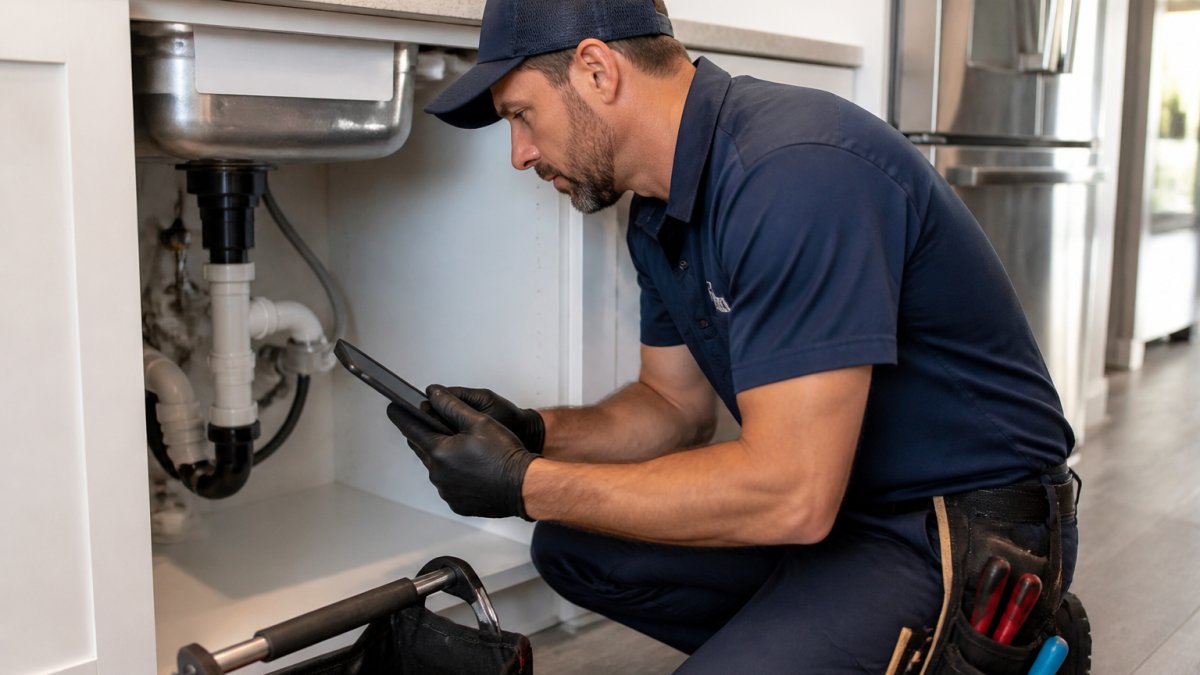
Plumbing fixture repairs consistently rank as the most requested handyman service across residential markets, based on booking frequency and homeowner survey data. Understanding this hierarchy helps you prioritize repairs and set realistic scheduling expectations.
Plumbing and Fixture Repairs (Most Requested)
Plumbing problems account for roughly 25-30% of routine residential calls. Leaking faucets, running toilets, clogged drains, and fixture replacements dominate because they create immediate problems: water waste, higher bills, and potential damage.
Common plumbing requests include:
- Fixing or replacing kitchen and bathroom faucets
- Repairing or replacing toilet components (fill valves, flapper seals, tank bolts)
- Clearing slow or clogged drains (kitchen sinks, bathroom drains, shower drains)
- Installing new showerheads, aerators, or fixtures
- Patching small leaks under sinks and around supply lines
- Replacing worn supply line connections and shut-off valves
Most fixture replacements take 1-3 hours. A skilled handyman saves money on routine fixture work, but complex plumbing, main water line, sewage, or new installations, requires a licensed professional.
Why plumbing ranks first: Plumbing issues are urgent and affect daily function immediately. A running toilet can increase water bills by 30% or more monthly. Homeowners cannot ignore these problems.
Electrical Work and Light Fixture Installation (Second Most Requested)
Electrical repairs and fixture installation rank second, accounting for roughly 20-25% of calls. These projects improve functionality, safety, and convenience.
Common electrical requests include:
- Installing or replacing light switches (including 3-way switches)
- Adding new electrical outlets (standard 15-amp, 20-amp, or specialty outlets)
- Hanging ceiling fans with integrated lighting
- Installing light fixtures, chandeliers, and recessed lighting
- Replacing dimmer switches and motion-sensor switches
- Adding USB charging outlets and smart outlets
- Troubleshooting outlets that don't work
A light switch replacement takes 15-30 minutes; a ceiling fan, 1-2 hours. A handyman can handle fixture installation and basic outlet work, but new circuits, panel work, and permit-required work must be done by a licensed electrician.
Why electrical ranks second: These requests are consistent year-round and don't require emergency response, but homeowners prioritize them after plumbing issues.
Drywall, Painting, and Interior Finishing (Third Most Requested)
Interior finishing projects rank in the top three, accounting for roughly 15-20% of calls. Drywall patching, painting, and trim work address damage and affect how you experience your home daily.
Common interior finishing requests include:
- Patching and mudding small to medium drywall holes (nail holes, impact damage, water damage)
- Interior painting (walls, trim, ceilings, accent walls)
- Staining or refinishing trim and doors
- Installing baseboards, crown molding, or chair rail
- Caulking gaps, seams, and trim joints
- Sanding and preparing surfaces for paint
- Texture repair and matching
A small drywall patch takes 1-2 hours; painting a bedroom, 4-8 hours. These projects don't require licensing and are perfect for a skilled handyman.
Why interior finishing ranks third: These projects improve appearance but aren't urgent like plumbing or electrical issues. Homeowners schedule them when budget and time allow. Demand spikes in spring and fall.
Exterior Maintenance: Gutters and Fencing (Seasonal, High Volume)
Exterior maintenance requests round out the top services, accounting for roughly 15-20% of calls but concentrated in spring and fall. Gutter repair and cleaning, fence repair, and fence staining keep homes protected and looking maintained. These projects are essential for preventing water damage and maintaining curb appeal.
Common exterior requests include:
- Gutter cleaning and debris removal
- Repairing gutter damage, loose sections, or sagging gutters
- Replacing downspouts and extending drainage
- Fence repair (replacing boards, tightening posts, fixing gates)
- Fence staining or painting
- Power washing exterior surfaces (siding, decks, driveways)
- Repairing or replacing fascia and soffit
Gutter cleaning takes 2-4 hours; replacing sections, 3-6 hours. These projects are highly seasonal: spring addresses winter damage, fall prepares for winter.
Why exterior maintenance is seasonal: Gutters clogged with fall leaves cause water backup and ice dams in winter. Spring reveals winter damage. Fence staining is best done in dry weather. These projects are preventive but not emergency-level urgent, so homeowners schedule them during predictable seasons rather than calling immediately.
Demand by Customer Type
Demand patterns also vary by customer segment. Residential homeowners prioritize plumbing and electrical (functional needs) and interior finishing (aesthetic improvements). Landlords and property managers request more frequent gutter cleaning, exterior maintenance, and fixture replacement because they manage multiple units and need consistent, scheduled service. Commercial property managers often request power washing, fence maintenance, and seasonal inspections. Understanding your customer type helps set expectations for which services will dominate your schedule.
| Service Category | Typical Duration | Frequency | Licensing Required | Demand Rank |
|---|---|---|---|---|
| Plumbing Fixtures | 45 min - 3 hours | As needed | Licensed plumber for complex work | 1st |
| Electrical Fixtures | 15 min - 2 hours | As needed | Licensed electrician for circuits | 2nd |
| Interior Finishing | 1 - 8 hours | As needed | None required | 3rd |
| Exterior Maintenance | 2 - 10 hours | Seasonal (spring/fall) | None required | 4th (seasonal spike) |
Questions to Ask a Handyman Before Hiring
Ask about experience with your specific project type, licensing, insurance, written estimates, timeline, pricing structure, references, and guarantees. A professional will provide a written estimate breaking down labor and materials separately, protecting both parties by clarifying scope and cost upfront.
Handyman vs. DIY Repairs: When to Call a Professional
Call a professional for electrical work beyond fixture installation, complex plumbing (main water line, sewage, new installations), structural repairs, roof work, or anything requiring permits. DIY works for low-risk projects like painting or furniture assembly if you have the right tools and skills. DIY mistakes often cost more to fix than hiring a professional upfront.
Understanding Handyman Minimum Charge and Pricing
Most handymen charge either hourly rates or flat fees. Understanding how pricing works, what typical costs are, and how to prioritize your repair list helps you budget effectively and avoid surprises.
Pricing Models: Hourly vs. Flat-Rate
Hourly rates typically range from $50-$150 per hour depending on complexity, location, and the handyman's experience level. Straightforward work (painting, basic fixture installation) falls on the lower end. Specialized work (electrical, plumbing, custom carpentry) commands higher rates. Flat-rate pricing means you know the total cost upfront, no surprises when the bill arrives.
Many handymen have a minimum charge, typically 1-2 hours of work. This covers their time getting to your home, setting up, and handling the job. A 15-minute light switch replacement still costs the minimum charge because the handyman's time and travel matter.
Travel time and distance affect pricing. A job 30 minutes away costs more than one nearby. Some handymen include travel time in their minimum charge. Others bill travel separately or charge a service call fee ($25-$75) that applies to the first hour. Ask upfront how travel is handled.
Typical Cost Ranges by Service
Understanding typical costs for common repairs helps you budget and compare quotes:
Plumbing Fixture Repairs:
- Faucet replacement: $150-$300 (parts + labor)
- Toilet repair (fill valve, flapper): $100-$250
- Toilet replacement: $200-$400
- Drain cleaning (simple clog): $100-$200
- Supply line replacement: $75-$150
Electrical Fixture Installation:
- Light switch replacement: $75-$150
- Outlet installation: $100-$200
- Ceiling fan installation: $150-$300
- Light fixture installation: $100-$250
- Dimmer switch or smart outlet: $100-$200
- Drywall patch (small, under 6 inches): $75-$150
- Drywall patch (medium, 6-12 inches): $150-$300
- Interior painting (per room, 12×12 feet): $300-$600
- Baseboard installation (per linear foot): $5-$15 labor + materials
- Crown molding installation (per linear foot): $8-$20 labor + materials
Exterior Maintenance:
- Gutter cleaning: $150-$300 (average home)
- Gutter repair (per section): $100-$250
- Fence staining (per linear foot): $2-$5
- Power washing (per square foot): $0.10-$0.30
These ranges vary by region. Urban areas and high cost-of-living regions run 20-40% higher. Rural areas may run lower but include higher travel charges. Always get written estimates from at least two providers before committing.
Prioritizing Repairs: Urgent vs. Routine
Urgent (Address Within Days): Active leaks, non-functional electrical outlets/switches, broken locks, structural damage, gas appliance issues.
Important (1-2 Weeks): Slow drains, non-critical electrical work, gutter damage, fence damage, interior damage affecting usability.
Routine (When Budget Allows): Cosmetic painting, fixture upgrades, seasonal maintenance, furniture assembly.
This framework prevents overspending on cosmetic work while urgent issues pile up.
When to Negotiate and When to Pay Full Price
Bundle multiple small jobs in one visit for discounted pricing. Emergency calls (nights, weekends, holidays) cost 1.5-2× standard rates. Off-season scheduling (winter/summer) can save 10-20%. Pay full price for specialized work, licensed services, emergency calls, and permit-required work.
What's Included in Your Quote
When comparing quotes, ask whether materials are included, what prep work is covered, if cleanup and debris removal are included, and what happens if the job takes longer than estimated. A professional will provide a written estimate breaking down labor and materials separately.
Why Proactive Home Maintenance Beats Reactive Repairs
Proactive maintenance costs less than reactive repairs. A small leak ignored becomes water damage; a loose gutter becomes a foundation problem. Spending a few hundred on preventive maintenance saves thousands in emergency repairs. Seasonal tune-ups in spring and fall catch weather-related issues before they become emergencies.
Choosing the right handyman service starts with understanding what you actually need. The most requested handyman services, plumbing, electrical, interior finishing, and exterior maintenance, are also the ones that affect your home's safety, comfort, and value most directly.
The real advantage goes to homeowners who think ahead. At Lone Eagle Home Services, we've built our membership model around this principle: proactive care, flat-rate transparency, and one dedicated team handling all your maintenance needs. See Plans to learn how we help Morris County homeowners eliminate the stress of managing repairs themselves.
Frequently Asked Questions
What is the most requested handyman service?
Plumbing repairs and fixture replacement consistently rank as the most requested handyman service across residential properties. Leaky faucets, running toilets, and fixture installation account for a significant portion of service calls. This demand reflects both the complexity of plumbing work and the urgent nature of water-related issues, homeowners cannot delay when pipes leak or fixtures fail. Electrical work and light fixture installation rank as the second-most common request, followed by drywall patching and interior painting.
What questions should you ask a handyman before hiring?
Ask about licensing and insurance status, years of experience with your specific repair type, whether they provide written estimates and service guarantees, their availability and typical response time, and if they offer digital documentation of completed work. Request references from recent customers and clarify whether they handle vendor coordination or specialize in specific trades. Understanding their communication style and whether they stand behind their work helps you avoid unreliable contractors and ensures accountability for the repair quality.
Is it better to hire a handyman or attempt DIY repairs?
Hire a professional handyman for electrical work, plumbing beyond simple fixes, drywall installation, and any task involving permits or licensed work. DIY makes sense for minor painting touch-ups, furniture assembly, and basic maintenance tasks. The distinction matters: electrical and plumbing mistakes create safety hazards and code violations. A licensed handyman carries insurance and follows building codes, protecting your home and investment. DIY saves money on simple jobs but costs more when mistakes require professional correction.
What is a typical handyman minimum charge?
Most handymen charge a service call or minimum charge. Rather than assuming a fixed rate, contact local service providers directly for current pricing. Some membership-based home maintenance services offer flat-rate pricing with no minimums for members, eliminating the surprise of service call fees. Always clarify upfront whether the minimum charge applies to your specific repair type and whether it credits toward the final bill.