 how-to
Home Maintenance Prevents Costly Repairs: A How-To
Table of Contents
- Why Home Maintenance Prevents Costly Repairs
- Build Your Preventive Home Maintenance Checklist
- Recognize Early Signs of Water Leaks Before They Spread
- Create a Home Maintenance Schedule That Fits Your Life
- Use a Home Repair Estimate Checklist to Compare Quotes Fairly
- Document Everything: Digital Records Keep You Accountable
- Common Maintenance Mistakes That Lead to Expensive Repairs
- Frequently Asked Questions
Last Updated: October 10, 2026
Why Home Maintenance Prevents Costly Repairs
Preventive home maintenance is the single most effective way to stop small problems from becoming expensive issues.
Most homeowners react to problems only after they become visible.
At Lone Eagle Home Services, we've seen this pattern repeatedly. Homeowners who schedule regular seasonal maintenance and annual inspections catch issues before they compound.
A strong home maintenance prevents costly repairs strategy includes:
- Monthly checks on HVAC filters and visible systems
- Seasonal inspections of roof, gutters, and exterior surfaces
- Annual deep-dive assessments of all major systems
- Prompt documentation of any issues found
- Quick action on early warning signs
This approach isn't about doing busywork. It's about protecting your investment and your peace of mind.
Build Your Preventive Home Maintenance Checklist
The foundation of effective preventive maintenance is a clear, organized checklist. You need to know what to inspect, when to do it, and what you're looking for. Without structure, tasks slip through the cracks and problems hide until they're expensive.
Monthly and Seasonal Tasks
Monthly checks take 30 minutes and catch many problems early. Set a calendar reminder for the same day each month so the habit sticks.
Monthly tasks:
- Replace or check your furnace filter (or air filter if you have a heat pump)
- Test smoke detectors and carbon monoxide detectors
- Inspect visible water pipes under sinks for leaks or corrosion
- Check basement or crawl space for standing water or dampness
- Look for signs of pests or rodent activity
Seasonal tasks vary by climate:
Spring (after winter):
- Inspect roof from the ground for missing or damaged shingles
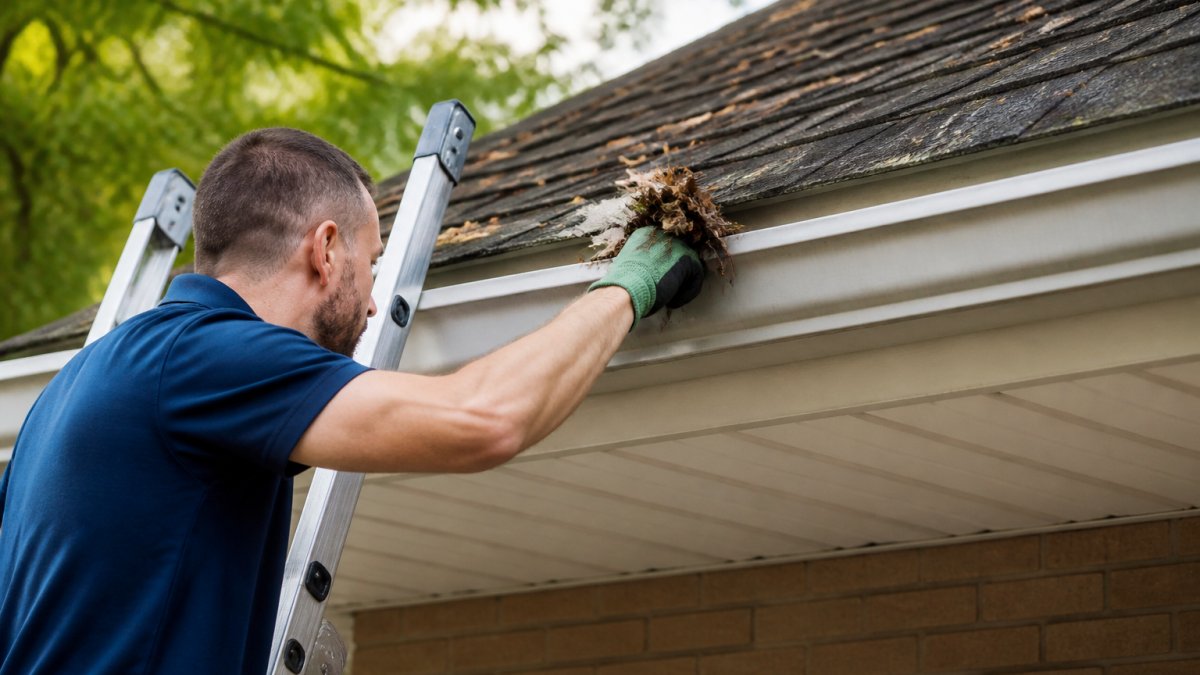
- Check gutters and downspouts for debris and damage
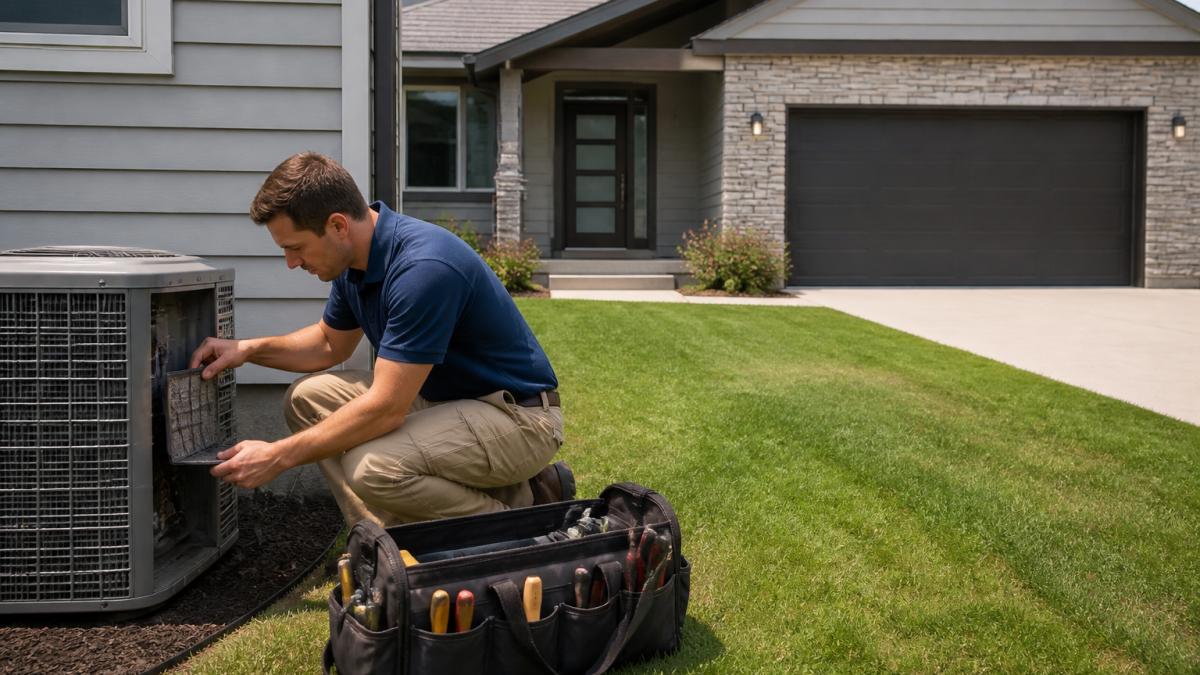
- Test your air conditioning system before hot weather hits
- Inspect exterior caulking around windows and doors
- Look for cracks in foundation or exterior walls
Summer:
- Monitor grading and drainage around the foundation
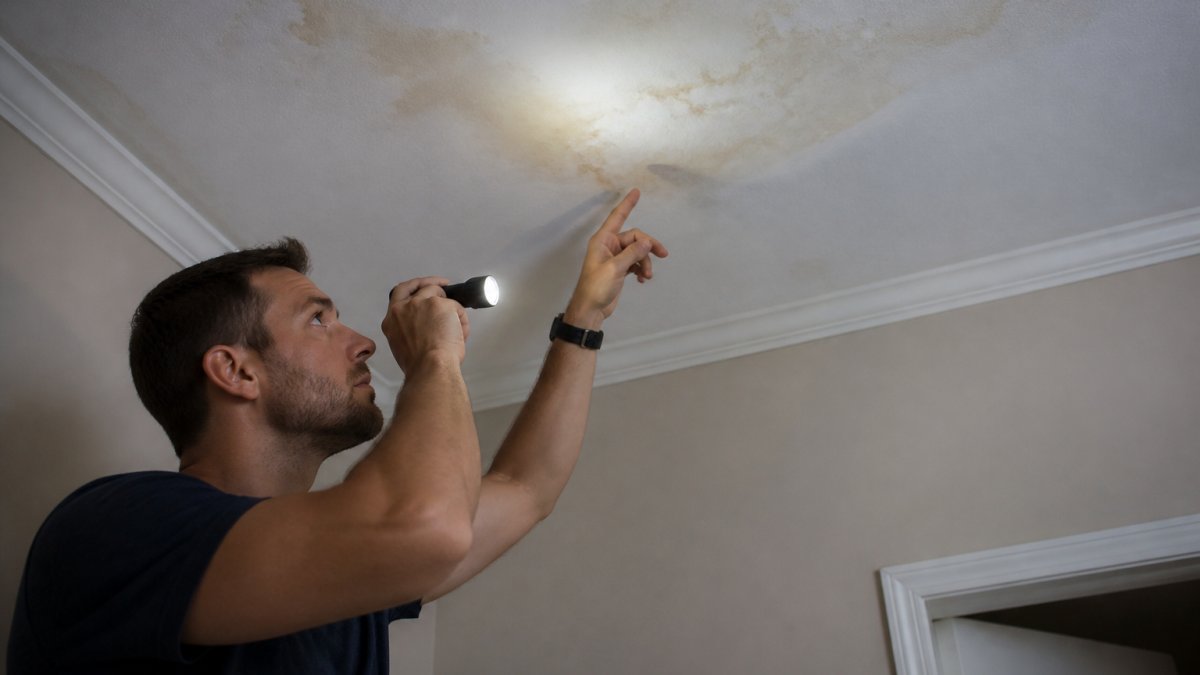
- Check for water stains on ceilings or walls
- Inspect deck or patio for rot or loose boards
- Monitor HVAC performance and listen for unusual sounds
Fall (before winter):
- Clean gutters and downspouts thoroughly
- Inspect chimney and flashing
- Check weatherstripping and caulking
- Test heating system before cold weather
- Trim tree branches away from roof and gutters
Winter:
- Monitor basement for leaks during heavy snow or rain
- Check attic for ice dams or leaks
- Inspect exposed pipes for freezing risk
- Monitor indoor humidity levels
Annual Deep-Dive Inspections
Once a year, conduct a thorough inspection of your home's major systems. This takes 2-3 hours but catches issues that monthly checks miss. Many homeowners schedule this in spring or fall when weather is mild.
Annual inspection checklist:
Roof and exterior:
- Walk the perimeter and look up at all sides of the roof
- Check for missing, cracked, or curling shingles
- Inspect flashing around chimneys, vents, and skylights
- Look for moss, algae, or debris buildup
- Check siding for cracks, rot, or peeling paint
Water systems:
- Inspect water heater for rust, leaks, or corrosion
- Check all visible plumbing connections
- Look under sinks and in the basement for signs of past or present leaks
- Test water pressure at multiple fixtures
- Inspect basement walls for water stains or efflorescence
HVAC system:
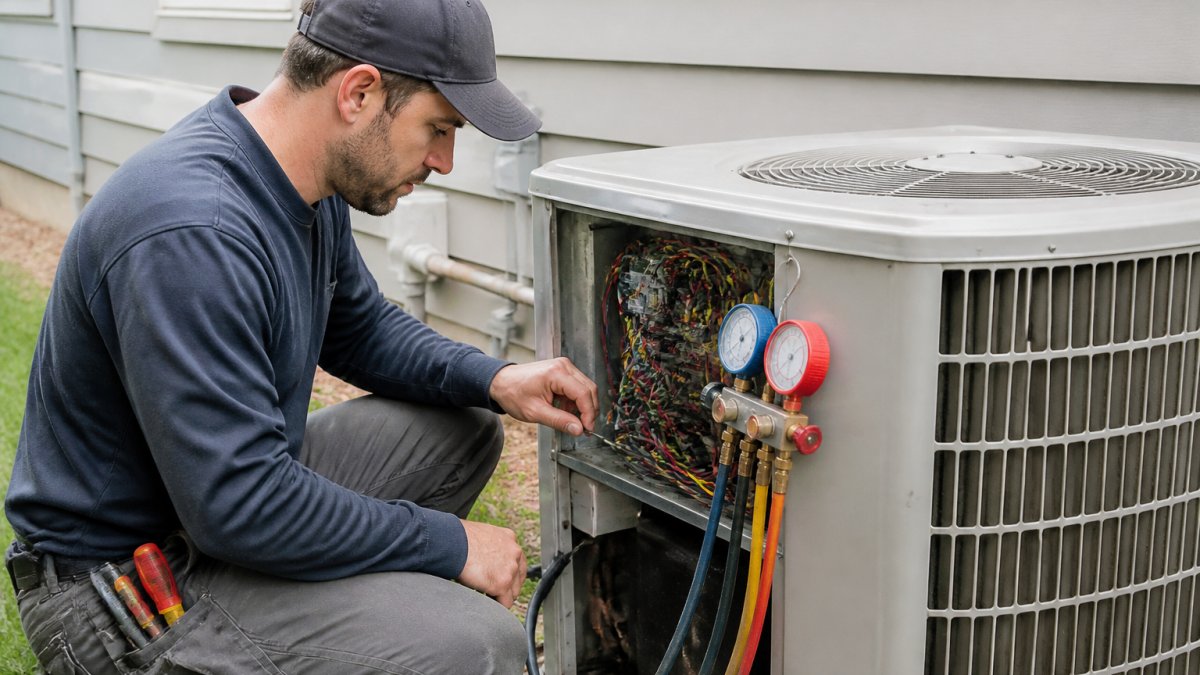
- Have your heating system professionally serviced annually
- Have your cooling system serviced before summer
- Check ductwork for visible damage or disconnections
- Inspect air intake vents for blockages
Electrical and safety:
- Test all GFCI outlets (especially in kitchens and bathrooms)
- Check circuit breaker panel for corrosion or loose connections
- Inspect fire extinguisher and verify it's charged
- Replace batteries in smoke detectors and carbon monoxide detectors
Structural:
- Look for cracks in foundation, basement walls, or crawl space
- Check for signs of settling or movement
- Inspect wooden beams or supports for rot
- Look for termite damage or wood-boring insect activity
Recognize Early Signs of Water Leaks Before They Spread
Water damage is the most expensive home problem because it compounds quickly and silently. A small leak today becomes structural damage and mold in weeks if left unaddressed. Knowing what to look for lets you catch leaks while they're still manageable.
Visual warning signs of water leaks:
- Discoloration, staining, or darkening on ceilings or walls
- Peeling paint or bubbling drywall
- Soft, spongy, or warped drywall or wood
- Musty odors in basements, crawl spaces, or enclosed areas
- Visible mold or mildew growth
- Water pooling in basements during or after rain
Hidden leak indicators:
- Unexplained increases in your water bill
- Soft spots in flooring, especially near bathrooms or kitchens
- Rust stains on pipes or water heater
- Dampness in walls or insulation (check by poking gently with a screwdriver)
- Foundation cracks with moisture seeping through
The key is acting fast. If you see any of these signs, don't wait. A leak that costs $300 to repair now could cost $3,000 in a month if mold develops or structural damage spreads.
Create a Home Maintenance Schedule That Fits Your Life
A maintenance schedule only works if you actually follow it. The best schedule is one you'll stick to, not the most comprehensive one you'll ignore.
Start simple. Pick three tasks you can do monthly without stress. Add seasonal checks as those become routine. Build gradually rather than overwhelming yourself with a massive list.
Sample monthly schedule for busy homeowners:
- Week 1: Replace furnace filter, test smoke detectors
- Week 2: Check basement for water or dampness
- Week 3: Inspect visible pipes under sinks
- Week 4: Review and document any issues noticed
Digital tools to track maintenance:
- Calendar app with recurring monthly reminders
- Simple spreadsheet listing each task and completion date
- Photo folder dated by month to track changes
- Notes app to record what you checked and what you found
Most homeowners benefit from having a professional handle the annual deep-dive inspection.
Use a Home Repair Estimate Checklist to Compare Quotes Fairly
When you do find a problem that needs professional repair, getting multiple estimates is standard practice. But comparing quotes fairly requires knowing what to look for. A low price might reflect poor quality, while a high price might include unnecessary work.
What to Include in Your Estimate Request
When you call contractors, provide the same information to each one. This ensures you're comparing apples to apples, not apples to oranges.
Information to give every contractor:
- Detailed description of the problem (include photos)
- Size or scope of the work (square footage, number of items, etc.)
- Timeline for when you need it done
- Any specific materials or methods you prefer
- Whether you need permits or inspections
Information you should request in every estimate:
- Detailed breakdown of labor and materials
- Timeline and duration of the work
- Warranty or guarantee on the work
- Licensing, insurance, and bonding information
- Payment terms and schedule
- Whether the price includes cleanup and disposal
Ask each contractor the same questions. Write down their answers. This creates a fair comparison and shows you're serious about evaluating their work objectively.
Red Flags in Contractor Quotes
Some estimates are warnings, not bargains. Watch for these patterns:
Price red flags:
- Estimate is significantly lower than others (often means cutting corners)
- Contractor pushes for immediate payment or large upfront deposits
- Vague pricing like "around $500" instead of specific figures
- No breakdown between labor and materials
Process red flags:
- Contractor gives an estimate without visiting your home
- They won't provide references or proof of licensing
- They pressure you to decide immediately
- They refuse to put the estimate in writing
- No mention of warranty or guarantee on the work
Communication red flags:
- Contractor is hard to reach or doesn't return calls promptly
- They minimize the scope of work without explanation
- They seem defensive when you ask questions
- They discourage getting multiple estimates
The best contractor isn't always the cheapest. It's the one who communicates clearly, provides detailed estimates, and backs their work with a guarantee.
Document Everything: Digital Records Keep You Accountable
Documentation serves two purposes: it protects you if something goes wrong, and it helps you track patterns over time. A homeowner with good records can spot recurring problems and address root causes instead of treating symptoms.
What to document:
- Date and description of every inspection or maintenance task
- Photos of any problems found (including date stamp)
- Contractor estimates and final invoices
- Receipts for materials and parts purchased
- Warranty information and guarantee terms
- Work completion reports and inspection results
Digital documentation system:
- Create a folder on your phone or cloud storage labeled "Home Maintenance"
- Take dated photos of any issues or completed repairs
- Keep a simple spreadsheet with date, task, cost, and contractor name
- Store all invoices and warranties in one place
- Add notes about what worked or didn't work
This record becomes invaluable if you ever sell your home. Buyers want to see that the home has been maintained. Documented maintenance increases your home's value and gives buyers confidence.
Common Maintenance Mistakes That Lead to Expensive Repairs
Most expensive home repairs could have been prevented. These mistakes appear repeatedly:
Ignoring small leaks. A drip under the sink seems minor until it rots the cabinet, damages the floor, and spreads to the wall. Address leaks immediately.
Skipping HVAC servicing. Your furnace and air conditioning system need annual maintenance.
Neglecting gutters. Clogged gutters cause water to overflow onto siding, into basements, and under foundations.
Delaying roof repairs. One missing shingle lets water into the attic. One leak becomes ten.
Putting off foundation cracks. Small cracks widen over time, especially in freeze-thaw climates.
Not documenting work. Without records, you forget what was done, when, and by whom. You can't spot patterns.
Trying to fix everything yourself. Some tasks require professionals.
Small problems compound into expensive emergencies when left unaddressed. Our flat-rate pricing and confirmed appointments remove the stress of coordinating multiple contractors. See Plans to learn how we help homeowners in the area stay ahead of maintenance and prevent costly repairs.
Frequently Asked Questions
How can homeowners catch small maintenance problems before they become expensive?
Regular inspections are the foundation. Check your home monthly for visible leaks, cracks, and unusual sounds. Test smoke and carbon monoxide detectors monthly, inspect roof flashing and gutters seasonally, and monitor your water heater for rust or leaks. Early detection of issues like water damage, HVAC problems, or foundation cracks can save thousands in repair costs. Keep digital records of all inspections and repairs to track patterns and prioritize what needs attention first.
What should a transparent home repair quote include?
A clear estimate must list the specific work to be performed, materials required with brand names and quantities, labor costs broken down by task, timeline for completion, warranty or guarantee terms, and total price without hidden fees. It should also specify whether the price is fixed or could change based on discoveries during work. Compare at least two quotes side-by-side using the same scope of work. Avoid vague language like 'miscellaneous repairs' or 'as needed', request itemized details so you understand exactly what you're paying for.
How often should you inspect your home for maintenance issues?
Monthly visual checks take 15 minutes and catch obvious problems like leaks, cracks, or pest damage. Seasonal inspections (spring, summer, fall, winter) focus on weather-specific concerns: roof condition before winter, AC servicing before summer heat, gutter cleaning before fall leaves, and heating system checks before cold weather. Annual deep-dive inspections by you or a professional should cover the foundation, electrical panel, plumbing, HVAC systems, and appliances. Document each inspection with photos and notes so you can track changes over time.
What's the best way to organize a home maintenance schedule?
Create a written or digital calendar that lists monthly, seasonal, and annual tasks with target dates. Group related tasks by season: spring gutter cleaning and roof inspection, summer AC service and landscape grading checks, fall furnace filter replacement and exterior caulking, winter water heater inspection and basement moisture monitoring. Set phone reminders two weeks before each task so you don't forget. Digital tools like spreadsheets or home maintenance apps let you attach photos, contractor contact information, and warranty details in one place, making it easy to track what's been done and what's pending.