 how-to
Preventative Home Maintenance for New Homes: Year 1 Guide
Table of Contents
- Why Preventative Maintenance Matters for New Homes
- New Home Maintenance Checklist: What to Do First
- Monthly Home Maintenance Tasks for New Homeowners
- Seasonal Home Maintenance Checklist Throughout Year One
- Home Maintenance Budget and Prioritization
- Common First-Year Mistakes and How to Avoid Them
- Frequently Asked Questions
Last Updated: October 9, 2026
Why Preventative Maintenance Matters for New Homes
A new home feels pristine, but without preventative home maintenance for new homes, small issues become expensive repairs within months.
New construction systems are untested under real-world conditions, so HVAC, roofing, plumbing, and electrical need monitoring during year one.
At Lone Eagle Home Services, we work with homeowners who discover too late that preventative action saves thousands.
This guide covers what to do in your first year as a new homeowner to protect your investment.
New Home Maintenance Checklist: What to Do First
The first 30 days set the tone. Before you unpack, establish a foundation for preventative home maintenance for new homes. New construction differs from a resale: materials are still curing, systems are being used for the first time, and your leverage lives inside a warranty clock that starts on closing day.

Understand How Your Builder Warranty Is Actually Structured
Most production builders use a tiered warranty, with tiers expiring at different times:
- Year 1, workmanship and materials: Covers most defects in how the home was built, from drywall cracks to improperly installed trim.
- Year 2, systems: Often covers the mechanical, electrical, and plumbing rough-ins (wiring, pipes, ducts behind the walls).
- Years 3-10, major structural: Typically limited to load-bearing elements and foundation issues, and usually defined narrowly.
Manufacturer warranties are separate: your furnace, water heater, appliances, roof shingles, and windows each carry their own coverage, often longer than the builder's workmanship tier. Read both side by side, because a defect may be covered by one and excluded by the other.
Build a Warranty and Documentation File
Create a physical binder and a cloud folder. Include:
- Original warranty paperwork and any addenda signed at closing
- The builder's written warranty claim procedure and the name of the assigned warranty contact
- Manufacturer warranties and model/serial numbers for HVAC, water heater, appliances, roof shingles, windows, and garage door opener
Timestamped photos establish a baseline. If a hairline drywall crack widens over six months, you can show it started small and progressed, supporting a workmanship claim instead of being dismissed as homeowner damage.
Know Your Reporting Deadlines
Deadlines vary by builder, but two windows recur:
- A short punch-list window (often 7-30 days after closing) for cosmetic and obvious items, paint touch-ups, missing hardware, scratched floors.
- A longer first-year window for defects that surface as the home is lived in, settling cracks, sticking doors, roof leaks, HVAC performance issues.
Put both dates in your calendar the day you close. Missing the punch-list window weakens your position.
Schedule Initial Inspections and Tests
Don't wait for problems. Schedule these in month one:
- Independent home inspection: A third-party inspector who didn't work for the builder catches items the punch list missed. Many owners hire one at the 10- or 11-month mark, just before the first-year warranty expires, to build a final claim list.
- Smoke and CO detector testing: Test every unit and confirm the manufacture date, detectors have a service life (typically 10 years for smoke, 5-7 for CO), and builders sometimes install units that sat in a warehouse.
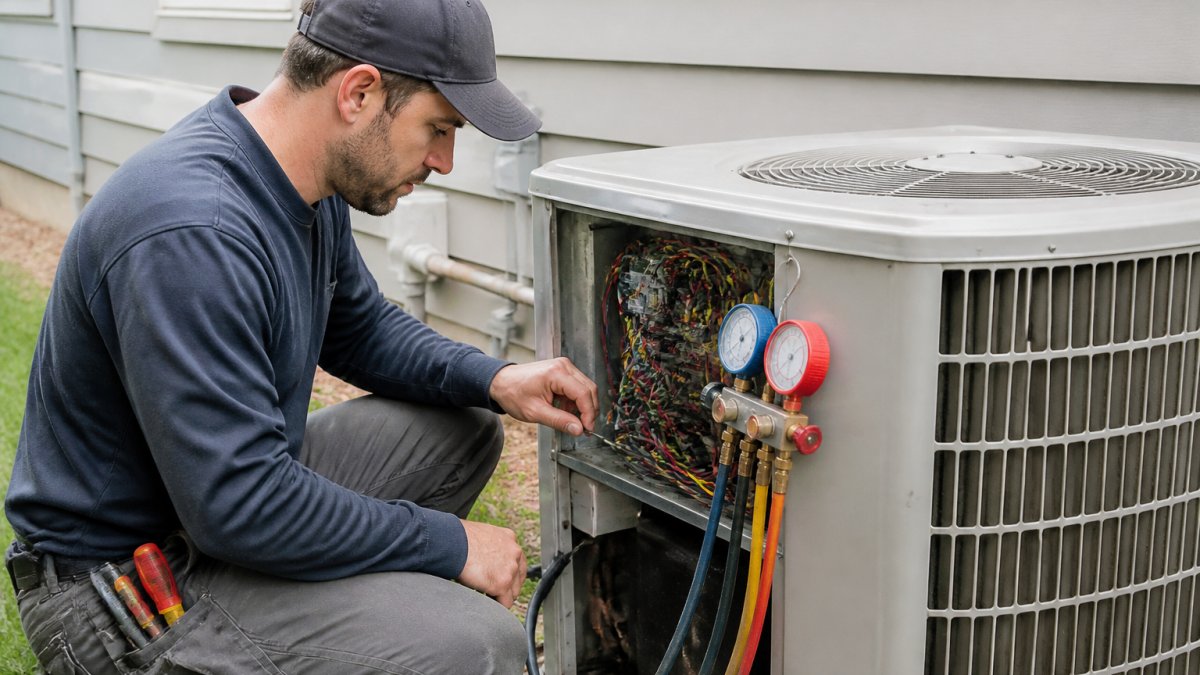
- HVAC check: Have a licensed technician verify refrigerant charge, airflow, and correct furnace/AC cycling. New installs can have undersized returns or unsealed duct joints.
Set Up a Simple Tracking System
No software needed, a four-column spreadsheet works:
- Date observed
- Description of the issue (with photo file name)
- Date reported to builder and method (email, portal, phone)
- Resolution status and date
Always report in writing, a phone call isn't a record. If the builder's portal doesn't generate a confirmation email, follow up with an email summarizing the conversation and keep the reply.
Monthly Home Maintenance Tasks for New Homeowners
Consistency prevents crisis. Set a monthly reminder for these quick checks.
HVAC and air quality:
- Replace furnace filters every 30 days (or per manufacturer guidance)
- Check air return vents for blockages or dust buildup
- Inspect visible ductwork for gaps or loose connections
Water and moisture:
- Check under sinks for leaks or water stains
- Test all faucets and fixtures for drips
- Look for water marks on ceilings or walls
Safety systems:
- Test smoke detectors and carbon monoxide detectors
- Check fire extinguisher pressure gauge
- Verify all doors and windows lock properly
Appliances:
- Clean dryer lint trap and inspect dryer vent for blockages
- Run dishwasher and washing machine on a cycle to check for leaks
- Inspect refrigerator seals and drainage
Exterior surfaces:
- Walk around the home's perimeter looking for cracks, gaps, or settling
- Check for peeling paint or exposed wood
- Look at gutters and downspouts for debris or damage
These tasks take 30 minutes monthly and catch problems when they're small.
Seasonal Home Maintenance Checklist Throughout Year One
Each season stresses your home differently. Align your seasonal home maintenance checklist with what nature demands.
Spring: HVAC and Exterior Preparation
Spring is when systems wake up after winter. Your heating system has run hard for months and needs attention before cooling season.
HVAC and heating:
- Schedule annual furnace servicing before the season ends
- Have the air conditioning system inspected and charged if needed
- Check all thermostats for accuracy
Exterior and roof:
- Inspect roof for winter damage, missing shingles, or debris
- Check flashing around chimneys, vents, and skylights
- Clean gutters and downspouts of winter debris
Landscaping and drainage:
- Check grading around the foundation, water should slope away
- Inspect downspout extensions to ensure water drains away from the home
- Look for erosion or pooling near the foundation
Summer: Roof, Gutter, and Cooling System Focus
Summer heat stresses cooling systems and exposes roof vulnerabilities, peak season for roofing failures and water intrusion.
Cooling system:
- Monitor thermostat settings and verify the air conditioning runs efficiently
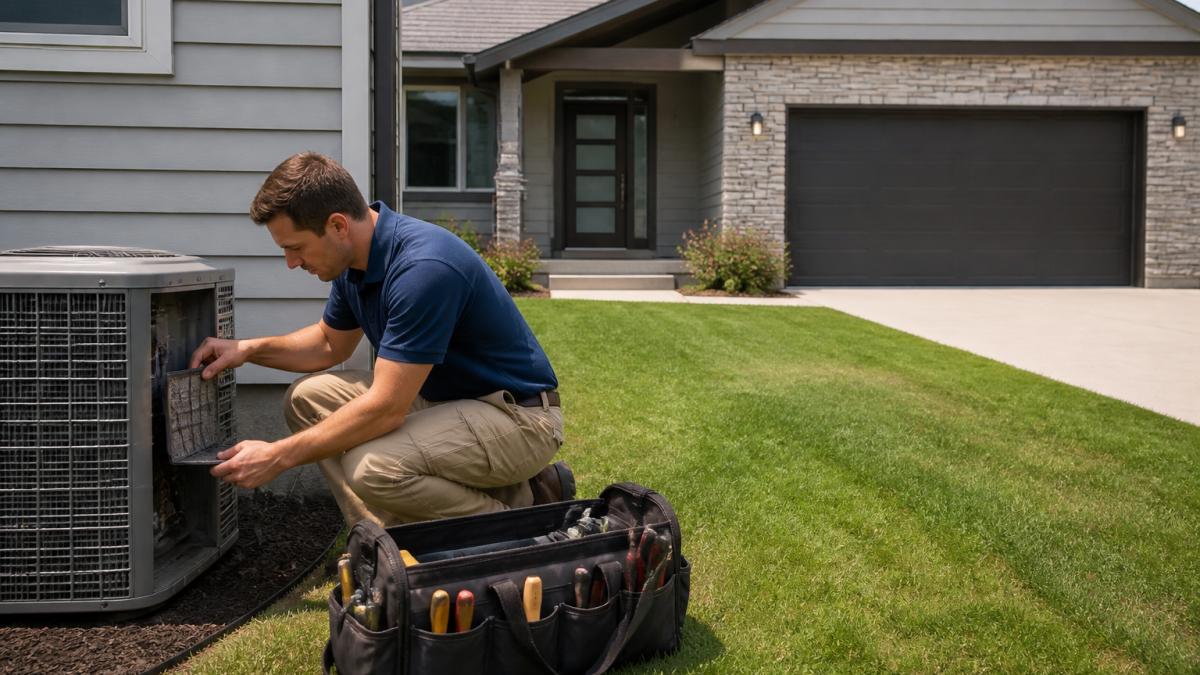
- Clean outdoor AC unit condenser coils
- Check refrigerant lines for leaks or corrosion
Roof and exterior:
- Visually inspect the roof from the ground or a safe vantage point for blistering, curling, or missing shingles
- Check for moss or algae growth on roof or gutters
- Inspect exterior caulking around windows and doors for cracks
Water and moisture:
- Monitor basement or crawlspace for humidity or water intrusion
- Check for water stains on ceilings or upper walls
- Test sump pump operation if your home has one
Fall: Heating System and Weatherproofing
Fall prepares your home for winter, the critical window to ready your heating system and seal against cold air infiltration.
Heating system:
- Schedule annual furnace inspection and cleaning before heating season
- Test the furnace to ensure it ignites and heats properly
- Check all thermostats and heating zones
- Inspect chimney for blockages or creosote buildup if you have a fireplace
Weatherproofing:
- Caulk and seal gaps around windows, doors, and exterior penetrations
- Check weatherstripping on doors and windows
- Inspect attic insulation for gaps or settling
- Seal any visible cracks in the foundation
Gutters and drainage:
- Clean gutters and downspouts of fall leaves
- Inspect gutters for sagging or separation
- Verify downspout extensions direct water away from the foundation
Exterior:
- Inspect exterior paint for peeling or damage
- Check siding for cracks, gaps, or rot
- Look for gaps around exterior outlets or vents
Winter: Interior Moisture and Heating Checks
Winter means constant heating and moisture problems. Monitor closely.
Heating system:
- Monitor furnace operation and thermostat accuracy
- Check for unusual noises or performance issues
- Inspect visible ductwork for leaks or separation
- Verify all heating vents are unblocked
Moisture and humidity:
- Monitor basement or crawlspace for condensation or water intrusion
- Check for frost or ice buildup in attic vents
- Look for condensation on windows, it signals humidity issues
- Inspect bathroom exhaust fans to ensure they vent outside
Interior inspection:
- Look for new cracks in drywall or plaster
- Check for water stains on ceilings or walls
- Inspect around plumbing penetrations for leaks
- Monitor appliances for unusual sounds or performance
Home Maintenance Budget and Prioritization
How much should you budget? Year one differs from year five: most early spending goes to inspections, filters, and small fixes, not replacements.
What Year One Typically Costs
Figures vary by market, size, and climate.
These are planning ranges, not quotes. Get local pricing before you commit.
A Priority Framework: Fix in This Order
When money or time is tight, rank tasks by the cost of failure, not ease.
Tier 1, Prevent catastrophic or safety failure (do immediately):
- Smoke and carbon monoxide detectors that fail testing
- Any active water leak, including slow drips under sinks or at the water heater
- Gas smells, furnace backdrafting, or CO alarm activation, leave the home and call the utility
- Roof leaks or missing flashing during or after a storm
Tier 2, Prevent expensive secondary damage (do within 30 days):
- Clogged gutters and disconnected downspouts that push water toward the foundation
- Grading that slopes toward the house
- Failed sump pump or missing backup
- HVAC filters past due, which strain the system and can void manufacturer coverage
Tier 3, Preserve warranty and value (do on schedule):
- Annual HVAC service
- Dryer vent cleaning
- Caulking and weatherstripping before heating season
- Documented inspections that support future warranty claims
Tier 4, Cosmetic and optional (do when budget allows):
- Paint touch-ups, landscaping upgrades, smart-home additions
The Math That Justifies the Spend
The comparison that matters is prevention versus repair. A furnace tune-up prevents a mid-winter failure. A gutter cleaning prevents fascia, soffit, and siding damage. A pre-warranty-expiration inspection often surfaces enough covered defects to pay for itself.
Track Spending So You Can Adjust
Keep a simple log of what you spend and when. After 12 months you'll know your home's rhythm, how often filters load up, how much your climate stresses the HVAC, whether your lot drains well. That data lets you shift budget toward the systems working hardest in your home instead of following a generic checklist.
Common First-Year Mistakes and How to Avoid Them
New homeowners make predictable, costly errors. Learn from them.
Mistake 2: Skipping professional inspections. Many homeowners assume the builder's work is correct.
Mistake 4: Neglecting roof and gutter maintenance. Debris in gutters backs water up and damages fascia, soffit, and siding.
Mistake 5: Ignoring water and moisture issues. Small leaks go unnoticed until mold or structural damage appears.
Preventative maintenance for new homes isn't optional, it's the difference between protecting your investment and watching it deteriorate.
At Lone Eagle Home Services, we help homeowners stay on top of seasonal tune-ups, routine maintenance, and vendor coordination so you don't juggle contractors or worry about missed deadlines.
Frequently Asked Questions
What preventative maintenance does a new home need in the first year?
New homes require routine maintenance including monthly air filter checks and replacements, seasonal HVAC servicing before heating and cooling seasons, smoke detector and carbon monoxide detector testing, gutter and downspout cleaning, roof and flashing inspections, water heater checks, and documentation of all systems. Even though new construction systems are under builder warranty, preventative maintenance helps catch early warning signs and prevents damage that could void coverage.
How often should you perform monthly home maintenance tasks on a new home?
Monthly home maintenance tasks should be performed consistently throughout the year. Key monthly checks include inspecting air filters, testing smoke and carbon monoxide detectors, checking for water leaks under sinks and around appliances, monitoring basement or crawl space for moisture, and visually inspecting exterior surfaces for damage. Setting reminders on your phone or calendar ensures you don't miss these routine maintenance steps that help prevent costly repairs later.
Does a new home need preventative maintenance if everything is under builder warranty?
Yes. Builder warranties typically cover manufacturing defects, not maintenance neglect. Skipping preventative maintenance can actually void warranty coverage if damage results from lack of routine care. Performing scheduled maintenance demonstrates you've maintained the home properly and protects your warranty claims. Additionally, catching small issues early, like a slow water leak or HVAC filter buildup, prevents them from becoming expensive problems that exceed warranty limits.
What's a realistic home maintenance budget for a new home's first year?
Budget depends on your home's size, systems, and climate. Plan for seasonal HVAC servicing, filter replacements, inspection services, and minor repairs. However, new homes typically need less in year one than older homes. Proactive maintenance through routine tasks prevents larger expenses, making preventative spending more cost-effective than reactive repairs.