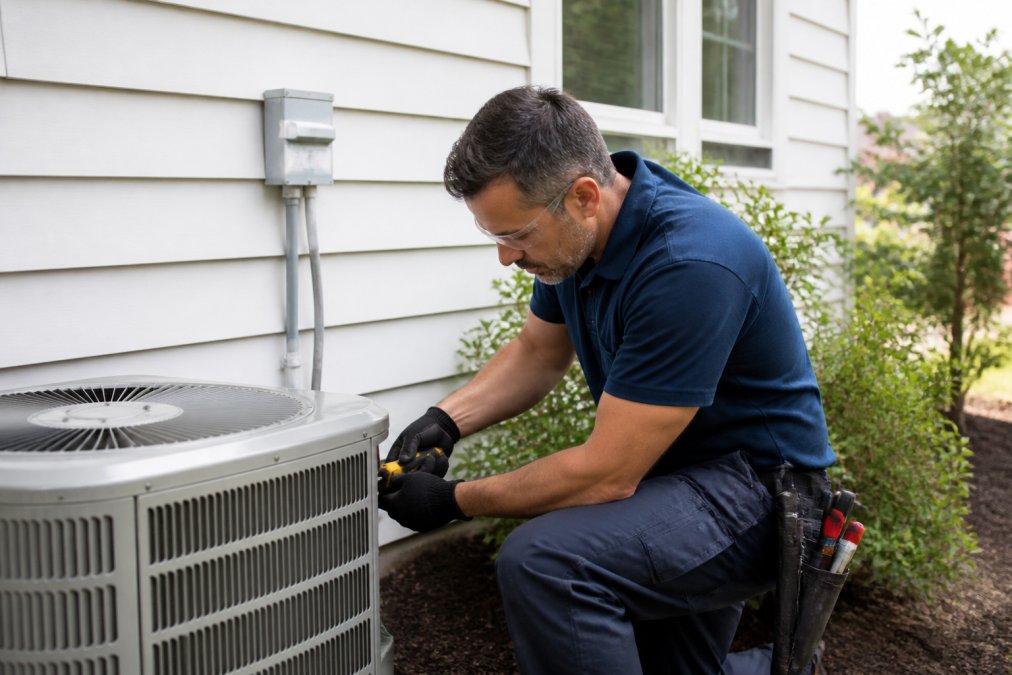
 ultimate-guide
Preventative Home Maintenance Checklist 2026
Table of Contents
- Why Preventative Home Maintenance Pays Off in 2026
- Your Seasonal Home Maintenance Schedule, Season by Season
- How to Detect Hidden Water Leaks in Walls Before They Spread
- DIY vs Professional Home Maintenance: Where to Draw the Line
- Smart Home Tools That Make Preventative Maintenance Easier
- Keeping a Home Maintenance Log That Actually Gets Used
- Conclusion
- Frequently Asked Questions
Last Updated: September 17, 2026
Why Preventative Home Maintenance Pays Off in 2026
A preventative home maintenance checklist 2026 is a season-by-season plan for inspecting, testing, and servicing the systems that keep a house safe and functional. It replaces reactive repairs with scheduled care. This guide from Lone Eagle Home Services covers what to check, when to check it, and where to stop and call a professional.
Your Seasonal Home Maintenance Schedule, Season by Season
A seasonal home maintenance schedule divides the year into four inspection windows, each targeting the systems most stressed by that season's weather. Spring and summer focus on water management and cooling. Fall and winter focus on heat retention, storm readiness, and freeze protection.
The table below summarizes the core tasks by season:
| Season | Primary Focus | Key Tasks | Frequency |
|---|---|---|---|
| Spring | Water and exterior | Gutter cleaning, roof shingle check, AC startup, window and door seal inspection | Once, after last freeze |
| Summer | Cooling and drainage | HVAC filter swap, sump pump test, caulking, exterior paint touch-up | Monthly filter checks |
| Fall | Heating and insulation | Furnace service, weatherstripping, insulation checks, chimney inspection | Once, before first freeze |
| Winter | Storm and freeze prep | Pipe insulation, smoke and CO detector test, ice dam watch, appliance check | Monthly safety checks |
Spring and Summer: Exterior and Cooling Systems
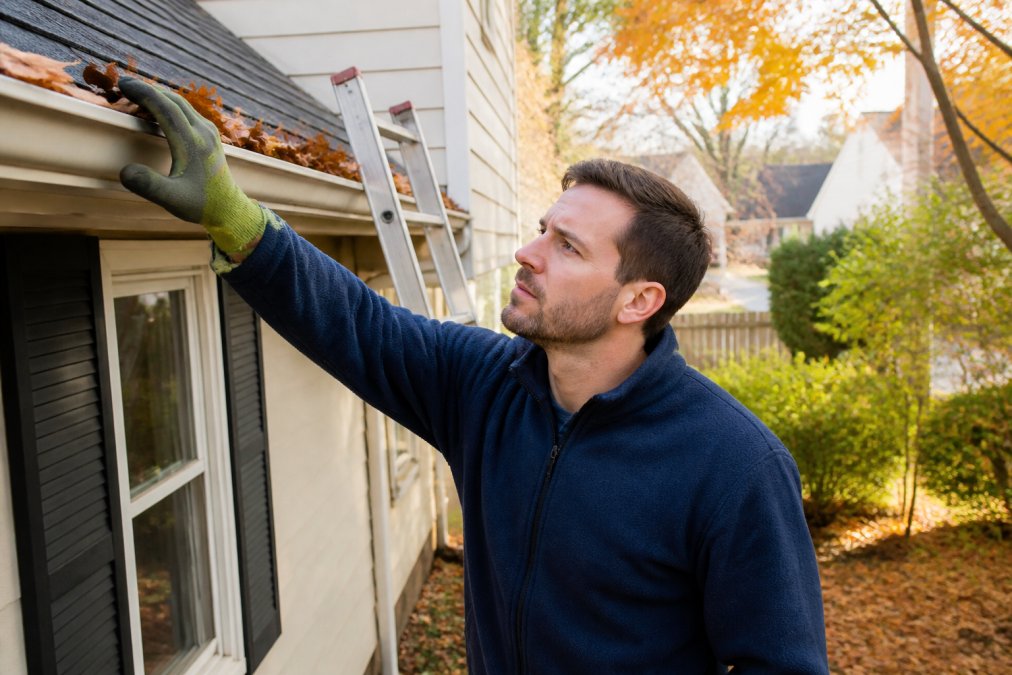
Spring is when winter damage becomes visible. Walk the roof line and look for lifted, cracked, or missing shingles, then clear gutters and downspouts of debris so drainage systems carry meltwater and rain away from the foundation. While you are on the ladder, check that downspouts discharge at least four to six feet from the foundation, a short splash block that dumps water against the wall undoes the value of the cleaning.
Fall and Winter: Heating, Insulation, and Storm Prep
Fall is your last window before freezing temperatures. Schedule a furnace or boiler service, seal gaps with caulking and weatherstripping, and check attic insulation for thin or compressed areas. A common benchmark is 10 to 14 inches of loose-fill insulation in most climate zones, though the right depth depends on where you live. Have the chimney inspected if you burn wood, and test the heating system before the first cold snap rather than during it.
Climate-Specific Adjustments Most Checklists Skip
A generic four-season schedule fails homeowners in regions with distinct weather patterns. Adjust the calendar to your climate:
- Hurricane and coastal zones: Add storm shutter or impact-window checks, roof strap inspections, and a pre-season generator test in late spring. Clear yard debris before the season starts, not after a watch is issued.
- Heavy snow-load regions: Prioritize roof snow-load awareness, ice dam prevention with proper attic ventilation and insulation, and heat tape on vulnerable pipes. Schedule a structural roof check in fall, not winter.
- Hot, dry climates: Shift exterior painting and caulking to spring and fall, inspect for foundation movement from soil shrinkage, and check irrigation systems for leaks before summer heat.
- Mixed-humid regions: Focus on crawl space moisture control, dehumidifier maintenance, and termite inspection timing tied to local swarm seasons.
How to Detect Hidden Water Leaks in Walls Before They Spread
Hidden water leaks in walls announce themselves quietly. Catching them early is the difference between a patch and a demolition. The signs below are the ones worth acting on immediately.
Signs You Should Never Ignore
- Musty odor in one room. A persistent smell that doesn't clear with ventilation usually means moisture is trapped behind drywall.
- Staining or bubbling paint. Brown rings, soft spots, or paint that flexes under light pressure point to water behind the surface.
- Warped baseboards or flooring. Wood swells when it stays wet. Cupping floorboards are a late-stage signal.
- Unexplained spikes in your water bill. A meter that keeps ticking when every fixture is off means water is escaping somewhere.
- Cool or damp patches on walls. Touch is an underrated diagnostic tool. A wall that feels colder than its neighbors may be saturated.
The U.S. Environmental Protection Agency's guidance on household water notes that undetected leaks waste significant water and can drive mold growth. If you find a leak behind a wall, the repair itself is usually straightforward. The mold remediation that follows a slow, months-long leak is not.
DIY vs Professional Home Maintenance: Where to Draw the Line
DIY vs professional home maintenance comes down to three questions: does the task involve a system that can hurt you, does it require a permit, and will a mistake be expensive to reverse?
Smart Home Tools That Make Preventative Maintenance Easier
Smart home integration has changed what homeowners can monitor without being present. Water leak sensors placed near water heaters, under sinks, and beside the sump pump send an alert the moment moisture appears. Smart thermostats flag HVAC systems that are running longer than usual for the same temperature, an early sign of declining efficiency.
- Water leak sensors for the water heater, laundry, and under-sink cabinets
- Smart smoke and carbon monoxide alarms that report status to your phone
- Smart thermostats that surface runtime anomalies
- Sump pump monitors that alert on cycle failures
Keeping a Home Maintenance Log That Actually Gets Used
A home maintenance log works when it lives where you already look, not in a drawer. Keep a simple record of what was done, when, by whom, and what it cost. That history does three things: it prevents duplicate work, it gives any future contractor context, and it supports your property value at resale.
A Copy-Ready Log Template
Use this structure for every entry. Copy it into a spreadsheet, a notes app, or a shared document, the format matters less than the consistency.
| Field | What to Record |
|---|---|
| Date | Date of service or inspection |
| System or area | HVAC, plumbing, roof, electrical, exterior, appliance |
| Task performed | Specific action taken (e.g., "replaced 16x25x1 filter," "resealed master bath caulk") |
| Performed by | Self or contractor name and license number |
| Cost | Parts and labor, itemized if possible |
| Warranty | Coverage terms and expiration date |
| Next service due | Date or interval for the next action |
| Notes | Anything unusual observed, slow drain, hairline crack, odd noise |
Why the Log Matters at Resale
When you sell, buyers and their inspectors ask for service history. A documented record of HVAC servicing, roof inspections, and plumbing work signals a well-maintained home and can reduce negotiation friction. Some buyers treat a complete log as evidence that deferred maintenance is not hiding in the walls. Keep receipts and warranty documents alongside the log entries, a warranty you cannot prove is a warranty you cannot use.
Making the Log Stick
Most logs fail for the same reason gym memberships do: the entry happens too far from the event. Three habits fix that:
- Log at the moment of service, not at the end of the month. A phone note takes thirty seconds.
- Set a recurring calendar reminder for each system's next service interval so the log drives the schedule instead of trailing it.
- Ask every contractor for a written or digital service report and file it the same day. If a professional team handles your maintenance, request the report automatically after each visit.
Conclusion
The hardest part of preventative maintenance is not the work. It is the consistency, the scheduling, and the follow-through when life gets busy. Small tasks slip, and slipping tasks become expensive repairs.
Frequently Asked Questions
What is the most important home maintenance task to perform annually?
If you only do one thing, schedule a professional home inspection each year. An inspector checks the roof, foundation, electrical panel, plumbing, and HVAC system in one visit, catching small issues before they become expensive repairs. Pair that with a preventative home maintenance checklist so nothing gets missed between inspections. Annual reviews also protect your property value because buyers and appraisers see documented care.
How does preventative maintenance increase home value?
Consistent upkeep keeps the structural integrity, energy efficiency, and appearance of your home intact. A well-maintained roof, sealed windows, and functioning HVAC system signal to buyers that the home has been cared for, which supports a higher asking price. Routine repairs also prevent small problems, like a slow leak or cracked caulking, from turning into water damage that lowers your home's value and complicates a sale.
What should be included in a seasonal home maintenance schedule?
A solid seasonal home maintenance schedule covers four areas each quarter: HVAC filter replacement and system checks, smoke and carbon monoxide alarm testing, plumbing and leak detection, and exterior tasks like gutter cleaning, roof shingle inspection, and caulking. Add seasonal items such as sump pump testing before spring rains and insulation checks before winter. Keep the schedule in a maintenance log so you can track what was done and when.
How often should you inspect your home for hidden water leaks?
Check for hidden water leaks at least twice a year, ideally in spring and fall, and immediately after any major storm. Look for warning signs like musty odors, discolored drywall, peeling paint, or a spike in your water bill. If you spot any of these, call a professional to confirm the source. Early detection prevents mold growth and structural damage that can cost thousands to repair.
Is it better to hire a professional for home maintenance or do it yourself?
It depends on the task. Filter replacement, smoke detector testing, and gutter cleaning are safe DIY jobs. Anything involving the electrical panel, gas appliances, roof work, or foundation cracks should go to a licensed professional. A membership-based service can handle both the routine checklist items and the coordination of specialist vendors, which saves time and reduces your homeowner liability risk.
What are the signs that a home needs immediate maintenance?
Call a professional right away if you notice water stains on ceilings or walls, a sudden jump in utility bills, soft spots in floors, cracks wider than a quarter inch in the foundation, or a furnace that smells like gas. These signal active problems, not routine wear. Delaying repairs on structural or safety issues raises costs fast and can put your family at risk.
Does a preventative home maintenance checklist make sense for a newer home?
Yes. New homes still need filter replacement, caulking checks, gutter cleaning, and annual HVAC service. Builder warranties often require documented maintenance, and skipping it can void coverage on appliances or the roof. A 2026 checklist keeps a newer home on schedule so small warranty items get fixed before coverage expires, and it builds a maintenance log that helps at resale.