 ultimate-guide
How to Create a Seasonal Home Maintenance Schedule
Table of Contents
- Why a Seasonal Home Maintenance Schedule Matters
- Spring Home Maintenance Checklist: What to Inspect and When
- Summer Tasks: Preparing Your Home for Heat and Storms
- Fall Home Maintenance Checklist: Preparing for Winter
- How to Winterize a Vacation Home and Protect Your Investment
- Building Your Home Maintenance Checklist Template and Tracking System
- Frequently Asked Questions
Last Updated: October 3, 2026
Why a Seasonal Home Maintenance Schedule Matters
A seasonal home maintenance schedule prevents expensive repairs by catching problems before they cascade. Without a structured plan, homeowners miss critical maintenance windows, leaving properties vulnerable to weather damage, system failures, and costly emergency repairs.
Your home has seasonal demands: winter requires weatherproofing and heating checks; spring demands gutter cleaning and foundation inspection; summer stresses cooling systems and exteriors; fall prepares for winter. Each season's tasks, done on time, prevent cascading failures.
Skipping maintenance cascades: a clogged gutter becomes foundation damage becomes a five-figure repair. A skipped furnace tune-up becomes a mid-winter breakdown when service calls cost 40% more.
At Lone Eagle Home Services, we work with homeowners who've learned that a proactive approach eliminates the need to juggle multiple independent contractors, prevents small problems from becoming expensive issues, and keeps homes functioning reliably. The goal is doing the right work at the right time.
Spring Home Maintenance Checklist: What to Inspect and When
Spring demands attention to systems that weathered cold months and exterior areas damaged by freeze-thaw cycles.
Inspect your roof for missing shingles, damaged flashing, and debris. Clean gutters thoroughly, clogged gutters are the fastest path to water damage. Check for ice dam damage along roof edges and soffits.
Walk the foundation perimeter for new cracks, especially horizontal ones indicating settling. Replace deteriorated caulk around windows and doors before heavy rains. Test outdoor faucets and hose connections for leaks.
Test smoke and carbon monoxide detectors and replace batteries. Have your furnace inspected and cleaned to ensure your air conditioning system is ready for summer.
Inspect basement and crawl spaces for efflorescence, staining, or moisture. Spring snowmelt stresses these areas, identify moisture sources before they worsen.
Summer Tasks: Preparing Your Home for Heat and Storms
Summer maintenance focuses on systems stressed by heat and preparing for severe weather before storm season peaks.
Air Conditioning System Inspection and Tune-up
Have an HVAC technician inspect refrigerant levels, clean coils, check electrical connections, and verify thermostat calibration before peak season.
Clear debris and vegetation at least two feet around the outdoor unit. Turn off power, remove leaves and grass, and straighten bent fins with a fin comb. Do not use a pressure washer.
Dryer Vent Cleaning and Fire Prevention
Clean your dryer vent thoroughly, lint buildup causes about 34% of dryer fires annually. Use a dryer vent brush kit to clean from the outside vent back through ductwork.
Inspect flexible foil ducts for damage or crushing. Replace flexible ducts every 5-7 years; rigid metal ducts last indefinitely if maintained.
Sump Pump Testing and Backup Power Verification
Test your sump pump by pouring water into the pit and confirming it drains. Verify backup power works.
If your sump pump is more than 7 years old, consider professional inspection. Emergency replacement is typically more costly than proactive replacement.
Exterior Wood and Deck Inspection
Inspect exterior wood for rot, peeling paint, and damage. Small rot areas are often DIY repairs; large or structural rot requires professional assessment.
Seal or stain wood surfaces to maintain protection. If unsure about structural integrity, hire a professional.
Outdoor Electrical and Lighting Systems
Test outdoor lighting and security cameras. Check GFCI outlets by pressing the test button. If power doesn't cut, the circuit is faulty and requires professional inspection.
Inspect outdoor wiring for damage. Do not repair outdoor electrical systems yourself unless licensed, water and electricity create fire and shock hazards.
Summer Storm Preparation and Severe Weather Readiness
Trim tree branches over your roof or near power lines. Hire a professional arborist for large branches. Secure outdoor items that can become projectiles in high winds.
Verify homeowner's insurance covers storm damage and policy limits are adequate. Document your home's condition with photos for insurance purposes.
Fall Home Maintenance Checklist: Preparing for Winter
Fall is your critical preparation window, systems that fail in cold weather become emergency calls.
Schedule a professional furnace tune-up and inspection before October. A technician will clean the heat exchanger, inspect the blower motor, and verify safe operation.
Drain and shut off outdoor water systems. Disconnect hoses, drain faucet lines, and shut off exterior valves. Have sprinkler systems professionally blown out and winterized.
Inspect and repair weatherstripping and caulking around windows and doors. Seal air leaks before heating season to reduce energy costs.
Clean gutters and inspect for damage. Verify downspouts direct water at least four feet from your foundation.
Inspect your roof for damaged shingles, gaps in flashing, and water entry points. Small repairs now prevent winter water damage.
Test your heating system after the furnace tune-up. Verify warm air reaches all rooms and identify any areas that don't heat properly.
Inspect basement and crawl space drainage. Verify sump pumps and backup power sources work.
How to Winterize a Vacation Home and Protect Your Investment
Winterizing a vacation home requires more aggressive steps because the home sits unoccupied during its most vulnerable season.
Shut off the main water supply and drain all lines, hot and cold. Open all faucets and drain the water heater completely to prevent frozen pipes from bursting inside walls.
Pour non-toxic RV antifreeze into toilets, sinks, and shower drains to prevent freeze damage and seal out sewer gases.
Shut off gas service or ensure your gas water heater and furnace are winterized. Draining systems is safer than leaving heat on at low settings.
Inspect and weatherproof all entry points. Seal gaps around doors, windows, and utility penetrations. Rodents and insects seek shelter in vacant homes. Caulk and weatherstrip aggressively.
Set your thermostat to a minimal heating level if you choose to leave heat on, or shut it off completely after draining all water. Verify your backup heating system works if you have one.
Arrange for periodic inspection during winter. Whether you hire a local property manager or arrange with a neighbor, someone should check your home monthly. Winter storms can cause sudden damage, and early detection prevents minor issues from becoming catastrophic.
Remove or drain anything that holds water, bird baths, planters, fountains. Frozen water expands and damages containers and surrounding structures.
Building Your Home Maintenance Checklist Template and Tracking System
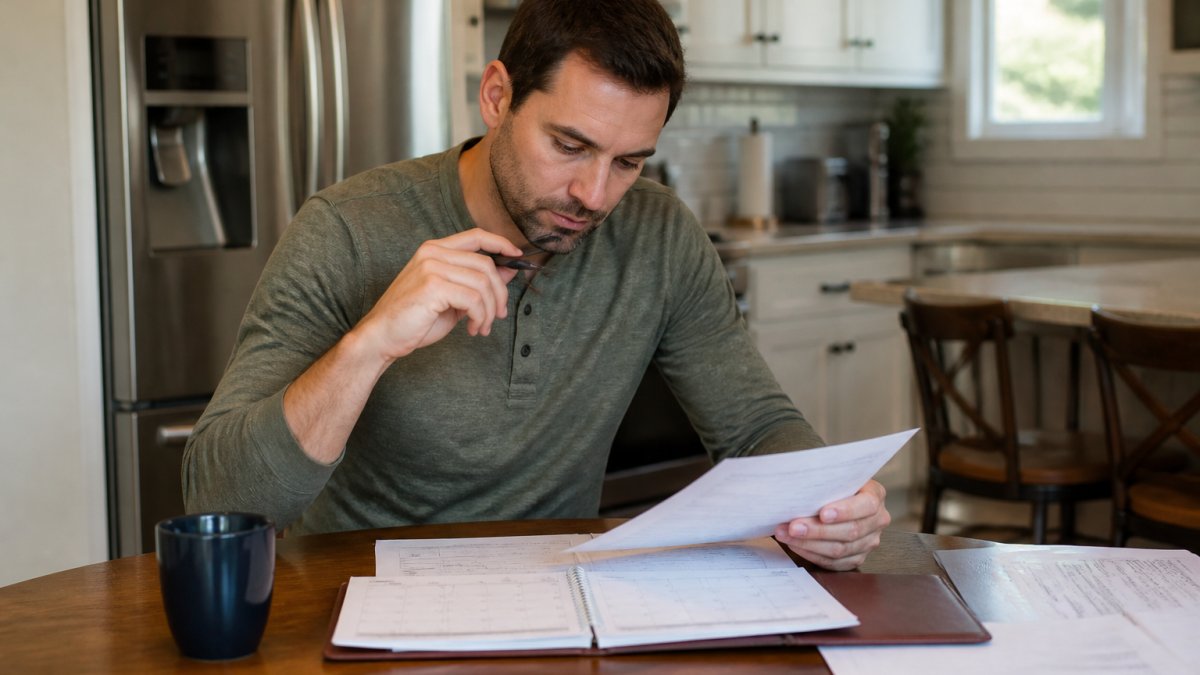
A home maintenance schedule only works if you actually use it and budget for it. The best template integrates three elements: a task calendar, a maintenance budget, and a safety decision framework that tells you when to DIY versus when to call a professional.
Creating Your Annual Maintenance Budget
Before you create a task list, establish a maintenance budget. Home maintenance experts recommend setting aside a percentage of your home's purchase price annually for maintenance and repairs. This range accounts for regional climate differences, home age, and system condition.
Break your annual budget by season. This prevents surprise expenses and ensures you have funds available when contractors are busiest and prices peak.
Track actual spending against budget. If you consistently overspend in one season, adjust next year's allocation. If you underspend, you're either deferring maintenance (risky) or your home is in better condition than expected.
Essential Tools and Supply Inventory
Most homeowners lack basic tools to handle routine maintenance tasks. Before your first seasonal cycle, assemble a maintenance toolkit so you can execute DIY tasks without emergency hardware store trips:
Essential Hand Tools ($80-120 total):
- Cordless drill-driver (DeWalt, Makita, or Milwaukee; $60-100)
- Adjustable wrench set ($15-25)
- Screwdriver set (Phillips and flathead, $10-15)
- Claw hammer ($12-18)
- Tape measure (25-foot; $8-12)
- Flashlight or headlamp ($15-25)
- Level (2-foot; $15-25)
- Utility knife ($8-12)
Seasonal Supplies to Stock ($100-150):
- Caulk and caulking gun ($20-30)
- Weatherstripping tape ($10-15)
- Wood filler and wood stain ($20-30)
- Furnace filters (keep 2-3 on hand; $30-50)
- Dryer vent brush kit ($15-25)
- Fin comb for AC coils ($10-15)
- Non-toxic RV antifreeze for vacation home winterization ($15-20)
- Smoke and carbon monoxide detector batteries ($15-25)
Cleaning and Inspection Supplies ($50-80):
- Pressure washer rental (when needed; $50-80/day) or garden hose with spray nozzle
- Gutter scoop or small shovel ($12-18)
- Ladder (6-8 foot; $40-80 one-time purchase)
- Work gloves and safety glasses ($15-20)
This eliminates the excuse "I don't have the right tools" and makes seasonal tasks manageable.
Building Your Tracking Template
Create a simple format, either digital or printed, that shows the task, the recommended season, and space to record completion. A spreadsheet works well: columns for Task, Season, Frequency, Estimated Cost, Last Completed Date, Next Due Date, and Notes.
For each task, note whether it's DIY-safe or requires a professional. This prevents costly mistakes and liability issues.
Safety Decision Framework: DIY vs. Professional
The biggest gap in most maintenance guides is clarity on when to call a professional. Here's a practical framework:
Always Hire a Professional:
- Electrical work beyond testing GFCI outlets (risk of fire, shock, code violations)
- Refrigerant handling for AC systems (EPA certification required)
- Gas appliance repairs or inspection (carbon monoxide risk)
- Roof work above one story (fall risk; most homeowners' insurance won't cover DIY roof injuries)
- Structural repairs or foundation cracks wider than 1/4 inch (liability and safety)
- Asbestos or mold remediation (health hazard)
- Plumbing work involving main water shutoff or sewer lines (code compliance, property damage risk)
Safe DIY Tasks (with proper precautions):
- Gutter cleaning (use a stable ladder, wear gloves, have someone spot you)
- Dryer vent cleaning (turn off power first)
- GFCI outlet testing
- Furnace filter replacement (turn off system first)
- Caulking and weatherstripping
- Exterior wood staining or sealing
- Sump pump testing
- Smoke and carbon monoxide detector battery replacement
Hire a Professional If:
- The task requires specialized tools you don't own and won't use again
- You're unsure about the scope or your ability to complete it safely
- The task involves heights above 6 feet or confined spaces
- Mistakes could damage your home or void a warranty
- Your homeowner's insurance requires professional installation or inspection
Assigning Responsibility and Tracking Completion
If you're managing the schedule yourself, set calendar reminders 2-3 weeks before each seasonal window. If you're delegating tasks to contractors or a service provider, verify they've completed work and file their reports.
Update your schedule annually. Note what worked, what didn't, and what tasks revealed problems. If a gutter cleaning revealed roof damage, add a roof inspection to your spring routine. If a furnace tune-up identified a refrigerant leak, schedule a follow-up inspection.
Maintaining Records for Resale and Insurance
Keep records of all maintenance and repairs. These documents prove you've maintained your home, which increases resale value and helps insurance companies understand your risk profile.
Create a simple folder (physical or digital) organized by year and system. Include:
- Service invoices and receipts
- Warranty documentation
- Inspection reports
- Photos of completed work
- Dates and descriptions of DIY tasks
When you sell your home, provide this documentation to the buyer. It demonstrates responsible ownership and can justify your asking price.
Frequently Asked Questions
How often should I perform seasonal home inspections?
Plan a comprehensive inspection at the start of each season, spring, summer, fall, and winter. Spring and fall are critical because they mark major weather transitions. During spring, check for winter damage to your roof, siding, and foundation. In fall, prepare systems for cold weather. Summer and winter inspections focus on maintaining what you've already tuned up. Monthly walk-throughs of high-risk areas like basements and attics help catch small issues before they become expensive.
What should a seasonal home maintenance checklist template include?
A solid template covers HVAC systems, gutters, exterior siding, roof condition, smoke and carbon monoxide detectors, water leak detection points, weatherstripping and caulking, drain clearing, sump pump testing, dryer vent cleaning, and outdoor faucet winterization. Organize by season so spring tasks don't mix with winter prep. Add columns for dates completed, contractor notes, and cost. Include a notes section for each system so you track when work was done and what condition things were in, this history prevents repeated repairs and helps you budget.
Is a home repair membership service worth it if I prefer handling maintenance myself?
A membership service adds value beyond just repairs. It provides accountability, professional inspections you might miss, vendor coordination, and flat-rate pricing without surprise costs. Even if you're handy, proactive seasonal tune-ups from licensed technicians catch problems in HVAC filters, furnace efficiency, and structural issues that require specialized equipment. The real benefit is having one trusted team for all maintenance and vendor coordination, who remembers your home's history and schedules proactive maintenance before emergencies happen, saving time and preventing costly reactive repairs.
What's the most overlooked home maintenance task?
Dryer vent cleaning and gutter maintenance rank highest. Clogged dryer vents reduce efficiency and create fire hazards, yet homeowners rarely check them. Gutters filled with debris prevent proper water drainage, leading to foundation damage and roof leaks that cost thousands to repair. Thermostat calibration and sump pump testing are also commonly skipped. These tasks seem minor until they cause major damage. Building them into your seasonal checklist prevents the expensive problems that start small and compound over months.