 ultimate-guide
Preventative Home Maintenance for Seasonal Homeowners
Table of Contents
- Why Preventative Home Maintenance Is Critical for Seasonal Homes
- The Seasonal Homeowner's Maintenance Framework
- Spring and Summer: Reopening and Moisture Control
- Fall and Winter: How to Winterize a Seasonal Home
- A Second Home Maintenance Checklist for Every Visit
- Remote Home Management for Seasonal Owners
- Seasonal Home Maintenance Tips 2026: Professional vs. DIY
- Common Mistakes to Avoid in Preventative Maintenance
- Frequently Asked Questions
Last Updated: September 5, 2026
Why Preventative Home Maintenance Is Critical for Seasonal Homes
A seasonal home sits empty for months at a time, which means small issues go unnoticed until they become costly emergencies. Preventative home maintenance for seasonal homeowners is the practice of performing scheduled inspections and upkeep before problems escalate, protecting both the property's condition and its value. For owners who split time between residences, this proactive approach is not optional; it is the only reliable way to avoid returning to water damage, pest infestations, or failed systems.
At Lone Eagle Home Services, we understand the challenges when a property is left unattended for extended periods. A slow plumbing leak can warp floors. A clogged gutter can send water into the foundation. A rodent can chew through wiring in a single winter. The cost of prevention is almost always a fraction of the cost of repair, and the stress of managing repairs from a distance is entirely avoidable.
The core principle is simple: treat your seasonal home with the same routine care you give your primary residence, but on a compressed schedule tied to your visits.
The Seasonal Homeowner's Maintenance Framework
Effective preventative maintenance for a seasonal property follows a clear framework built around your occupancy calendar. Rather than reacting to problems when you arrive, you plan maintenance around three distinct phases: closing, opening, and in-season monitoring.
Preventative home maintenance is a scheduled system of inspections, cleaning, and servicing designed to catch deterioration early and extend the life of home systems. The framework below organizes that work into manageable intervals so nothing falls through the cracks.
| Phase | Timing | Primary Focus | Typical Duration |
|---|---|---|---|
| Closing | End of season | Winterization, drainage, pest prevention | 1-2 days |
| Opening | Start of season | Safety checks, appliance testing, moisture inspection | 1 day |
| In-Season | Monthly visits | Filters, detectors, quick visual sweeps | 2-4 hours |
This structure ensures that every critical system receives attention at the right time, not just when something breaks.
Spring and Summer: Reopening and Moisture Control
Spring reopening is when you discover what winter did to your home. The first walkthrough should focus on moisture intrusion, since water damage is the most common and most destructive issue facing seasonal properties.
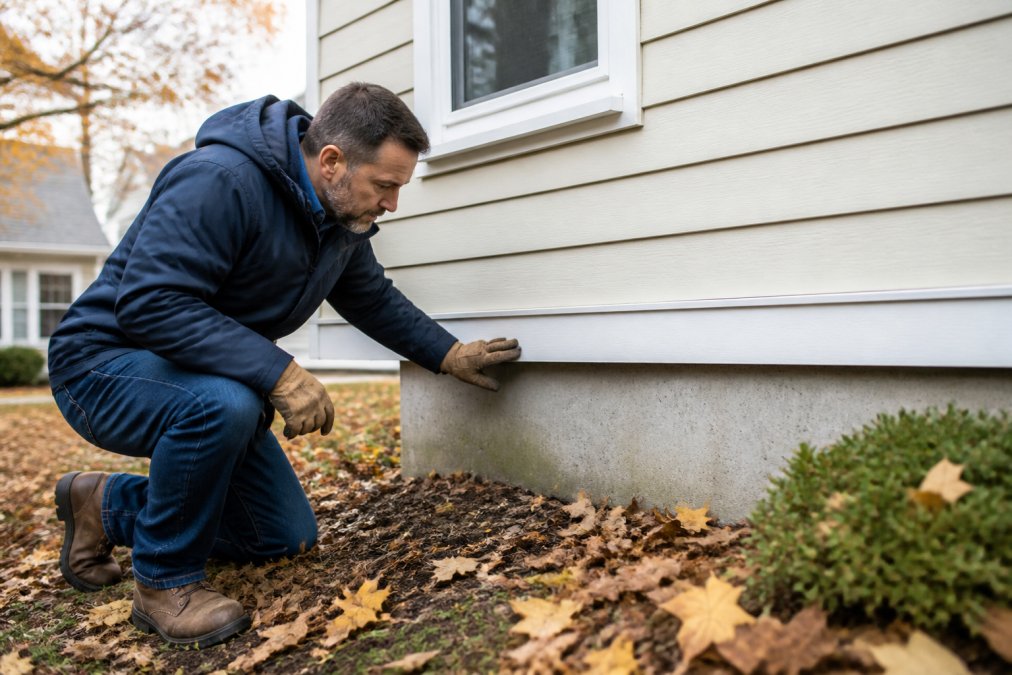
Start outside and work inward. Check the roof for missing shingles or damage from ice dams. Examine the exterior siding and foundation for cracks where water could enter. Look for signs of pest activity, including droppings, chewed wood, or nests near entry points. Inside, check ceilings and walls for water stains that indicate leaks from the winter months.
Moisture control extends to the basement or crawlspace. Run a dehumidifier continuously during humid months and check for standing water or musty odors. If your property has a sump pump, test it by pouring water into the basin to confirm the float triggers properly.
Post-Shutdown Inspection and Appliance Maintenance
Appliances that sat unused for months need attention before regular use. Inspect the refrigerator and freezer for mold or spoiled food left behind. Clean the coils and confirm the temperature settings are correct. Run the washing machine through an empty cycle with a cleaner to flush stagnant water from the lines.
The water heater should be checked for leaks and sediment buildup. Flushing the tank annually removes mineral deposits that reduce efficiency and shorten the unit's lifespan (energy.gov). Test the pressure relief valve by lifting the lever briefly; water should discharge, then stop when you release it (homedepot.com).
Fall and Winter: How to Winterize a Seasonal Home
Learning how to winterize a seasonal home properly is the single most valuable skill for a part-time property owner. A poor closing leaves the home vulnerable to freezing pipes, roof damage, and animal intrusion for the entire off-season.
The process begins with the water system, which is the highest-risk area. Shut off the main water supply and drain all lines by opening every faucet and flushing toilets until no water remains. Pour antifreeze into toilet bowls and traps to prevent residual water from freezing. Drain the water heater and shut off its gas or electric supply.
Pipes, Gutters, and the Roof Before the First Freeze
Protecting pipes requires more than draining. Insulate exposed lines in the basement, crawlspace, and exterior walls. Even with the system drained, residual moisture can freeze and crack fittings. For extra protection, keep the thermostat set to at least 50 degrees Fahrenheit, which maintains enough warmth to protect interior walls without excessive energy use (energystar.gov).
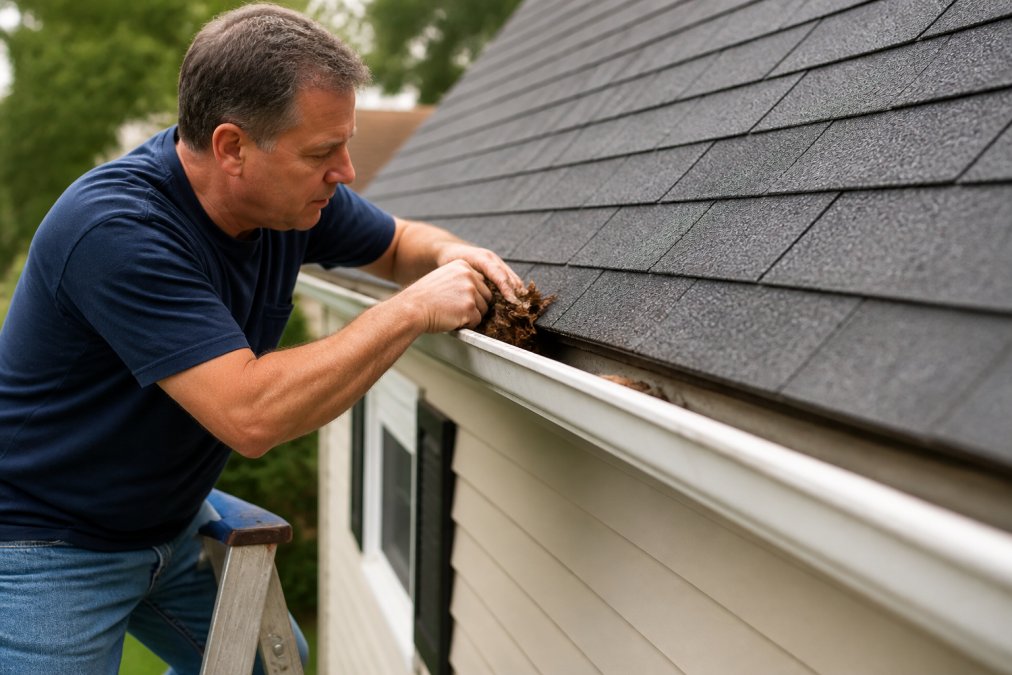
Gutters and downspouts must be completely clear of leaves and debris before winter. Clogged gutters cause ice dams, which lift shingles and allow water to back up under the roof. After cleaning, confirm downspouts direct water at least several feet away from the foundation. This simple step prevents the majority of winter foundation issues.
The roof itself needs a visual inspection from the ground or with binoculars. Look for loose, lifted, or missing shingles, and check flashing around chimneys and vents. Addressing minor roof repairs in the fall is far cheaper than dealing with interior water damage in the spring. This is also the time to trim tree branches that hang over the roof, since heavy snow or ice can snap them onto the structure.
A Second Home Maintenance Checklist for Every Visit
Beyond the major seasonal transitions, every visit to your second home should include a short routine inspection. This second home maintenance checklist takes under an hour and catches small problems before they compound.
- Test smoke detectors and carbon monoxide alarms by pressing the test button. Replace batteries annually or at the first chirp.
- Check the fire extinguisher gauge and confirm the unit has not passed its expiration date.
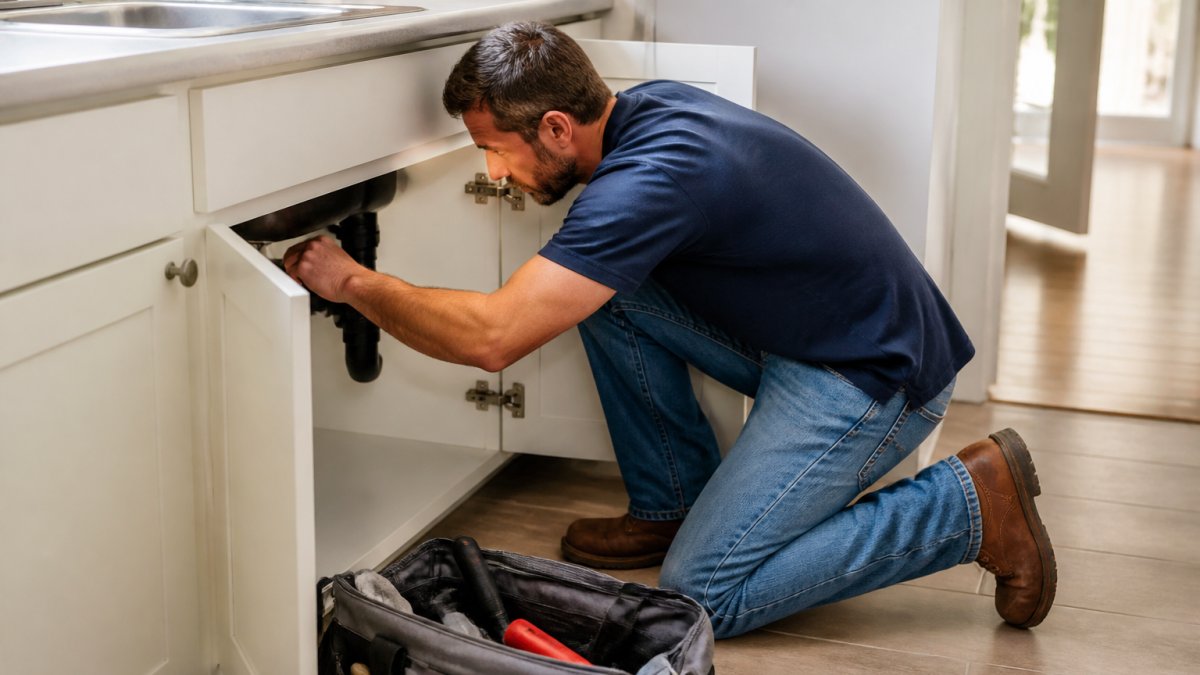
- Inspect visible plumbing for drips under sinks and around toilets. A slow leak left for weeks means mold and rot.
- Look under the kitchen and bathroom sinks for signs of moisture or pest droppings.
- Walk the perimeter and check for new cracks in the foundation or gaps in exterior caulking.
- Verify weather stripping around doors and windows is intact. Drafts waste energy and invite pests.
- Run every faucet briefly to keep seals lubricated and confirm water pressure is normal.
- Check the water heater and furnace areas for leaks, rust, or unusual odors.
This routine takes less time than a grocery run and provides peace of mind that the property is sound.
Remote Home Management for Seasonal Owners
Managing a seasonal property from a distance requires systems that give you visibility between visits. The most effective tool is a connected monitoring setup that alerts you to problems in real time.
Smart water leak detectors placed near the water heater, under sinks, and in the basement send alerts to your phone the moment moisture is detected. Smart thermostats let you monitor temperature remotely and adjust settings if a cold snap threatens pipes. Indoor cameras provide a visual check of the property and can confirm that no alarms are sounding.
A trusted local partner matters just as much as technology. When an alert comes in, you need someone who can respond quickly and handle the issue. This is where a professional maintenance service becomes invaluable. Lone Eagle Home Services provides a dedicated team for seasonal tune-ups and on-demand repairs, with confirmed appointments and digital service reports after every visit. Instead of calling a stranger from a list, you have a known contact who understands the property and its systems.
Seasonal Home Maintenance Tips 2026: Professional vs. DIY
The most current seasonal home maintenance tips 2026 guidance emphasizes a clear distinction between tasks you can handle yourself and those that require professional expertise. Knowing the difference protects both your safety and your home.
DIY-appropriate tasks include gutter cleaning on a single-story home, replacing air filters, testing detectors, clearing debris from around the foundation, and basic caulking. These require no special training and take minimal time. They keep the property tidy and catch obvious issues.
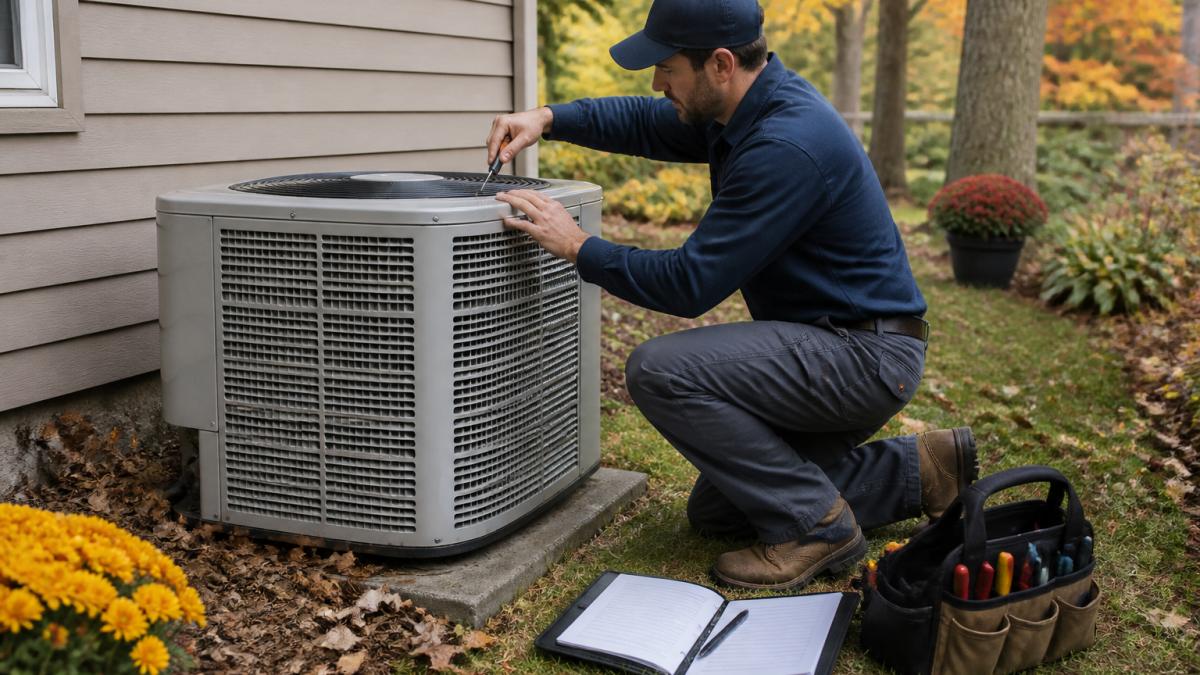
Professional tasks include HVAC servicing, electrical work, roof repairs, and water heater maintenance. These systems involve safety risks and manufacturer warranties that often require certified technicians. Attempting them yourself can void coverage, create hazards, or cause damage that costs more than the service call.
| Task | DIY or Professional | Frequency | Risk if Skipped |
|---|---|---|---|
| Air filter replacement | DIY | Every 1-3 months | Reduced HVAC efficiency, poor air quality |
| Gutter cleaning | DIY (single story) | Twice yearly | Ice dams, foundation water damage |
| Smoke detector testing | DIY | Monthly | Missed fire warnings |
| HVAC servicing | Professional | Annually | System failure, carbon monoxide risk |
| Water heater flush | Professional | Annually | Sediment buildup, premature failure |
| Roof inspection | Professional | Annually | Undetected leaks, structural damage |
The trend in 2026 is toward hybrid management: homeowners handle the simple upkeep, and a professional service manages the complex systems. This division of labor prevents costly mistakes while keeping routine costs predictable.
Common Mistakes to Avoid in Preventative Maintenance
Even well-intentioned owners make errors that undermine their maintenance efforts. The most common mistake is treating maintenance as an event rather than a system. A single fall cleanup does not protect a home through the entire off-season.
Skipping the water heater flush is another frequent error. Sediment accumulates silently, and the first sign of trouble is often a leaking tank that has already damaged the surrounding area. Likewise, many owners forget to check the expiration date on fire extinguishers, assuming they work indefinitely.
Failing to document maintenance is also costly. Without records, you cannot track when the furnace was last serviced or the gutters last cleaned. Digital service reports solve this by creating a maintenance history you can review at any time, which also helps if you ever sell the property.
The final mistake is waiting until you arrive to discover problems. By then, weeks or months have passed, and minor issues have become major repairs. Preventative home maintenance for seasonal owners is about shifting from reactive fixes to scheduled care, and the owners who succeed are the ones who treat their second home with the same discipline as their first.
Seasonal homeownership should be a source of enjoyment, not a source of stress. The challenge is that managing maintenance from a distance, coordinating contractors, and ensuring quality work takes time you may not have. Lone Eagle Home Services eliminates that burden with membership-based home care, flat-rate pricing, and a single trusted team for all your maintenance and vendor coordination needs. From proactive seasonal tune-ups to confirmed appointments and digital service reports, we handle the details so your home is ready when you are. Get started with Lone Eagle Home Services and see what consistent, professional care looks like.
Frequently Asked Questions
What is the most overlooked home maintenance task for seasonal properties?
For seasonal homes, the most overlooked task is inspecting and clearing the gutters and downspouts before you leave. Clogged gutters cause water to back up under the roofline, leading to ice dams in winter and foundation damage over time. Since you are not there to spot a leak early, this small task can turn into a major repair. Add it to your departure checklist and confirm downspouts direct water at least five feet away from the foundation.
Is professional preventative maintenance necessary for second homes?
Professional preventative maintenance is a smart investment for second homes because you are not on site to catch small problems early. A professional can perform routine inspections, test safety systems, and handle seasonal tune-ups on schedule, even when you are away. This approach protects your property and helps you avoid emergency calls for issues like burst pipes or roof leaks. Many homeowners find that a trusted service provider also simplifies coordinating repairs and vendor visits remotely.
What maintenance should I do on my house before winter?
Before winter, focus on protecting your home from freezing temperatures and moisture. Start by shutting off the exterior water supply and draining all irrigation lines. Have a professional inspect and service the heating system. Seal gaps around windows and doors with fresh weather stripping and caulking. Clean the gutters, trim tree branches near the roof, and confirm the sump pump works. Finally, set the thermostat to a safe minimum temperature to prevent pipes from freezing while the home is unoccupied.
How can I coordinate home repairs while away from my property?
Coordinating repairs remotely starts with building a list of vetted, licensed contractors you trust. Schedule seasonal maintenance during the times you are present, and use smart home technology like leak detectors and cameras for continuous monitoring. For urgent issues that arise while you are away, a membership-based home maintenance service provides a single point of contact to dispatch a technician and manage the repair. This approach eliminates the stress of finding a reliable contractor from a distance.
Frequently Asked Questions
Q: What is the most overlooked home maintenance task for seasonal properties?
A: For seasonal homes, the most overlooked task is inspecting and clearing the gutters and downspouts before you leave. Clogged gutters cause water to back up under the roofline, leading to ice dams in winter and foundation damage over time. Since you are not there to spot a leak early, this small task can turn into a major repair. Add it to your departure checklist and confirm downspouts direct water at least five feet away from the foundation.
Q: Is professional preventative maintenance necessary for second homes?
A: Professional preventative maintenance is a smart investment for second homes because you are not on site to catch small problems early. A professional can perform routine inspections, test safety systems, and handle seasonal tune-ups on schedule, even when you are away. This approach protects your property and helps you avoid emergency calls for issues like burst pipes or roof leaks. Many homeowners find that a trusted service provider also simplifies coordinating repairs and vendor visits remotely.
Q: What maintenance should I do on my house before winter?
A: Before winter, focus on protecting your home from freezing temperatures and moisture. Start by shutting off the exterior water supply and draining all irrigation lines. Have a professional inspect and service the heating system. Seal gaps around windows and doors with fresh weather stripping and caulking. Clean the gutters, trim tree branches near the roof, and confirm the sump pump works. Finally, set the thermostat to a safe minimum temperature to prevent pipes from freezing while the home is unoccupied.
Q: How can I coordinate home repairs while away from my property?
A: Coordinating repairs remotely starts with building a list of vetted, licensed contractors you trust. Schedule seasonal maintenance during the times you are present, and use smart home technology like leak detectors and cameras for continuous monitoring. For urgent issues that arise while you are away, a membership-based home maintenance service provides a single point of contact to dispatch a technician and manage the repair. This approach eliminates the stress of finding a reliable contractor from a distance.