 how-to
How to Book Professional Home Maintenance
Table of Contents
- Why Professional Home Maintenance Matters
- Understanding Home Maintenance Services Available
- How to Vet a Handyman Service Before Booking
- Reliable Home Repair Services: What to Look For
- Home Maintenance Membership Benefits Explained
- Step-by-Step: How to Book Professional Home Maintenance
- Seasonal Home Maintenance Checklist for Year-Round Care
- What to Expect During a Service Visit
- Frequently Asked Questions
Last Updated: September 4, 2026
Why Professional Home Maintenance Matters
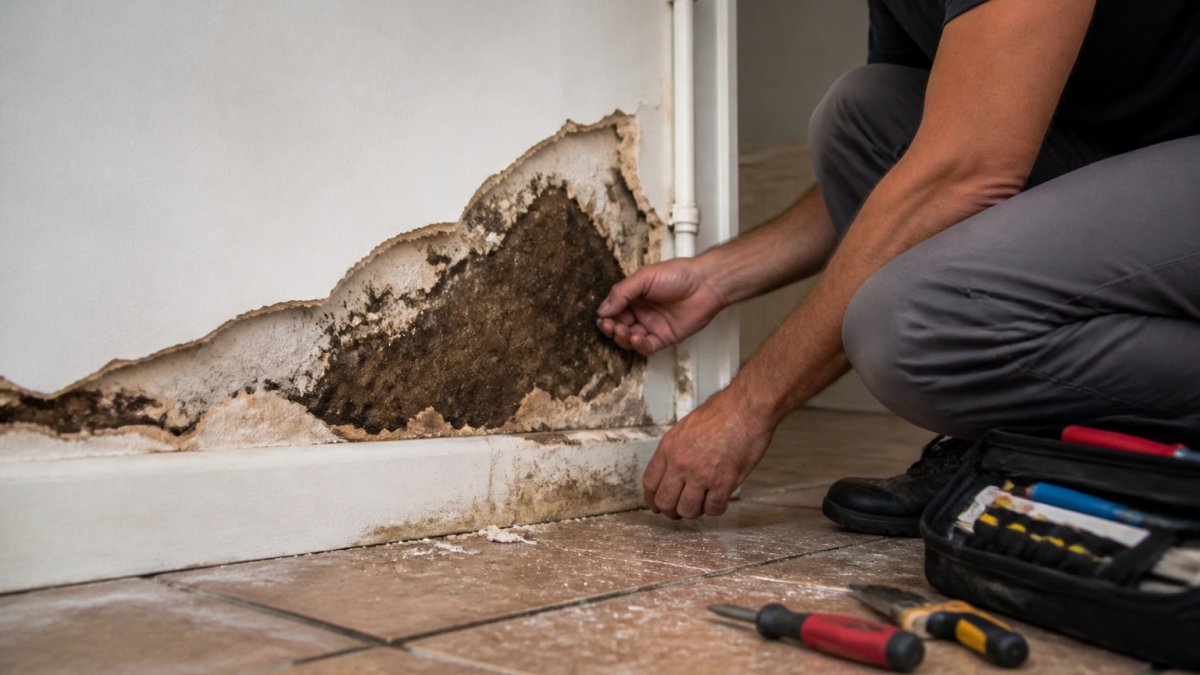
Small problems compound. A slow leak becomes water damage. A worn seal becomes a system failure. A missed inspection becomes a thousand-dollar emergency. Most homeowners discover this pattern too late, after they've already paid for reactive repairs that could have been prevented.
Professional home maintenance prevents this cycle. Regular inspections catch issues before they escalate, seasonal tune-ups keep systems efficient, and preventative care costs less than emergency fixes. The challenge: coordinating multiple contractors, tracking appointments, and ensuring quality work feels overwhelming.
At Lone Eagle Home Services, we understand this problem. Busy professionals juggle handymen, electricians, and plumbers independently. Communication breaks down. Work quality varies. Costs spiral. The solution isn't hiring more people, it's finding a single, trusted team that handles everything with accountability and transparent pricing.
Understanding Home Maintenance Services Available
Home maintenance services vary widely, from general repairs and seasonal tune-ups to vendor coordination for major work. Understanding what's available helps you match your needs to the right provider.
Common service categories include:
Routine maintenance covers inspections, filter replacements, and preventative checks like HVAC servicing and plumbing inspections.
Seasonal services address weather-related needs, gutter cleaning, weatherization, heating and cooling checks, preventing damage and optimizing efficiency.
On-demand repairs handle unexpected issues like leaky faucets or broken locks, where quick response matters.
Vendor coordination is critical but often overlooked. A provider that vets professionals, coordinates scheduling, and oversees quality saves time and stress.
How to Vet a Handyman Service Before Booking
Before booking, verify credentials and track record to separate reliable professionals from those who disappear after the job.
Check licensing and insurance. Verify liability insurance and relevant licenses through your state licensing board (consumerreports.org). Uninsured providers expose you to liability.
Review customer feedback. Check Google reviews and Better Business Bureau ratings for patterns. Multiple complaints about missed appointments or poor quality are red flags; prioritize recent reviews.
Ask for references. Call past clients and ask: Did the team show up on time? Was work quality good? Did communication feel transparent? Did pricing match the estimate?
Verify the team. Uniformed technicians with identification suggest professionalism. Consistent staff builds trust and accountability.
Understand their guarantee. Ask what's covered and for how long. Vague answers suggest low confidence in quality.
Reliable Home Repair Services: What to Look For
Reliability is a system. Look for operational practices that indicate accountability.
Confirmed appointments matter. Services that send confirmations and follow up the day before show respect for your time and treat appointments as commitments.
Transparent pricing prevents surprises. Flat-rate or detailed estimates before work begins protect you from hidden fees and eroded trust.
Real communication channels work. Verify you can reach them by phone, text, or email with reasonable response times.
Digital documentation proves accountability. Request a report after each visit detailing inspections, repairs, and recommendations. This creates a service history and protects you in disputes.
Membership models align incentives. Providers that profit from preventing emergencies have motivation for thorough work. Membership models reward proactive care over reactive fixes.
Home Maintenance Membership Benefits Explained
A membership model provides regular preventative care, priority scheduling, and a dedicated team that knows your home, instead of reactive calls.
Preventative care reduces costs. Preventative care can save more than its cost annually (energy.gov).
Priority scheduling eliminates wait times. Members get priority booking and faster response, avoiding days-long waits.
Flat-rate pricing removes surprises. Predictable membership fees eliminate surprise invoices and labor haggling.
One trusted team knows your home. Consistent technicians understand your home's systems and history, improving quality and accountability.
Vendor coordination becomes their responsibility. Your provider vets professionals, coordinates schedules, and oversees quality for major work.
Step-by-Step: How to Book Professional Home Maintenance
The booking process differs by urgency. Understanding which path you're on prevents frustration and sets realistic expectations.
Emergency vs. Routine Booking: Know the Difference
Emergency repairs (burst pipes, no heat, electrical hazards, gas smells) demand same-day or next-day response. Routine maintenance (seasonal tune-ups, inspections) can be booked weeks ahead.
The distinction matters: emergency services charge premium rates and compete for limited slots, while routine maintenance offers flexible scheduling and predictable scope. Know your backup provider before emergencies strike.
Routine Booking: The Standard Process
Step 1: Assess Your Needs
Before contacting any service provider, know what you actually need. Walk through your home. Note areas of concern: aging systems, seasonal issues, or recurring problems. List them. Prioritize by urgency.
Are you looking for preventative maintenance to avoid emergencies? Seasonal tune-ups for specific systems? One-off repairs for immediate issues? A combination? Your answer determines what type of service provider fits best.
Step 2: Request Service Estimates and Compare Pricing
Contact 2-3 service providers. Describe your needs clearly. Ask for a detailed estimate that breaks down labor, materials, and timeline. Don't accept vague quotes. Legitimate providers provide specifics.
Compare estimates side by side. The cheapest option isn't always the best; consider the service provider's reputation, response time, and warranty. A slightly higher price from a reliable provider is worth it.

Step 3: Confirm Appointment Details and Expectations
Once you've selected a service provider, confirm the appointment in writing. Verify the date, time, scope of work, and total cost. Clarify what's included and what's not. Ask about cancellation policies.
Discuss access to your home. Will the technician need keys? Should you be present? What should you do with pets? Clear expectations prevent misunderstandings.
Emergency Booking: Faster Protocol
Step 1: Identify the Problem and Severity
Determine if this is truly an emergency. A slow leak is urgent but not emergency-level; a burst pipe is. No heat in winter is emergency-level; a thermostat malfunction may not be. If you're unsure, call your service provider's emergency line and describe the situation; they can advise.
Step 2: Call Your Primary Provider Immediately
If you have an existing relationship with a service provider (especially a membership-based one), call their emergency line first. They know your home and can respond faster than a stranger. If you don't have a primary provider, search for emergency services in your area that specialize in your issue (emergency plumbing, emergency HVAC, etc.) and call the first available option.
Have key information ready: your address, a description of the problem, what you've already tried, and your phone number. The faster you communicate, the faster they can dispatch.
Step 3: Prepare for Immediate Arrival
While waiting, take steps to minimize damage: shut off water if it's a plumbing emergency, turn off the breaker if it's electrical, open windows if there's a gas smell. Clear a path for the technician to access the problem area.
Be prepared to pay premium rates for emergency service. After-hours, weekend, and holiday calls typically cost 1.5-2 times the standard rate (bls.gov). Ask about the emergency fee upfront so there are no surprises.
Step 4: Get Documentation and Follow-Up Plan
Even in an emergency, request a service report after the work is complete. Document what was done, what caused the problem, and what should be done to prevent recurrence. Ask if a follow-up routine maintenance visit is recommended.
After the emergency is resolved, consider booking a preventative maintenance plan with that provider. Emergency repairs are expensive; preventing the next one is worth the investment.
Seasonal Home Maintenance Checklist for Year-Round Care
Seasonal maintenance prevents weather damage and keeps systems efficient. Use this checklist to stay organized.
Spring: Inspect roof for winter damage. Clean gutters and downspouts. Check exterior caulking and weatherstripping. Service air conditioning. Inspect foundation for cracks.
Summer: Check deck and patio for rot or damage. Inspect outdoor lighting. Test sump pump. Check for pest entry points. Verify lawn irrigation systems.
Fall: Clean gutters again. Inspect chimney and have it swept if needed. Winterize outdoor faucets and irrigation. Check weatherstripping and caulking. Service heating system.
Winter: Monitor for ice dams. Check attic for leaks. Inspect pipes in unheated areas for freezing risk. Ensure heating system is running efficiently.
A professional service provider handles most of these during seasonal tune-ups. The key is consistency, missing one season often leads to problems later.
What to Expect During a Service Visit
When the technician arrives, they should identify themselves and verify the appointment. They'll assess the work, explain findings, and discuss solutions. If unexpected issues arise, they'll ask before expanding scope. During the visit, they should communicate clearly, respect your home, and allow you to observe, transparency builds confidence.
Post-Service Quality Assurance: Your Inspection Checklist
After work is complete, conduct a brief inspection before the technician leaves to catch issues while they're present.
For routine maintenance visits, verify:
- All systems in the estimate were inspected or serviced
- Findings were explained clearly with issues shown
- Recommendations are documented and make sense
- The work area is clean and protective coverings removed
For repair work, verify:
- The problem was addressed (test it if possible)
- Replaced parts are shown or documented with photos
- The repair matches the agreed scope
- Warranties are provided in writing
- Ongoing monitoring needs are explained
Request written documentation. A service report should detail the date, systems inspected, work completed, issues found, recommendations, and warranty information. This creates a maintenance history, protects you in disputes, and aids future planning. Resistance to providing this is a red flag.
Ask about follow-up. Clarify how to report issues after the visit and whether there's a warranty period for free corrections. Reliable providers stand behind their work.
Frequently Asked Questions
What should I look for when vetting a home maintenance professional?
Check for valid licensing, insurance coverage, and background verification. Ask for references from previous clients and review their service history. Confirm they offer transparent pricing and a clear service agreement. Licensed and insured professionals provide accountability and protect your property in case of damage. Request to see their credentials and verify them independently before booking.
How far in advance should I book seasonal home maintenance?
Schedule seasonal tune-ups 2-4 weeks before peak demand periods. Spring and fall are the busiest times for preventative maintenance, so booking early ensures priority scheduling. For routine maintenance, advance notice helps service providers coordinate multiple appointments efficiently. Emergency repairs may be available sooner, but proactive seasonal care requires planning to prevent last-minute gaps.
What are the main benefits of a home maintenance membership?
Membership-based services provide priority scheduling, flat-rate pricing transparency, and a single trusted team for all your repairs. This eliminates the stress of juggling multiple contractors and ensures consistent, proactive care. Members typically receive member-exclusive labor rates, digital service reports, and concierge-level coordination of vendor services, preventing small problems from becoming expensive issues.
How does flat-rate pricing work for home maintenance services?
Flat-rate pricing means you pay a set fee for specific services rather than hourly labor charges. This provides budget predictability and eliminates surprise costs. Service providers assess the scope upfront and quote a fixed price for the work. Compare flat-rate options across multiple providers to ensure transparent pricing and understand what labor, materials, and follow-up support are included in each estimate.
This article was written using GrandRanker