 ultimate-guide
Seasonal Home Maintenance Tips 2026
Table of Contents
- Why Seasonal Home Maintenance Matters
- Spring: Foundation and Exterior Preparation
- Summer: HVAC and Energy Efficiency
- Fall: Drainage and Heating Preparation
- Winter: Winterization and Safety Systems
- Essential Seasonal Home Inspection Tips
- Planning Your Annual Home Maintenance Budget
- When to Consider Hiring Professional Home Maintenance Services
- Frequently Asked Questions
Last Updated: September 3, 2026
Why Seasonal Home Maintenance Matters
Preventative maintenance prevents expensive emergencies. Most homeowners respond only when something breaks, a small roof leak becomes structural damage, a clogged gutter becomes foundation problems. Seasonal home maintenance focuses on one principle: address issues before they become costly.
Your HVAC system, roof, plumbing, and exterior have predictable wear patterns tied to seasons. Spring thaw stresses foundations and gutters. Summer heat runs cooling systems hard. Fall brings debris and clogs. Winter freezes pipes and strains heating. By timing maintenance to these stressors, you catch problems when they're small.
At Lone Eagle Home Services, we focus on proactive care to prevent costly reactive fixes.
Spring: Foundation and Exterior Preparation
Spring is when your home wakes up after winter. Freeze-thaw cycles have stressed your roof, foundation, and exterior. This season focuses on inspecting and repairing the systems that protect everything inside.
Roof and Gutter Inspection
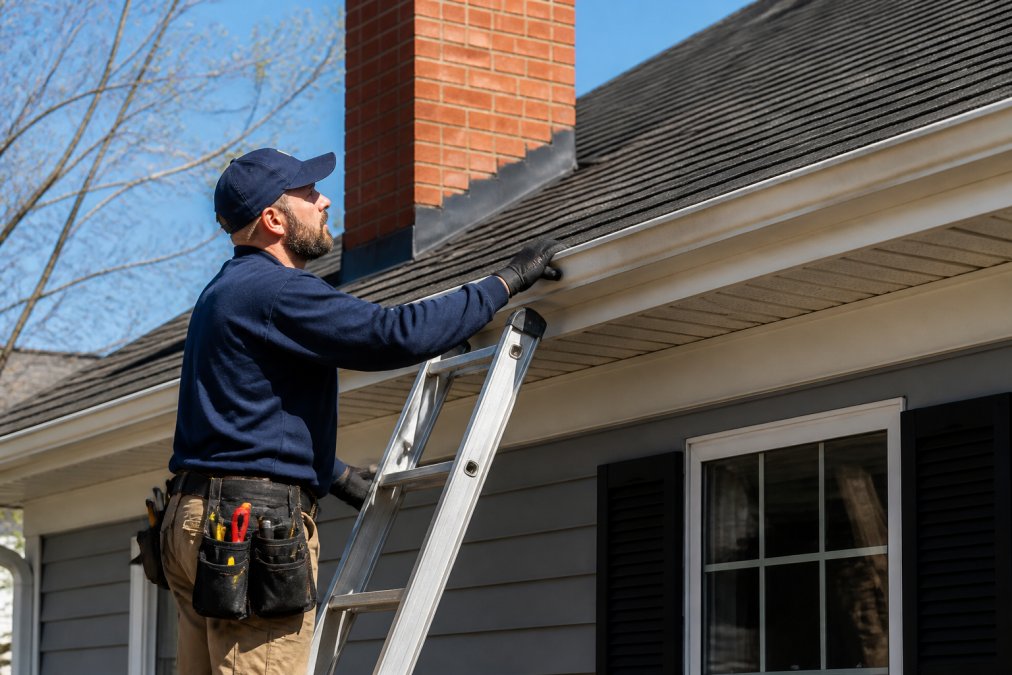
Spring inspection catches roof damage before heavy rains arrive. Look for missing or cracked shingles, rusted flashing around chimneys and vents, and areas where water might pool. Gutters need clearing of winter debris, leaves, twigs, and sediment trap moisture and cause rot.
Downspouts should direct water at least 4-6 feet from your foundation (fema.gov). Water pooling near your home's base creates foundation problems. Clogged gutters cause moisture that migrates into basements and foundations.
Clean gutters twice yearly, spring and fall. A gutter system in good condition prevents thousands in water damage.
Caulking and Weatherstripping
Caulking around windows, doors, and exterior penetrations deteriorates over time. Spring is ideal to inspect and replace weatherstripping, you can see winter wind damage, and you have time before summer cooling costs spike.
Check caulk around your home's perimeter. Cracked or missing caulk invites water infiltration. Recaulking takes hours and costs far less than fixing water damage inside walls. Worn weatherstripping increases heating and cooling costs.
This is an excellent DIY task. Remove old caulk, clean the gap, and apply fresh silicone caulk. Weatherstripping peel-and-stick tape takes minutes to install.
Summer: HVAC and Energy Efficiency
Summer places maximum demand on your cooling system. Proactive maintenance keeps your system running efficiently and prevents breakdowns when you need it most.
Air Filter Replacement and System Tune-Up
Your HVAC system's air filter is the most frequently overlooked maintenance item. A dirty filter restricts airflow and wastes energy. Check your filter monthly during cooling season. Most standard filters need replacement every 1-3 months depending on dust levels, pets, and air quality (energy.gov).
A system tune-up involves inspecting refrigerant levels, checking electrical connections, cleaning condenser coils, and verifying all components operate correctly. A well-maintained system runs efficiently, cools effectively, and lasts longer.
Indoor air quality depends on clean filters and a properly functioning HVAC system. For households with allergies or respiratory concerns, consistent filter replacement matters for health.
Cooling System Maintenance
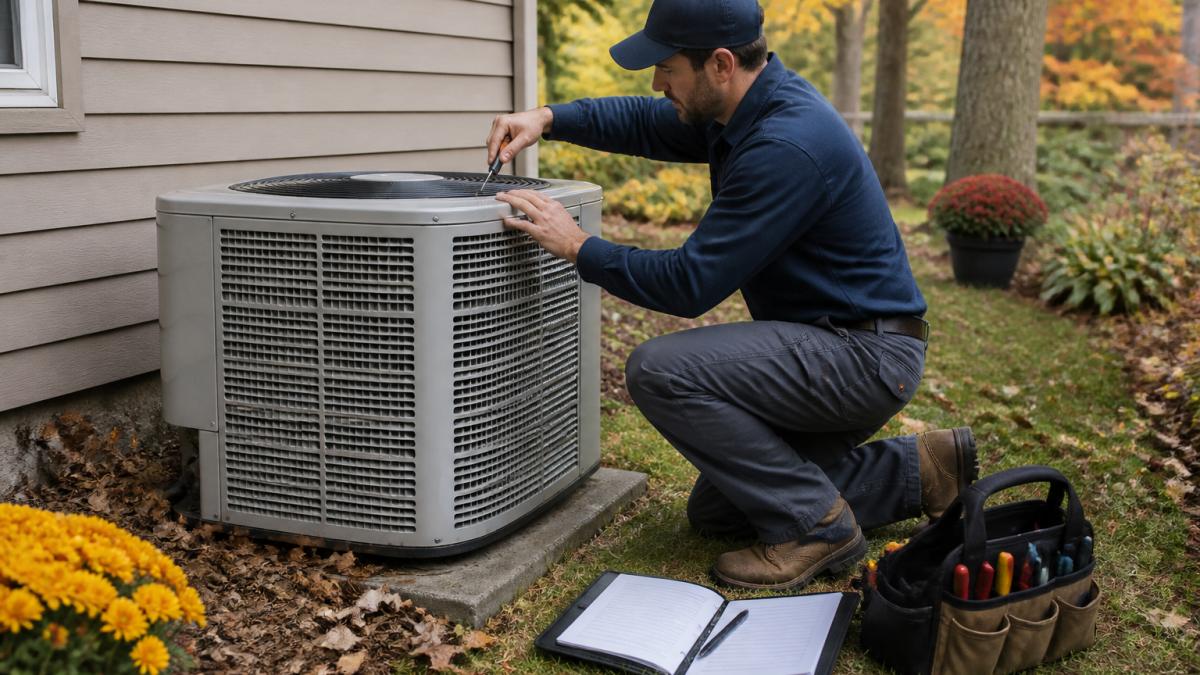
Your air conditioning condenser unit accumulates dirt, leaves, and debris. Restricted airflow reduces efficiency and strains the compressor. Clean exterior coils gently with a soft brush or low-pressure water spray. Keep vegetation cleared at least 2 feet around the unit.
Check refrigerant levels if your system isn't cooling effectively. Low refrigerant usually signals a leak, a professional should locate and repair it, then recharge the system. Running an AC system low on refrigerant damages the compressor.
Summer ceiling fans circulate cool air efficiently and reduce air conditioning reliance. Ensure fan blades are clean and balanced.
Fall: Drainage and Heating Preparation
Fall brings falling leaves, cooler temperatures, and the transition from cooling to heating. This season prevents winter emergencies by addressing drainage and heating systems.
Downspout and Sump Pump Inspection
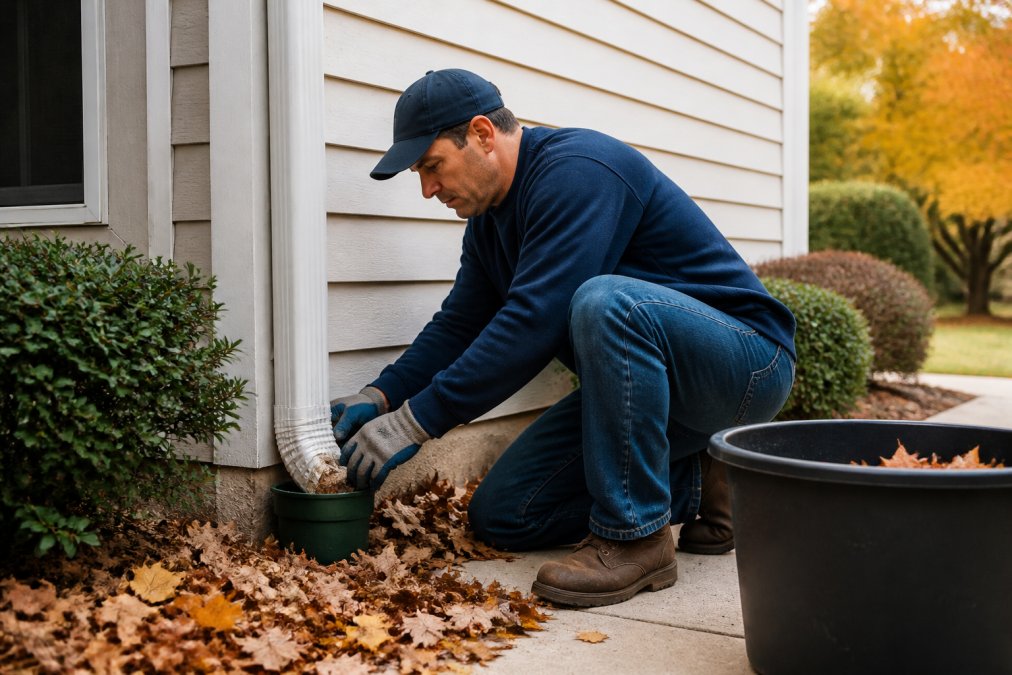
Gutters and downspouts clog with leaves in fall. Water that can't drain pools around your foundation, causing moisture infiltration and potential basement flooding. Clean gutters thoroughly in late fall after most leaves have dropped.
If your home has a basement or crawl space, inspect your sump pump. Test it by pouring water into the pit to verify it activates and drains properly. Check the discharge line to ensure water flows away from your foundation.
Downspouts should extend 4-6 feet from your foundation. If they're shorter, water pools near your base. These simple fixes prevent major foundation and moisture problems.
Heating System Tune-Up
Before cold weather arrives, have your heating system serviced. A professional inspection includes checking the furnace or boiler, verifying safety controls, inspecting the heat exchanger for cracks, and testing the thermostat. Clean or replace furnace filters.
Test your heating system on a mild fall day before you actually need it. If there's a problem, you have time to address it. For homes with hot water heating, check radiators and baseboards for leaks. For forced-air systems, verify ductwork is sealed and insulated in unheated spaces.
Winter: Winterization and Safety Systems
Winter is the season of frozen pipes, heating strain, and safety risks. Winterization prevents burst pipes and water damage. Safety system testing ensures your home protects your family.
Pipe Winterization and Exterior Faucets
Frozen pipes burst and flood your home. Drain exterior faucets and shut off their supply valves before the first freeze. Disconnect garden hoses. Drain irrigation systems completely.
Inside your home, insulate exposed pipes in unheated areas like basements and attics. Pipe insulation sleeves are inexpensive and take minutes to install. Seal gaps around pipes where they enter exterior walls.
On extremely cold nights, let faucets drip slightly. Moving water doesn't freeze as easily as still water. This simple trick prevents burst pipes during the coldest weather.
Carbon Monoxide and Smoke Alarm Testing
Carbon monoxide detectors and smoke alarms are your home's first line of defense. Test them monthly. Replace batteries twice yearly, many use daylight saving time changes as a reminder. Detectors older than 5-7 years should be replaced (the CDC).
Install detectors on every level of your home, especially near bedrooms. Smoke alarms should be on every level, inside bedrooms, and in the kitchen (use a heat detector in kitchens to avoid false alarms).
Essential Seasonal Home Inspection Tips
A structured inspection routine catches problems early. Walk your property seasonally and look for specific issues tied to each season's stressors.
Spring Inspection Checklist:
- Look for roof damage, missing shingles, and damaged flashing
- Check gutters and downspouts for debris and proper drainage
- Inspect foundation for new cracks or water stains
- Test all exterior faucets and hose connections
- Check caulk around windows and doors for gaps
Summer Inspection Checklist:
- Verify HVAC system is cooling effectively
- Check air filter condition
- Inspect condenser unit for debris and airflow restrictions
- Look for signs of moisture or mold in basement or crawl space
- Test sump pump if applicable
Fall Inspection Checklist:
- Clear gutters and downspouts of leaves
- Inspect roof for damage from summer storms
- Test heating system before cold weather
- Check weatherstripping around doors and windows
- Inspect basement or crawl space for water intrusion signs
Winter Inspection Checklist:
- Verify heating system is functioning properly
- Check for ice dams on roof edges
- Test carbon monoxide and smoke detectors
- Inspect pipes for leaks or signs of freezing
- Check attic for ice dam formation or moisture
Document your inspections with photos of any concerns. This record helps you track patterns and plan future maintenance.
Planning Your Annual Home Maintenance Budget
Seasonal maintenance requires investment, but it's far less expensive than reactive repairs.
Routine maintenance costs are predictable and manageable. Reactive repairs, burst pipes, roof leaks, HVAC failures, cost thousands.
A membership-based approach to home maintenance spreads costs into predictable monthly fees. You know exactly what you're paying, don't juggle multiple contractors, and get priority scheduling. For busy professionals, this eliminates stress and coordination headaches.
When to Consider Hiring Professional Home Maintenance Services
Some seasonal maintenance is straightforward DIY work. Other tasks require licensed professionals and specialized equipment.
DIY Tasks:
- Filter replacement
- Gutter cleaning (if comfortable on a ladder)
- Caulking and weatherstripping
- Testing detectors
- Clearing debris from HVAC condenser
Professional Tasks:
- Roof inspection and repair
- HVAC system tune-up and refrigerant service
- Heating system inspection
- Plumbing inspection and pipe winterization
- Electrical work and safety system testing
Professionals have specialized equipment, training, and accountability. They identify issues homeowners miss and carry insurance. For critical systems like HVAC, heating, and plumbing, professional service is worth the investment.
A reliable home maintenance partner eliminates stress from managing multiple contractors and wondering if work was done correctly. You get consistent service, digital documentation, and a single point of contact. Lone Eagle Home Services provides exactly this, a dedicated team handling seasonal tune-ups, coordinating specialists when needed, and ensuring nothing falls through the cracks. Our flat-rate membership model eliminates surprise costs, uniformed technicians provide accountability, and digital service reports document everything completed. See Plans to learn how we can simplify your home maintenance.
Seasonal home maintenance prevents emergencies and protects your property investment. The cost of routine maintenance is a fraction of what reactive repairs will cost. By addressing issues each season before they become problems, you extend the life of major systems, improve energy efficiency, and maintain your home's value.
Frequently Asked Questions
Q: What's the most overlooked seasonal home maintenance task?
A: Most homeowners skip routine air filter replacement and HVAC tune-ups until their system fails mid-season. Preventative maintenance on your heating and cooling system prevents breakdowns, extends equipment life, and maintains indoor air quality. Changing filters every 1-3 months and scheduling professional tune-ups before peak seasons catches issues early and avoids emergency repair costs.
Q: How much should I budget annually for home maintenance?
A: A realistic annual home maintenance budget typically ranges from 1-2% of your home's value annually, though this varies based on age and condition. Breaking this into seasonal allocations, higher for spring exterior work and fall preparation, helps spread costs. Professional maintenance services offer predictable, flat-rate pricing that simplifies budgeting versus managing multiple contractors.
Q: Should I hire professional home maintenance services or handle tasks myself?
A: Routine inspections like filter checks and visual gutter surveys are DIY-friendly, but professional services excel at tasks requiring specialized equipment or expertise: roof inspections, HVAC tune-ups, sump pump testing, and safety system verification. Hiring professionals ensures warranty compliance, catches hidden problems, and provides accountability. A membership-based service eliminates the stress of coordinating multiple contractors and guarantees consistent, proactive care year-round.
Q: What should I inspect during seasonal home maintenance?
A: Each season has critical inspection points: spring (roof, gutters, caulking), summer (HVAC filters, cooling system), fall (downspouts, heating system, drainage), and winter (pipes, exterior faucets, safety detectors). A comprehensive routine inspection checks for drafts, moisture control issues, insulation gaps, and structural damage. Professional inspectors document findings with digital reports, making it easy to track maintenance history and plan repairs before minor issues become expensive problems.
This article was written using GrandRanker