 how-to
What to Look for in Property Management: 2026 Guide
Table of Contents
- What to Look for in Property Management: The Core Criteria
- Property Manager Responsibilities You Should Expect
- Questions to Ask a Property Manager Before You Sign
- Property Management Fees: What You're Actually Paying For
- A Home Maintenance Checklist That Prevents Costly Surprises
- Change Orders, Scope Creep, and Escalation Workflows
- Contingency Planning With Measurable Triggers
- Frequently Asked Questions
Last Updated: October 21, 2026
What to Look for in Property Management: The Core Criteria
Knowing what to look for in property management comes down to three things: verified licensing and insurance, a clear communication rhythm, and a paper trail you can hold someone to.
The core criteria are simple to state and easy to skip in practice. Most people sign on price and personality.
Below, we break down exactly what separates a real operator from a friendly one. Use these criteria as a filter before you sign anything.
Licensing, Insurance, and Accountability
Start with paperwork, not promises. Ask for the license number and verify it with your state's consumer affairs or contractor registration office.
Accountability is the harder half. A licensed firm should be able to tell you who is legally responsible when work goes wrong.
Three documents to request before signing:
- Current license or registration number
- Certificate of insurance with policy dates
- A written statement of liability for completed work
According to the U.S. Federal Trade Commission's consumer advice on home improvement, homeowners should always get written contracts and never pay in full upfront.
Communication and Reporting Standards
A good provider tells you what happened without you asking. Ask how often you'll hear from them and in what format. Vague answers here are a warning sign.
The standard we'd hold anyone to: a written report after every visit, a named point of contact, and a response window in hours, not days. If a provider can't describe their reporting process, they probably don't have one.
Property Manager Responsibilities You Should Expect
A property manager's responsibilities fall into four buckets: scheduling, vendor oversight, cost tracking, and documentation. Anything less and you're paying for a phone book.
Here's what should be included as standard:
- Coordinating repairs and preventive maintenance visits
- Vetting and supervising vendors on site
- Tracking costs against an agreed scope
Coordination, Scheduling, and Vendor Oversight
Scheduling is where most services quietly fail. Ask how appointments are confirmed and what happens if a vendor cancels.
Vendor oversight matters just as much. Someone should be checking the work, not just dispatching it.

Questions to Ask a Property Manager Before You Sign
The right questions to ask a property manager expose process, not personality. Ask them in order and write down the answers.
- Who is my named point of contact, and how fast do you respond?
- What does your written report look like after a visit?
- Who is liable if a repair fails, and what's the guarantee?
- Are your technicians employees or subcontractors?
- How do you handle a vendor who doesn't show up?
- What's your cancellation policy, and am I locked in?
- How do you price work: flat rate or hourly plus materials?
Question seven matters more than people expect. Flat-rate pricing lets you approve a number before work starts. Hourly billing leaves the total open.
Property Management Fees: What You're Actually Paying For
Property management fees should buy you time, coordination, and accountability. If a fee only buys a phone number, it's not worth paying. The problem is that fee structures are rarely apples to apples, so the only way to compare is to force every provider onto the same worksheet.
Most fee structures fall into a few shapes. Compare what each one actually covers:
| Fee Structure | What It Covers | Watch Out For |
|---|---|---|
| Flat monthly membership | Scheduled tune-ups, coordination, reporting | Check what counts as "extra" and whether unused visits roll over |
| Per-visit charge | Individual repairs or inspections | Costs climb with every small job; no incentive to bundle |
| Hourly plus materials | Labor time and parts | Total is unknown until the invoice; ask for the labor rate and trip charge up front |
| Percentage of project | A share of larger repair budgets | Rewards bigger scopes; confirm whether the percentage applies to materials, labor, or both |
The Line Items That Drive the Real Cost
Two providers can quote the same headline number and land hundreds of dollars apart on the same repair. The difference is almost always in the line items below the headline. Ask each provider to price these five items in writing before you sign:
- Trip or dispatch charge. A flat fee to send a technician, separate from the repair itself. Common on per-visit and hourly plans; often waived on membership plans.
- After-hours and emergency rate. Usually a multiplier on the standard labor rate. Ask what counts as "after hours" and whether weekends are billed differently.
- Markup on materials. Some providers pass parts through at cost; others add a percentage. Ask for the number, not the policy.
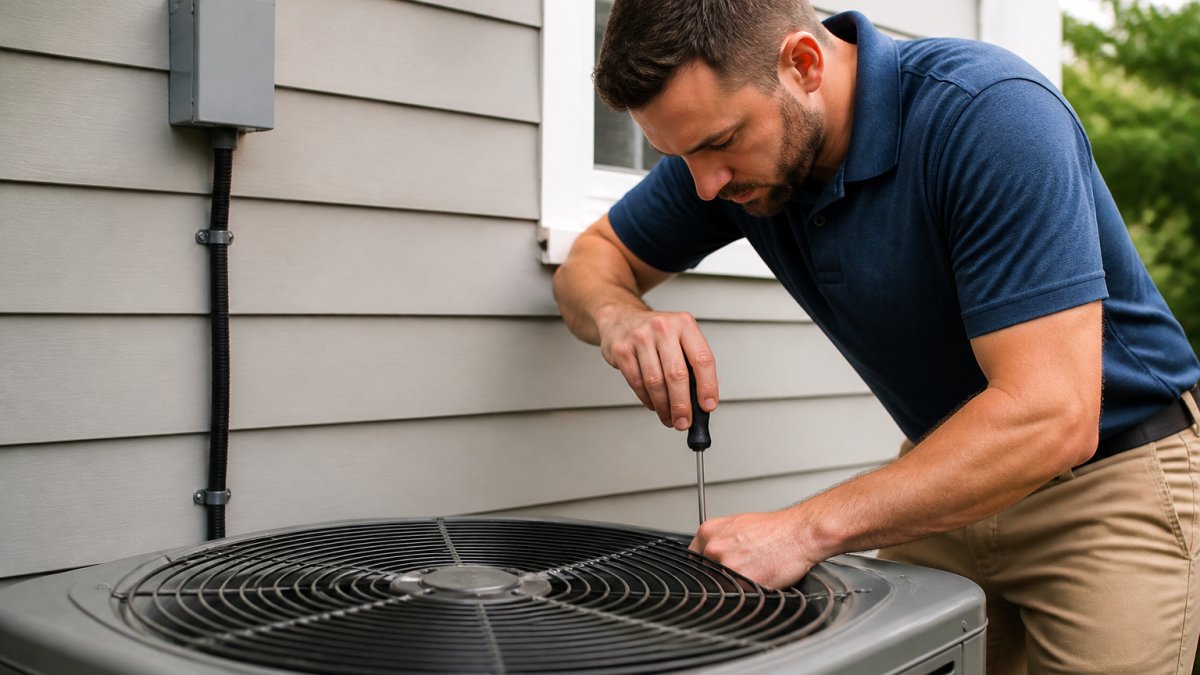
A common pattern is a low monthly membership fee paired with a high trip charge and a materials markup. The membership looks cheap until the first repair. Run one realistic repair through each provider's line items, a water heater replacement or an HVAC service call works well, and compare the all-in total, not the monthly number.
Questions That Expose the Real Fee
Ask these in order and write down the answers:
- What is the all-in cost of a standard service call, including trip charge and diagnostic?
- What is the after-hours multiplier, and what hours count as after-hours?
- Do you mark up materials, and at what percentage?
- Which items are excluded from the membership and billed separately?
- What is the notice period to cancel, and is there an early-termination fee?
- If a repair fails within the warranty window, is the return visit billed?
We use flat-rate pricing so members approve a number before work begins, and the trip charge is disclosed before dispatch. Current plan details and the full list of what triggers an extra charge are on our pricing page.
A Home Maintenance Checklist That Prevents Costly Surprises
A home maintenance checklist is a dated list of inspections and tune-ups done on a fixed schedule. The point is catching small failures before they turn into structural repairs.
Run this list at least twice a year:
- Clear gutters and check downspouts for pooling
- Inspect roof flashing and shingles after storms
- Test sump pump and check for basement moisture
Seasonal Tune-Ups and Early Warning Signs
Seasonal timing does most of the work. Spring is for water management: gutters, grading, sump pumps. Fall is for cold prep: heating, seals, and exterior wood.
Early warning signs worth acting on immediately:
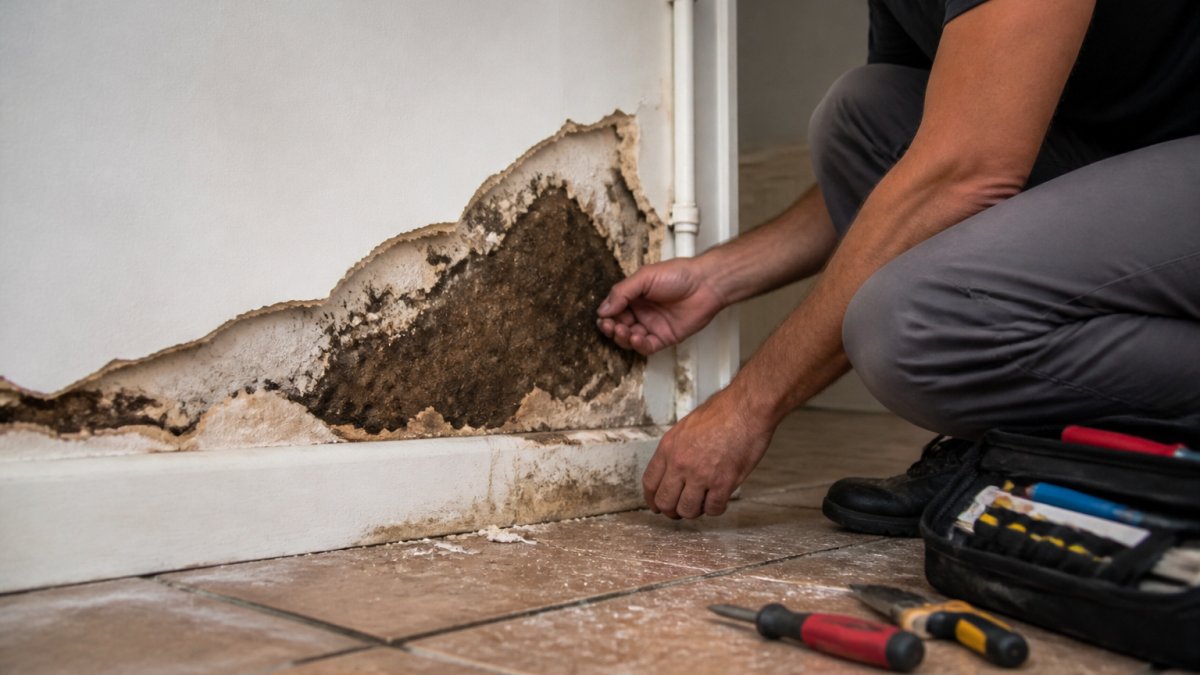
- Musty smell in the basement after rain
- Bubbling paint or soft spots on trim
- Water stains on ceilings below bathrooms
Each of these is cheap to fix early and expensive to fix late. For guidance on seasonal home care, the U.S. Department of Energy's home energy and maintenance resources cover efficiency checks that pair well with a tune-up schedule.
Change Orders, Scope Creep, and Escalation Workflows
Change orders are where budgets quietly break. A change order is a written approval for work outside the agreed scope, and it should never happen verbally.
Set three rules before work starts:
- No work outside scope without written approval
- A dollar threshold above which you must be contacted
- A deadline for you to approve or decline
Escalation needs a clock. If an issue isn't resolved in a set number of days, it moves to the next level: vendor, then manager, then owner. Without deadlines, issues sit.
Contingency Planning With Measurable Triggers
A contingency reserve is money set aside for work you can't predict. The reserve only helps if something triggers its use, and if the trigger is written down before the emergency, not negotiated during it. Most homeowners skip this step because it feels like planning for bad luck. The ones who don't are the ones who avoid the panicked call at 11 p.m.
Sizing the Reserve
A common rule of thumb among home maintenance practitioners is to hold 1% to 3% of the home's value per year for maintenance and repairs, with older homes and homes with original systems landing at the higher end. That range is a planning input, not a guarantee, the point is to have a number you can defend rather than a vague sense that you should save something.
Split the reserve into two buckets:
- Routine reserve. Covers predictable wear: filters, caulking, gutter cleaning, minor plumbing. Drawn on a schedule, not on a trigger.
- Emergency reserve. Covers the unpredictable: a failed water heater, a roof leak, a sump pump that dies during a storm. Drawn only when a written trigger fires.
Measurable Triggers
Set triggers that are observable and dated, not gut feelings:
- Two or more repair visits on the same system within one season
- Any single repair above an agreed dollar threshold (pick the number before the first invoice, not after)
- A missed maintenance item two cycles running
When a trigger fires, review the system, not just the part. Repeated small fixes usually mean replacement is cheaper over the remaining life of the home. The trigger's job is to force that conversation before the next failure, not after.
The Draw Workflow
A trigger without a workflow is just a worry. Write down four things before work starts:
- Who authorizes a draw. Name the person and a backup. If it's you, say so; if it's a spouse or partner, say that too.
- What documentation is required. A written scope, a price, and a photo of the failed component. No verbal approvals.
- The response deadline. How many hours the authorizer has to approve or decline once a trigger is logged. Twenty-four hours is a common window for non-emergencies; same-day for active water intrusion.
- The escalation path. If the authorizer doesn't respond by the deadline, who decides next, and at what dollar amount does the decision move to a second approver?
A Worked Example
A water heater fails in month eight. The repair quote is $650; the replacement quote is $1,800. The routine reserve covers the repair, but the trigger, two prior visits on the same unit in 24 months, fires the review.
The Consumer Financial Protection Bureau's guidance on home maintenance and repair financing is a useful reference for planning larger repair budgets and understanding financing options when a reserve draw isn't enough.
Frequently Asked Questions
What should I look for in a property management service?
Start with licensing and insurance, then ask how the company documents work. A strong property management provider sends written reports after every visit, confirms appointments in advance, and gives you a single point of contact. Ask whether they coordinate vendors themselves or hand the job back to you. Flat-rate pricing and a clear cancellation policy matter too, because they tell you how confident the company is in its own service.
What services should a property manager provide for a home?
For a residence, the scope usually covers seasonal tune-ups, on-demand repairs, vendor scheduling, and oversight of any work performed on site. Property manager responsibilities also include tracking recurring maintenance items, flagging small issues before they spread, and keeping a record of what was done and when. If you travel or own the home part-time, ask specifically who checks the property while you are away and how emergencies are handled after hours.
How can proactive maintenance prevent expensive repairs?
Most large repair bills start as small, visible problems: a slow leak, a failing seal, a clogged gutter. A scheduled home maintenance checklist catches these during routine visits, when the fix is a few hours of labor rather than a restoration job. Consistent seasonal tune-ups also keep warranties valid and give you a documented history of the property, which helps when you sell or file an insurance claim.
How can I compare property management fees and services?
Compare on what is included, not just the monthly number. Ask whether labor is billed at a flat rate or hourly, whether there are trip charges, and what happens if a repair needs a second visit. Request a sample service report so you can see how work is documented. A higher fee with confirmed appointments, clear reporting, and no surprise charges often costs less over a year than a cheap plan with add-on fees.
Managing a home means managing people, schedules, and paperwork, and most homeowners don't have the hours for it. Lone Eagle Home Services handles that load with membership-based home care, one trusted team for all maintenance and vendor coordination, proactive seasonal tune-ups, and digital service reports after every visit. Our technicians are licensed and insured, and our flat-rate pricing means you approve the number first. See Plans and let one team carry the coordination.