 how-to
Preventative Home Maintenance for Busy Professionals
Table of Contents
- Why Preventative Home Maintenance Fails Busy Professionals
- Step 1: Build a Preventive Home Maintenance Checklist by Risk
- Step 2: Set a Home Maintenance Schedule You Will Actually Follow
- Step 3: Decide Which Home Maintenance Tasks to Outsource
- Step 4: Build a Home Maintenance Budget Around Lifecycle Costs
- Step 5: Automate Reminders and Delegate the Follow-Through
- Common Mistakes That Undo Preventative Home Maintenance
- Conclusion
- Frequently Asked Questions
Last Updated: October 20, 2026
Why Preventative Home Maintenance Fails Busy Professionals
Preventative home maintenance is the practice of scheduling regular inspections, tune-ups, and small repairs before they turn into emergencies. Most homeowners know it matters.
The reason isn't laziness. It's that traditional maintenance advice assumes you have free Saturdays and a mental list of every system in your house.
This guide breaks preventative home maintenance into five steps you can actually finish.
Step 1: Build a Preventive Home Maintenance Checklist by Risk
Start by sorting every task into three tiers based on what happens if you skip it. This is the fastest way to cut a 60-item list down to something manageable.
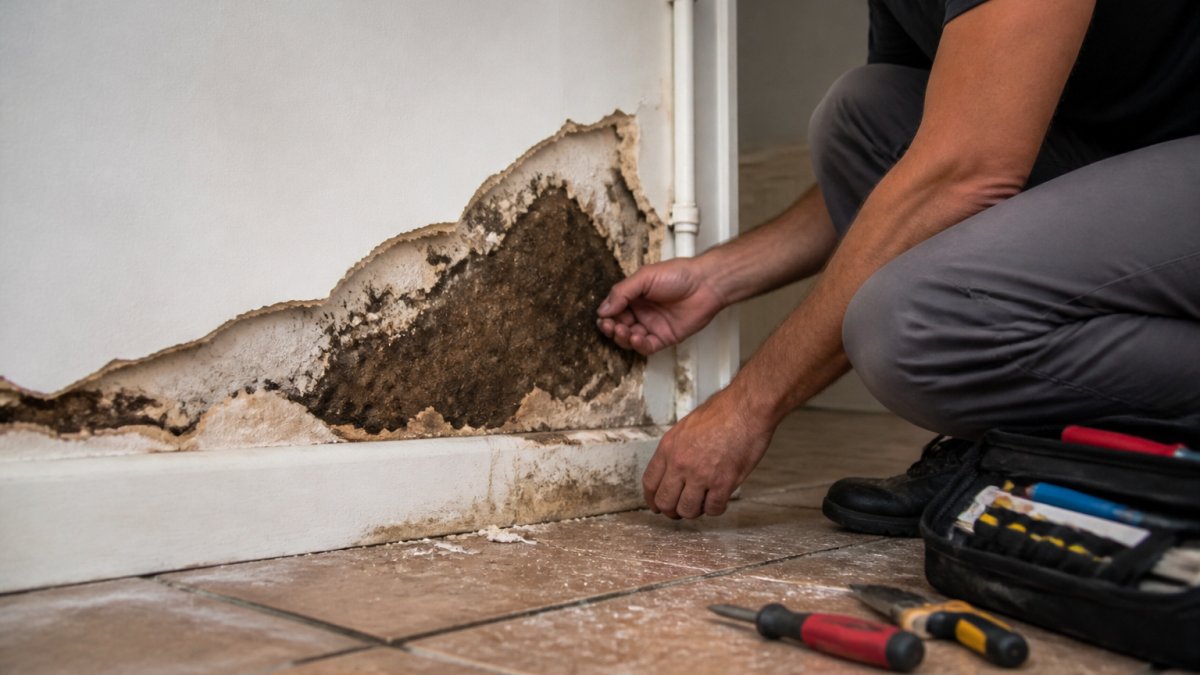
Tier 1: Tasks That Prevent Water and Structural Damage
Water is the most destructive force in any home. These tasks come first, no exceptions:
- Roof inspection for cracked or missing shingles, especially after storms
- Gutter cleaning twice a year to keep drainage flowing away from the foundation
- Grading check so soil slopes away from the house, not toward it
A common mistake is treating these as annual tasks. Gutters in a wooded lot may need cleaning three times a year.
Tier 2: Tasks That Protect Home Systems and Appliances
These protect the equipment that keeps your home comfortable and safe:
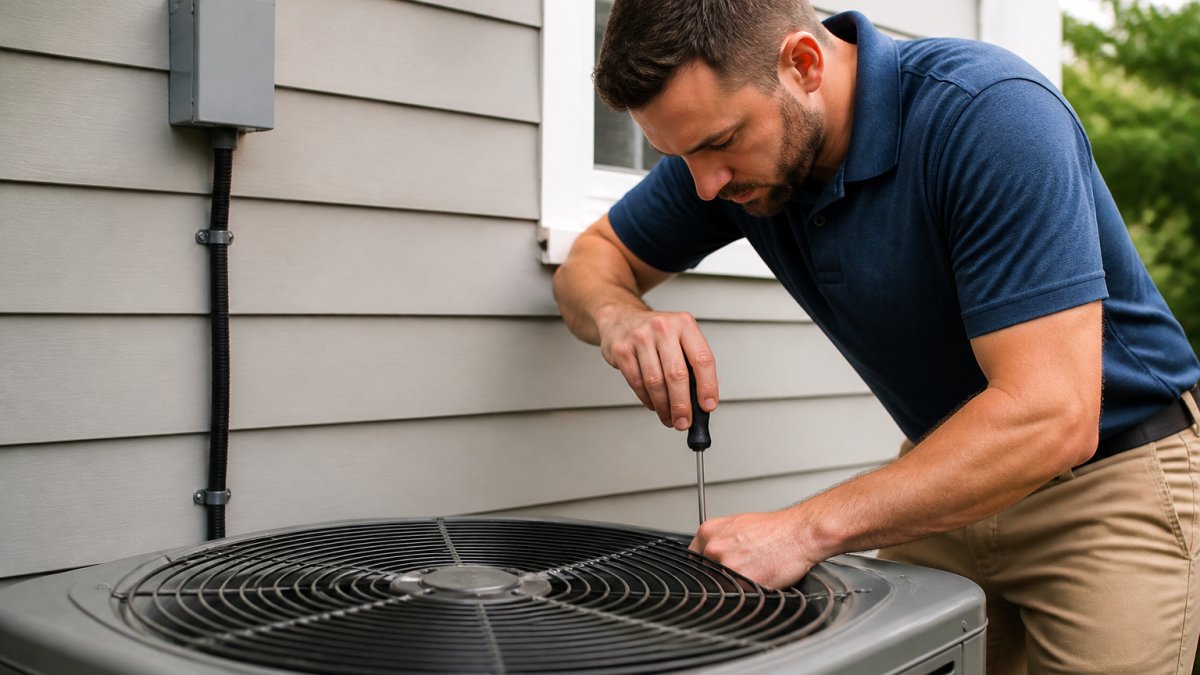
- HVAC tune-up each spring and fall
- Air filter replacement every 60 to 90 days
- Water heater flushing once a year to clear sediment
Tier 3: Tasks That Protect Curb Appeal and Resale Value
Lower urgency, but they add up over time:
- Exterior paint touch-ups and siding checks
- Landscaping and yard maintenance
- Interior deep cleaning and grout care
| Tier | Focus | Consequence of Skipping | Typical Frequency |
|---|---|---|---|
| Tier 1 | Water and structure | Rot, mold, foundation damage | 2-4 times per year |
| Tier 2 | Systems and appliances | Shorter appliance lifespan, higher operating costs | 1-4 times per year |
| Tier 3 | Curb appeal and value | Declining resale value, bigger cosmetic repairs | 1-2 times per year |
Step 2: Set a Home Maintenance Schedule You Will Actually Follow
A home maintenance schedule only works if it fits your calendar. The trick is to anchor tasks to seasons instead of trying to remember them, and then to budget the actual hours, because a checklist you can't fit into your week is just a list of things you'll feel guilty about.

The Seasonal Checklist, Compressed
- Spring: roof inspection, gutter cleaning, HVAC cooling tune-up, exterior caulking
- Summer: deck and fence care, landscaping, irrigation checks, plumbing leak review
- Fall: gutter cleaning again, heating tune-up, weatherproofing, water heater flush
Budget the Hours, Not Just the Tasks
Most maintenance advice tells you what to do and skips how long it takes. That's the part that breaks for busy professionals. A realistic time budget looks like this:
- Under 15 minutes: swap HVAC filters, test smoke and carbon monoxide detectors, run a flashlight under sinks, check the water heater pan for moisture. These are the tasks you can do on a coffee break and they catch the most common Tier 1 problems early.
- 30 to 60 minutes: caulk a window or door seam, clear a dryer vent, inspect the attic for staining after heavy rain, check the grading around the foundation. These are weekend-morning tasks, not weekend tasks.
- Half a day or more, or a pro: roof inspection, gutter cleaning on a two-story home, HVAC tune-ups, water heater flushing, anything requiring a ladder above the first story or a permit.
The pattern most busy professionals land on is roughly two to four hours of hands-on time per season, plus one or two professional visits. If your schedule can't absorb that, the fix isn't to skip tasks, it's to move them from the DIY column to the delegated column in Step 3.
Rank Tasks by Risk, Effort, and Consequence
Treating every checklist item as equally urgent is how maintenance systems collapse. A simple ranking helps you decide what to do now, what to delegate, and what to defer without guilt:
- High consequence, low effort, do immediately. Detector tests, filter swaps, and a visual check under sinks fall here. Skipping them is cheap now and expensive later.
- High consequence, high effort, delegate. Roof inspections, gutter cleaning, and HVAC tune-ups protect the most expensive systems in the house. These are the tasks worth paying someone to own.
- Low consequence, low effort, batch. Caulking touch-ups, grout care, and paint touch-ups can be grouped into one seasonal block instead of scattered across the month.
- Low consequence, high effort, defer or drop. Landscaping projects and cosmetic upgrades can wait until the Tier 1 and Tier 2 work is handled.
Automate the Calendar
Two hours in January to map this out saves you from scrambling later. Put each task on your calendar with a reminder two weeks ahead, and set the events to recur annually so you're not rebuilding the list every year. A few practical habits make the system stick:
- Anchor to a trigger, not a date. "First weekend after the last frost" is easier to remember than "April 15," and it adapts when the season shifts.
- Stack tasks. Pair the filter swap with the monthly detector test so one reminder covers two jobs.
- Keep a one-page log. A simple spreadsheet or notes file with the date, task, who did it, and cost makes warranty claims and resale disclosures far easier. It also shows you where the money actually goes.
Step 3: Decide Which Home Maintenance Tasks to Outsource
Not every task deserves your time. The useful question isn't "can I do this?", it's "what does it cost me, in money and risk, if I do it myself versus paying someone?" Most competitors stop at "hire a pro for the big stuff." A decision framework is more useful than a rule of thumb.
The Three-Question Test
Before you decide to DIY, run every task through three questions:
- Does it require a ladder above the first story, a permit, or working with gas, electrical panels, or refrigerant? If yes, outsource. These are the tasks where a mistake is dangerous or voids a warranty, not just inconvenient.
- Would a botched job cost more than the professional service? A leaking shutoff valve you "fixed" yourself can cause water damage that dwarfs the original repair bill. Roof work, water heater work, and anything touching the electrical panel fall into this category.
- Is the task recurring and time-consuming? Gutter cleaning twice a year on a wooded lot, seasonal HVAC tune-ups, and landscaping are better delegated because the time cost compounds.
If the answer to all three is no, DIY is usually the right call.
What's Safe to DIY
- Air filter replacement every 60 to 90 days, a five-minute job that protects the HVAC system.
- Smoke and carbon monoxide detector tests monthly, plus battery swaps.
- Basic caulking around windows, doors, and interior seams.
What to Hand to a Professional
- Roof inspection and shingle repair, ladder risk plus warranty implications.
- HVAC tune-ups, refrigerant handling and system calibration require licensing.
- Water heater flushing and anode rod replacement, sediment and pressure risks.
- Electrical work, permits, code, and insurance exposure.
How to Vet a Professional
Hiring well is its own skill. A few checks separate a reliable technician from a callback headache:
- Confirm licensing and insurance for the trade, most states publish lookup tools, and a legitimate pro will share a certificate of insurance without hesitation.
- Ask for a flat-rate or written estimate before work begins, and get the scope in writing.
- Ask what's included in a tune-up, a real HVAC tune-up checks refrigerant levels, cleans coils, and tests the capacitor, not just swaps a filter.
- Check warranty terms on parts and labor, and keep the invoice in your maintenance log.
The Real Trade-Off
The question isn't cost alone. It's whether the hours you'd spend learning and doing a task are worth more than the professional's rate, and whether a mistake would create a repair that costs multiples of the service fee. For most busy professionals, the math favors DIY on the 15-minute tasks and professional service on anything that touches water, structure, gas, or the electrical panel.
Step 4: Build a Home Maintenance Budget Around Lifecycle Costs
Budgeting for maintenance means planning for the life of your systems, not just this month. Every major component has an expected lifespan, and replacing it on schedule costs far less than emergency replacement after a failure.
Set aside a monthly amount for routine maintenance and a separate reserve for larger replacements.
Track what you spend. After a year, you'll see exactly where your money goes and can adjust. Cost savings come from early detection, not from skipping tasks.
Step 5: Automate Reminders and Delegate the Follow-Through
Reminders solve memory. They don't solve follow-through. The most reliable system pairs calendar automation with a single point of contact who actually does the work.
Set recurring calendar events for every task in your schedule. Then decide who executes each one.
This is where a membership model earns its place. Lone Eagle Home Services handles seasonal tune-ups, coordinates vendors, and sends a digital service report after every visit.
Common Mistakes That Undo Preventative Home Maintenance
The biggest mistake is treating maintenance as a one-time project. It's a cycle, and it resets every season.
Other frequent errors:
- Ignoring small leaks because they "aren't that bad yet"
- Skipping the fall gutter cleaning after a dry summer
- Replacing filters late and blaming the HVAC system for poor performance
- Hiring the cheapest bid and then chasing the contractor for weeks
Early detection is cheap. Deferred maintenance is not.
Conclusion
The challenge for busy professionals isn't knowing what to do. It's having a system that does it without consuming your weekends. Lone Eagle Home Services offers proactive seasonal tune-ups, one trusted team for all vendor coordination, flat-rate pricing, and confirmed appointments with digital reports after every visit. See our plans and let us take preventative home maintenance off your list.
Frequently Asked Questions
How much time should I set aside for home maintenance each month?
Plan on two to four hours a month for a typical single-family home, split between a 30-minute walkthrough and one or two scheduled tasks. The 80/20 rule applies here: a small share of tasks, mainly roof inspection, gutter cleaning, HVAC tune-ups, and leak checks, prevents most expensive damage. Batch the rest into two seasonal blocks in spring and fall so you are not chasing small chores every weekend.
Which home maintenance tasks should busy professionals outsource?
Outsource anything that requires a ladder, a permit, or a specialty tool: roof and shingle inspection, gutter cleaning, HVAC tune-ups, water heater flushing, and exterior caulking and weatherproofing. These are also the tasks where a mistake causes water damage or voids a warranty. Keep low-risk items in-house, like air filter replacement, testing smoke detectors, and interior cleaning. The home maintenance tasks to outsource should be the ones with the highest consequence if skipped.
Is $300 a good monthly home maintenance budget?
It can be a reasonable planning figure for many households, but the right number depends on your home's age, size, and systems. A common rule of thumb is to set aside 1% of your home's value annually for maintenance, which for a $600,000 home is about $500 a month. Build your home maintenance budget around lifecycle costs, meaning the expected replacement age of your roof, water heater, and HVAC system, rather than a flat guess.
Do I really need preventative home maintenance if my house is new?
Yes. New homes still need annual maintenance because builder-grade materials age fast and small defects appear in the first few years. A routine inspection catches shingle damage, grading problems, and caulking gaps before they turn into water damage. Early detection is far cheaper than major repairs, and documented annual maintenance also protects your warranty and resale value.