 comparison
Is Home Maintenance Membership Worth It?
Table of Contents
- What Is a Home Maintenance Membership?
- Handyman vs. Contractor: Cost Breakdown and Scope
- Proactive Maintenance vs. Reactive Repairs: The Real Difference
- Average Cost of Home Maintenance Per Year and ROI Analysis
- Home Maintenance Checklist for Homeowners and What Memberships Cover
- Contractual Red Flags and Vetting Your Provider
- Is a Home Maintenance Membership Right for You?
- Frequently Asked Questions
Last Updated: September 4, 2026
What Is a Home Maintenance Membership?
A home maintenance membership is a subscription-based service that provides regular, scheduled maintenance and on-demand repairs for your home. Unlike traditional pay-as-you-go handyman services, these memberships bundle preventative care, seasonal tune-ups, and emergency repairs into a flat-rate agreement. The model shifts your home from reactive crisis management to proactive property upkeep.
A membership eliminates the friction of juggling multiple contractors. Instead of calling different specialists for HVAC, plumbing, and general repairs, members work with a single trusted team that understands their home's quirks.
The core appeal is predictability. You know your monthly cost upfront. You don't face surprise service charges or the anxiety of wondering whether a contractor will show up. Proactive maintenance also catches small issues before they become expensive problems, a seasonal HVAC inspection costs far less than replacing a compressor that failed during the hottest week of summer.
Handyman vs. Contractor: Cost Breakdown and Scope
Handymen handle small repairs (caulking, painting, minor plumbing, drywall patching) at $50-$150/hour without licensing requirements. Contractors specialize in larger projects (renovations, roof repairs, electrical rewiring) and must be licensed, charging hundreds per day for permitted work.
Memberships cover preventative inspections, seasonal tune-ups, and small repairs, but exclude major renovations, structural work, and permitted projects.
The cost advantage becomes clear when you map annual needs. A homeowner with five to ten small repair requests per year might spend $3,000-$5,000 using hourly handymen. A membership often delivers the same service for a flat monthly fee, eliminating the per-visit minimums and overtime charges that add up fast.
Proactive Maintenance vs. Reactive Repairs: The Real Difference
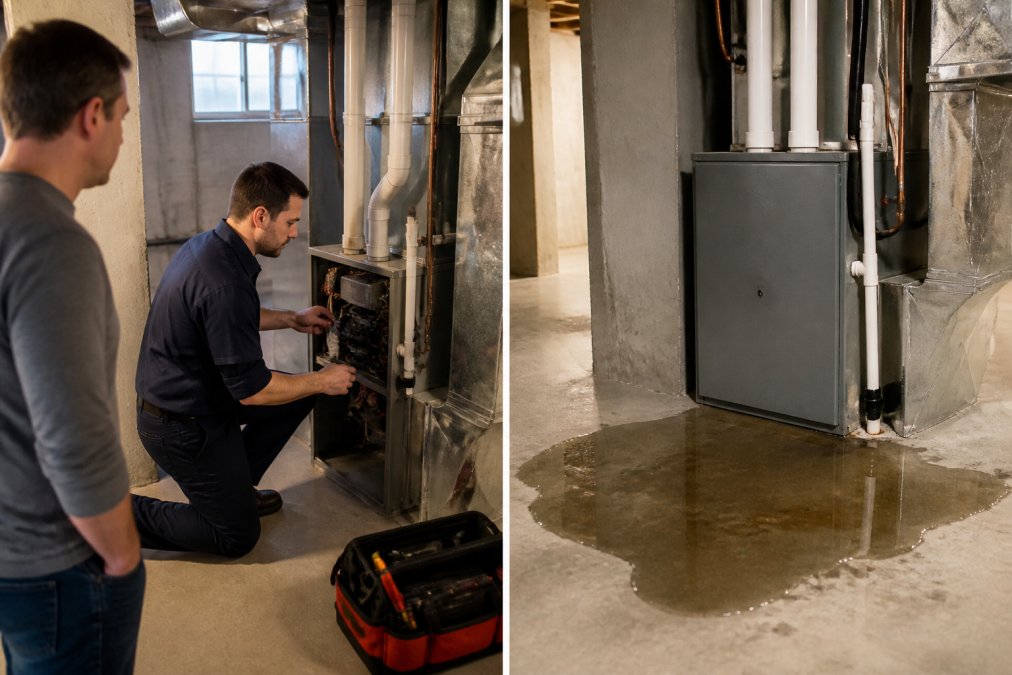
Memberships shift homeowners from reactive (call when something breaks) to proactive (schedule inspections before failures occur).
Early detection prevents costly failures: a $200 refrigerant leak repair beats a mid-summer compressor replacement at emergency rates (40-60% markup). Gutter cleaning prevents water damage; plumbing inspections catch hidden leaks before they rot subflooring.
Proactive maintenance preserves home equity, improves resale value, and can lower insurance rates and refinancing costs.
The membership model aligns provider incentives with homeowner interests: providers profit from preventing emergencies, not from emergency surcharges.
Average Cost of Home Maintenance Per Year and ROI Analysis
The U.S. Department of Housing and Urban Development recommends budgeting 1-2% of home purchase price annually for maintenance (hud.gov). For a $350,000 home, that's $3,500-$7,000/year.
Most homeowners spend $2,000-$5,000 annually reactively, but face $8,000-$12,000 spikes when major systems fail. Emergency HVAC repairs on weekends cost $1,500-$2,500 due to after-hours surcharges (peer-reviewed research).
Five-Year Cost Comparison Model:
Consider two homeowners with identical homes, both 15 years old:
Homeowner A (Reactive Model):
- Year 1: $2,800 (routine repairs)
- Year 2: $3,200 (routine repairs)
- Year 3: $6,500 (water heater failure, emergency plumbing)
- Year 4: $2,900 (routine repairs)
- Year 5: $4,100 (HVAC compressor repair, roof leak)
- 5-Year Total: $19,500
Homeowner B (Membership Model):
- Membership fee: $150/month ($1,800/year)
- Additional repairs/visits: $600-$800/year
- Year 1: $2,400
- Year 2: $2,500
- Year 3: $2,300 (preventative HVAC inspection caught refrigerant leak early; $300 repair vs. $1,500 emergency replacement)
- Year 4: $2,400
- Year 5: $2,600 (regular gutter cleaning prevented water damage; roof inspection identified minor issue before it worsened)
- 5-Year Total: $12,200
Net Savings: $7,300 over five years, or $1,460 annually.
This model assumes the membership provider catches problems early and prevents at least one major emergency per five years. For homes over 20 years old with aging systems, the savings often exceed $10,000 over five years because preventative work genuinely prevents expensive failures.
When ROI is Weaker:
Newer homes (under 10 years) in good condition often show negative ROI from memberships. If your home is under warranty and you're not experiencing regular repairs, paying $1,800-$2,400 annually for a membership is likely wasteful. You'd be better served by a pay-as-you-go model until the home ages.
Mid-range homes (10-15 years) typically break even or show modest savings ($500-$2,000 over five years). The real value shifts from pure cost savings to convenience, predictability, and documented maintenance history.
Hidden costs memberships eliminate: Service call minimums ($75-$150 per visit), emergency surcharges (40-100% markup), contractor markups on small jobs, and coordination time. A membership consolidates these into a transparent monthly fee.
Calculate your ROI: Track repair spending for three years, divide by three for average annual cost, then compare to membership fee plus estimated visits. If average annual spend exceeds membership fee by $1,000+, the membership likely saves money. For homes over 15 years old with $3,500+ annual spending, memberships typically deliver clear ROI within 3-5 years.
Home Maintenance Checklist for Homeowners and What Memberships Cover
Typical membership coverage includes:
- Seasonal HVAC maintenance (filter changes, inspections, refrigerant checks)
- Plumbing inspections and minor repairs (leaky faucets, running toilets, drain clearing)
- Electrical inspections and fixture repairs (outlets, switches, light fixtures)
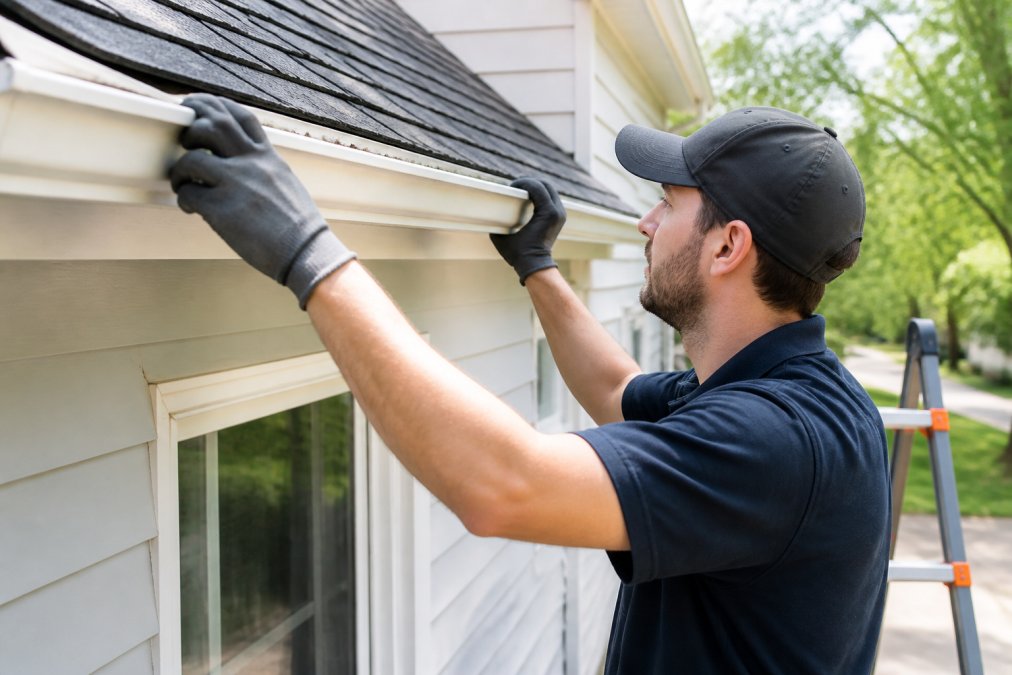
- Gutter cleaning and downspout maintenance
- Caulking, weatherstripping, and exterior sealing
- Drywall patching and interior painting (small areas)
- Fixture installation and furniture assembly
- Digital service reports after each visit
Typical exclusions:
- Major system replacements (furnace, water heater, roof)
- Structural repairs (foundation, load-bearing walls)
- Work requiring permits (electrical rewiring, plumbing additions, renovations)
- Specialized trades (roofing, masonry, HVAC installation)
- Emergency calls during nights, weekends, or holidays (some memberships charge extra)
Memberships work best for homes with predictable maintenance needs and occasional small repairs. Digital service reports build documented maintenance history, valuable for resale and insurance claims.
Contractual Red Flags and Vetting Your Provider
Critical Contract Elements to Review:
Scope Definition: Reputable providers specify exactly which tasks are included (e.g., "HVAC filter changes, plumbing repairs up to $150 in parts") and excluded. Avoid vague language like "maintenance as needed." Request a sample agreement before signing.
Cancellation Terms: Legitimate providers offer month-to-month options or 30-day cancellation. Avoid 24-month commitments or early termination fees; these indicate lock-in rather than confidence in service quality.
Service Hour Limits: Verify whether "unlimited" service has hidden caps (e.g., 4 hours/month). Confirm whether parts are included and ask markup rates, reputable providers charge cost plus 10-20%, not 50%+.
Insurance and Liability: Request a certificate of insurance naming you as additional insured. Verify coverage independently through the insurer (standard is $1 million) (iii.org). If the provider can't provide this within 48 hours, they lack adequate coverage.
Warranty and Dispute Resolution: Solid contracts include 30-90 day warranties on completed work. Avoid contracts requiring legal action for disputes under $500; that signals the provider won't stand behind their work.
Red Flags: Non-refundable fees, "technician judgment determines scope," vague liability language, surprise charges for "difficult access," restrictions on homeowner work, or no mention of technician licensing/insurance.
Verify credentials independently: Check state licensing boards, call the insurance company directly (not the provider), verify bonding through your state, search BBB/Google/Trustpilot for patterns (not individual complaints), and request references from current members.
Key questions: Are technicians employees or contractors? What's response time? Do you provide written estimates? What if work takes longer? Can I pause membership? Do you offer prepayment discounts? How do you handle unsatisfied customers? Can I request the same technician? Do you provide digital records?
Red flags in provider behavior: Pressure to sign immediately, reluctance to provide written agreements, evasiveness about insurance/licensing, vague scope, no online presence, requests for cash/wire transfer, or technicians without ID/uniforms.
Membership vs. traditional contracts: Membership contracts are ongoing with automatic renewal, potential price escalation, and sometimes unilateral scope changes. Reputable providers lock in scope, pricing, and cancellation terms in writing without pressure.
Is a Home Maintenance Membership Right for You?
The answer depends on your home's condition, your tolerance for managing contractors, and your financial situation.
A membership makes sense if:
- Your home is 10+ years old with aging systems that need regular attention
- You have a busy schedule and don't want to coordinate multiple vendors
- You prefer predictable monthly costs over surprise emergency bills
- You value having a single point of contact for home issues
- You want documented maintenance history for resale or insurance purposes
- You own your home outright or plan to stay for 5+ years
Skip the membership if:
- Your home is very new and under warranty
- You're renting or planning to move within 2 years
- You have a trusted handyman you already work with regularly
- Your home is in excellent condition with minimal repair needs
- You enjoy managing contractors and negotiating prices
- You're planning major renovations that would make a membership redundant
The membership model works best for affluent homeowners who value their time and prefer eliminating operational friction. If you're budget-conscious and willing to shop around for each repair, traditional pay-as-you-go services might be cheaper, though you'll sacrifice convenience and consistency.
For homeowners who've been burned by unreliable contractors, memberships eliminate vendor juggling, provide priority scheduling, and ensure accountability. For property owners viewing their home as an investment, the membership model delivers clear value.
Frequently Asked Questions
Is a home maintenance membership the same as hiring a handyman?
Not quite. A handyman typically responds to individual repair requests on an hourly or per-job basis. A home maintenance membership provides recurring, scheduled service visits focused on preventative care and proactive upkeep. Memberships often include seasonal tune-ups, inspections, and priority scheduling for emergency repairs, whereas traditional handyman services are reactive, you call when something breaks. The membership model aims to prevent costly repairs before they happen.
What's the difference between a home maintenance membership and a home warranty?
Home warranties cover the cost of replacing or repairing major systems (HVAC, plumbing, electrical) when they fail, but they charge service fees per claim and may deny coverage for pre-existing conditions. A home maintenance membership focuses on preventative care through scheduled visits and minor repairs, with flat-rate pricing and no claim denials. Memberships address maintenance and small problems before they become expensive failures; warranties kick in after something breaks.
How much does home maintenance membership cost compared to paying for repairs as needed?
Membership costs vary by provider and coverage tier, but the value depends on your home's age, condition, and repair history. A well-maintained newer home may not need frequent service, making a membership less cost-effective. Older homes or properties with deferred maintenance typically benefit more because preventative seasonal tune-ups catch small issues before they escalate into expensive repairs. Review your home's specific needs and compare the membership fee against your typical annual repair spending. Check the provider's pricing page for current rates and available plans.
What happens if I'm unhappy with the work or need to cancel my membership?
Cancellation policies vary by provider. Before signing up, review the contract for lock-in periods, cancellation fees, and the guarantee on completed work. A reputable provider backs their labor with a service guarantee, if work doesn't hold up, they return to fix it at no extra cost. Ask about the cancellation process and any early-termination penalties. Transparency on these terms is a sign of a trustworthy provider; vague or aggressive contract terms are red flags.
Deciding whether a home maintenance membership is worth it ultimately hinges on your home's age, your schedule, and your willingness to invest in prevention over crisis management. Lone Eagle Home Services provides the infrastructure, consistent scheduling, licensed technicians, digital service reports, and flat-rate pricing, that transforms home maintenance from a source of stress into a managed system. See our plans to find the membership level that fits your property's needs.
This article was written using GrandRanker