 comparison
Proactive Home Maintenance Reviews: 2026 Guide
Table of Contents
- What Proactive Home Maintenance Reviews Reveal About Prevention
- Home Maintenance Costs: What Reviews Show About Budget Planning
- Home Maintenance Checklist: The Foundation of Proactive Care
- Home Maintenance Membership: Comparing Service Models and Value
- Home Repair Service Reviews: How to Evaluate Quality and Accountability
- The Case for Proactive Maintenance: Preventing Expensive Problems
- Frequently Asked Questions
Last Updated: October 12, 2026
What Proactive Home Maintenance Reviews Reveal About Prevention
Proactive home maintenance reviews show a clear pattern: homeowners who catch problems early spend significantly less on repairs.
This is where proactive home maintenance becomes essential: rather than waiting for something to break, you systematically check your home's condition, identify risks before they escalate, and address issues on your timeline instead of in crisis mode.
The real value of proactive home maintenance reviews lies in prevention: they reveal what's working, what's wearing, and what needs attention before it becomes expensive. A trained professional with a structured checklist catches what you'd miss, hidden moisture, aging seals, declining HVAC efficiency, electrical concerns, and slow foundation shifts.
Home Maintenance Costs: What Reviews Show About Budget Planning
Understanding home maintenance costs requires separating two categories: preservation work (low-cost tasks that stop deterioration) and renovation work (higher-cost tasks that improve or modernize). Most homeowners conflate the two, overspending on cosmetic upgrades while ignoring water intrusion.
Preservation vs. Renovation: Two Different Budgets
Preservation stops damage. Typical tasks include winterization (draining supply lines, adding antifreeze to traps), debris removal, board-up, lawn and landscape maintenance, lock changes, roof patching, tarping, and leak mitigation. Priced per task or visit, the goal is to hold the property in its current condition, not improve it.
Renovation changes the property. Kitchen and bathroom remodels, flooring, window upgrades, and structural repairs are priced per square foot or project, aiming to raise usability, safety, or resale value.
Itemized Preservation Task Costs
Typical ranges for common preservation tasks. These are national ballparks; regional labor rates, property size, and access difficulty can push them higher or lower. Treat them as planning figures, not quotes.
| Preservation Task | Typical Frequency | Typical Cost Range | What It Prevents |
|---|---|---|---|
| Winterization (drain lines, antifreeze traps) | 1x before freeze season | $75-$250 per property | Burst pipes, water damage |
| Debris removal (interior/exterior) | As needed | $150-$600 per haul | Pest harborage, blocked drainage |
| Board-up (windows/doors) | As needed | $100-$400 per opening | Break-ins, weather intrusion |
| Lawn and landscape maintenance | Monthly during growing season | $75-$200 per visit | Code violations, pest habitat, curb-appeal decline |
| Lock changes / rekey | After vacancy or turnover | $75-$200 per lock | Unauthorized entry |
| Roof patch or tarp | After storm or leak | $250-$900 per area | Interior water damage, mold |
| Leak mitigation (minor plumbing) | As discovered | $150-$500 per incident | Mold, rot, structural damage |
Renovation Cost Ranges for Comparison
Renovation costs are an order of magnitude higher. A minor kitchen refresh runs into the low five figures, a full kitchen remodel into the mid-to-high five figures, and a bathroom remodel into the mid five figures depending on scope and finishes. The biggest drivers are scope (cosmetic vs. structural), materials, labor availability, and permits.
Factors That Move Both Budgets
Several factors affect both budgets:
- Property condition. A vacant or distressed home needs more preservation work before renovation can begin.
- Season. Winterization and freeze protection are cheaper before the first freeze than after a burst pipe.
- Access. A property with overgrown landscaping or blocked entry costs more to service.
- Region. Labor rates and permit costs vary significantly by market.
- Timeline. Emergency calls cost more than scheduled visits.
Budget Planning and Cost Control
Fund preservation first, then renovation. Set aside a monthly preservation reserve sized to your property's condition, a vacant or distressed home needs more than an occupied, well-maintained one. Track every task with dates and receipts; this documentation supports insurance claims, code compliance, and resale disclosures.
The Cost of Delaying Repairs
Delaying preservation work rarely saves money. A small plumbing leak left for six months can cause mold, wood rot, and structural damage, turning a few-hundred-dollar repair into a five-figure remediation. The pattern repeats across roofing, drainage, and HVAC. Treat prevention as risk reduction, not a guaranteed return.
Membership and Pay-Per-Service Budgeting
Membership models bundle scheduled preservation visits into a predictable monthly cost, simplifying budgeting for homeowners who want consistent coverage. Pay-per-service suits properties needing only occasional, targeted work. The trade-off is predictability versus flexibility: membership costs more upfront but reduces surprise emergency invoices; pay-per-service keeps fixed costs low but leaves you exposed to variable repair bills.
| Maintenance Type | Frequency | Typical Cost Range | Prevents |
|---|---|---|---|
| HVAC inspection & filter replacement | 2x annually | $150-300/year | Compressor failure, reduced efficiency |
| Gutter cleaning | 2x annually | $150-400/year | Water damage, foundation issues |
| Plumbing inspection | 1x annually | $100-200/year | Hidden leaks, water damage |
| Weatherization check | 1x annually | $100-150/year | Energy loss, moisture intrusion |
| Water heater flush | 1x annually | $100-200/year | Sediment buildup, early failure |
Home Maintenance Checklist: The Foundation of Proactive Care
A structured home maintenance checklist is the foundation of proactive care, but the right checklist depends on the property's condition. A well-maintained, occupied home needs a seasonal tune-up checklist; a vacant, distressed, or foreclosed property needs a preservation checklist focused on stopping further deterioration. The wrong checklist wastes money and leaves real risks unaddressed.
Checklist by Property Condition
Occupied, well-maintained home. Seasonal tune-ups, filter changes, and early detection, the classic preventive-maintenance checklist.
Vacant home. Security, weatherproofing, and preventing small issues from becoming large ones unnoticed. Vacancy accelerates deterioration because no one catches leaks, pest entry, or freeze damage.
Distressed or foreclosed property. Stabilize first: secure the structure, stop active water intrusion, remove hazards, and document condition. Renovation decisions come after.
Preservation Checklist for Vacant and Distressed Properties
- Secure the property. Change or rekey locks, board up openings, and confirm all entry points are closed.
- Stop water intrusion. Patch roof leaks, tarp damaged areas, clear gutters and drainage, and check for active plumbing leaks.
- Winterize. Drain supply lines, add antifreeze to traps, and confirm the heating system is either safely off or safely on.
- Remove debris and hazards. Clear interior and exterior debris, remove standing water, and address pest harborage.
- Maintain the exterior. Mow, trim, and remove overgrowth that hides damage or invites pests.
- Document condition. Photograph and date every finding. This record supports insurance, code compliance, and resale.
Seasonal Checklist for Occupied Homes
- Spring. Roof and gutter inspection, drainage check, cooling system tune-up, exterior caulking and weatherstripping review.
- Summer. Irrigation and landscape check, pest inspection, deck and exterior surface review.
- Fall. Heating system tune-up, weatherization, gutter cleaning, freeze preparation.
- Winter. Freeze protection, interior moisture check, sump pump test, emergency supply review.
Short-Term Stabilization vs. Long-Term Improvement
Not every property needs a renovation. Three questions decide it:
- Is the property losing value to active damage? If yes, stabilize first. Preservation work is almost always cheaper than the damage it prevents.
- Does the property meet safety and usability goals as-is? If not, renovation may be required, but only after the envelope is sound.
- What is the intended outcome? If the goal is to hold the property, preservation is usually sufficient. If the goal is resale or occupancy, renovation may be necessary to meet buyer or code expectations.
A useful rule of thumb: preservation is appropriate when the property is structurally sound and the goal is to prevent deterioration. Renovation is appropriate when the property is structurally sound but does not meet safety, usability, or market expectations. If the property is not structurally sound, neither preservation nor renovation should proceed until the structural issue is addressed.
Lifecycle Cost and the Cost of Delaying Repairs
Preventive maintenance limits later repair bills by catching issues while they're small. A $200 inspection that identifies a developing roof leak can prevent a water damage claim in the thousands.
These are risk-reduction examples, not guarantees. Actual savings depend on the property, the severity of the issue, and how quickly it's addressed. What's consistent is the direction: delaying preservation work compounds costs; addressing it early keeps them bounded.
Digital tools like Homer and HomeZada organize checklists, set reminders, and track completion. The real value comes from following the checklist consistently, yourself or via a professional membership arrangement.
Home Maintenance Membership: Comparing Service Models and Value
Home maintenance membership services have grown because they solve a real problem: homeowners don't want to manage multiple contractors, coordinate schedules, or wonder if they're being overcharged.
Membership services typically include seasonal tune-ups as a baseline benefit. Lone Eagle Home Services, for example, bundles proactive maintenance visits into the membership, ensuring your home gets systematic reviews at key times of year.
The trade-off is membership cost versus pay-per-service pricing. A membership costs more upfront but saves money if you use the benefits.
Membership vs. Pay-Per-Service: What Reviews Indicate
Membership services excel when you value consistency, priority access, and predictable costs, you're paying for guaranteed availability and a trusted team.
Pay-per-service works if you're comfortable researching contractors, comparing quotes, and managing multiple relationships.
Reviews consistently show membership members report higher satisfaction with reliability and communication. They know someone is coming on scheduled dates, aren't scrambling when something breaks, and receive digital reports documenting what was inspected and maintained.
Home Repair Service Reviews: How to Evaluate Quality and Accountability
When evaluating any home repair or maintenance service, accountability matters more than price.
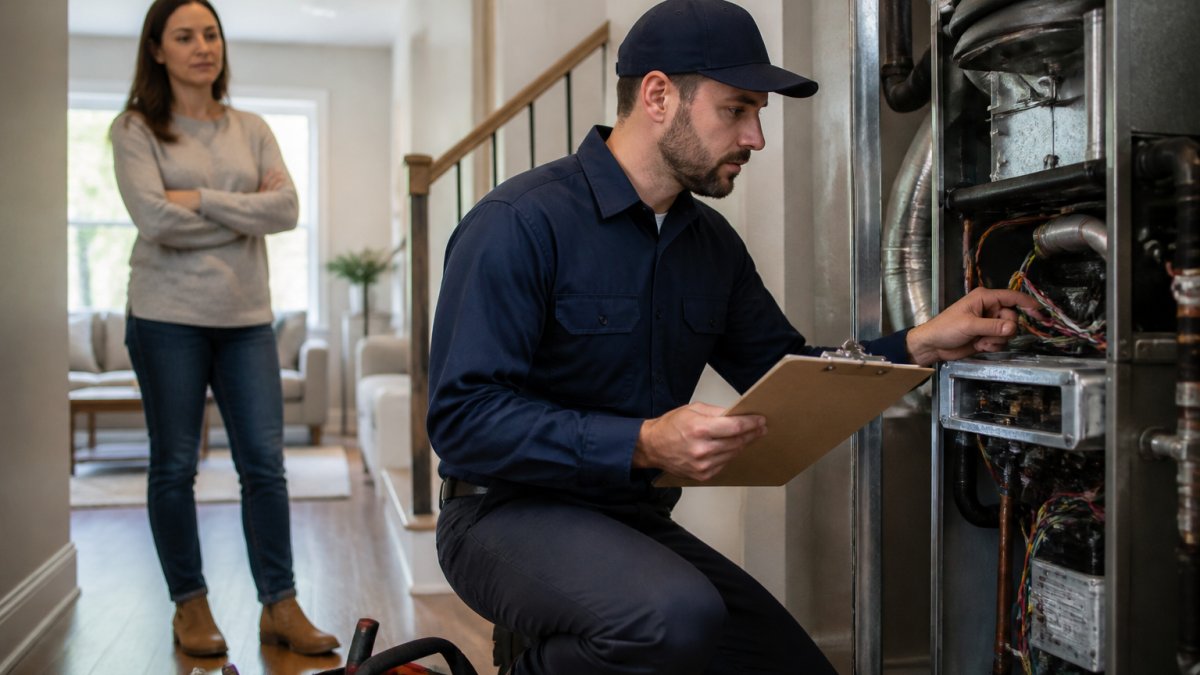
Look for services that provide documentation. After each visit you should receive a detailed report of what was inspected, found, completed, and recommended for future work.
Verify licensing and insurance. A legitimate service carries liability insurance and holds appropriate licenses.
Check references and reviews, but be skeptical of both.
Ask about guarantees. If work fails within a reasonable timeframe, what happens?
The Case for Proactive Maintenance: Preventing Expensive Problems
The strongest case for proactive home maintenance is economic: every dollar spent on prevention saves multiple dollars on emergency repairs. A $200 inspection that identifies a developing roof leak prevents a $5,000 water damage claim.
The economics go beyond direct repair costs.
Proactive home maintenance also protects your lifestyle.
The membership model amplifies these benefits. Services like Lone Eagle Home Services handle scheduling, documentation, and coordination, so you're not managing multiple contractors or trying to remember when you last had your HVAC serviced, the team ensures nothing falls through the cracks.
Frequently Asked Questions
How much should you budget for home maintenance and repairs annually?
Financial advisors typically recommend setting aside 1-2% of your home's purchase price each year for maintenance and unexpected repairs. For a $400,000 home, that translates to $4,000-$8,000 annually. Proactive home maintenance reviews help you allocate this budget efficiently by identifying small issues before they become expensive emergencies. New homes may require less; older homes typically need more.
Are home maintenance membership plans worth it?
Reviews indicate membership plans work best for homeowners who value predictable costs, priority scheduling, and coordinated vendor management. If you're juggling multiple contractors or paying reactive repair premiums, a membership can reduce stress and prevent costly emergency calls. However, if your home is new and well-maintained, the value depends on whether you prefer preventive oversight or only paying for repairs as needed. Evaluate based on your property's age and your time availability.
What should I look for in a home maintenance service review?
Focus on accountability markers: whether technicians show up on time, provide detailed service reports, and stand behind their work. Check for flat-rate pricing transparency, licensing and insurance verification, and how the company handles warranty issues. Real reviews often mention communication clarity, appointment reliability, and whether seasonal tune-ups actually prevented larger problems. Avoid services with vague pricing, hidden fees, or no clear liability guarantee.
How do proactive home maintenance services help prevent costly repairs?
Proactive services identify small problems, worn seals, minor leaks, filter clogs, loose connections, before they escalate. A seasonal HVAC tune-up catches refrigerant loss early. A plumbing inspection spots corrosion before a pipe fails. Early intervention costs far less than emergency repairs, water damage restoration, or system replacement. Reviews consistently show homeowners save thousands annually by catching issues during routine visits rather than waiting for failures.
The case for proactive home maintenance reviews is straightforward: it costs less, prevents emergencies, protects your home's value, and gives you peace of mind. Lone Eagle Home Services makes this approach practical by handling the systematic reviews, coordinating repairs, and providing the accountability that traditional handyman services lack. See Plans to explore membership options designed for homeowners who want professional, consistent care rather than reactive scrambling.