 comparison
Property Preservation vs. Home Renovation Costs
Table of Contents
- Property Preservation vs. Home Renovation: Core Differences
- Home Maintenance Costs: Preservation vs. Renovation Breakdown
- Cost to Remodel a House: Scale and Scope
- Home Renovation Budget Planning: Factors That Drive Costs
- Preventive Home Maintenance: The Long-Term Cost Advantage
- Decision Framework: When to Preserve, When to Renovate
- Frequently Asked Questions
Last Updated: October 12, 2026
Property Preservation vs. Home Renovation: Core Differences
Understanding the distinction in property preservation vs home renovation is fundamental to making smart decisions about your home's future. These two approaches address different problems, operate on different timelines, and carry vastly different cost implications.
Property preservation focuses on maintaining your home's current condition and preventing deterioration.
The difference matters because the cost structures, timelines, and expected returns are entirely different. A preservation strategy prioritizes prevention and stability. A renovation strategy prioritizes transformation and improvement.
What Property Preservation Covers
Property preservation includes routine maintenance, seasonal inspections, minor repairs, and preventive work designed to keep your home functioning as intended. Think of it as the healthcare equivalent of regular checkups and preventive care rather than emergency surgery.
This covers tasks like HVAC inspections and filter changes, roof inspections and minor repairs, gutter cleaning, foundation monitoring, plumbing inspections, electrical system checks, weatherproofing, caulking, and addressing small leaks before they spread.
The goal is straightforward: extend the life of existing systems and catch problems early when they're cheap to fix.
What Home Renovation Covers
Home renovation transforms existing spaces. It includes kitchen and bathroom remodels, structural changes, system upgrades (replacing old electrical panels, updating plumbing), cosmetic improvements, layout modifications, and adding new features or functionality.
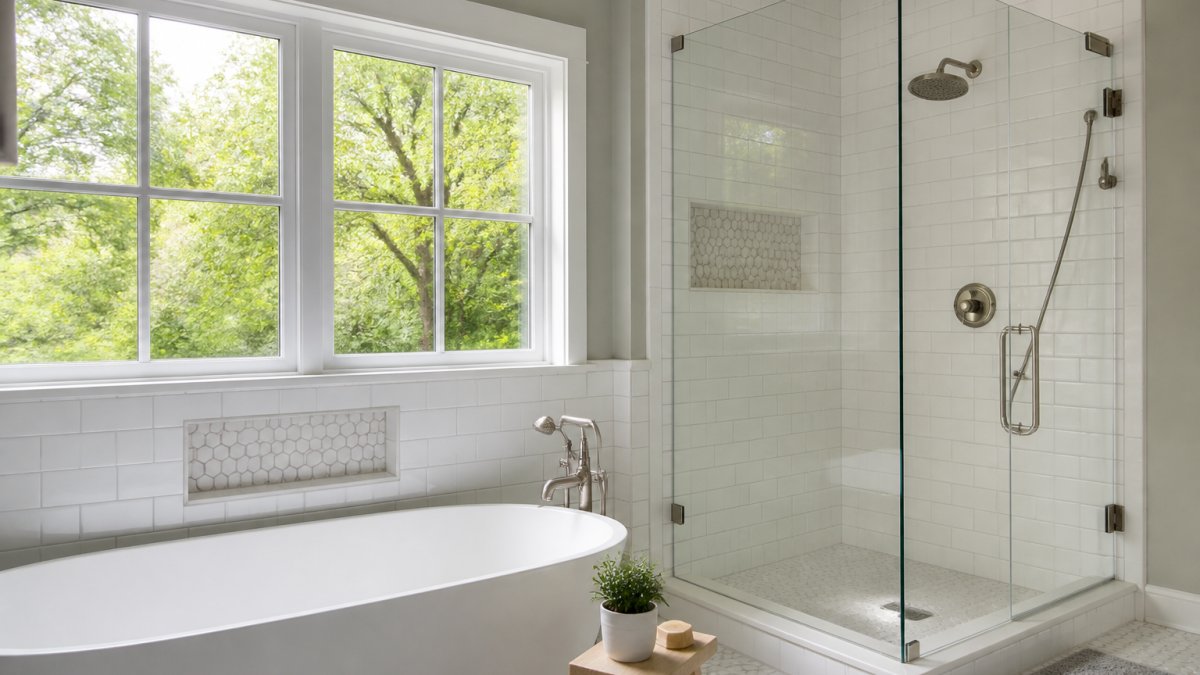
A kitchen renovation might involve new cabinetry, countertops, appliances, flooring, and reconfigured layouts. A bathroom remodel could mean new fixtures, tile, ventilation systems, and waterproofing.
Renovations are discretionary in a way preservation isn't. You choose to renovate to improve your lifestyle, increase home value, or modernize outdated systems. Preservation is the cost of ownership itself.
Home Maintenance Costs: Preservation vs. Renovation Breakdown
The financial reality of property preservation versus home renovation differs dramatically in scale, predictability, and long-term impact.
Typical Preservation Task Costs
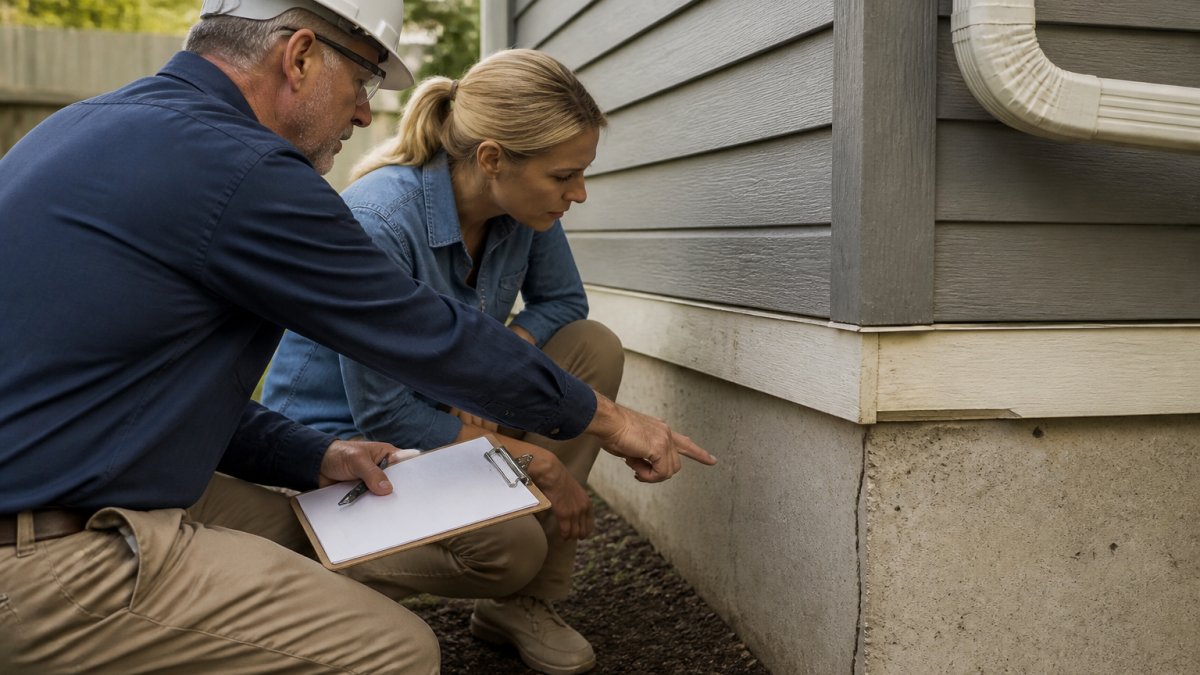
Preservation costs are typically modest, recurring, and spread across the year. A professional HVAC inspection runs between $100 and $300. Gutter cleaning typically costs $150 to $400 depending on home size. A roof inspection costs $200 to $500.
Seasonal winterization, weatherstripping, caulking, and minor sealing work, runs $300 to $800. Foundation inspections cost $400 to $800.
The problem with reactive preservation is that small issues compound. A small roof leak ignored becomes water damage in the attic. A minor foundation crack becomes a structural problem. A slow plumbing leak becomes mold.
Renovation Costs by Project Type
Renovation costs operate at a completely different scale. A kitchen remodel typically ranges from $50,000 to $100,000 or more for a mid-range update. A bathroom remodel runs $10,000 to $30,000 for a standard bathroom, more for primary baths.
These aren't annual expenses, they're major projects undertaken once every 15-20 years, if at all. They're also discretionary. You decide whether to renovate based on lifestyle preferences, market conditions, or planned resale.
The cost breakdown for renovations typically includes labor (40-50% of total), materials (30-40%), permits and fees (5-10%), and contingencies for unexpected issues (10-15%). Labor costs vary significantly by region and contractor experience.
Cost to Remodel a House: Scale and Scope
Understanding how renovation costs scale helps you evaluate whether a major project makes financial sense for your situation.
Whole-House Remodel Cost Per Square Foot
A whole-house remodel typically costs between $100 and $400 per square foot, depending on the extent of work and finishes selected. A basic remodel, new flooring, paint, updated fixtures, and minor system upgrades, sits at the lower end.
For a 2,000-square-foot home, this translates to $200,000 to $800,000. The variation is enormous because "remodel" means different things. A cosmetic refresh costs far less than structural reconfiguration or system replacement.
The cost per square foot also depends on what you're replacing. Updating a kitchen and bathrooms costs more per square foot than refreshing bedrooms and living spaces.
Partial Remodels and Kitchen/Bathroom Updates
Most homeowners don't remodel their entire house at once. Kitchen remodels, the most common single renovation, average $50,000 to $100,000 for mid-range work. Bathroom remodels run $10,000 to $30,000 depending on size and finishes.
These partial remodels are more manageable financially and logistically than whole-house projects. They also deliver measurable returns. Kitchen and bathroom updates typically recover 50-60% of their cost in increased home value, making them the most common renovation choice.
Partial remodels allow homeowners to spread costs across multiple years. You might remodel the kitchen one year, update bathrooms the next, and refresh the master bedroom suite the following year.
Home Renovation Budget Planning: Factors That Drive Costs
Several factors influence whether your renovation budget will hold or expand during the project.
Property Condition and Structural Repairs
The condition of your home's existing structure directly impacts renovation costs. A home with solid bones, good foundation, intact roof, functioning electrical and plumbing systems, costs less to renovate than one requiring structural repairs.
Discovering hidden problems during renovation is common and expensive. Opening walls to update electrical wiring might reveal outdated insulation, moisture damage, or pest damage. Removing old flooring might expose subfloor rot.
This is why experienced contractors build contingency budgets of 10-15% into renovation estimates. That buffer accounts for the unknown problems discovered once work begins. Properties with known structural issues or deferred maintenance require larger contingencies.
Labor, Materials, and Contractor Fees
Labor typically represents 40-50% of renovation costs. Skilled contractors, electricians, plumbers, and specialized tradespeople command premium rates, particularly in markets with strong demand for their services.
Material costs fluctuate based on market conditions, supply chain disruptions, and your finish selections. Choosing premium finishes, high-end cabinetry, natural stone countertops, luxury flooring, dramatically increases material costs compared to mid-range options.
Contractor fees vary based on experience, reputation, and local market rates. Established contractors with strong track records typically charge more than newer contractors, but they also deliver more predictable timelines and quality.
Contingency Budget and Unexpected Expenses
Unexpected expenses are virtually guaranteed in renovation projects. Building codes may require upgrades beyond the original scope. Structural issues discovered during demolition necessitate additional work. Material shortages might force substitutions or delays.
Professional contractors recommend contingency budgets of at least 10-15% of the total project cost. For a $100,000 renovation, that's $10,000 to $15,000 held in reserve. Many projects exceed their contingency budgets, requiring additional investment mid-project.
The challenge is that contingency budgets are psychological, homeowners often spend them on upgrades rather than reserving them for true emergencies. This leads to scope creep and budget overruns.
Preventive Home Maintenance: The Long-Term Cost Advantage
The financial case for property preservation becomes compelling when you examine long-term costs and the compounding impact of deferred maintenance.
Preventive maintenance costs less than reactive repairs. A $200 annual HVAC inspection and filter change prevents a $3,000 emergency repair when your system fails in winter. A $300 roof inspection catches small problems before they become $15,000 water damage repairs.
The mathematics are straightforward: small preventive investments prevent large reactive expenses. A home receiving consistent preventive maintenance requires fewer emergency repairs, experiences fewer system failures, and maintains better condition over time.
How Preventive Maintenance Prevents Costly Repairs
Preventive maintenance works by identifying and addressing problems at their earliest, cheapest stage. An HVAC system inspected annually catches worn components before failure. A roof inspected every few years catches minor leaks before water infiltrates your home.
The cost of prevention is typically 5-10% of the cost of allowing problems to develop. Catching a roof leak early costs a few hundred dollars.
This is where property preservation and home renovation intersect with financial planning. Homeowners who invest in consistent preservation avoid many of the structural and system problems that force expensive renovations.
Seasonal Tune-Ups and Routine Inspections
Seasonal maintenance, preparing your home for winter or summer, prevents weather-related damage and system failures. Winterization includes weatherstripping, caulking, gutter cleaning, and HVAC inspection.
Routine inspections, annual or semi-annual walkthroughs by professionals, catch problems homeowners miss. A professional inspector notices foundation cracks, roof deterioration, plumbing leaks, electrical hazards, and structural issues that untrained eyes overlook.
The cost of seasonal tune-ups and routine inspections is modest, typically $500 to $1,500 annually depending on home size and scope.
At Lone Eagle Home Services, we emphasize this preventive approach because it aligns with how homeowners actually want to manage their properties.
Decision Framework: When to Preserve, When to Renovate
The choice between preservation and renovation depends on your property's condition, your timeline, and your goals.
Property Condition Scenarios
A home in good condition with functioning systems and no major deferred maintenance is a preservation candidate. Regular maintenance keeps it stable and extends the lifespan of existing systems.
A home with deferred maintenance, aging systems, and cosmetic wear needs assessment. Some situations call for preservation, catching up on maintenance and establishing a regular schedule. Others require renovation, replacing systems beyond economical repair or addressing structural issues.
A distressed property or one with significant structural problems may face a rebuild-versus-renovation decision. In some cases, the cost of renovation exceeds the cost of new construction, making demolition and rebuild the better financial choice.
Intended Use and Timeline
Your timeline influences the preservation-versus-renovation decision. If you plan to live in your home long-term, preservation investments pay off through reduced emergency repairs and extended system lifespan. If you plan to sell within a few years, strategic renovations targeting kitchen, bathrooms, and curb appeal may deliver better returns.
Intended use matters too. A home you'll occupy for 20 years justifies different maintenance and renovation decisions than one you'll own for five years. Long-term ownership makes preservation investments worthwhile because you'll experience the full benefit of prevented repairs.
Return on Investment and Resale Value
Kitchen and bathroom renovations typically recover 50-60% of their cost in increased home value. Cosmetic improvements like painting, flooring, and landscaping recover 70-80%.
Property preservation doesn't directly increase home value, but it prevents value loss. A home with deferred maintenance commands a lower price than one in good condition.
The financial case for property preservation vs home renovation strengthens over time when preservation is prioritized.
The distinction between property preservation and home renovation fundamentally shapes your home management strategy and financial planning. Preservation prevents expensive problems through consistent, proactive care.
At Lone Eagle Home Services, we help homeowners implement the preservation strategy that prevents small problems from becoming expensive renovations. See Plans to explore how proactive home maintenance aligns with your property's needs and your long-term goals.
Frequently Asked Questions
What is the difference between property preservation and home renovation?
Property preservation focuses on maintaining and protecting your home's existing structure and systems, roof repairs, HVAC maintenance, plumbing fixes, and structural stabilization. Home renovation transforms spaces through redesign, upgrades, and cosmetic improvements like kitchen remodels, bathroom updates, and layout changes. Preservation keeps your home functioning; renovation improves its condition, style, or usability. Both matter, but preservation prevents small problems from becoming expensive emergencies.
Is property preservation cheaper than home renovation?
Yes, typically. Property preservation costs are incremental and spread over time. Home renovation concentrates costs into single projects. However, skipping preservation can lead to major structural repairs that cost far more. Preventive maintenance is the most cost-effective approach long-term.
How much does it cost to maintain a home compared with renovating it?
Annual home maintenance typically costs a percentage of your home's value for routine care, seasonal inspections, and minor repairs. Renovations are one-time, project-based expenses. Consistent maintenance prevents the need for expensive renovations. A home receiving regular preventive care may need fewer major renovations over its lifetime, making maintenance the more economical path.
How can I keep home renovation costs down?
Prioritize repairs over replacements when possible. Plan renovations in phases rather than all at once to spread costs and manage cash flow. Get multiple contractor quotes and verify they're licensed and insured. Keep the project scope clear and avoid mid-project changes, which add time and expense. Address structural and system issues before cosmetic upgrades. Use preventive maintenance to catch problems early, reducing emergency repairs that disrupt renovation timelines and budgets.
Which home repairs should be handled before cosmetic renovations?
Address structural repairs, roof and foundation issues, plumbing and electrical system problems, and HVAC maintenance first. These affect your home's safety, function, and value. Cosmetic upgrades built on a failing foundation or leaking roof waste money. Prioritize: structural damage, water intrusion, electrical hazards, and system failures. Once these are stable, you can safely invest in kitchen remodels, bathroom updates, and aesthetic improvements. This order protects your investment and prevents expensive do-overs.