 how-to
Contractor Accountability for Home Repairs
Table of Contents
- Understanding Contractor and Homeowner Responsibilities
- Home Repair Contract Checklist: What to Include
- How to Document Contractor Work Problems
- What to Do When a Contractor Does Shoddy Work
- How Long Contractors Are Liable for Their Work
- Permits, Licensing, and Legal Protection
- Insurance and Liability: Protecting Yourself
- Why Proactive Home Maintenance Prevents Accountability Issues
- Frequently Asked Questions
Last Updated: October 7, 2026
Understanding Contractor and Homeowner Responsibilities
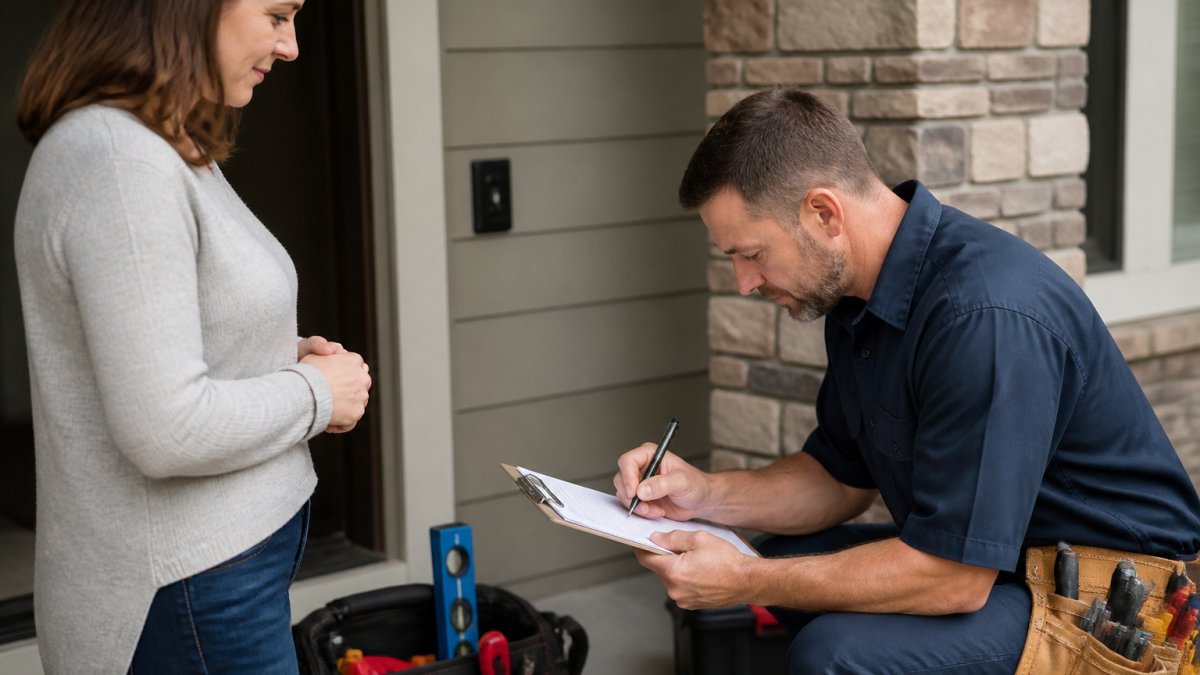
When you hire a contractor, you're entering a partnership where both sides have clear obligations. The contractor is responsible for performing the work as agreed, meeting building codes, and delivering quality craftsmanship. You, as the homeowner, are responsible for paying on time, providing access to the work area, and communicating clearly about expectations.
Contractor accountability for home repairs starts with understanding these roles. A contractor must carry proper licensing and insurance. They must follow all local building codes and obtain required permits. They must complete work within the agreed timeline and budget.
Your responsibility includes reviewing the contract before signing, asking questions about materials and methods, and documenting any changes in writing. You also need to inspect work as it progresses and raise concerns promptly. This shared accountability prevents misunderstandings and protects both parties.
Many homeowners don't realize that failing to document problems early can weaken your position later. If work goes wrong and you wait weeks to complain, the contractor may argue the issue wasn't visible at the time or that you approved it. This is why proactive communication matters.
Home Repair Contract Checklist: What to Include
A solid contract is your best defense against contractor problems. Before signing anything, verify these elements are included and clearly written.
Scope of work: This section must describe exactly what will be done.
Timeline and payment schedule: Include start and end dates. Break payment into phases tied to completion milestones, not upfront lump sums.
Materials and specifications: List every material by brand and grade. Specify paint colors, tile finishes, appliance models, and lumber grades.
Warranty and liability: The contract should state how long the contractor guarantees their work.
Insurance and licensing: Confirm the contractor carries general liability insurance and workers' compensation. Ask for proof of current license and insurance before work begins.
Permits and code compliance: Specify who obtains permits and who pays for them. The contract should state that all work meets current building codes.
Change order process: Define how changes to the original scope will be handled. Require written approval and pricing before any extra work starts.
Dispute resolution: Include language about what happens if there's a disagreement. Some contracts require mediation before lawsuits. Others specify arbitration.
How to Document Contractor Work Problems
Documentation is your evidence. Without it, disputes become he-said-she-said situations where you have little use.

Start documenting on day one. Take photos of the work area before the contractor arrives.
As work progresses, photograph completed sections from multiple angles. If you notice problems, photograph them immediately with clear angles showing the defect.
Write down dates, times, and what was done each day. Note any conversations with the contractor, including who you spoke with and what was discussed.
Keep all receipts, invoices, and estimates. Store them in a folder with the contract.
Take photos of incomplete work. If the contractor stops working and doesn't return, document the state of the project.
Record the contractor's name, company, license number, and contact information. If you hire subcontractors, get the same information from them.
Save all text messages and emails. These are evidence. If the contractor says they'll fix something verbally, follow up in writing. Don't rely on conversations alone.
What to Do When a Contractor Does Shoddy Work
Discovering defective work is frustrating. Here's how to handle it professionally and protect your interests.
Step 1: Notify the Contractor in Writing
Don't call and complain. Send a written notice describing the problem clearly. Email works, but certified mail is stronger evidence if you end up in a dispute. Include photos of the defect.
Be specific. Instead of "The work looks bad," write: "The tile in the shower has three cracked pieces in the southeast corner. These cracks were not present before your work and are visible in photos dated [date]. This violates the warranty for workmanship."
Give the contractor a reasonable deadline to respond. Five to seven business days is standard. State what you want: repair, replacement, or a refund for that portion of work.
Keep copies of everything you send. If the contractor ignores your notice, you've established a clear timeline of when they knew about the problem.
Step 2: Request a Repair or Inspection
If the contractor responds and agrees to fix it, get the commitment in writing. Specify what will be done, when, and that it will be done at no additional cost to you.
If the contractor disputes the problem, suggest an independent inspection. Hire a licensed inspector or engineer to evaluate the work. This costs money upfront but provides neutral evidence. If the inspection confirms the defect, the contractor often has to pay for it.
Many contractors will negotiate once they see an independent report. They know a documented defect strengthens your position if you pursue legal action.
Step 3: Escalate if the Contractor Does Not Respond
If the contractor ignores your written notice or refuses to fix the problem, escalate. Send a second notice via certified mail stating that you expect resolution within 10 days or you'll pursue other remedies.
Contact your state or local contractor licensing board. File a complaint documenting the defect, your attempts to resolve it, and the contractor's response. The licensing board can investigate and may revoke or suspend the contractor's license if violations are found.
Consider hiring an attorney for a demand letter. This formal notice often motivates contractors to settle. An attorney can also advise whether you have grounds for a lawsuit.
Document all costs related to fixing the problem. Keep receipts for inspections, repairs by other contractors, and any temporary fixes you make. These are damages you can claim.
How Long Contractors Are Liable for Their Work
Liability varies by state and by what type of work was done. Understanding your timeframe is critical because waiting too long can eliminate your legal options.
Most states recognize an implied warranty on workmanship. This typically lasts one to two years from completion.
Some states have longer periods for structural defects.
Your written contract may extend or limit these periods. Always review what warranty your contractor promised in the signed agreement. If the contract says "one-year warranty on all materials and labor," that's what you're entitled to.
The clock usually starts when the work is completed and you accept it. Accepting work means signing off that it's finished. If you sign a completion document, that date matters legally.
Some defects don't appear immediately. If a roof leaks six months after installation, you're still within the warranty period. But if it leaks three years later, you may be outside the standard timeframe.
Keep records of your contract and any warranty documents for at least five years. These prove what was promised and when.
Permits, Licensing, and Legal Protection
Permits exist to protect you. They ensure work meets building codes and is inspected by qualified officials. A contractor who skips permits is cutting corners.
Licensed contractor means the person holds a valid license from your state or local authority. Licensing requirements vary by location and trade. Some states require general contractor licenses for all work; others only for specific trades. Verify the contractor's license before hiring.
Check the licensing board's website for the contractor's record. Look for complaints, disciplinary actions, or license suspensions. This history reveals patterns of problems.
Building permits are required for most significant home repairs. Electrical work, plumbing, structural changes, and roof replacements almost always need permits. Interior painting usually doesn't. When in doubt, ask your local building department.
Permits cost money and take time, which is why some contractors avoid them. But unpermitted work creates problems:
- Insurance may not cover damage from unpermitted work
- You may face fines from your local government
- You can't sell the home without disclosing unpermitted work
- Future buyers may demand expensive corrections
Require your contractor to obtain all necessary permits. Make sure inspections are completed and signed off. Don't pay the final bill until the building department confirms the work passed inspection.
Insurance and Liability: Protecting Yourself
Insurance protects you if something goes wrong. Make sure your contractor carries the right coverage.
General liability insurance covers injuries and property damage caused by the contractor's work. If a worker is injured on your property, this insurance pays their medical bills, not your homeowner's insurance.
Workers' compensation insurance is required in most states if the contractor has employees. This covers workers injured on the job.
Request certificates of insurance directly from the contractor's insurance company, not from the contractor. This confirms coverage is active and valid.
Review your homeowner's insurance policy. Confirm it covers contractor-caused damage. Some policies exclude certain types of work or require additional riders. Call your agent before hiring a contractor.
If something goes wrong, a worker is injured, property is damaged, or the work causes harm, report it to your insurance company immediately. Don't wait. Delays can affect your claim.
Consider requiring the contractor to add you as an "additional insured" on their liability policy. This provides extra protection and is a standard request.
Why Proactive Home Maintenance Prevents Accountability Issues
The best way to avoid contractor problems is to prevent them through consistent maintenance. Small issues caught early rarely require major repairs.
Regular inspections catch problems before they become expensive. Walk around your home quarterly. Check for roof leaks, foundation cracks, plumbing leaks, and electrical issues. Address small problems immediately.
Seasonal tune-ups prevent emergencies. Have your HVAC system serviced twice yearly. Inspect gutters and downspouts before heavy rain. Trim tree branches near the roof.
When you do need work, hire contractors early in the season. Spring and fall see fewer emergencies, so contractors have more availability and may offer better rates.
Keep detailed records of all maintenance and repairs. This history helps future contractors understand what's been done and what still needs attention.
Our membership model focuses on seasonal tune-ups and proactive inspections so small issues never become big ones.
Choose contractors carefully, document everything, and address problems quickly. This approach protects your home and your wallet. When contractor accountability becomes necessary, you'll have the documentation and clear communication to resolve issues fairly.
Frequently Asked Questions
How long are contractors liable for their work?
Contractor liability varies by state and depends on the type of work performed. Most states recognize a warranty period ranging from one to ten years for structural defects, while workmanship issues are typically covered for one to two years. The contract should specify the warranty period. If a contractor fails to honor this obligation, you can pursue a breach of contract claim. Always verify your state's specific statutes of limitation, as they determine how long you have to file a legal claim after discovering defective work.
What should I do when a contractor does shoddy work?
First, document the problem with photos and written descriptions. Send the contractor a written notice requesting repairs within a specific timeframe, typically 7-14 days. If they don't respond or refuse, request an independent inspection to establish repair costs. You can then pursue remedies including repair demands, payment withholding, small claims court, or filing a complaint with your state's licensing board. Keep all documentation and written communications to support your claim.
What should a home repair contract include?
A strong contract must include a detailed scope of work, materials to be used, project timeline, total cost and payment schedule, warranty terms, permit responsibilities, insurance requirements, and dispute resolution procedures. The contract should specify who is responsible for cleanup, how change orders are handled, and what happens if work is incomplete. Include the contractor's license number, insurance information, and a clear description of quality standards. Review it carefully before signing and don't hesitate to ask questions about unclear terms.
How do I document problems with a contractor's work?
Take detailed photographs and videos of defects from multiple angles, including close-ups and wide shots showing the defect in context. Write down the date, time, and specific description of each problem. Keep all receipts, invoices, and written communications with the contractor. Request a written inspection report if you hire an independent inspector. Save emails, text messages, and any photographs the contractor sent you. This documentation creates a clear record of what was promised versus what was delivered, which is essential if you need to pursue a complaint or legal claim.
Contractor accountability matters because your home is your largest investment. When repairs go wrong, you need clear recourse. Lone Eagle Home Services eliminates the complexity of managing multiple contractors by providing a single, trusted team for all your maintenance and repair needs. Our flat-rate pricing and digital service reports ensure complete transparency. See Plans to learn how proactive home care prevents the accountability issues that plague reactive repairs.