 ultimate-guide
Hiring a Home Maintenance Manager: 2026 Guide
Table of Contents
- What a Home Maintenance Manager Does for Your Property
- Household Manager vs Property Manager: Key Differences
- How to Find a Reliable Handyman Near Me Within 5 Mi
- Home Maintenance Checklist for Homeowners: Seasonal and Monthly Tasks
- Cost of Professional Home Maintenance Services and Pricing Models
- Why Hiring a Home Maintenance Manager Beats DIY and Reactive Repairs
- The Fractional Maintenance Manager Model and Smart Home Integration
- Conclusion: Making the Right Choice for Your Home
- Frequently Asked Questions
Last Updated: September 16, 2026
What a Home Maintenance Manager Does for Your Property
A home maintenance manager owns your home's entire upkeep calendar, from routine inspections to emergency repairs, so you stop chasing contractors and filter changes.
Most homeowners don't have a maintenance problem, they have a coordination problem. A furnace that's fine in October can become a four-figure replacement in January because nobody checked the igniter.
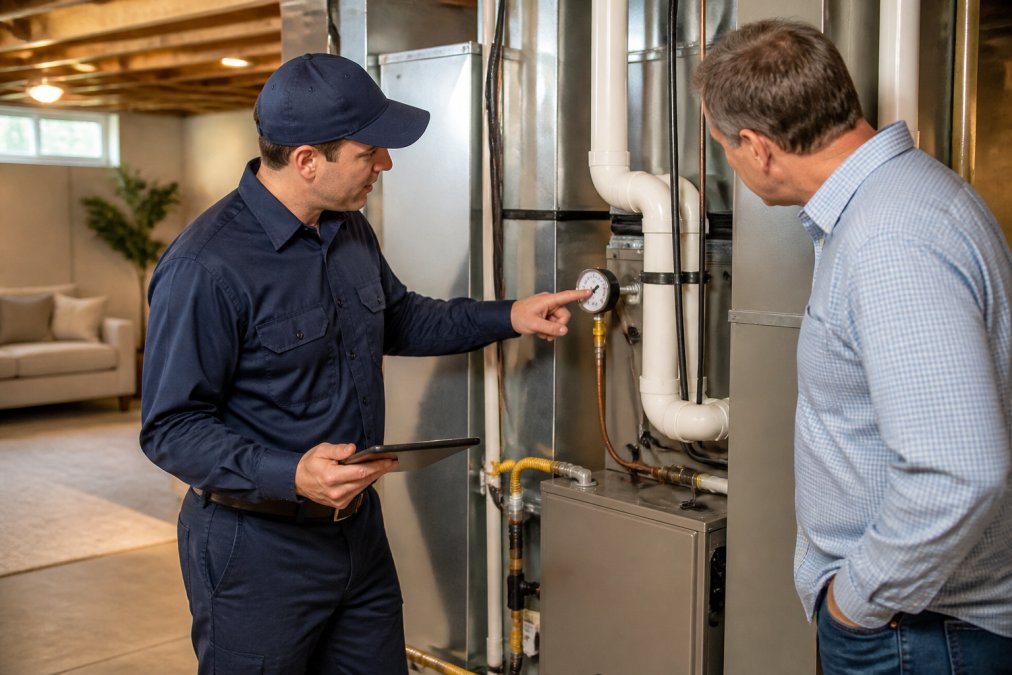
Core roles: routine inspections, vendor coordination, and emergency repairs
The job breaks into three functions, and most homeowners only buy the third.
- Routine inspections: Scheduled walkthroughs of HVAC, plumbing, electrical panels, roofing, gutters, and exterior drainage. The goal is catching wear before it fails.
- Vendor coordination: One point of contact who schedules the electrician, the plumber, and the roofer, confirms arrival windows, and verifies the work was actually done.
- Emergency repairs: A known number to call when the water heater dies on a Sunday, with someone who already knows your home's layout and history.
What most guides miss: the inspection layer is where the money is.
Household Manager vs Property Manager: Key Differences
A property manager handles real estate: leases, tenants, rent collection, and legal compliance. A household manager handles the physical home and the people who service it. If you own and live in your house, you need the second.
| Role | Primary Focus | Typical Client | Handles Leases? |
|---|---|---|---|
| Property manager | Real estate operations | Landlords, investors | Yes |
| Household manager | Home upkeep and vendors | Owner-occupants | No |
| Home maintenance manager | Systems, repairs, scheduling | Owner-occupants | No |
| General contractor | Single renovation projects | Anyone | No |
How to Find a Reliable Handyman Near Me Within 5 Mi
Searching for a handyman near me within 5 mi gets you a list of names, not a vetted one. Proximity is a starting filter, not a qualification. What separates a professional operation from a guy with a truck is worker classification, insurance, and written documentation.
- Verify licensing and insurance first. Ask for a certificate of insurance (COI) and confirm it's current by calling the carrier, not just reading the PDF. Most states require general liability at minimum, and trades like electrical, plumbing, and HVAC require a license you can verify through your state licensing board or county building department.
- Confirm worker classification. Ask directly: is the person entering my home a W-2 employee or a 1099 subcontractor? If a subcontractor is injured on your property and the hiring firm doesn't carry workers' compensation for them, the claim can reach you.
- Run a background check. Anyone entering your home repeatedly should be screened for criminal history and identity. Reputable firms re-screen on a set cadence, ask how often.
- Get a service level agreement (SLA) in writing. Response times, scope, what counts as an emergency, and what happens if a repair fails should be documented, not verbal.
- Check references for the specific service, not the company generally. A firm excellent at gutter cleaning may be mediocre at plumbing diagnostics, so ask for a reference on the exact trade.
- Confirm who actually shows up. The technician on the truck may not be the person you vetted. Ask whether the same crew returns each visit and how substitutions are handled.
Background checks, liability insurance, and service level agreements
These three items separate a professional operation from an informal one, mapping to the three risks you carry: who is in your house, who pays if something breaks, and who is accountable when work fails.
Verify a contractor license through your state licensing board
Employee vs. independent contractor: why the distinction matters to you
Most homeowners never ask this question, yet it determines who's on the hook when something goes wrong.
Home Maintenance Checklist for Homeowners: Seasonal and Monthly Tasks
A home maintenance checklist for homeowners works best split by cadence rather than season, because some tasks are monthly regardless of weather.
Monthly
- Test smoke and carbon monoxide detectors
- Check under sinks for slow leaks or moisture
- Inspect HVAC filters and replace as needed
- Run water in unused drains to keep traps sealed
Seasonal
- Clean gutters and check downspout drainage
- Service the HVAC system before heating and cooling season
- Inspect the roof for missing or lifted shingles
- Drain and winterize exterior spigots
- Check weatherstripping and exterior caulking
Annually
- Flush the water heater
- Inspect the electrical panel for signs of overheating
- Review attic insulation and ventilation
- Test sump pump operation before spring
Cost of Professional Home Maintenance Services and Pricing Models
The cost of professional home maintenance services depends on the pricing model you choose, and the models aren't interchangeable. Membership plans, hourly rates, project-based fees, and fractional arrangements each fit different situations, and the model you pick determines who carries the risk when nothing goes wrong.
| Model | Best For | Predictability | Risk Bearer |
|---|---|---|---|
| Membership | Ongoing upkeep, busy owners | High | Provider |
| Hourly | Small, occasional fixes | Low | Homeowner |
| Project-based | Defined renovations | Medium | Shared |
| Fractional | Part-time properties, second homes | High | Shared |
The fractional maintenance manager model
The fractional maintenance manager model gives you professional oversight without a full-time hire. It suits owners who are only in residence part of the year, and it's the model most second-home owners should be using.
A fractional arrangement typically covers:
- Scheduled seasonal inspections (spring and fall, at minimum)
- Vendor coordination for any work that comes out of those inspections
- A single point of contact for emergencies, with a documented response time
- A shared digital log of every service visit, so any vendor can see the home's history
Smart home integration and the data layer
Smart home integration is changing what's possible here. Leak sensors, smart thermostats, and connected sump monitors generate data a maintenance manager can act on remotely. A leak sensor that pings a monitoring contact at 2 a.m. is worth more than a monthly inspection, because it catches the failure while it's still a puddle.
The practical setup most owners land on:
- Leak sensors at the water heater, washing machine, and under every sink
- A smart thermostat with usage reporting, which surfaces HVAC strain early
- A connected sump pump alarm for basements
- A shared digital log so every vendor sees the same service history
Why Hiring a Home Maintenance Manager Beats DIY and Reactive Repairs
Reactive repair is the most expensive way to own a house: emergency rates, whoever's available, and decisions made under pressure with water on the floor.
The Fractional Maintenance Manager Model and Smart Home Integration
The practical setup most owners land on:
- Leak sensors at the water heater, washing machine, and under every sink
- A smart thermostat with usage reporting, which surfaces HVAC strain early
- A connected sump pump alarm for basements
- A shared digital log so every vendor sees the same service history
Conclusion: Making the Right Choice for Your Home
The hard part isn't finding someone to fix things. It's building a system where things get checked before they break, and where one accountable party owns the result. Most homeowners only solve this after a costly failure forces the issue.
See Plans and stop managing contractors yourself.
Frequently Asked Questions
What is the 1% rule for maintenance?
The 1% rule suggests setting aside 1% of your home's purchase price each year for maintenance and repairs. On a $500,000 home, that's $5,000 annually. This guideline helps homeowners budget for routine upkeep, seasonal tune-ups, and unexpected fixes. A home maintenance manager can help you track spending and prioritize tasks so you stay within that budget while preventing small issues from becoming costly problems.
How does a home maintenance manager differ from a property manager?
A property manager handles rentals: finding tenants, collecting rent, and managing leases. A home maintenance manager focuses on the physical care of your home, coordinating vendors, scheduling routine inspections, and overseeing repairs. If you live in your home full-time or part-time, a maintenance manager preserves your asset without the tenant-related duties. They act as your single point of contact for all home systems, from HVAC maintenance to plumbing diagnostics.
What does a home maintenance manager actually do?
A home maintenance manager performs routine inspections, schedules preventative maintenance, coordinates skilled trades, and oversees emergency repairs. They manage vendor relationships, obtain cost estimates, and ensure quality assurance on every job. They also maintain repair documentation and work order management, giving you a clear record of your home's health. This proactive approach helps you avoid surprise breakdowns and extend the life of major systems like roofing and appliances.
How do you determine if you need professional home maintenance help?
If you're spending weekends chasing contractors, missing seasonal tasks, or facing repeated emergency repairs, professional help pays off. Busy professionals and part-time residents often benefit most. A home maintenance manager provides consistent scheduling, vetted service providers, and accountability. Start by listing tasks you dread or postpone. If the list grows faster than you can handle, it's time to hire a manager who can create a customized home maintenance checklist for homeowners and execute it reliably.