 how-to
Best Ways to Avoid Emergency Plumbing | 2026 Guide
Table of Contents
- Start With a Home Plumbing Maintenance Checklist
- How to Prevent Frozen Pipes Before the First Freeze
- What to Do When a Pipe Freezes
- How to Detect Hidden Water Leaks in Walls
- Protect Outdoor Faucets, Hoses, and the Water Main
- Emergency Plumbing Response: What to Do If a Pipe Bursts
- Conclusion
- Frequently Asked Questions
Last Updated: October 17, 2026
Start With a Home Plumbing Maintenance Checklist
The best ways to avoid emergency plumbing start with a simple habit: walk your home once a season and check the water system before it checks you.
Emergency plumbing is any urgent repair needed to stop active water damage, restore water service, or fix a failed fixture. It is almost always preventable.
Here is the core checklist we would run in any home:
- Walk the basement and crawl spaces. Look for stains, rust, or damp spots.
- Check under every sink for slow drips or soft cabinet floors.
- Test the main water shutoff valve. Turn it slightly and back, so it does not seize.
- Look at exposed pipes near exterior walls for cracks or condensation.
- Confirm the water heater is dry at the base and free of rust.
- Disconnect garden hoses before the first freeze.
- Recheck the thermostat setting before any cold snap.
That list takes under an hour.
How to Prevent Frozen Pipes Before the First Freeze
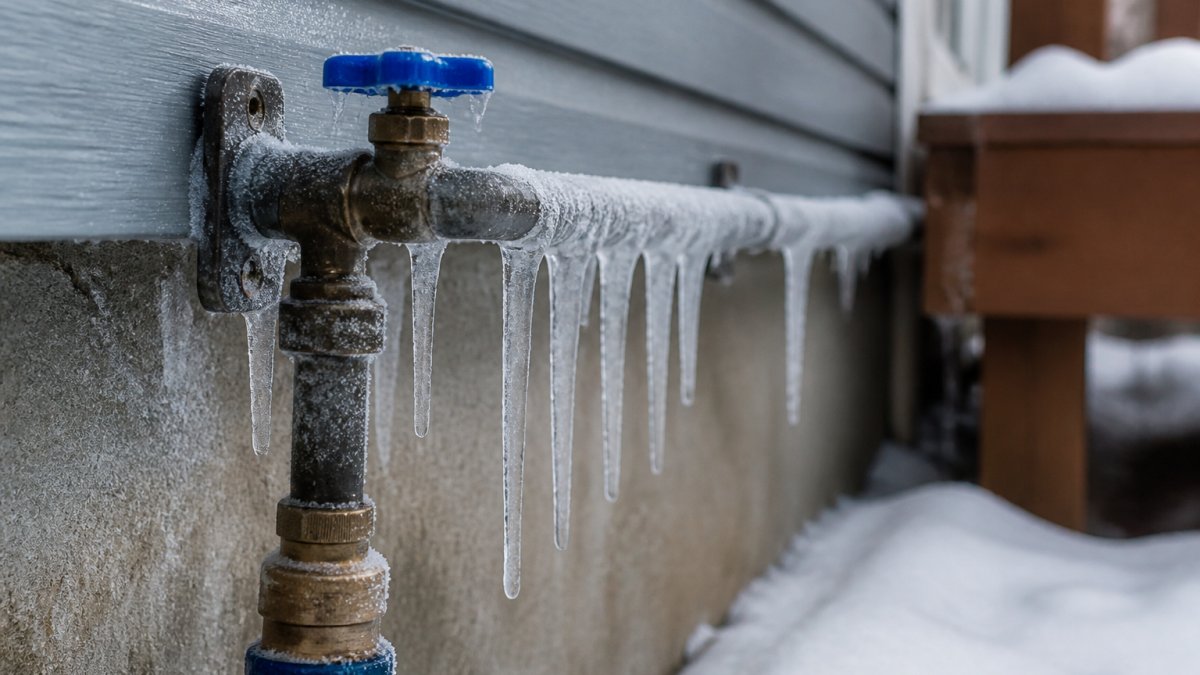
Frozen pipes are the number one winter plumbing failure, and they follow a predictable script. Water freezes, expands, and splits the pipe. The leak usually shows up only after the ice thaws, which is why the damage is often worse than the freeze itself.
Prevention comes down to four things: heat, insulation, air sealing, and water movement. Work through them in this order before the first hard freeze.
Set the Heat and Keep It There
Keep the thermostat at a minimum of 55°F (about 13°C) whenever the home is occupied or vacant. The exact number matters less than consistency: a home that drops to 45°F overnight and climbs to 70°F by morning swings the plumbing through the freeze zone repeatedly.
- Do not set the heat lower than 55°F to save money during a freeze. The repair cost of one split pipe dwarfs a season of heating savings.
- If you leave for more than a day in winter, keep the heat at 55°F or higher rather than shutting it off.
- Open cabinet doors under sinks on exterior walls so room air reaches the supply lines. Do this during the coldest nights, not just when you leave.
Insulate Exposed Pipes in Crawl Spaces, Basements, and Exterior Walls
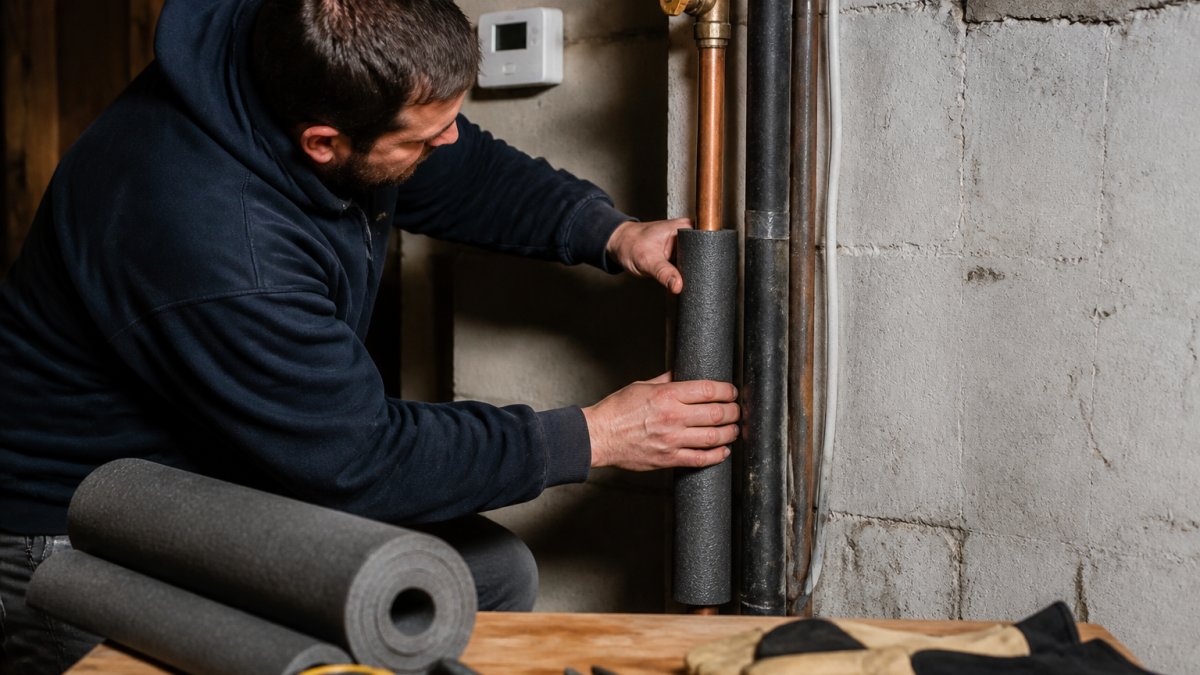
Exposed pipes in unheated spaces lose heat fast. Foam pipe sleeves are cheap and easy to fit. Wrap every run of copper or PEX that passes through a crawl space, basement rim joist, or exterior wall cavity.
Pay special attention to pipes near vents, drafty sill plates, and any spot where cold air reaches the plumbing. A sleeve that leaves a gap at a joint does little good, so butt the sections tightly and tape the seams.
Heat tape, also called electric heating cables, works for pipes that stay cold no matter what. Use only products rated for plumbing, and follow the manufacturer's instructions exactly. Never wrap heat tape over itself or cover it with insulation unless the label allows it. A miswired cable is a fire risk, not a fix.
Seal Drafts and Air Leaks Near Plumbing
Cold air finds every gap. Seal holes where pipes pass through exterior walls with expanding foam or caulk. Weatherstrip basement windows and seal rim joists. A pipe that stays warm does not freeze.
Check the sill plate where the foundation meets the framing, the band joist in the basement, and any penetration for a hose bib or dryer vent. These are the paths cold air uses to reach plumbing that looks protected.
Use Dripping Water Selectively
Letting a faucet drip is a targeted measure, not a substitute for insulation or heat. A slow drip relieves pressure in a line that is close to freezing and gives expanding ice somewhere to go.
- Drip the faucet served by the most vulnerable line, usually a sink on an exterior wall, not every fixture in the house.
- A thin stream about the width of a pencil lead is enough; a full trickle wastes water without adding protection.
- Dripping helps most during a severe cold snap, roughly when overnight lows fall into the single digits or below. It does nothing for a pipe that is already frozen.
Prepare Before You Leave
If you travel in winter, treat the plumbing like a system that needs a babysitter:
- Set the thermostat to 55°F or higher and leave it.
- Open cabinet doors under exterior-wall sinks.
- Shut off the main water valve and drain the lines if the home will sit empty for an extended period, or ask someone to check it.
- Disconnect hoses and shut off outdoor faucet supply lines before you go.
What to Do When a Pipe Freezes
When a pipe freezes, you will usually notice low or no water flow from one fixture while others run fine. Do not panic. Do not crank the heat to maximum and leave. Thaw slowly, and know when to stop.
Identify Which Pipe Is Frozen
Start at the fixture with no water. Trace the supply line back toward the main. Feel along the pipe for a section that is cold, frosted, or bulging. Frozen sections are most common in exterior walls, crawl spaces, and unheated basements.
A few symptoms narrow it down:
- One faucet weak, the rest normal: the freeze is on that fixture's branch line.
- Several fixtures on one side of the home weak: the freeze is likely in a shared run along an exterior wall.
- No water anywhere: suspect the service line or the main, and call a licensed plumber rather than opening walls.
If you cannot find the frozen spot, or the pipe sits inside a wall, call a licensed plumber. Opening a wall is a job for someone insured to do it.
Safe Thawing Methods and When to Call a Professional
Thaw frozen pipes with gentle, indirect heat:
- Open the nearest faucet so melting water can escape.
- Aim a hair dryer at the frozen section, moving it constantly.
- Use an electric heating pad rated for pipes.
- Wrap the pipe in warm towels and refresh them as they cool.
Apply heat from the end closest to the faucet and work backward toward the main. That gives melting water a path out instead of trapping it behind ice.
Stop and call a licensed plumber if any of these are true:
- You see water spraying or a bulging pipe, the pipe has already split.
- The frozen section is inside a wall, ceiling, or slab you cannot reach safely.
- You cannot shut off the water at the main, or the valve will not turn.
- The pipe is near electrical wiring, a panel, or a gas line.
If a pipe has already split, close the main valve first, then follow the burst-pipe sequence below before you start drying.
How to Detect Hidden Water Leaks in Walls
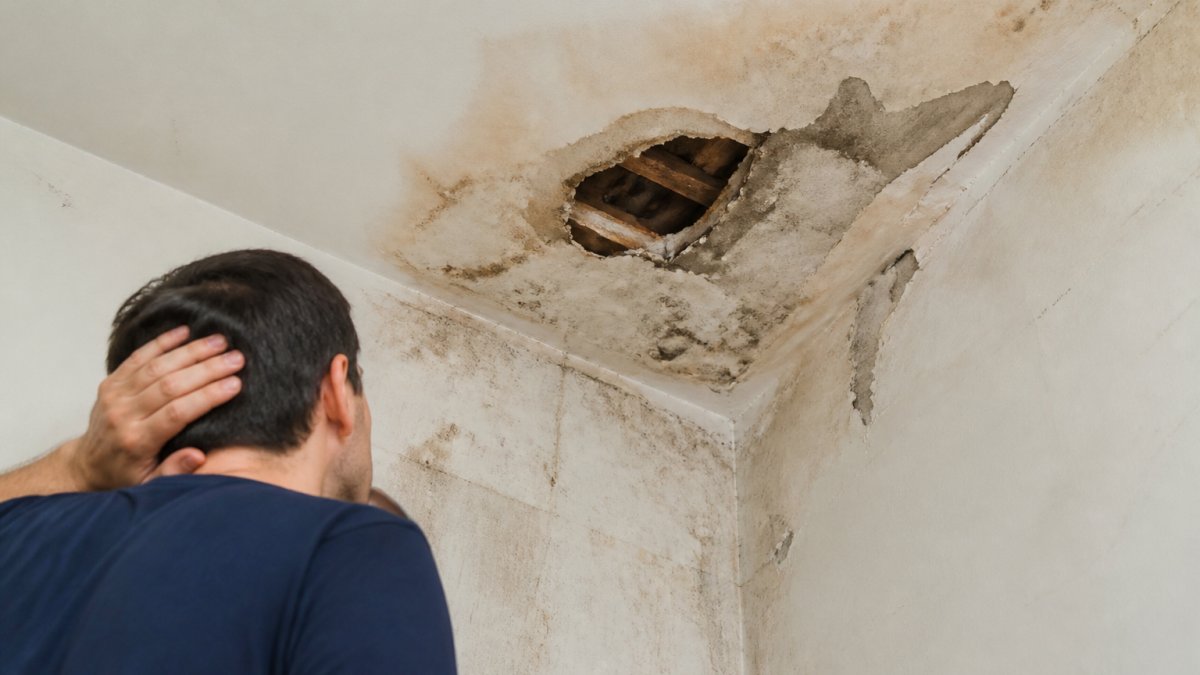
Hidden leaks announce themselves quietly, and catching them early is one of the best ways to avoid emergency plumbing later. Watch for these signals:
- A water bill that climbs with no change in use
- Musty smells in one room or closet
- Paint or drywall that bubbles, stains, or feels soft
- A faint sound of running water when everything is off
- Warped baseboards or a spongy floor near a wall
Check your water meter with every fixture off. If the dial still moves, water is escaping somewhere. Shut off the main valve and call a pro before that leak becomes a ceiling collapse.
Protect Outdoor Faucets, Hoses, and the Water Main
Outdoor plumbing freezes first because it sits in the cold with no heat around it. A few minutes of prep protects it all winter.
- Disconnect and drain garden hoses. A hose left connected traps water in the faucet and splits it.
- Shut off and drain outdoor faucet supply lines if your home has separate valves.
- Fit insulated faucet covers over frost-proof faucets for extra protection.
- Drain hoses and store them indoors or coiled and empty.
- Locate your main water shutoff valve and tag it. Everyone in the home should know where it is.
The main valve matters most. In a burst-pipe emergency, the first move is always to shut off the water at the main. Seconds count when water is pouring into a wall.
Emergency Plumbing Response: What to Do If a Pipe Bursts
A burst pipe is a now problem, not a later problem. The order of your actions decides how much damage your home takes.
- Shut off the main water valve immediately.
- Open the lowest faucet in the home to drain remaining water and reduce pressure.
- Cut power to any wet area at the breaker if water is near outlets or appliances.
- Call a licensed plumber and document the damage with photos for insurance.
- Move valuables and furniture away from the water and start drying with towels or a wet vac.
Do not wait to see if it stops. It will not.
This is where a proactive maintenance plan earns its keep. A membership-based service like Lone Eagle Home Services handles seasonal tune-ups and vendor coordination before small issues become emergencies, with flat-rate pricing and digital service reports after every visit. You can see current plans on our pricing page.
Conclusion
Winter cold, aging pipes, and small leaks will test any home, and the difference between a quiet season and a flooded basement comes down to preparation. Lone Eagle Home Services gives you one trusted team for seasonal tune-ups, priority scheduling, and member-exclusive labor rates, so problems get caught before they turn into emergency plumbing calls. Get started with Lone Eagle Home Services and keep your home dry all year.
Frequently Asked Questions
What temperature should the house be to avoid freezing pipes?
Keep indoor temperatures at 55 degrees Fahrenheit or higher, even when you are away. Open cabinet doors on exterior walls so warm air reaches the plumbing. During extreme cold, let a thin stream of cold water drip from faucets on exterior walls. These steps reduce the risk of frozen pipes and costly emergency plumbing calls.
How can you tell if a pipe is about to burst?
Watch for bulging, discoloration, or moisture on walls and ceilings, reduced water flow at fixtures, and unusual noises like banging or hissing when you turn on a tap. A pipe that has frozen often shows frost on exposed sections. If you suspect a pipe is stressed, shut off the main water valve and call a licensed plumber before it fails.
What should you do if you find a water leak?
Shut off the main water valve immediately, then open a low faucet to drain remaining water. Turn off electricity to affected areas if safe. Document damage with photos for insurance. For hidden leaks in walls, call a leak detection specialist. A home plumbing maintenance checklist that includes monthly visual checks helps catch small leaks before they become emergency plumbing events.
Do frozen pipes eventually thaw out on their own?
They may thaw as temperatures rise, but waiting risks a burst pipe and water damage. If you know a pipe is frozen, keep the faucet open and apply gentle heat with a hair dryer, heating pad, or wrapped towels. Never use an open flame. If water does not flow within a few hours or you cannot locate the frozen section, call a professional.