 how-to
Does Homeowners Insurance Cover Water Damage From Leaks?
Quick Summary
Does homeowners insurance cover water damage from leaks? Usually yes when the leak is sudden and accidental, such as a burst pipe or failed supply hose. Gradual leaks, long-term seepage and neglected maintenance are often excluded, and sewer or drain backup typically requires a separate endorsement.
- Sudden, accidental water damage is usually covered under a standard homeowners policy.
- Gradual damage, such as pinhole leaks or slow drips, is often excluded as wear and tear.
- Insurers look at staining patterns, material condition and mold growth to judge how long water was present.
- Sewer and drain backup generally requires a separate endorsement or rider.
- Photograph the failure, keep the failed part, and document every mitigation step right away.
Table of Contents
- Sudden and Accidental Versus Gradual Damage: Where Coverage Begins
- Does Homeowners Insurance Cover Water Damage From Plumbing Failures?
- Does Homeowners Insurance Cover Water Damage From a Leaking Shower?
- Sewer and Drain Backup: When Coverage Depends on Your Endorsements
- What Typically Falls Outside Coverage, Including Mold and Maintenance Neglect
- Water Damage Insurance Claim Tips: Documenting Damage and Avoiding Denial
- Booking Proactive Leak Checks Before Your Next Claim
- Frequently Asked Questions
Sudden and accidental water damage is usually covered by a standard homeowners policy in the United States, but gradual leaks, neglect and many specific sources of water are often excluded, so a clear answer to whether does homeowners insurance cover water damage from leaks depends on the details.
Water damage is one of the most common reasons homeowners file claims. ConsumerAffairs (2026) reports that water damage accounts for almost 24% of homeowners insurance claims. ConsumerAffairs water damage insurance claims statistics The average payout is also substantial. RubyHome (2026) puts the average water and freezing damage insurance payout at $13,954. RubyHome water damage statistics
Sudden and Accidental Versus Gradual Damage: Where Coverage Begins
Coverage usually begins with a simple question: was the water release sudden and accidental?
Insurers are paying closer attention to this line. ConsumerAffairs (2026) notes that carriers are increasingly denying claims tied to slow leaks and neglected plumbing. ConsumerAffairs homeowners insurance claim trends
- Sudden: the damage happens quickly, such as a burst supply line, a failed washing machine hose, or a water heater that ruptures without warning.
- Accidental: the event was unexpected from the homeowner's point of view, you did not know it was coming and did not cause it on purpose.
- Gradual: the damage builds slowly over weeks or months, often through a pinhole leak, a slow drip behind a wall, or a seal that has been failing for a long time.
Standard policies commonly exclude gradual damage under wear-and-tear, deterioration, or continuous-or-repeated-leakage language, which is why many homeowners ask whether does homeowners insurance cover water damage from leaks when the damage built up slowly.
How Adjusters Tell the Difference
Adjusters rarely rely on your description alone. They look for physical evidence that points to how long water has been present:
- Staining patterns. Fresh water leaves a single tide line. Repeated wetting and drying leaves multiple rings, which suggests a long-running problem.
- Material condition. Soft, crumbly drywall, swollen baseboards, and rusted fasteners indicate prolonged moisture, not a one-night event.
- Mold growth. Visible mold of any meaningful size usually means water has been present for days to weeks, not hours.
Watch out: a leak you noticed and ignored can turn a covered loss into a denied one. If you saw a stain, heard a drip, or smelled dampness and did not act, the insurer can reasonably argue the damage was gradual and preventable.
Seepage Versus Leakage: Why the Wording Matters
Policy language often separates two terms that homeowners use interchangeably, and the difference can decide a claim:
- Leakage generally means water escaping from a plumbing system or appliance in a way that can be traced to a specific failure or event, a burst joint, a cracked supply line, a failed valve.
- Seepage generally means water passing slowly through a surface or material over time, moisture working through a shower pan, a foundation wall, or a tile grout line, without a single identifiable escape point.
Seepage is far more likely to be excluded because it implies a long-term condition the homeowner had time to address. Leakage tied to a sudden failure is more likely to be covered. Read your policy's definitions section carefully, because some carriers define these terms differently, and the definitions control how a claim is handled.
Documenting That a Leak Was Sudden, Not Gradual
Because the burden often falls on the homeowner to show the event was sudden, build a record before you file:
- Photograph the failure point before any repair, including the failed part itself.
- Keep the failed component, a split hose, a cracked valve, a section of pipe, so the adjuster can inspect it.
- Note the date and time you first noticed water, and write down what you saw.
- Collect any prior inspection or service records that show the system was recently checked or maintained.
- Save receipts for any emergency repair that stopped the water, since that supports the sudden-event timeline.
The table below summarises how the three types of water damage are generally treated, based on the article.
| Type | What it looks like | Typical coverage |
|---|---|---|
| Sudden | Burst supply line, failed hose, ruptured water heater | Usually covered |
| Accidental | Event unexpected and not caused on purpose | Usually covered |
| Gradual | Pinhole leak, slow drip, long-failing seal | Often excluded |
Does Homeowners Insurance Cover Water Damage From Plumbing Failures?
In most cases, yes, when the failure is sudden and accidental. A failed pipe, a broken water heater or a supply line that bursts usually falls under the water damage portion of a standard policy.
Coverage gets murkier when the failure is the result of age or lack of upkeep. Standard policies often exclude damage from wear and tear, neglect or long-term seepage. Texas Department of Insurance homeowners guidance
Burst Pipes and Supply Hose Failures
A burst pipe is usually the clearest case for coverage. A braided supply hose to a washing machine or dishwasher that fails suddenly is also commonly covered, though the insurer may still pay for the water damage and not the appliance itself.
Keep the failed part. Your adjuster may want to inspect it.
Seepage Versus Leakage
Insurers often treat seepage and leakage differently. Leakage usually means water escaping from a plumbing system in a way that can be traced to a specific event. Seepage usually means water slowly passing through a surface over time, such as moisture working through a shower pan or foundation wall.
Seepage is more likely to be excluded. Read your policy's wording on both terms.
Does Homeowners Insurance Cover Water Damage From a Leaking Shower?
It depends on how the damage happened. A cracked shower pan that lets water soak into the subfloor over months is often treated as seepage or wear and tear. A sudden failure of a shower valve may be covered.
Check your policy for any exclusion tied to continuous or repeated leakage, which is common language in these policies.
Sewer and Drain Backup: When Coverage Depends on Your Endorsements
Sewer and drain backup is generally not covered under a standard homeowners policy. Coverage usually requires a separate endorsement or rider.
- Ask your agent whether a water backup endorsement is included.
- Compare the sublimit, which is the maximum payout for backup claims.
- Confirm whether the endorsement covers both sewer and drain backup.
What Typically Falls Outside Coverage, Including Mold and Maintenance Neglect
Several common causes are often excluded:
- Gradual leaks and long-term seepage
- Damage from neglected maintenance
- Flood damage from rising groundwater or surface water, which usually requires a separate flood policy
Mold coverage varies widely. Many policies cover mold only when it results from a covered sudden water event, and often with a sublimit.
Preventative upkeep matters here. Regular inspections of pipes, hoses and water heaters help you avoid the neglect argument. Lone Eagle Home Services offers maintenance plans that catch small leaks early, before they become a coverage dispute.
Water Damage Insurance Claim Tips: Documenting Damage and Avoiding Denial
A strong claim depends on documentation, and the most common reason a legitimate claim gets reduced or denied is not the damage itself, it is a missing record. Most policies require you to take reasonable steps to prevent further damage, a duty often called the "duty to mitigate," and they also expect you to prove the loss was sudden. The steps below are built around those two obligations.
Step-by-Step: What to Do in the First 24 Hours
- Stop the water source. Shut off the fixture valve or the main supply if needed. Note the time you shut it off.
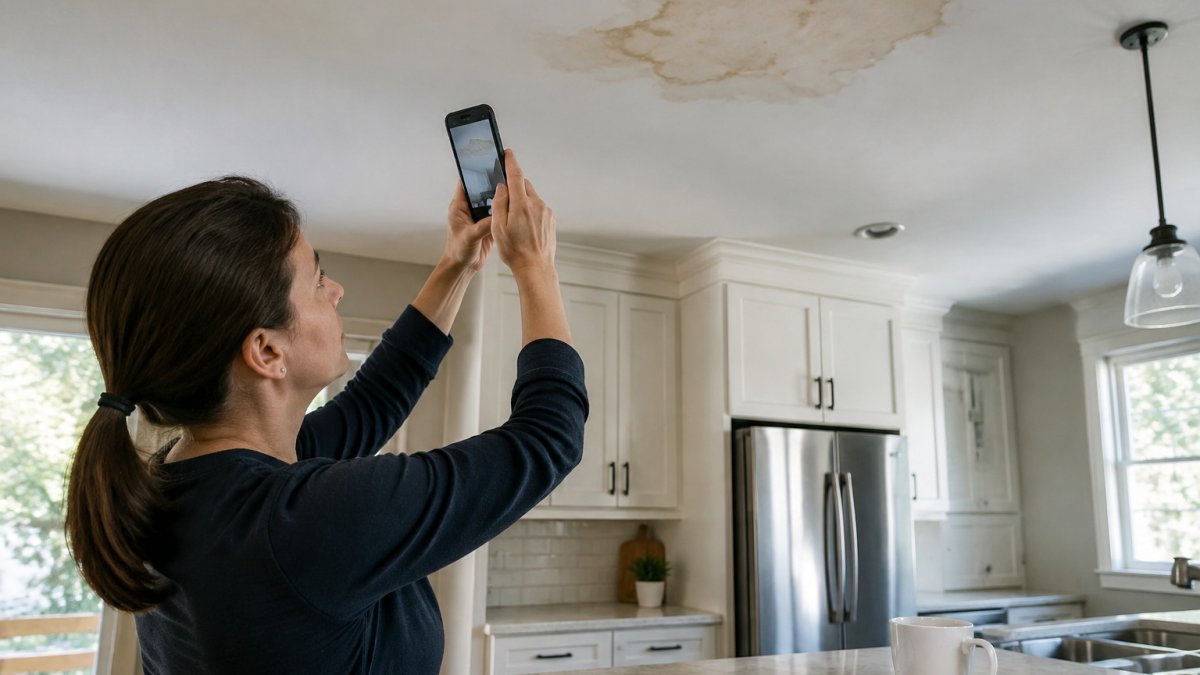
- Photograph and video everything before cleanup. Capture the failure point, the standing water, and each affected room. Wide shots first, then close-ups.
- Keep the failed part. A split hose, cracked valve, or section of pipe is physical evidence. Bag it and label it.
- Report the claim promptly. Ask for a claim number and the name of your adjuster, and log every call with date, time, and who you spoke to.
- Start mitigation immediately. Move furniture, pull up wet rugs, and set up fans or a dehumidifier. Do not wait for the adjuster to arrive before protecting the structure.
- Keep every receipt. Emergency drying, rental equipment, board-up, and temporary repairs are usually reimbursable when they are reasonable and documented.
Watch out: throwing away damaged materials before an adjuster sees them can turn a covered loss into a disputed one. If you must remove wet drywall or flooring to prevent mold, photograph it in place first and keep a small sample.
The Duty to Mitigate: How to Document It So Your Claim Survives
Mitigation is not just about saving your home, it is about proving you acted responsibly. Insurers look for evidence that you limited the loss once you knew about it. A practical mitigation record includes:
- A timeline. Write down when you discovered the water, when you shut it off, when you called the insurer, and when mitigation began.
- Before-and-after photos. Show the wet condition and the steps you took to dry it.
- Receipts and invoices for fans, dehumidifiers, extraction services, and any temporary repairs.
A clear mitigation log can make the difference between a claim that is paid in full and one that is reduced for "failure to prevent further damage." The log does not need to be formal, a notebook or a phone note is enough, but it needs to exist.
Proving a Pre-Existing Condition Was Not the Cause
If your home had prior water issues, the insurer may argue the damage was pre-existing or gradual. A pre-existing condition checklist helps you draw a clean line between old problems and the new event:
- Prior inspection reports from a plumber or home inspector showing the system was in good condition.
- Service records for water heater flushes, pipe repairs, or appliance maintenance.
- Photos from before the event showing dry walls, floors, and ceilings in the affected area.
Pay attention to the date when you first noticed the leak. Insurers ask this question first, and your answer should match your photos, your mitigation log, and any service records.
Water damage is one of the most common claim types, so proper documentation matters. Texas Department of Insurance guidance on claim documentation
Booking Proactive Leak Checks Before Your Next Claim
The best claim is the one you never file. Regular checks of supply lines, water heaters, drains and visible pipe joints catch small leaks before they turn into gradual damage. Learn more in our 2026 guide to avoiding emergency plumbing, which covers a practical checklist.
At Lone Eagle Home Services, we handle proactive leak checks as part of our membership plans, with flat-rate pricing and digital service reports after every visit. Book a proactive leak check to find problems while they are still small. Our plumbing repair team is ready when you need a fix now.
Frequently Asked Questions
Does homeowners insurance cover water damage from a slow leak?
Usually not in the way homeowners expect. Standard policies generally cover sudden and accidental water damage, such as a burst pipe that releases water quickly. Damage from long-term seepage, slow leaks, or neglected plumbing is often excluded because insurers treat it as wear and tear or a maintenance responsibility. Coverage can still apply to sudden damage that results from a slow leak once it becomes an abrupt failure, so the timeline and cause matter. Document when you first noticed the leak and what repairs were made.
Does homeowners insurance cover water damage from a sewer backup?
Standard homeowners policies typically exclude sewer and drain backup unless you have added a specific water backup endorsement. It is worth asking your agent about this endorsement before a loss occurs. Without it, damage from water backing up through drains or sewer lines is generally not covered. Review your declarations page to confirm whether the endorsement is present.
How much does homeowners insurance pay for water damage?
Payouts vary widely by the extent of the damage and the policy's limits and deductible. RubyHome reports an average water-related insurance payout of $13,954, but that figure is an average across claims, not a guaranteed amount for your home. Your actual payout depends on what is covered, the dwelling and personal property limits, and your deductible. Keep receipts and an itemized inventory to support your claim.
Lone Eagle Home Services provides a single, accountable team for seasonal tune-ups, on-demand repairs and vendor coordination across Morris County. Visit our site to see membership options and get started.