 how-to
How to Detect Hidden Water Leaks in Walls
Table of Contents
- Warning Signs of Hidden Water Leaks in Walls
- Water Meter Test for Hidden Leaks
- Thermal Imaging for Water Leak Detection
- Using a Moisture Meter for Wall Leaks
- What to Do After Finding a Wall Leak
- When to Call a Professional for Hidden Water Leaks
- Preventing Hidden Water Leaks Before They Start
- Frequently Asked Questions
Last Updated: October 14, 2026
Warning Signs of Hidden Water Leaks in Walls
A hidden water leak rarely announces itself. Most homeowners discover one only after the damage is done. This guide from Lone Eagle Home Services walks you through how to detect hidden water leaks in walls before a small drip becomes a major repair.
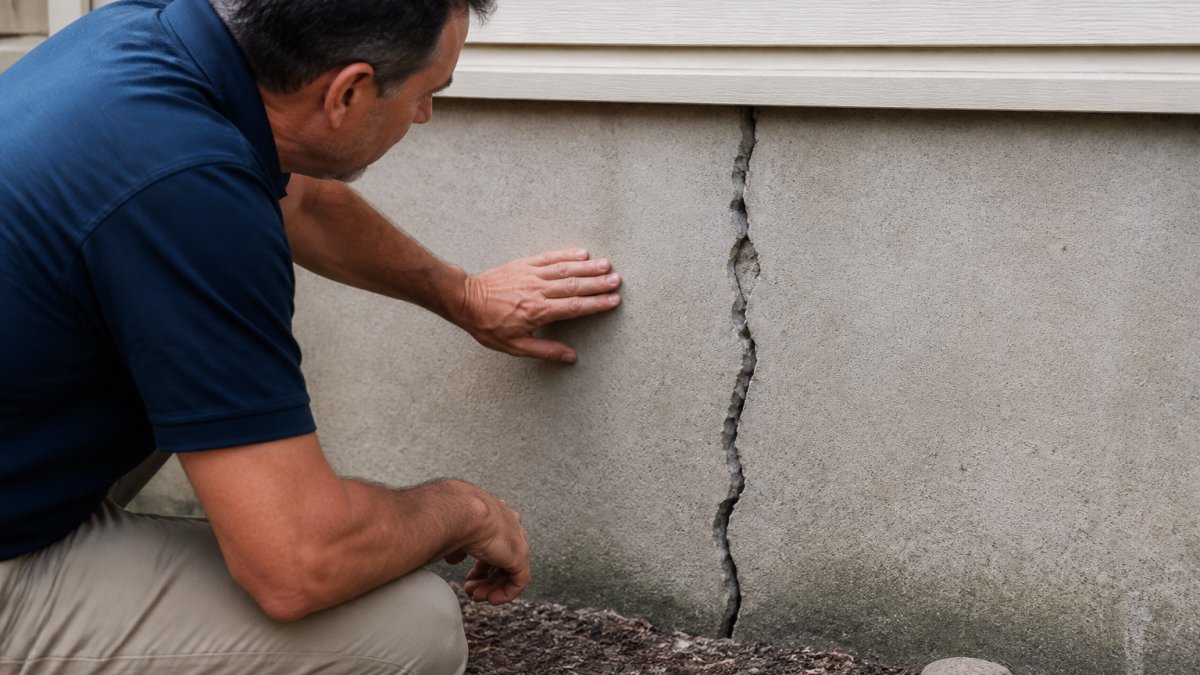
Water leaks inside walls are among the most expensive problems a home can develop. They rot framing, feed mold, and destroy drywall from the inside out. The good news: hidden water leaks almost always leave clues.
Here are the signs worth taking seriously:
- A musty, earthy smell that never goes away
- Paint that bubbles, cracks, or peels without reason
- Soft, spongy, or discolored drywall
- A water bill that climbs with no change in use
- Staining on ceilings or baseboards
- Warped flooring near a wall
One of these signs alone may mean nothing. Two or more together usually points to moisture behind the surface.
If you notice any of these, don't wait. The steps below will help you confirm whether you have hidden water leaks in your walls.
Water Meter Test for Hidden Leaks
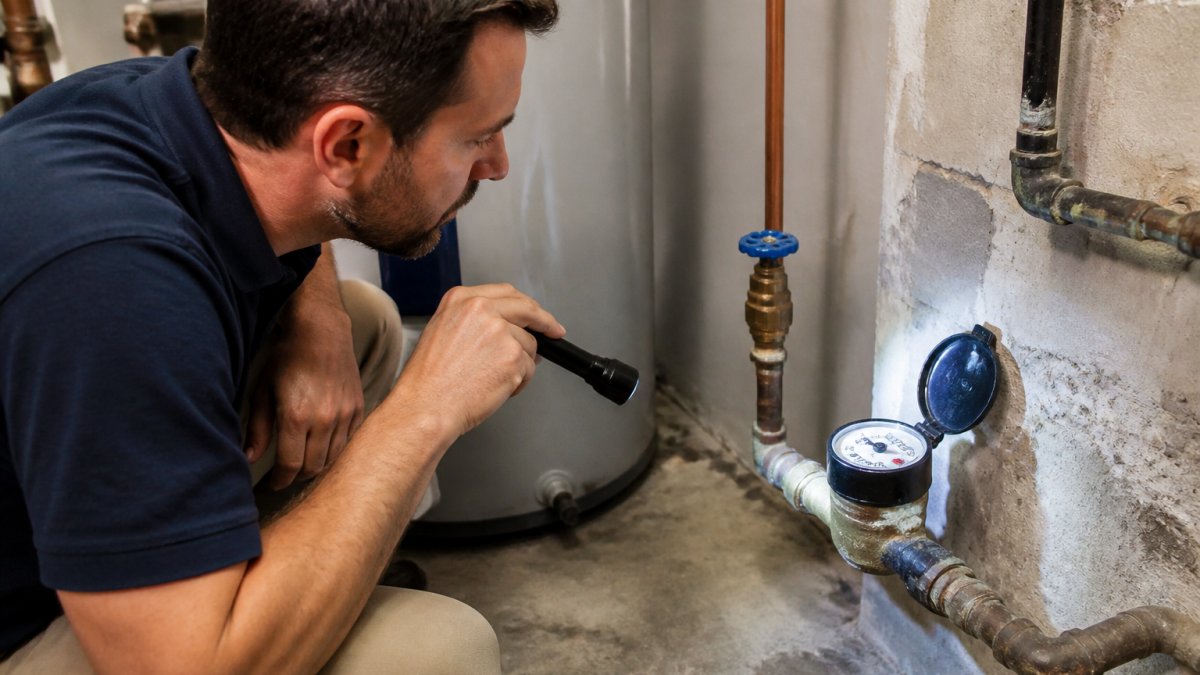
The water meter test for hidden leaks is the fastest way to confirm a leak exists. It takes about 15 minutes and costs nothing.
Here's how to run it:
- Shut off every water-using fixture in the house.
- Make sure no appliances, like the dishwasher or washing machine, are running.
- Find your water meter and note the reading.
- Wait 30 to 60 minutes without using any water.
- Check the meter again.
If the reading changed, water is moving somewhere it shouldn't. The meter's leak indicator, a small dial or triangle, will also spin if water is flowing.
This test confirms a leak exists, but not where. A leak behind a wall and a leak in a crawlspace look identical on the meter. That's why the next two tools matter.
Thermal Imaging for Water Leak Detection
Thermal imaging for water leak detection uses an infrared camera to spot temperature differences behind walls. Wet drywall and insulation hold heat differently than dry material, so a leak shows up as a cool patch on the camera screen.
A pro-grade thermal camera can scan a full wall in seconds. The image shows cold spots that suggest trapped moisture.
But there's a catch most guides skip. Thermal cameras don't see water. They see temperature. A cold spot could be a leak, or it could be a gap in insulation or a draft.
That's why thermal imaging works best as a first pass, not a final answer. It narrows the search to a specific area. A moisture meter then confirms whether water is actually there.
Using a Moisture Meter for Wall Leaks
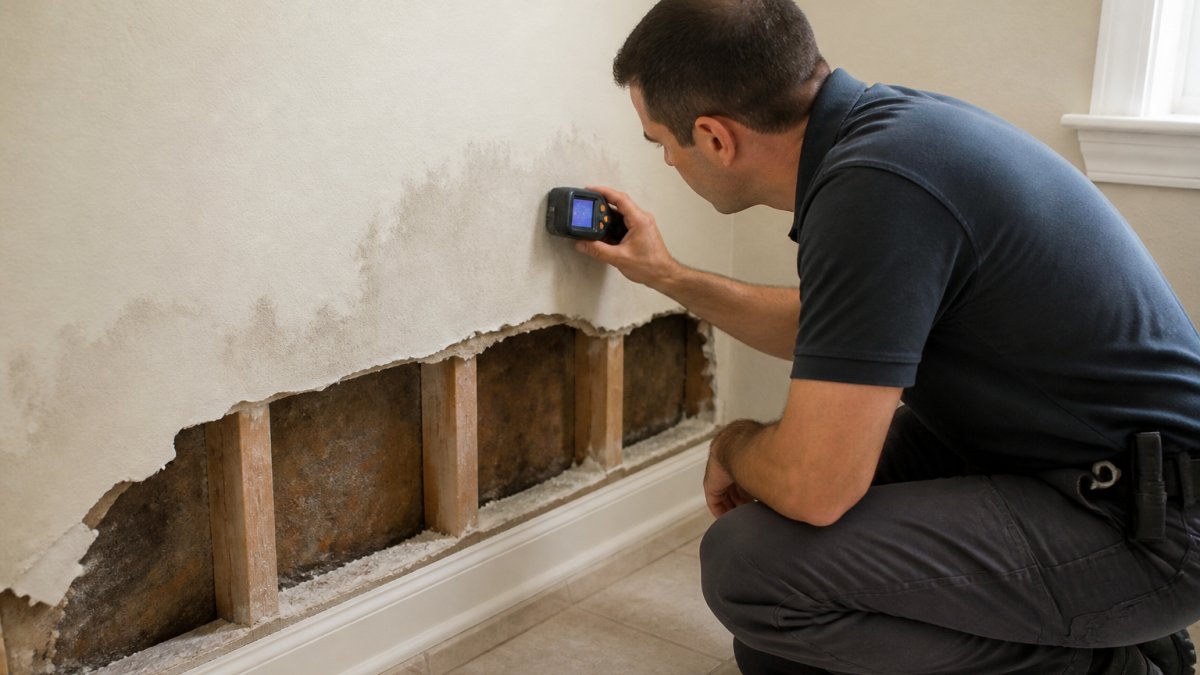
A moisture meter for wall leaks gives you a direct reading of water content in drywall, wood, and plaster. This is the tool that confirms what thermal imaging suggests.
There are two types:
- Pin meters push two small probes into the surface and measure resistance. More water means less resistance.
- Pinless meters scan through the surface without making holes. Better for finished walls you don't want to mark.
To use one, press the meter flat against the wall and slide it slowly. Watch for readings that jump above the dry baseline. Mark those spots with tape.
| Tool | What It Confirms | Best For | Cost |
|---|---|---|---|
| Water meter test | A leak exists somewhere | Whole-home check | Free |
| Thermal camera | Likely leak location | Scanning large areas fast | Moderate to high |
| Moisture meter | Actual water in material | Confirming a specific spot | Low |
The three tools work as a team. The meter test tells you there's a problem. Thermal imaging narrows it down. The moisture meter proves it.
What to Do After Finding a Wall Leak
Once you've confirmed a wall leak, act fast. Water damage spreads quickly, and every hour counts.
Start with these steps:
- Shut off the water supply to the affected area if you can.
- Take photos of the damage for your insurance claim.
- Move furniture and belongings away from the wet wall.
- Run fans and a dehumidifier to slow mold growth.
- Avoid tearing into the wall yourself unless you're sure of the source.
Don't poke holes in the drywall hoping to find the leak. You'll likely miss it and add repair costs. A small, targeted opening made by someone who knows what they're doing beats a large, random one.
If the leak is near wiring or a light fixture, stop and call a professional. Water and electricity together are a serious hazard.
When to Call a Professional for Hidden Water Leaks
Call a professional when you've confirmed a leak but can't pinpoint the source, or when the damage is more than surface-level. Hidden water leaks inside walls often sit behind plumbing, insulation, or framing that's hard to reach.
Signs it's time to bring in help:
- The moisture meter reads high across a wide area
- You see mold or smell it strongly
- The leak is near electrical work
- The wall feels soft or bowed
- You've already had one leak in the same spot
A pro can use specialized tools and open the wall in the right place. That saves you from guesswork and repeat repairs.
This is where a service like Lone Eagle Home Services helps. We coordinate the whole job, from leak detection to drywall repair to mold checks, through one trusted team. You get a digital service report after every visit.
Preventing Hidden Water Leaks Before They Start
Prevention beats detection every time. A few habits keep small drips from turning into wall damage.
- Check under sinks and around appliances every few months.
- Watch your water bill for sudden jumps.
- Replace old supply lines before they fail.
- Keep gutters and downspouts clear.
- Have your plumbing and fixtures inspected seasonally.
The real difference between a minor fix and a major repair comes down to timing. Homes that get regular tune-ups catch problems early, when they're cheap to fix.
That's the idea behind a proactive maintenance membership. Instead of waiting for a leak to show up, you get seasonal checks that catch worn fittings, slow drips, and early moisture before they spread. For busy homeowners, that shift from reactive to proactive care is what keeps repair bills down and stress low.
EPA guidance on indoor air quality and moisture control
FEMA guidance on preventing and responding to water damage
CDC information on mold and moisture in the home
Frequently Asked Questions
What are the signs of a hidden water leak in a wall?
Watch for musty odors, bubbling or peeling paint, soft drywall, discolored ceiling or wall stains, warped baseboards, and unexplained spikes in your water bill. A warm spot on the floor near a wall can also point to a hot-water line leak. If mold appears along a baseboard or in a closet corner, water is likely pooling behind the drywall. The earlier you catch these signs, the smaller the repair.
Can I detect a water leak in a wall without cutting it open?
Yes. A water meter test for hidden leaks confirms whether water is moving when nothing is running. A moisture meter for wall leaks reads dampness through drywall without damage. Thermal imaging for water leak detection shows temperature differences that reveal hidden moisture. Together, these three tools narrow down the leak location before anyone opens a wall, saving you unnecessary demolition and repair costs.
How do I use my water meter to check for a hidden leak?
Shut off every fixture, appliance, and irrigation zone in the house. Locate your water meter and note the reading. Wait 30 to 60 minutes without using any water. If the reading moves, water is escaping somewhere in the system. A spinning leak indicator on the meter face confirms the same thing. This test costs nothing and takes under an hour.
When should I call a plumber for a suspected wall leak?
Call a licensed plumber when the meter test confirms water movement, when a moisture meter reads high across a large wall section, or when you see active dripping, bulging drywall, or mold. Hidden leaks inside walls can rot framing and feed mold within days. If you cannot isolate the source with a meter and thermal camera, a professional with acoustic listening equipment can pinpoint it.
Hidden water leaks in walls rarely fix themselves, and the damage grows quietly until it's expensive. Catching the signs early and confirming with the right tools is how you stay ahead of it. At Lone Eagle Home Services, we handle the detection, the repair, and the follow-up through one trusted team, with flat-rate pricing and digital service reports after every visit. See Plans and let us take proactive care of your home.