 ultimate-guide
Protecting Home Value Through Maintenance: 2026 Guide
Table of Contents
- Why Protecting Home Value Through Maintenance Matters
- Seasonal Home Maintenance Tips 2026: A Year-Round Checklist
- The Real Cost of Deferred Home Maintenance
- Home Maintenance ROI: What You Get Back
- Preventative vs. Reactive Maintenance: The Cost Difference
- Maintenance for Different Home Ages: What to Prioritize
- Documentation for Resale: Building a Maintenance Record
- Conclusion
- Frequently Asked Questions
Last Updated: September 11, 2026
Why Protecting Home Value Through Maintenance Matters
Protecting home value through maintenance is the practice of scheduling regular inspections, seasonal tune-ups, and prompt repairs so a property holds its worth and avoids expensive emergency fixes. Morris County homeowners often face the same pattern: skip a small repair, absorb a much larger bill later. Your home is likely your largest asset. Treating upkeep as a system, not a series of emergencies, is what separates a property that appreciates from one that quietly deteriorates.
That distinction matters more than most owners realize. A well-kept home signals care to buyers and appraisers alike, while deferred maintenance compounds silently until it shows up in a failed inspection or a lower offer. Below, we break down the seasonal tasks, the real cost of putting things off, and how to document everything for resale.
Seasonal Home Maintenance Tips 2026: A Year-Round Checklist
Seasonal home maintenance tips 2026 come down to one idea: match the task to the season, then do it on a schedule rather than when something breaks. A year-round checklist keeps small issues from stacking into structural problems.
Spring and Summer Tasks That Protect Structural Integrity
- Inspect the roof for loose or missing shingles after winter storms
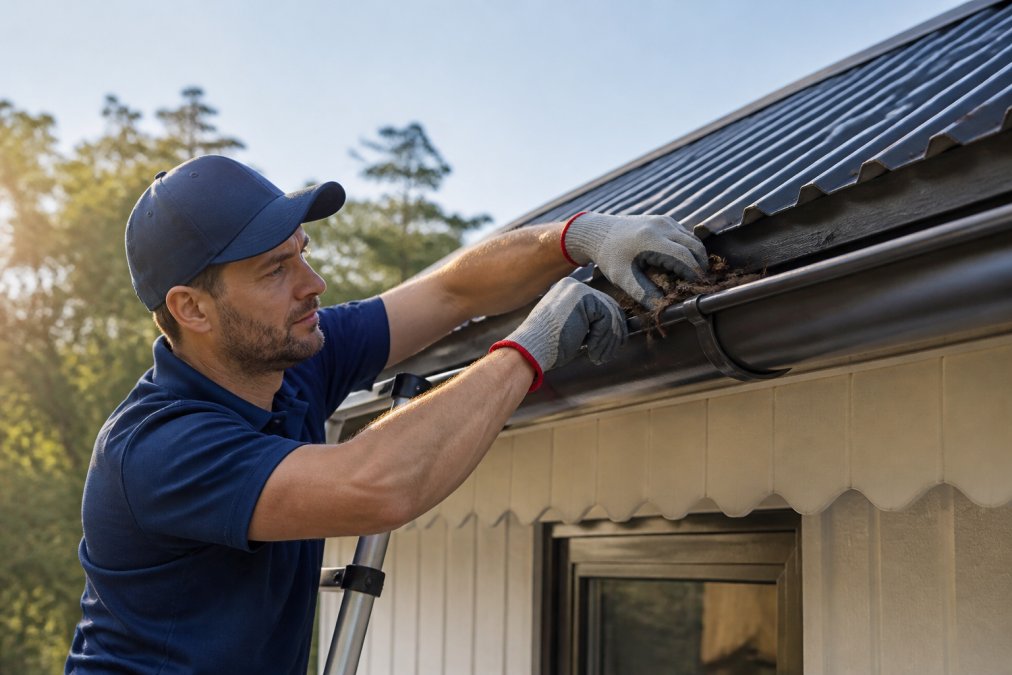
- Clean gutters and downspouts to prevent water pooling at the foundation
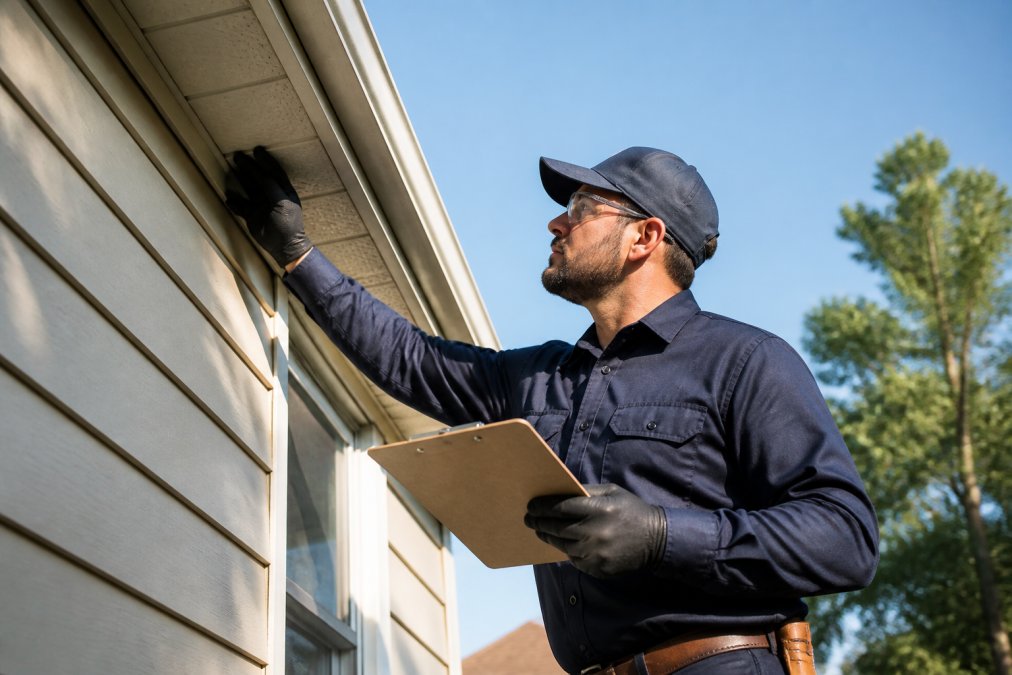
- Check exterior siding and trim for rot, gaps, or pest entry points
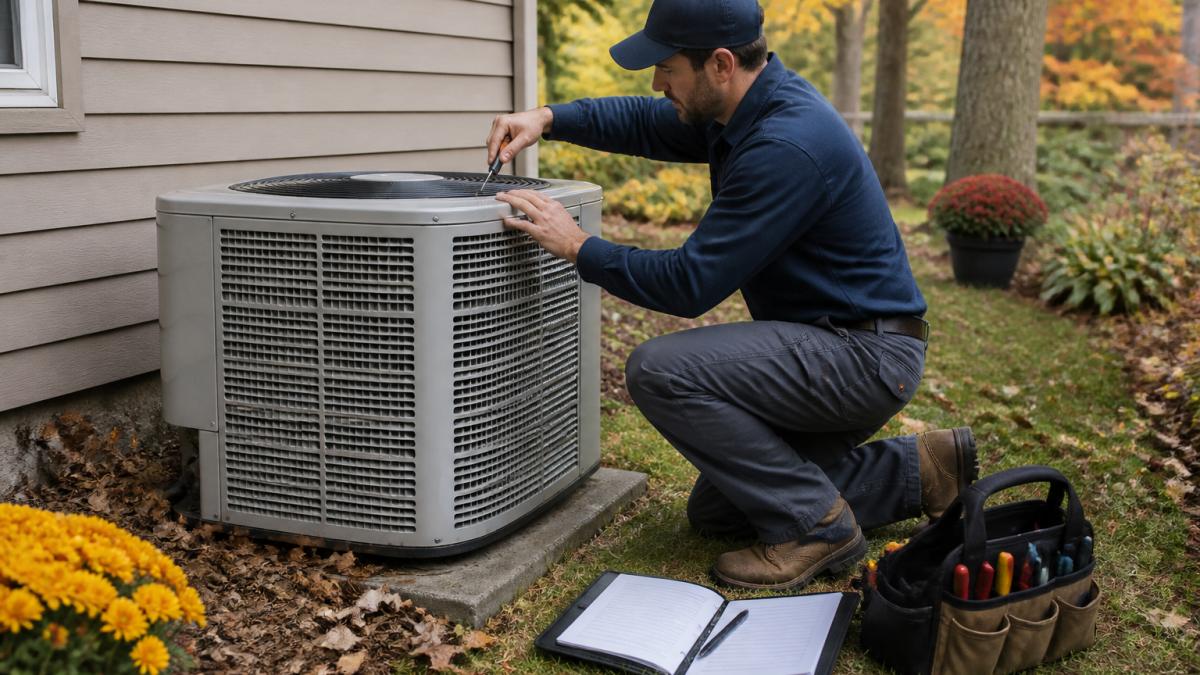
- Service the air conditioning unit before the first heat wave
- Seal cracks in driveways and walkways before they widen
Fall and Winter Tasks That Prevent Costly Repairs
- Schedule HVAC servicing and replace furnace filters
- Drain and winterize exterior faucets and irrigation lines
- Test smoke and carbon monoxide detectors
- Clear leaves from gutters before the first freeze
- Inspect weatherstripping and insulation for drafts
The Real Cost of Deferred Home Maintenance
Deferred maintenance is the backlog of repairs and upkeep a homeowner postpones, and it rarely stays cheap. What begins as a slow drip or a hairline crack can turn into a water-damaged ceiling, a failing foundation, or a mold problem that spreads through a wall cavity.
The cost of deferred home maintenance isn't just the repair bill. It's the added damage that accumulates while you wait. A small leak left alone can rot framing and destroy insulation. A neglected HVAC system works harder, raising energy bills and shortening its own life. Many homeowners find that the eventual fix costs far more than the original issue would have, and that the delay also drags down the home's marketability when it's time to sell.
Home Maintenance ROI: What You Get Back
Home maintenance ROI is the return you get from upkeep in the form of preserved value, avoided repair costs, and stronger resale appeal. It rarely shows up as a direct payout, but it protects everything you've already invested. Most guides stop there. The useful version of this section is a way to actually estimate the return on a specific task before you spend the money.
How to Estimate ROI on a Maintenance Task
Use a simple three-input formula. It works for a $180 gutter cleaning and a $9,000 roof replacement alike:
Maintenance ROI = (Avoided repair cost + Preserved value + Efficiency savings) ÷ Cost of the maintenance
- Avoided repair cost, the realistic cost of the failure this task prevents, multiplied by the probability it would have happened in the next 12 months. A $180 gutter cleaning that prevents a $6,000 foundation-drainage repair with a 20% annual probability returns $1,200 in expected avoided cost (extension.psu.edu).
- Preserved value, the share of the task's cost that shows up as retained market value rather than consumed expense. Sealing a driveway preserves most of its replacement value; replacing a furnace filter preserves almost none.
- Efficiency savings, the annual utility or lifespan gain. A clean condenser coil and a fresh filter commonly trim cooling costs by a meaningful margin and add years to compressor life.
A Worked Comparison
| Task | Typical Cost | Primary Return Mechanism | Rough Payback Horizon |
|---|---|---|---|
| HVAC tune-up (twice yearly) | Low, recurring | Avoided compressor failure, efficiency | Under one season |
| Gutter cleaning (spring/fall) | Low, recurring | Avoided water intrusion and rot | One storm season |
| Roof inspection (annual) | Low | Early leak detection vs. deck replacement | One to three years |
| Water heater flush (annual) | Low | Extended tank life, avoided flood | Two to four years |
| Exterior paint touch-up | Moderate | Preserved siding, curb appeal | Three to seven years |
The pattern is consistent: cheap, frequent tasks with high failure costs sit at the top of the list. Expensive, infrequent tasks sit at the bottom. That ordering is the whole point of a maintenance budget.
Why the Return Is Quiet
A maintenance budget does more than cover repairs. It supports asset preservation, keeps home systems running efficiently, and shields your home equity from the erosion of property depreciation. Routine inspection catches small faults before they become capital improvements you never planned for. The return is quieter than a renovation, but it's steadier, and unlike a renovation, it compounds every year you own the home.
| Maintenance Task | Frequency | What It Protects | Consequence If Skipped |
|---|---|---|---|
| HVAC servicing | Twice yearly | System longevity, indoor air quality | Higher energy bills, early failure |
| Gutter cleaning | Spring and fall | Foundation, siding, roof edge | Water damage, rot, basement leaks |
| Roof inspection | Annually | Structural integrity | Leaks, mold, costly replacement |
| Exterior cleaning | Seasonally | Curb appeal, siding life | Staining, premature wear |
| Safety device testing | Monthly to yearly | Safety hazards, code compliance | Fire and carbon monoxide risk |
Preventative vs. Reactive Maintenance: The Cost Difference
Preventative maintenance is scheduled upkeep done before problems appear, while reactive maintenance is repair work done after something fails. The gap between them is where most homeowners lose money.
Preventative measures cost predictable amounts of time and money on a set schedule. Reactive repairs arrive unannounced, often at the worst moment, and usually cost more because the damage has spread. Emergency repairs also tend to carry premium pricing. A common mistake is treating maintenance as optional until a failure forces the issue. By then, you're paying for both the original problem and everything it damaged along the way.
Maintenance for Different Home Ages: What to Prioritize
The right maintenance priorities shift with a home's age. A newer property needs less repair but still benefits from proactive upkeep, while older homes carry systems that are closer to the end of their service life. Most guides stop at that sentence. The detail that actually changes what you do is the split between new construction, mid-life systems, and historic or pre-war housing, three categories with almost no overlap in their maintenance playbooks.
New Construction (0-10 Years): Warranty Compliance Is the Job
The first decade is less about repair and more about documentation. Builder warranties and many manufacturer warranties on HVAC, roofing, and appliances are conditional on documented maintenance. Skip the tune-ups and you can void coverage on a system that is still under warranty.
- Year one: Understand that new homes settle. Hairline drywall cracks, sticking doors, and minor grading shifts are normal and usually covered during the builder's first-year walkthrough window. Photograph everything before that window closes.
- Years two through ten: Keep every service receipt. A manufacturer's warranty claim on a compressor or a roof membrane often requires proof of annual servicing.
- Watch for: Grading that settles away from the foundation, which reverses the drainage slope and pushes water toward the house, a common new-construction issue that no one flags at closing.
Mid-Life Homes (10-30 Years): The Replacement-Decision Decade
This is when the major systems you inherited or installed start reaching the end of their expected service life. The maintenance goal shifts from tune-up to triage: know the age of every system and budget for replacement before failure forces it.
- Roof: Asphalt shingle roofs typically last 20 to 30 years (nachi.org). Past year 15, annual inspections matter more than repairs.
- HVAC: A well-maintained system commonly runs 15 to 20 years (energy.gov). Past year 12, start funding the replacement.
- Water heater: Tank units commonly last 8 to 12 years. A flush every year buys time; nothing buys forever.
- Windows and siding: Seal failures and paint failure appear here and are far cheaper to address early.
Older and Historic Homes (30+ Years): Materials and Systems First
Older homes reward a different mindset. The systems are the risk, but the materials are the value, and the two require different handling.
- Electrical: Knob-and-tube or early aluminum wiring is a safety and insurability issue. Have it evaluated rather than assumed.
- Plumbing: Galvanized steel supply lines corrode from the inside out; the failure is a pinhole leak, not a visible crack.
- Structural: Foundation movement, sill rot, and chimney deterioration are the three items that most often turn a cosmetic project into a structural one.
- Materials: Historic siding, plaster, and original windows are often worth repairing rather than replacing, both for value and because replacement can trigger code requirements. Use a contractor who has worked on the era before you authorize removal.
A house that's "pretty new and well-maintained" still benefits from seasonal tune-ups. Skipping them isn't saving money; it's deferring cost to a later, more expensive date. The same is true of an old house, the difference is that the old house gives you less warning.
Documentation for Resale: Building a Maintenance Record
A maintenance record is a dated log of every inspection, repair, and service performed on a home. It's one of the most underused tools in protecting home value through maintenance, and it pays off directly at resale.
When you sell, buyers and inspectors want proof that the home was cared for. A clean record of HVAC servicing, roof inspections, and repairs reassures buyers and supports a stronger real estate appraisal. It turns vague claims of "well-maintained" into verifiable history. Digital service reports, receipts, and photos all belong in the file.
Conclusion
Managing upkeep across multiple contractors and seasons is the part most homeowners dread, and it's exactly where small problems slip through. Lone Eagle Home Services handles it with a membership-based home care model built on flat-rate pricing, one trusted team for all maintenance and vendor coordination, and proactive seasonal tune-ups that stop expensive repairs before they start. Members get confirmed appointments, uniformed technicians, and a digital service report after every visit. Get started with Lone Eagle Home Services and keep your home's value protected year-round. See Plans.
Frequently Asked Questions
Does home maintenance actually increase property value?
Yes. Routine maintenance preserves your home's condition and prevents small issues from becoming expensive problems. A well-documented maintenance history signals to buyers and appraisers that the home has been cared for, which supports resale value. Key systems like HVAC, roofing, and plumbing last longer when serviced regularly. While maintenance doesn't add square footage, it protects the value you already have and helps you avoid the steep costs of deferred repairs.
What are the most important home maintenance tasks to protect value?
Prioritize tasks that affect structural integrity and major systems. This includes annual HVAC servicing, gutter cleaning, roof inspections, and checking for water intrusion around windows and foundations. Seasonal home maintenance tips 2026 should also cover exterior cleaning to maintain curb appeal. Addressing safety hazards like faulty wiring or blocked vents protects both your family and your investment. A consistent annual checklist ensures nothing critical gets overlooked.
How much should I budget for annual home maintenance?
A common guideline is to set aside a portion of your home's purchase price each year for maintenance and repairs. This budget covers routine servicing, minor repairs, and a reserve for unexpected issues. Adjust your budget based on your home's age and condition.
What happens to home value if you skip routine maintenance?
Skipping maintenance leads to deferred maintenance, which accelerates property depreciation. Small issues like a slow leak or worn caulking can escalate into structural damage, mold, or system failures. When you sell, a home inspection will likely uncover these problems, giving buyers leverage to negotiate a lower price or demand repairs. The cost of deferred home maintenance often exceeds what you would have spent on preventative measures, making proactive upkeep the smarter financial choice.