 ultimate-guide
Benefits of Seasonal Home Tune-Ups
Table of Contents
- Why Seasonal Home Tune-Ups Matter More Than You Think
- The 7 Biggest Benefits of Seasonal Home Tune-Ups
- The Real Cost of Deferred Home Maintenance
- A Seasonal Home Maintenance Checklist for 2026
- DIY vs. Professional Tune-Ups: Where to Draw the Line
- What to Look for in Home Maintenance Membership Programs
- Conclusion: Schedule Your Next Seasonal Tune-Up
- Frequently Asked Questions
Last Updated: September 7, 2026
Why Seasonal Home Tune-Ups Matter More Than You Think
Most homeowners don't think about their HVAC system, water heater, or roof until something stops working. Seasonal home tune-ups flip that mindset: instead of reacting to failures, you schedule proactive care at predictable intervals, catching small issues while they are still inexpensive fixes.
A neglected air filter or failing condenser coil rarely announces itself politely, it waits until the hottest day of July or the coldest night of January to fail completely.
Seasonal home tune-ups are scheduled inspections and maintenance tasks performed on your home's major systems before each change in weather. The goal is simple: verify everything operates safely and efficiently before you depend on it most, addressing seasonal stress points like cooling before summer and heating before winter.
The 7 Biggest Benefits of Seasonal Home Tune-Ups
The value of a consistent maintenance routine extends far beyond avoiding an emergency call. Here is what a proper seasonal schedule delivers:
- Increased energy efficiency. Systems running with clean filters and calibrated components consume less energy. When airflow is restricted or refrigerant levels drop, your HVAC works harder and uses more power to produce the same result.
- Prolonged equipment lifespan. Regular lubrication, cleaning, and part replacement reduce wear on compressors, blower motors, and other moving components. Well-maintained systems routinely outlast neglected ones by years.
- Improved indoor air quality. Replacing air filters and cleaning ductwork reduces the dust, pollen, and allergens circulating through your living spaces. This matters most for households with children or anyone managing allergies.
- Prevention of unexpected breakdowns. A technician who inspects electrical connections and drain lines during a tune-up can spot a failing part before it forces a full system shutdown.
- Lower monthly utility costs. An efficiently running system uses less energy. Over the course of a year, the savings on utility bills often offset the cost of the maintenance itself.
- Enhanced system performance and airflow. Clean coils and properly calibrated thermostats mean consistent temperatures from room to room, without hot or cold spots.
- Safety checks and fire prevention. Seasonal inspections include checking for carbon monoxide leaks, verifying gas connections, and confirming that heating equipment poses no fire hazard.
The Real Cost of Deferred Home Maintenance
Deferring maintenance rarely feels like a decision. It happens gradually: the filter stays dirty an extra month, the odd noise from the furnace gets ignored, the annual inspection gets skipped "just this once." The cost compounds quietly until a system fails entirely.
The Efficiency Penalty: How Dirt Costs You Monthly. The most immediate cost is energy waste. A dirty air filter can restrict airflow by up to 50%, forcing your blower motor to work harder. A condenser coil caked with dirt acts as an insulator, trapping heat. The Department of Energy estimates that a poorly maintained HVAC system can consume 15-20% more energy than a clean, well-tuned one (energy.gov).
The Failure Cascade: From Minor Wear to Major Failure. A small issue rarely stays small. Consider a worn blower motor bearing. A seasonal tune-up would catch this early, allowing for a simple lubrication or a part replacement. If ignored, the bearing seizes, the motor burns out requiring a replacement, and added strain can damage the control board. What started as a minor fix becomes a major repair, the primary reason a tune-up is one of the most cost-effective insurance policies you can buy.
The Refrigerant Leak: A Hidden Cost Multiplier. Low refrigerant forces a system to run longer and can cause the compressor to overheat. The compressor is the heart of your AC system, and replacing it can be costly. A technician checking refrigerant levels during a seasonal tune-up can identify a slow leak early, fix it, and recharge the system. Ignoring it leads to compressor failure and a bill that rivals the cost of a new system.
The Peak-Season Premium: Bad Timing is Expensive. Emergency breakdowns happen on the hottest day of July or the coldest night of January, when HVAC contractors are at maximum capacity and charge a premium. A scheduled tune-up fits into your calendar on your terms, at standard, non-premium rates.
The Math of Proactive vs. Reactive Care.
| Scenario | Cost of Proactive Tune-Up | Cost of Reactive Repair | Savings from Proactive Care |
|---|---|---|---|
| Dirty Air Filter | $0 (DIY) | $150 (Service Call) | $150 |
| Worn Blower Motor Bearing | $150 (Part + Labor) | $1,400 (Motor + Control Board) | $1,250 |
| Refrigerant Leak | $350 (Leak Repair + Recharge) | $2,000 (Compressor Replacement) | $1,650 |
| Annual Energy Waste | $0 (System Runs Efficiently) | $300-$400 (Higher Utility Bills) | $300-$400 |
This table illustrates a common pattern: the cost of a proactive tune-up is a small fraction of the cost of a reactive repair, often an order of magnitude. Add the hidden cost of inconvenience and premium emergency rates, and the argument for a consistent seasonal schedule becomes undeniable.
A Seasonal Home Maintenance Checklist for 2026
A practical seasonal home maintenance checklist for 2026 breaks down into four visits, one aligned with each change of season. Each visit focuses on the systems that face the most stress in the coming months.
Spring (Cooling Prep): The Goal is Airflow.
Your AC system's efficiency depends on unimpeded airflow. Prepare it for the summer heat.
- Replace or clean air filters: This is the single most impactful DIY task. Check your filter monthly during peak season. A 1-inch fiberglass filter should be replaced monthly; a 4-inch media filter can last 3-6 months.
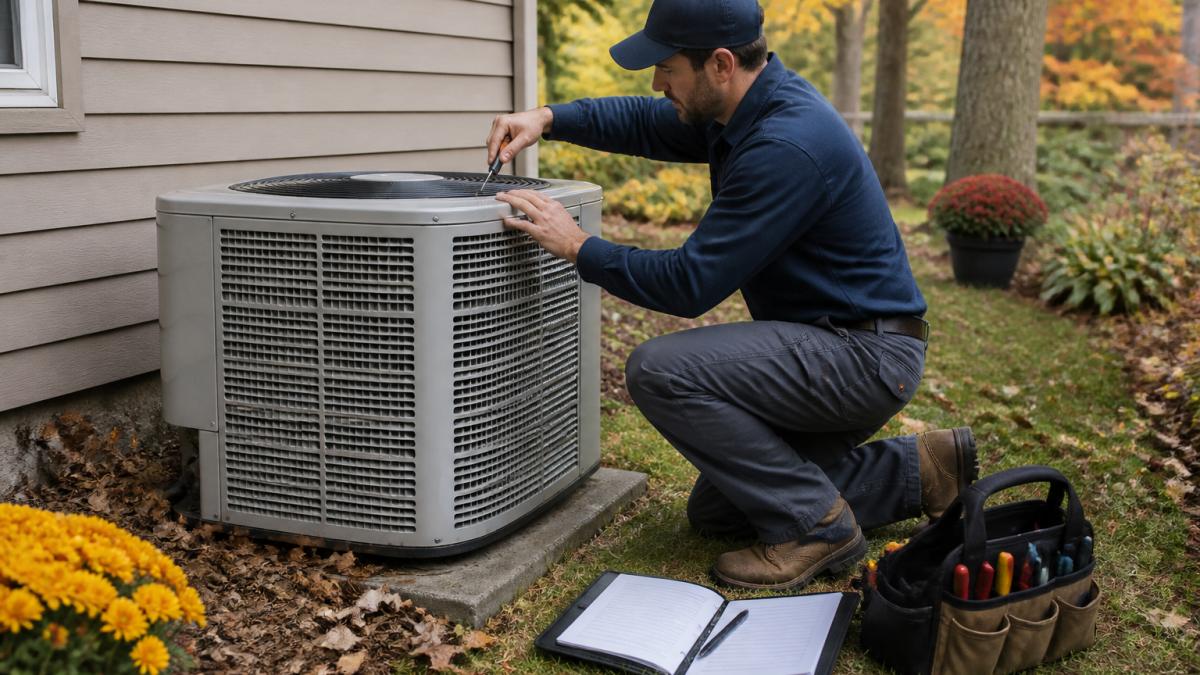
- Inspect and clean the outdoor condenser coil: Use a garden hose to gently spray the coil fins from the inside out to remove dirt, grass clippings, and debris. Be careful not to bend the delicate aluminum fins. A bent fin can be straightened with a fin comb, a tool available at any hardware store.
- Clear a 2-foot perimeter around the outdoor unit: Trim back shrubs, bushes, and tall grass. The unit needs at least 2 feet of clearance on all sides to draw in adequate air. Obstructions can cause the system to overheat and short-cycle.
- Check the condensate drain line: This is a common source of water damage. Locate the PVC drain line near the indoor unit. Use a wet/dry vacuum to suck out any algae or sludge buildup. Pour a cup of white vinegar down the line to kill any remaining mold spores. This prevents a clogged line that can back up and flood your home.
- Test thermostat calibration: If you have a programmable thermostat, verify the schedule is correct. If you have a smart thermostat, check the Wi-Fi connection and update the app. Replace batteries in any battery-powered thermostat.
Summer (Dehumidification and Airflow): The Goal is Comfort.
Your system's ability to remove humidity is just as important as its ability to cool. Short cycles won't dehumidify properly, leaving your home feeling clammy.
- Inspect ductwork for leaks: Look for disconnected joints or obvious holes in exposed ductwork in your attic or basement. Use mastic sealant or metal tape (not duct tape) to seal any gaps.
- Clean the indoor evaporator coil: This is a job for a professional. The coil is located inside the air handler and is difficult to access. A dirty coil reduces airflow and cooling capacity, forcing the system to run longer.
- Verify blower motor and fan operation: Listen for unusual noises like squealing or grinding. These can indicate a worn bearing or a failing motor. A professional can lubricate the motor and check the capacitor.
- Check electrical connections: Loose electrical connections can cause arcing, which is a fire hazard. A technician will check the contactor, capacitor, and wiring during a tune-up.
Fall (Heating Prep): The Goal is Safety.
Before you rely on your heating system for the next six months, ensure it is safe and efficient. This is the most critical season for safety checks.
- Schedule a furnace or heat pump inspection: A professional will inspect the heat exchanger for cracks or corrosion. A cracked heat exchanger can leak carbon monoxide into your home (the CDC). This is not a DIY task; it requires specialized tools and training.
- Clean or replace air filters: Just as in spring, a clean filter is essential for efficient operation. A dirty filter in a furnace can cause the heat exchanger to overheat and crack.
- Test carbon monoxide detectors: Replace batteries in all CO detectors and test them. If your detectors are more than 5-7 years old, replace them entirely. CO detectors have a limited lifespan.
- Inspect the flue and venting system: Ensure the flue pipe is clear of blockages, such as bird nests or debris. A blocked flue can cause dangerous backdrafting of combustion gases.
- Check the condensate pump (for high-efficiency furnaces): High-efficiency furnaces produce acidic water that must be pumped away. Ensure the pump is working and the discharge line is clear.
Winter (Indoor Air Quality): The Goal is Health.
With your home sealed up tight, indoor air quality becomes the primary concern.
- Monitor humidity levels: Use a hygrometer to monitor indoor humidity. The ideal range is 30-50%. Low humidity can cause dry skin and static shock; high humidity can lead to mold growth. A humidifier or dehumidifier can help you maintain the right balance.
- Check for drafts around windows and doors: Use a candle or an incense stick to detect drafts. Seal gaps with weatherstripping or caulk. This not only improves comfort but also reduces the load on your heating system.
- Verify thermostat scheduling matches your occupancy pattern: If you have a smart thermostat, review your schedule to ensure it reflects your actual routine. A smart thermostat can learn your habits and adjust the temperature automatically, saving energy while you're away.
| Season | Primary Focus | DIY Tasks | Professional Tasks |
|---|---|---|---|
| Spring | Cooling Prep | Filter change, coil cleaning, debris removal, drain line flush | Refrigerant check, electrical connections, coil inspection |
| Summer | Airflow & Humidity | Duct leak sealing, visual inspection | Blower motor lubrication, capacitor check, duct inspection |
| Fall | Heating Safety | Filter change, CO detector test, flue check | Heat exchanger inspection, burner cleaning, ignition check |
| Winter | Indoor Air Quality | Humidity monitoring, draft sealing | Thermostat calibration, humidifier service |
DIY vs. Professional Tune-Ups: Where to Draw the Line
Some seasonal maintenance tasks are safely within a homeowner's reach. Changing air filters, clearing debris from around the outdoor unit, testing carbon monoxide detectors, and checking thermostat batteries take minutes and require no special training.
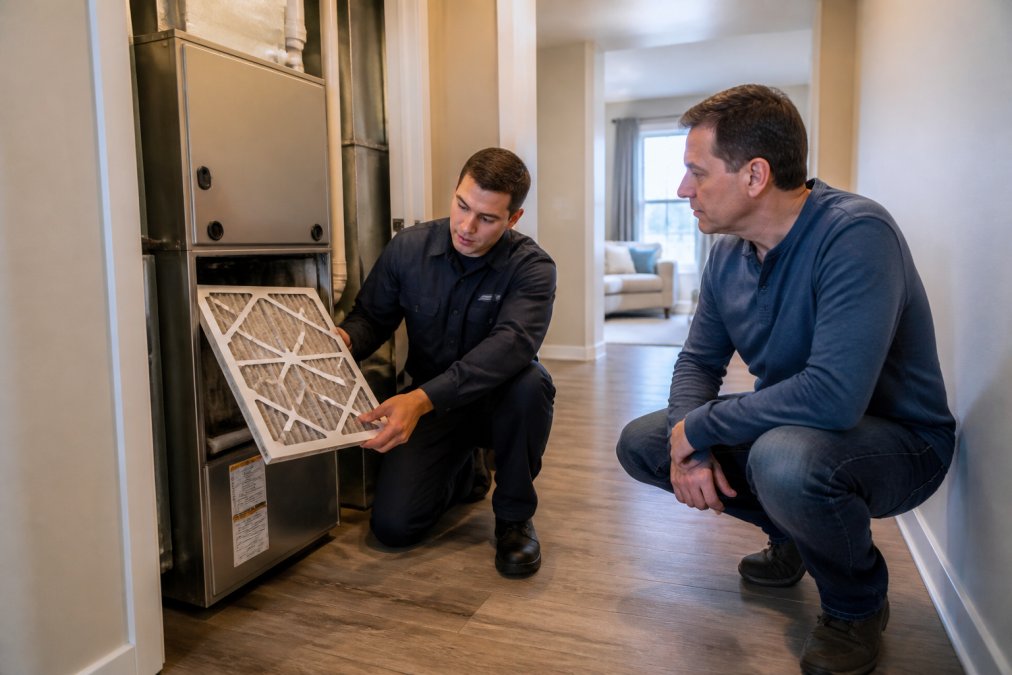
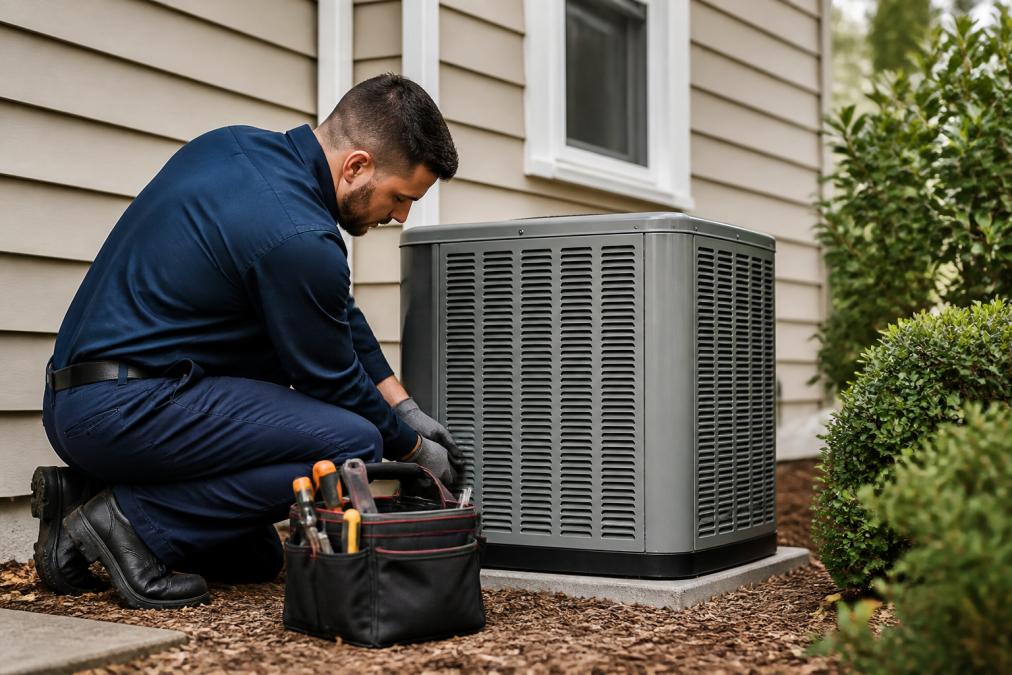
Other tasks demand professional expertise. Handling refrigerant requires EPA certification under federal regulations (the EPA). Inspecting a heat exchanger for cracks involves specialized tools and training. Cleaning condenser coils and verifying electrical connections carries risk of injury if performed incorrectly. A licensed HVAC contractor has the equipment and insurance to handle these jobs safely.
The line between DIY and professional comes down to three questions. Does the task require specialized tools or certification? Does getting it wrong risk damage to the system or your safety? Does the manufacturer warranty require professional service to remain valid?
Manufacturer warranties may include a clause requiring regular professional maintenance. Skipping these inspections can void your warranty coverage, leaving you responsible for the full cost of a replacement if a covered part fails.
What to Look for in Home Maintenance Membership Programs
Home maintenance membership programs have grown in popularity because they solve a real problem: coordinating multiple contractors is exhausting. Evaluate the structure carefully before enrolling.
Look for flat-rate pricing rather than time-and-materials billing, so you can budget accurately without surprises. Confirm what the membership actually includes: how many tune-up visits per year, which systems are covered, and whether repairs receive priority scheduling.
Accountability matters as much as price. Ask whether the company provides digital service reports after each visit, a written record of what was inspected, found, and repaired gives you documentation for warranty claims and peace of mind.
Consider whether the program coordinates vendors or simply dispatches its own technicians. A single point of contact that manages everything from seasonal tune-ups to emergency repairs eliminates the stress of juggling independent contractors, often the deciding factor for busy homeowners.
Conclusion: Schedule Your Next Seasonal Tune-Up
The choice comes down to whether you want to manage your home reactively or proactively. Deferred maintenance saves time today but costs more tomorrow, in both repairs and energy consumption. A consistent seasonal schedule protects your investment, keeps your family safe, and avoids the worst timing for a breakdown.
Lone Eagle Home Services offers a membership-based home care solution built around proactive seasonal tune-ups. With flat-rate pricing, a single trusted team for all maintenance and vendor coordination, and confirmed appointments with clear communication, we handle the coordination so you do not have to. Digital service reports follow every visit, and uniformed technicians operate with real accountability. Get started with Lone Eagle Home Services and schedule your next seasonal tune-up before the weather forces your hand.
Frequently Asked Questions
Is a seasonal home tune-up worth the investment?
Yes. For most homeowners, the benefits of seasonal home tune-ups outweigh the costs. A single missed issue, like a failing compressor or a clogged drain line, can lead to costly repairs. Proactive tune-ups also keep systems running efficiently, which directly lowers monthly utility bills. When you factor in the extended equipment lifespan and reduced risk of unexpected breakdowns, the investment typically pays for itself many times over.
What does a seasonal HVAC tune up include?
A professional seasonal HVAC tune-up typically includes inspecting and cleaning air filters and condenser coils, checking refrigerant levels, verifying thermostat calibration, testing electrical connections, and lubricating moving parts like the blower motor. The technician will also check for carbon monoxide leaks, clear drain lines, and measure airflow. This ensures your system operates safely and at peak efficiency for the upcoming season, preventing emergency calls during extreme weather.
What is the difference between a home maintenance membership program and hiring a contractor on demand?
A home maintenance membership program provides a single, trusted point of contact for all your property's needs. Instead of calling different contractors for each issue, you get a dedicated team that handles seasonal tune-ups, coordinates vendors, and performs repairs with transparent, flat-rate pricing. This proactive approach prevents small problems from becoming expensive ones and eliminates the stress of vetting and managing multiple service providers.