 blog
5 Signs Your Home Needs a Professional Maintenance Audit
Table of Contents
- Why a Professional Maintenance Audit Beats Reactive Repairs
- Sign #1: You Cannot Remember the Last Time Your Systems Were Serviced
- Sign #2: Small Issues Keep Reappearing
- Sign #3: Your Energy Bills Are Climbing Without Explanation
- Sign #4: You Are Juggling Multiple Contractors With No Single Point of Accountability
- Sign #5: Your Home Is Approaching or Past the 10-Year Mark
- The Home Maintenance Audit Checklist: What a Professional Audit Covers
- How Often Should a Home Maintenance Audit Be Done?
- Frequently Asked Questions
Last Updated: October 19, 2026
Why a Professional Maintenance Audit Beats Reactive Repairs
Most homeowners fix things when they break. A professional maintenance audit flips the order: you find problems while they are small, cheap, and easy to fix.
A professional maintenance audit is a top-to-bottom inspection of your home's systems, structure, and safety features, done on a schedule rather than after a failure.
Reactive repairs cost more in three ways:
- Emergency labor rates and rushed decisions
- Damage that spreads while you wait
- Stress from juggling calls, quotes, and no-shows
An audit catches the same issues early, when a small fix stays a small fix.
Sign #1: You Cannot Remember the Last Time Your Systems Were Serviced
If you cannot name the last service date for your furnace, water heater, or roof, that is your first sign. Unserviced systems fail without warning: a furnace with no recent tune-up can quit on the coldest night of the year, and a water heater can leak from the base and ruin a floor.
Homeowners often assume "no problems yet" means "no problems." It usually means "not visible yet." A professional maintenance audit puts every system on a dated schedule so nothing slips.
Sign #2: Small Issues Keep Reappearing
A dripping faucet that comes back. A draft you resealed last year that returns. A gutter that clogs every season. These are not random, they are common home maintenance issues with a root cause you have not found yet.
Patch-and-repeat is the most expensive habit in home care: each fix costs money while the underlying problem worsens. A professional maintenance audit looks for the source, not the symptom, poor attic ventilation causing moisture, a grading problem pushing water toward the foundation, or failing flashing above a ceiling stain.
Watch for these repeat offenders:
- Stains that return after painting
- Doors and windows that stick again each season
- Damp spots in the basement after rain
- Grout or caulk that keeps cracking
Sign #3: Your Energy Bills Are Climbing Without Explanation
Bills creep up and most people blame the weather. Often it is a system losing efficiency, a dirty HVAC unit, failing insulation, or drafts around windows and doors.
The U.S. Department of Energy guidance on home energy efficiency notes that air sealing and insulation are among the most cost-effective ways to cut energy waste. A professional maintenance audit checks the spots most homeowners never see, like attic insulation levels, rim joists, and weatherstripping condition.
Sign #4: You Are Juggling Multiple Contractors With No Single Point of Accountability
Ask yourself who is responsible for your home right now. The plumber? The roofer? The electrician? When something goes wrong, the answer is often "nobody, really." Each contractor sees one piece. No one sees the whole house.
That gap is where problems hide. One trade blames another, and you are stuck in the middle making calls. With a membership model, one team can track your home's history, coordinate the right vendors, and confirm every appointment.
Sign #5: Your Home Is Approaching or Past the 10-Year Mark
Homes age on a predictable curve. Around the ten-year mark, water heaters, roofs, and HVAC systems near the end of their service life; past fifteen years, the odds of a surprise failure climb fast.
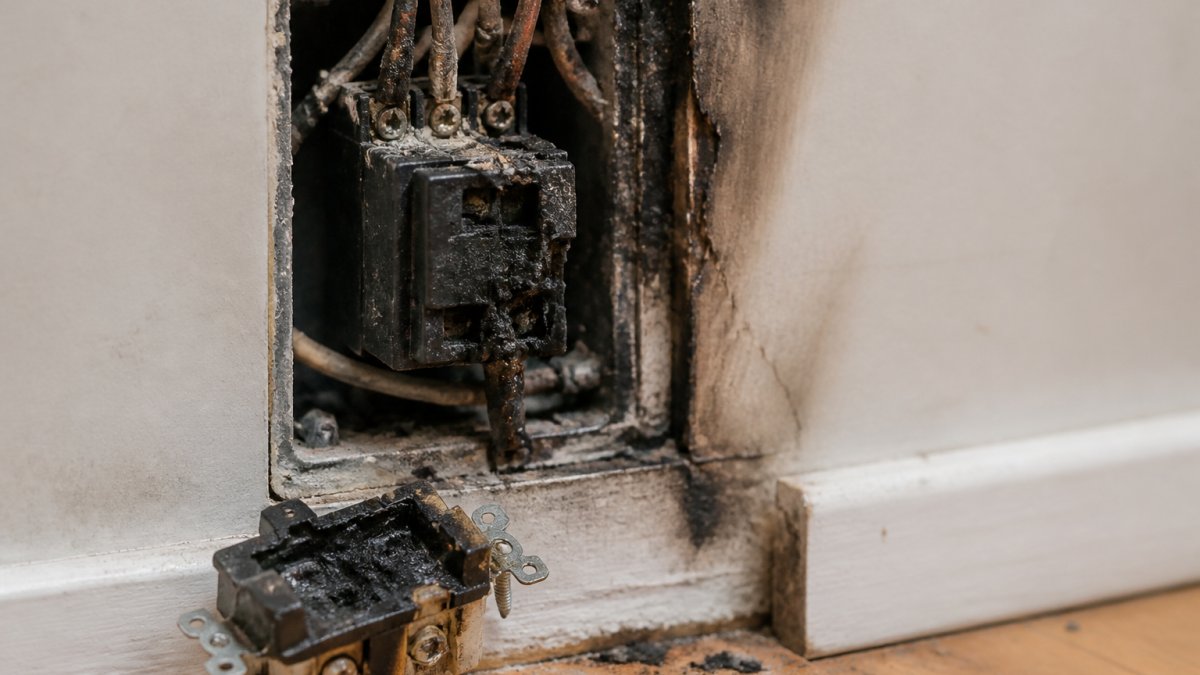
Age alone is not a reason to panic. It is a reason to look. Older homes also carry hidden risks: outdated wiring, aging supply lines, and insulation that no longer performs.
The Home Maintenance Audit Checklist: What a Professional Audit Covers
A good audit follows a set checklist so nothing gets skipped. Here is a home maintenance audit checklist, what each item protects, and whether it is a weekend task or a job for a pro.
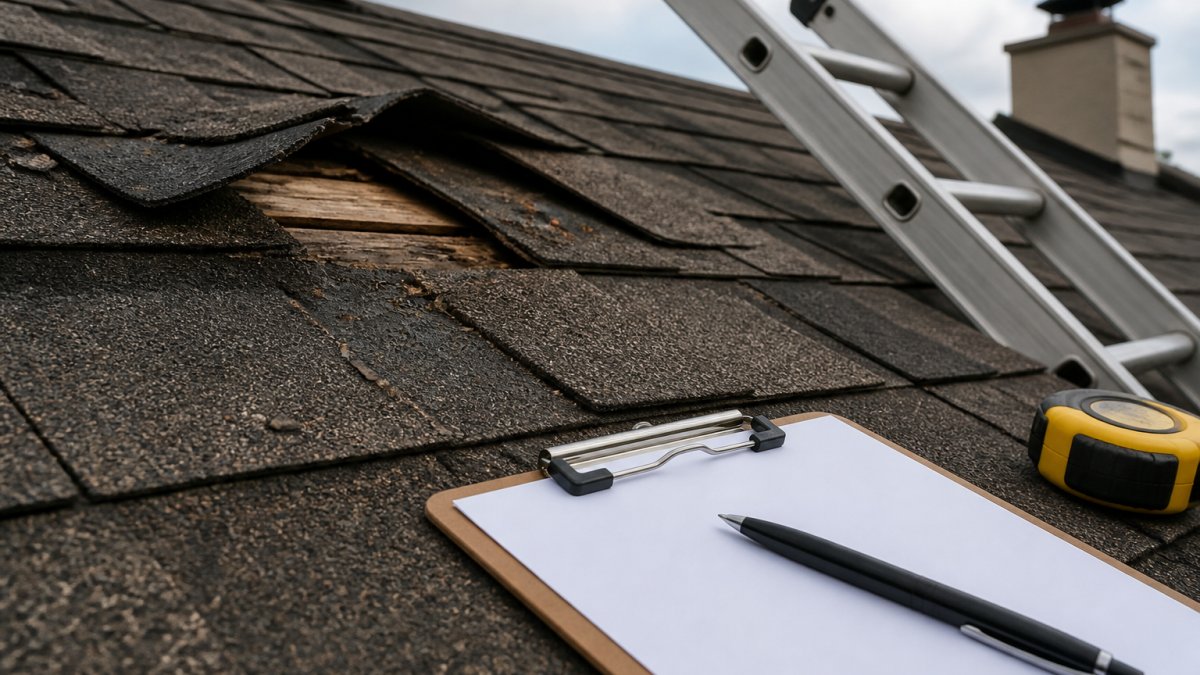
- Roof inspection: check for loose, missing, or damaged shingles, cracked flashing, and granules in the gutters. Loose shingles and worn flashing set up ice dams. You can spot missing shingles from the ground with binoculars; anything requiring a roof walk is a pro job, and steep or icy roofs are never a DIY climb.
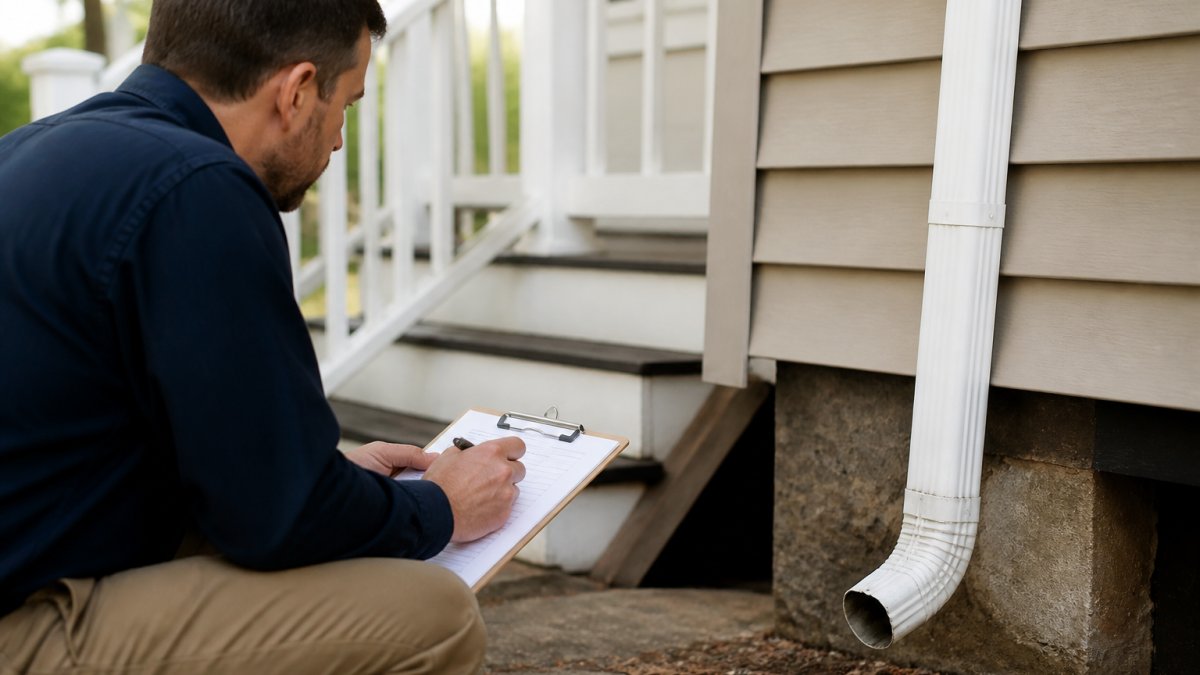
- Gutters and downspouts: confirm they are clear and that downspouts discharge several feet from the foundation, not against it. Clogged gutters back up, freeze, and push water under the roof edge. Cleaning low, accessible runs is DIY; two-story runs and anything with ice should go to a professional.
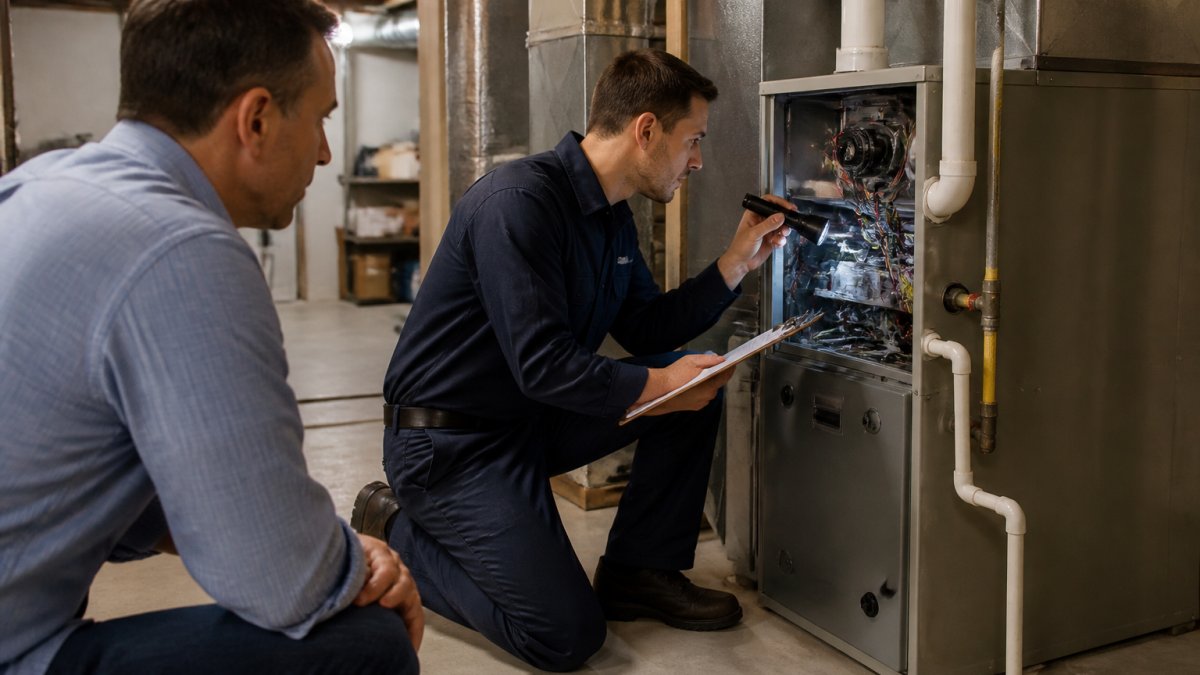
- Heating system: service the furnace or boiler before heating season and replace HVAC air filters on the manufacturer's schedule. A no-heat call in freezing weather is the year's most expensive service call. Filter changes are DIY; burner tune-ups and combustion checks are not.
- Safety: test smoke detectors and carbon monoxide detectors, and check the date stamps on the units themselves. The U.S. Fire Administration home safety guidance recommends testing smoke alarms monthly and replacing them every ten years. Detector checks are DIY; hardwired replacement is not.
Ice dams: the winter roof risk most checklists skip
An ice dam forms when heat escaping through a poorly insulated attic melts snow on the upper roof, the meltwater refreezes at the cold eaves, and water backs up under the shingles. Warning signs are icicles at the eaves, a ridge of ice at the roof edge, and water stains on the ceiling near exterior walls. Prevention is mostly an insulation and air-sealing problem, not a roof problem.
Frozen or burst pipe: what to do before the pro arrives
Know where your main water shutoff is before you need it, usually where the water line enters the house (a basement wall, crawl space, or utility closet), and make sure every adult can find it in the dark. If a pipe freezes, shut off the main, open the nearest faucet, and warm the pipe gently with a hair dryer or warm towels, starting at the faucet end.
When to hire a pro instead of doing it yourself
A simple rule: if the task involves the roof, gas, electrical panels, or anything above head height on a ladder, hire it out. Filter changes, hose disconnection, detector testing, and accessible gutter cleaning are reasonable DIY work. Furnace service, roof inspection, ice dam removal, and any repair requiring an open wall belong to a professional. An audit is valuable precisely because it tells you which category each item falls into.
How Often Should a Home Maintenance Audit Be Done?
Once a year is the right baseline for most homes, with a second lighter walkthrough before winter. But the more useful answer is a schedule tied to temperature and season, because the tasks that matter most change with the weather. Here is a timeline to consider.
Fall: before the first freeze
The trigger is the first forecast that dips near freezing overnight, not a date on the calendar. Before that night:
- Disconnect and store garden hoses, shut off and drain outdoor faucets.
- Insulate exposed pipes in crawl spaces, garages, and rim joists.
- Service the furnace or boiler and replace filters.
- Clear gutters and confirm downspouts discharge away from the foundation.
- Seal drafts around windows and doors.
This is the most important window of the year. Almost every expensive winter failure, a burst pipe, a no-heat call, an ice dam, traces back to a skipped fall task.
First hard freeze: the week it happens
Once temperatures stay below freezing, walk the house once. Look for frost on the inside of windows (poor insulation or a failed seal), icicles at the roof edge (an early ice dam sign), and any pipe that feels cold in an unconditioned space. This fifteen-minute check is not an audit, but it catches problems while they are still cheap.
Midwinter: the active season
During the coldest stretch, priorities shift from preparation to monitoring: keep filters clean, watch for ice dams and icicles, check the sump pump after any thaw, and confirm the furnace is keeping up. An empty house is most vulnerable now, a failed furnace or burst pipe can run for days before anyone notices.
Spring thaw: the damage report
When the snow melts, the house shows what winter did. Inspect the roof for lifted or missing shingles, check gutters for granule loss and damage, look for water stains on ceilings and walls, and check the basement for damp spots after the first heavy rain. Spring is also the right time to schedule the cooling check before the first hot week, when HVAC technicians are hardest to book.
Summer: the light season
Summer is the easiest season for maintenance and the best time to catch up on deferred items, exterior paint, caulk, siding, and the outdoor plumbing you will shut down again in the fall. A mid-year walkthrough is optional for most homes but worth it for older homes and any with a history of repeat issues.
How home type and age change the schedule
A one-size schedule misses the homes that need it most. Older homes with original wiring, aging supply lines, and thin insulation benefit from a midyear check on top of the fall and spring passes. Homes with basements and crawl spaces need moisture and sump pump checks prioritized, because that is where water shows up first. Heating systems have different service rhythms, a boiler, a heat pump, and a forced-air furnace do not share an interval, so the manufacturer's schedule should drive the tune-up date.
If you are only in your home part of the year, an annual audit matters more, not less. Problems grow quietly while a house sits empty. A scheduled professional maintenance audit gives you eyes on the property whether you are there or not.
Frequently Asked Questions
What does a professional home maintenance audit include?
A professional maintenance audit covers the full home maintenance audit checklist: roof and attic inspection, gutters and downspouts, HVAC service and filter condition, water heater and exposed pipes, insulation levels, window and door seals, exterior siding, and safety devices like smoke and carbon monoxide detectors. The auditor documents each item's condition, flags common home maintenance issues, and provides a prioritized repair list with photos and notes. This gives you a clear, actionable plan instead of a vague list of maybes.
How often should a home maintenance audit be done?
Most homes benefit from a full professional maintenance audit once a year, ideally before winter. Homes over 10 years old, or those with deferred maintenance, should schedule one every six months until systems are caught up. Between full audits, seasonal tune-ups (HVAC in spring and fall, roof and gutters before winter) keep small issues from becoming expensive repairs. If you notice recurring problems like drafts, moisture, or rising energy bills, schedule an audit sooner rather than waiting for the annual cycle.
Is a professional maintenance audit worth it for a newer home?
Yes. Newer homes still have builder-grade components that wear out faster than expected: water heaters, HVAC filters, caulking, and weatherstripping all degrade within a few years. An audit establishes a baseline, catches installation defects while warranties still apply, and builds a maintenance history. It also identifies common home maintenance issues that are easy to miss, like poor attic ventilation or undersized insulation, which can raise energy costs long before they cause visible damage.
What are the most common home maintenance issues found in an audit?
The most frequent findings include clogged or damaged gutters and downspouts, dirty HVAC filters, worn weatherstripping and failed caulk around windows and doors, insufficient attic insulation, slow leaks under sinks, and aging smoke and carbon monoxide detectors. Exterior issues like loose shingles, cracked siding, and grading that directs water toward the foundation also show up often. Most of these are inexpensive to fix when caught early and costly when ignored, which is why a regular audit pays for itself.