 listicle
Essential Winter Home Maintenance Tips for NJ Homeowners
Table of Contents
- 1. Start With a Winter Home Maintenance Checklist
- 2. Inspect the Roof for Loose Shingles and Damage
- 3. Clean Gutters and Downspouts to Prevent Ice Dams
- 4. Schedule Furnace Maintenance Before Winter Arrives
- 5. How to Prevent Frozen Pipes and Protect Outdoor Faucets
- 6. Seal Drafts, Add Insulation, and Protect Attic Spaces
- 7. DIY vs. Professional Home Maintenance: What to Handle Yourself
- Frequently Asked Questions
Last Updated: October 19, 2026
1. Start With a Winter Home Maintenance Checklist
Winter home maintenance is the set of inspections, cleaning tasks, and protective measures that keep a house safe and efficient through freezing temperatures, snow, and ice. This guide from Lone Eagle Home Services walks Morris County homeowners through the tasks that matter most before the first hard freeze. Below, we'll show you exactly what to check, when to do it, and which jobs are worth handing to a professional.
A winter home maintenance checklist works best when it follows the calendar rather than a single weekend. Homes that get serviced in stages, roof and gutters in late fall, heating and pipes before the first freeze, insulation and safety checks as temperatures drop, can run into fewer emergencies in January.
Here is the sequence we recommend for a winter-ready home:
| Timing | Task | Frequency | DIY or Pro |
|---|---|---|---|
| Late fall | Roof inspection for loose shingles | Annually | Pro for anything above ground level |
| Late fall | Clean gutters and downspouts | Twice yearly | Either |
| Before first freeze | Furnace service and filter change | Annually | Pro for service, DIY for filters |
| Before first freeze | Drain outdoor faucets, store hoses | Annually | DIY |
| Before first freeze | Seal drafts, weatherstripping | Annually | Either |
| Ongoing | Test smoke and carbon monoxide detectors | Monthly | DIY |
| Ongoing | Monitor attic insulation and ventilation | Seasonally | Pro for assessment |
2. Inspect the Roof for Loose Shingles and Damage
Loose shingles are the first thing to look for, because a single missing shingle lets meltwater reach the roof deck, where it refreezes and pushes shingles apart. From the ground with binoculars, check for lifted, cracked, or missing shingles, worn flashing around chimneys and vents, and granules collecting in gutters or at downspout outlets.
What most guides miss is the ice dam problem. Ice dams form when warm attic air melts snow on the upper roof, the water runs down, and refreezes at the cold eaves. The result is a ridge of ice that forces water under the shingles and into ceilings. Proper attic insulation and ventilation prevent most ice dams before they start.
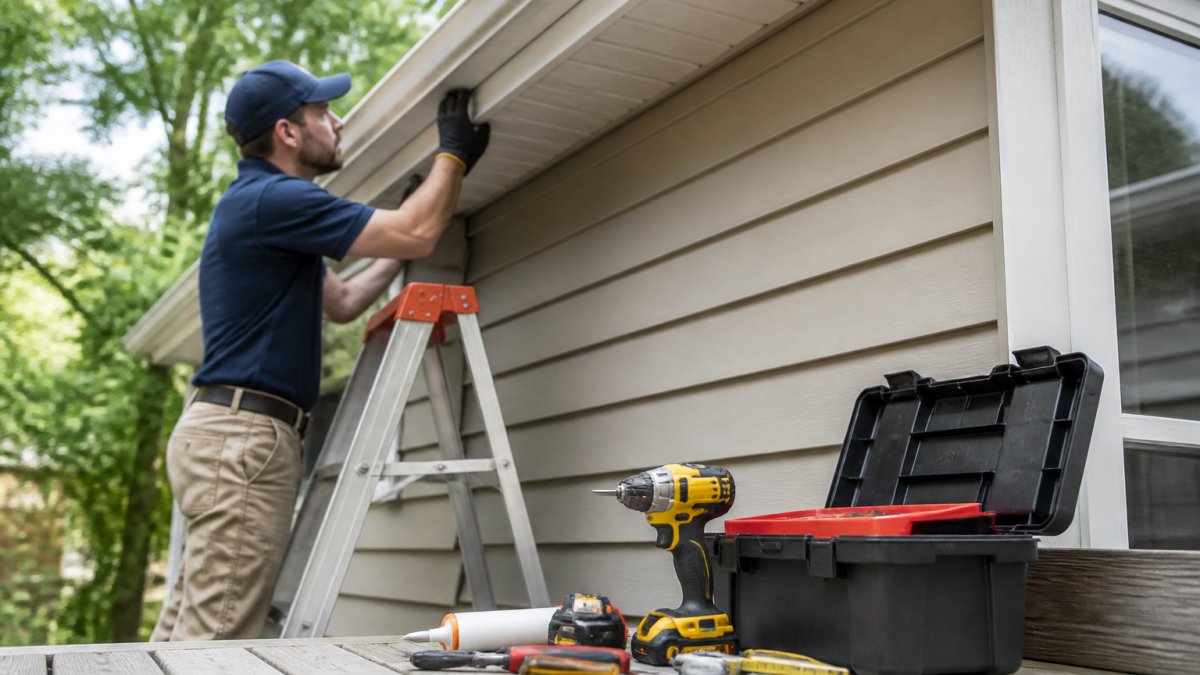
If you spot damaged flashing or a sagging roofline, call a professional. Roof work in freezing conditions is a fall risk, and a bad repair can turn a small leak into a spring ceiling replacement.
3. Clean Gutters and Downspouts to Prevent Ice Dams
Cleaning gutters and downspouts before the first snow is the highest-value hour you'll spend on winter prep. Full gutters trap water that freezes, backs up under the roof edge, and starts the ice dam cycle. Clear out leaves and debris by hand, then flush the downspouts with a hose to confirm water drains away from the foundation.
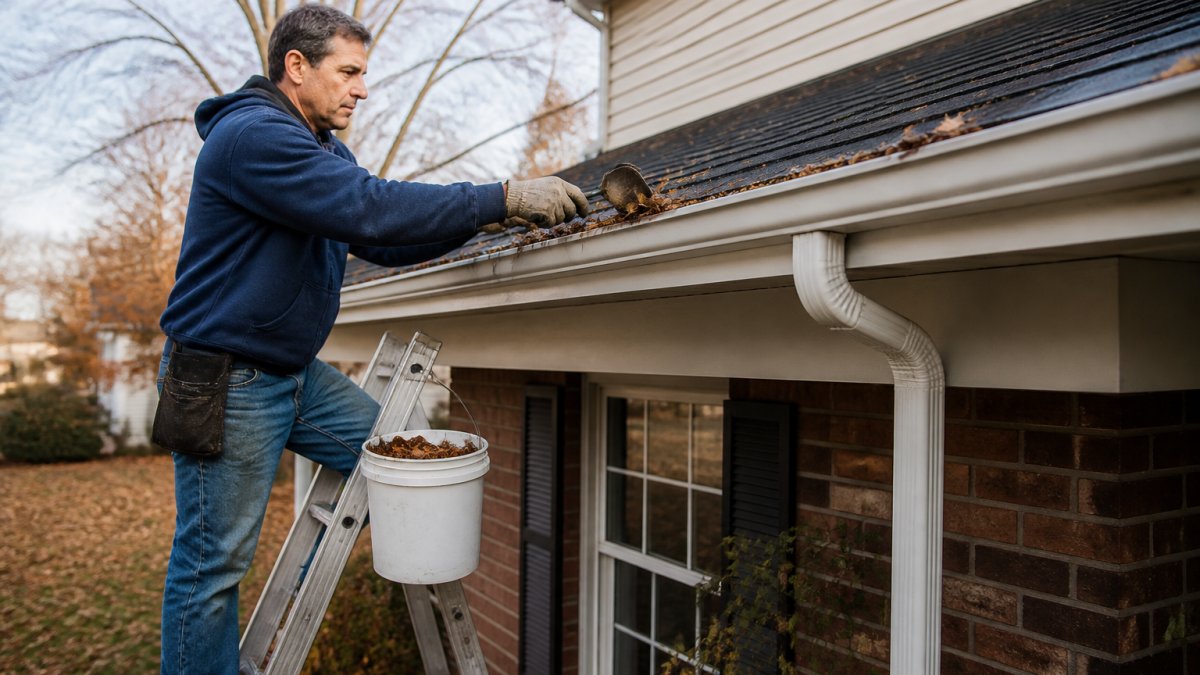
Make sure downspouts discharge several feet from the house, not directly at the foundation. Water that pools against the basement wall in November becomes a frozen, cracked foundation in February.
4. Schedule Furnace Maintenance Before Winter Arrives
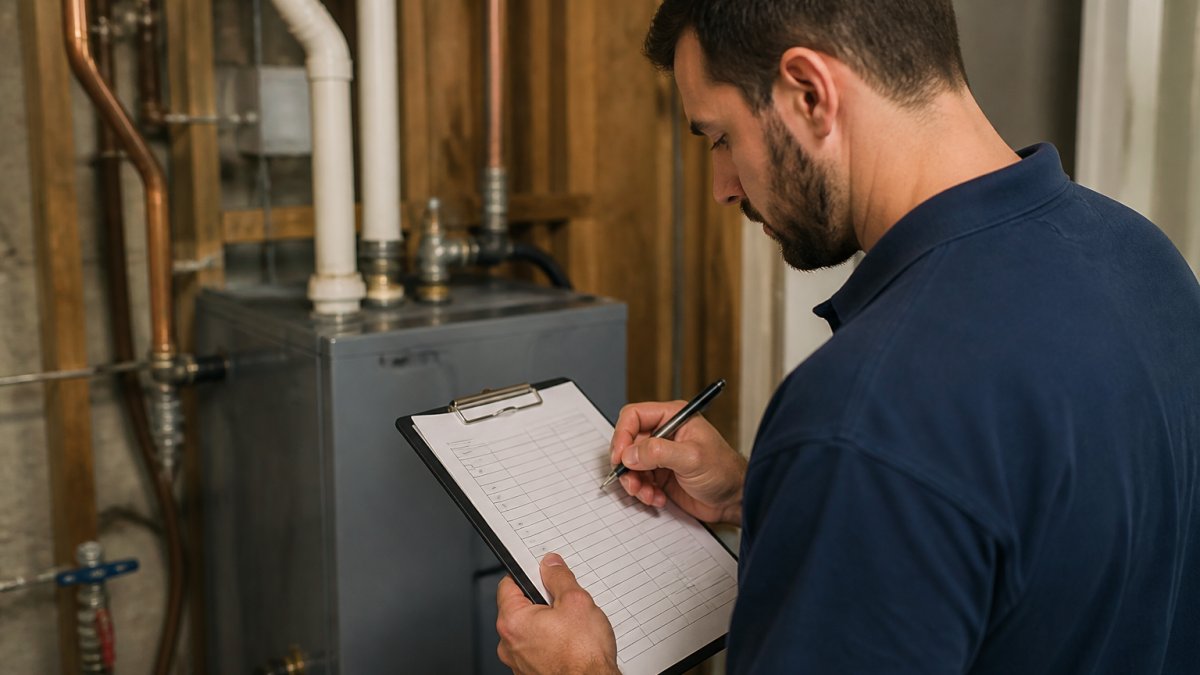
Furnace maintenance should happen before the first cold snap, ideally in early fall. A technician will clean the burners, check the heat exchanger for cracks, test the blower, and confirm the system vents safely. Skipping this service risks a mid-January breakdown and, worse, a carbon monoxide leak from a cracked heat exchanger.
Between professional visits, change HVAC air filters every one to three months, depending on pets and dust. A clogged filter forces the blower to work harder, which raises heating costs and shortens equipment life. Keep a spare filter on hand so the swap takes two minutes, not a trip to the store.
If your system is more than fifteen years old and needs frequent repairs, ask the technician whether replacement makes more sense than another season of patchwork.
5. How to Prevent Frozen Pipes and Protect Outdoor Faucets
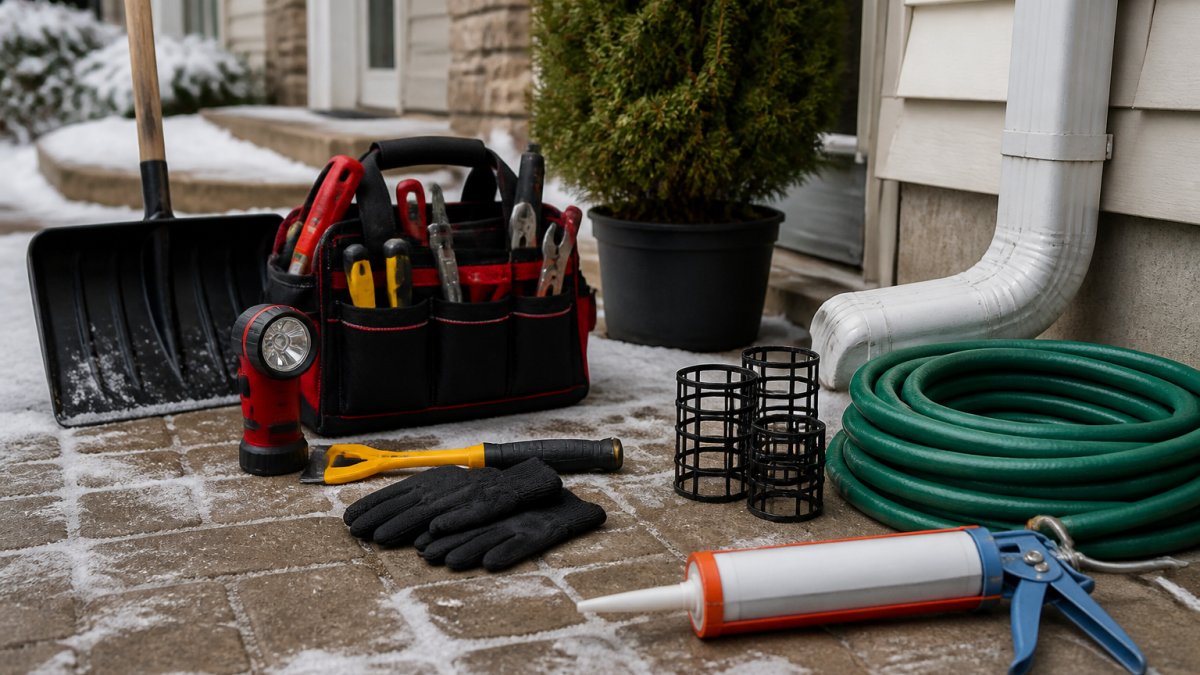
The way to prevent frozen pipes is to remove water from the lines that face the cold and keep heat in the ones that stay. Start outside: disconnect garden hoses, drain and store them, then shut off the valves feeding outdoor faucets and open the faucets to drain the remaining water. A frost-proof spigot still splits if a hose is left attached.
Inside, insulate exposed pipes in basements, crawl spaces, and garages with foam sleeves. On nights forecast below freezing, open cabinet doors under sinks on exterior walls so warm air reaches the pipes, and let a thin trickle run from the faucet farthest from the main.
6. Seal Drafts, Add Insulation, and Protect Attic Spaces
Sealing drafts around windows and doors is the cheapest energy efficiency upgrade a homeowner can make. Run a hand along frames on a windy day, or hold a lit incense stick near the edges and watch the smoke. Apply weatherstripping to moving parts, caulk to fixed gaps, and foam gaskets behind outlet covers on exterior walls.
Attic insulation deserves a close look. If you can see the floor joists when you poke your head into the attic, you likely need more. Proper depth keeps heat in the living space, which lowers heating costs and starves ice dams of the warmth that feeds them. While you're up there, confirm that soffit and ridge vents are open, and seal gaps around pipes and chimneys that let warm air escape.
Older windows that rattle in the wind can be sealed with a shrink-film insulation kit for the season, a low-cost fix that makes a noticeable difference in comfort.
7. DIY vs. Professional Home Maintenance: What to Handle Yourself
DIY home maintenance makes sense for filter changes, detector tests, caulking, and draining outdoor faucets. Professional service makes sense for anything on a ladder, anything involving gas or electrical systems, and anything you'd rather not learn on a freezing afternoon. The dividing line is risk: if a mistake could cause a leak, a fire, or a fall, hire it out.
The real difference between juggling contractors and a membership service comes down to accountability. Chasing down a roofer, a gutter crew, and an HVAC tech across three schedules is how small problems slip through. A membership-based service like Lone Eagle Home Services puts seasonal tune-ups, on-demand repairs, and vendor coordination under one trusted team, with flat-rate pricing, confirmed appointments, and digital service reports provided after every visit.
Test smoke and carbon monoxide detectors monthly, replace batteries at least annually, and replace the units themselves every ten years. Carbon monoxide risk rises in winter because furnaces and space heaters run constantly in sealed houses.
Frequently Asked Questions
What should a winter home maintenance checklist include for a New Jersey home?
A solid winter home maintenance checklist covers roof inspection for loose shingles, gutter and downspout cleaning, furnace servicing, air filter replacement, pipe insulation and outdoor faucet draining, draft sealing around windows and doors, attic insulation checks, and testing smoke and carbon monoxide detectors. In New Jersey, add ice dam prevention and a plan for snow removal. Schedule tasks by temperature triggers: seal drafts and drain faucets before the first hard freeze, and test detectors when you first turn on the heat.
How do I prevent frozen pipes during a New Jersey cold snap?
Disconnect garden hoses, shut off and drain outdoor faucets, and insulate exposed pipes in basements, crawl spaces, and garages. Keep cabinet doors open under sinks on exterior walls and let a thin stream drip from the farthest faucet during single-digit nights. If you leave for an extended trip, maintain indoor heat at 55°F or higher. Knowing where your main water shutoff is located matters most: if a pipe bursts, shutting water off fast limits damage. A professional can identify vulnerable runs during a seasonal tune-up.
How often should I schedule furnace maintenance before winter?
Schedule furnace maintenance before winter every year, ideally in early fall before the first cold snap. A technician should clean the burners, check the heat exchanger for cracks, test the blower, and verify airflow. Replace or clean air filters every one to three months during heating season, depending on pets and dust. Annual servicing keeps the heating system running efficiently, lowers heating costs, and catches carbon monoxide risks early. Homeowners who skip service often discover problems on the coldest night of the year.
Which winter maintenance tasks are worth hiring a professional for?
Roof inspections, furnace servicing, chimney cleaning, and ice dam removal are worth hiring out because they involve height, combustion safety, or specialized tools. Gutter cleaning is a judgment call: single-story homes are manageable, but two-story homes and steep rooflines are safer left to pros. The DIY vs. professional home maintenance line usually comes down to liability and risk. A membership service that coordinates vendors and documents each visit removes the scheduling burden and keeps a service history you can rely on.
Is a monthly maintenance budget of $300 realistic for a Morris County home?
The 1% rule suggests budgeting 1% of your home's value annually for maintenance. A monthly budget covers routine tasks like filter changes, detector batteries, and occasional minor repairs but may not absorb major items like furnace replacement or ice dam mitigation. Setting aside a reserve for large seasonal jobs keeps small problems from turning into emergency expenses.
Winter in Morris County doesn't forgive a missed furnace service or a clogged downspout, and the repairs that follow are rarely cheap. Lone Eagle Home Services removes that burden with proactive seasonal tune-ups, one trusted team for every repair and vendor coordination, and flat-rate pricing backed by digital service reports after each visit. See Plans and get your home winter-ready before the first freeze.