 blog
blog
7 Early Warning Signs of Roof Failure to Catch Now
Table of Contents
- 1. Missing, Cracked, or Curling Shingles
- 2. Granule Loss and Granules in Gutters
- 3. Water Stains on Ceiling From Roof Leak
- 4. Attic Signs of Roof Damage
- 5. Damaged or Rusted Flashing
- 6. Sagging Rooflines and Uneven Roof Surfaces
- 7. Creaking Noises and Visible Roofline Changes
- Your Roof Inspection Checklist for Homeowners
- Frequently Asked Questions
Last Updated: October 15, 2026
1. Missing, Cracked, or Curling Shingles
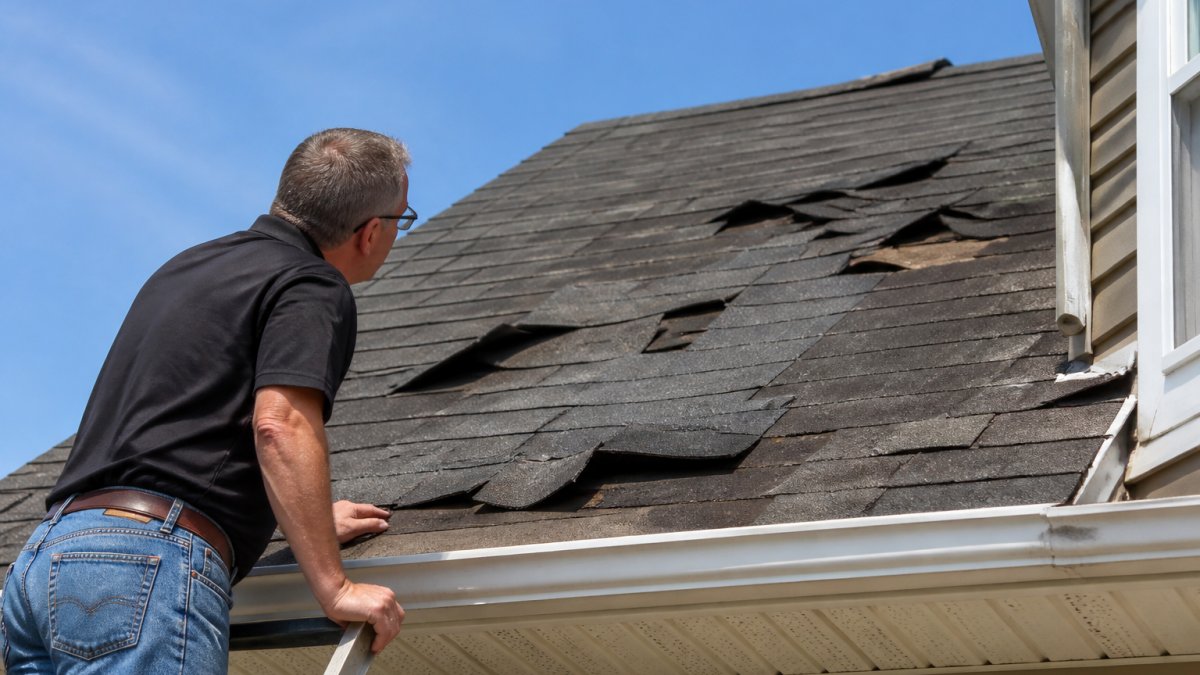
The most visible early warning sign of roof failure is shingle damage: missing tabs, cracks, or edges that curl upward like dried paper. According to the National Roofing Contractors Association, damaged shingles are the leading reason homeowners call for a roof inspection. At Lone Eagle Home Services, we see this pattern most often after a hard winter or a summer of direct sun.
Shingles protect the decking underneath. Once they fail, water gets in.
Here is what to look for from the ground or a ladder:
- Missing shingles: bare patches where the decking shows through
- Cracked shingles: splits that let water slip underneath
- Curling edges: tabs lifting at the corners or along the bottom
- Loose nails: popped fasteners around damaged tabs
Age matters here. Asphalt shingles usually last 20 to 25 years, and damage accelerates after year 15. If your roof is in that range, treat every curled tab as urgent.
2. Granule Loss and Granules in Gutters
Granule loss is the quiet sign of roof damage that most homeowners miss. Those sand-like specks collecting in your gutters are the protective coating washing off your shingles.
Granules shield asphalt from sunlight. As they shed, the shingle thins, dries, and cracks. A few granules after a new roof is normal. Piles of them in the gutter mean the roof is aging fast.
Run this quick test:
- Scoop a handful from the gutter and rub it between your fingers
- Check the downspout splash area for dark grit
- Look for bald, shiny patches on shingles
If you find heavy granule loss across more than one slope, the shingles are near the end of their service life. This is a sign you need a new roof, not a patch.
3. Water Stains on Ceiling From Roof Leak
Water stains on your ceiling are the clearest sign of a roof leak reaching your living space. Brown rings, yellow halos, or bubbling paint all point to water intrusion from above. Before you assume the roof is failing, rule out the other three systems that produce nearly identical marks.
By the time a stain shows, the leak has usually been running for weeks. Water travels along rafters before it drips, so the stain rarely sits under the actual breach. That horizontal travel is exactly why misdiagnosis is so common.
Rule out these causes before blaming the roof:
- Plumbing leaks: Supply and drain lines run through ceilings and walls. A slow drip from a second-floor bathroom, an ice maker line, or a condensate drain leaves the same brown ring a roof leak does. Look for stains that appear regardless of weather.
- Condensation: In humid months or cold winters, warm moist air condenses on cold attic surfaces and drips down. This pattern shows up as damp patches, frost, or dark staining on the underside of the deck, not on the shingles above.
- Ventilation and exhaust: A disconnected bath fan duct, a clogged dryer vent, or a blocked range hood dumps moisture into the attic. The result is mold, damp insulation, and ceiling stains that have nothing to do with the roof covering.
- Exterior wall and window issues: Failed caulk, missing flashing above a window, or a cracked brick or stucco joint lets water in at the wall line. The stain appears near the top of a room, which homeowners often read as a roof problem.
How to tell them apart:
- A stain that grows only after rain points up, toward the roof or flashing.
- A stain that grows after showers, laundry, or cold snaps points to plumbing or condensation.
- A stain with a musty smell and no weather pattern points to ventilation or a slow interior leak.
- A stain near a chimney, vent, or skylight points to flashing, not shingles.
Watch for these roof-specific clues:
- Brown or copper-colored rings on ceilings or walls
- Peeling paint or bubbling drywall
- A musty smell in upstairs rooms
- Damp spots that grow after rain
- Stains that track along a rafter line rather than spreading evenly
We trace the moisture path before recommending a fix, because replacing the wrong thing wastes money. A moisture meter and a careful look at the attic above the stain usually settle the question in one visit. If the roof is the source, the stain is your early warning; if it is not, you just avoided paying for a roof you did not need.
4. Attic Signs of Roof Damage
The attic is where roof trouble shows up first, long before it reaches your ceiling. A quick attic inspection can catch problems months earlier than a look from the driveway.
Bring a flashlight and check for:
- Daylight through the roof boards: a clear sign of roof holes
- Dark streaks or water stains on rafters and decking
- Soft, spongy wood: early rot from trapped moisture
- Damp insulation or matted, compressed batts
- Rusty nails poking through the deck
Poor roof ventilation makes all of this worse. Trapped heat and moisture rot the deck from the inside out. If the attic smells musty or feels damp, the roof is not breathing properly.
5. Damaged or Rusted Flashing
Damaged flashing is a small problem with a big repair bill. Flashing is the metal that seals the joints where your roof meets chimneys, vents, skylights, and walls. When it fails, water pours straight into the structure.
Check these spots:
- Chimney flashing: look for lifted, cracked, or missing metal
- Vent boots: cracked rubber collars around pipes
- Valley flashing: rust streaks or gaps where two slopes meet
- Drip edges: bent or missing metal along the eaves
Rusted flashing is common on older roofs. Rust means the metal has thinned and will fail soon. Sealant smeared over the gap is a temporary fix at best; water finds its way back in within a season.
6. Sagging Rooflines and Uneven Roof Surfaces
A sagging roofline is the most serious sign of roof failure and needs urgent attention. It signals structural damage, not just worn shingles. The roof deck or the framing underneath is losing its strength.
Look for:
- A dip or curve in the roofline when viewed from the street
- Wavy or uneven roof surfaces between rafters
- A ridge that no longer runs straight
- Ceiling sag in the rooms below
- Doors or windows upstairs that suddenly stick or will not latch
- Cracks in the ceiling drywall or along the wall-to-ceiling seam
- A floor that feels soft or slopes near an exterior wall
Weight from trapped water, soaked insulation, or snow load can cause this. So can rot in the decking or damaged trusses. Left alone, a sagging roof can lead to roof collapse, which is a safety risk, not a repair job.
Urgent versus routine: how to triage what you are seeing
Most roof symptoms are routine and can wait for a scheduled inspection. A few are emergencies. Use this split:
Treat as an emergency, leave the area and call for immediate assessment:
- A roof that is visibly sagging, bowing, or curving downward
- A ceiling that is bulging, cracked, or separating from the wall
- A loud crack, pop, or groan from the attic or ceiling, especially after snow or wind
- Water actively pouring or streaming into a room
- A ridge or roofline that has shifted noticeably since the last time you looked
- Any sign that a section of roof or ceiling is pulling away from the structure
If you see any of these, do not go into the attic, do not climb on the roof, and do not stand under the sagging area.
Treat as routine, schedule an inspection:
- A single rusted vent boot or a small flashing gap
- A few granules in the gutter after a storm
- One curled or cracked shingle on a slope
- A minor stain with no active dripping and no weather pattern
- A new creak that appears only during temperature swings and is not accompanied by visible movement
Why the distinction matters
Panic calls and ignored warnings both cost money. Treating a routine flashing repair like a structural emergency leads to overspending and unnecessary replacement.
If you see sagging, stay off the roof. Call a professional for an assessment.
7. Creaking Noises and Visible Roofline Changes
Creaking noises from the roof are a warning sign homeowners often dismiss as normal house settling. New sounds, especially after wind or winter weather, deserve a closer look.
Listen and watch for:
- Creaks, pops, or groans from the attic or ceiling
- A roofline that looks different from last season
- Shingles shifted out of alignment after a storm
- Gaps at the ridge or eaves
Wind damage often shifts shingles without tearing them off, so the change is subtle. Compare your roofline to old photos after every major storm. If the line looks off, get it checked.
Your Roof Inspection Checklist for Homeowners
Use this roof inspection checklist twice a year, in spring and fall, and after any major storm. It takes about 20 minutes from the ground and in the attic.
| Check | Where to Look | Warning Sign | Urgency |
|---|---|---|---|
| Shingles | Ground and eaves | Missing, cracked, curling tabs | Routine to urgent |
| Granules | Gutters and downspouts | Heavy grit, bald patches | Plan replacement |
| Ceiling stains | Upstairs rooms | Brown rings, bubbling paint | Call a roofer |
| Attic | Rafters and decking | Daylight, damp wood, rot | Call a roofer |
| Flashing | Chimney, vents, valleys | Rust, gaps, lifted metal | Routine repair |
| Roofline | Street view | Sagging, wavy surface | Urgent, stay off roof |
| Sounds | Attic and ceilings | New creaks, pops | Get an assessment |
When you spot trouble, document it before you call anyone. Take dated photos from the same angles, note where each issue sits, and write down when it started.
One more thing: know the difference between urgent and routine. Sagging, daylight in the attic, and active leaks are urgent. A few granules or one rusted vent boot is routine. This distinction saves you from panic calls and from ignoring real danger.
At Lone Eagle Home Services, our membership covers proactive seasonal tune-ups, so these checks happen on schedule instead of after a stain appears.
Roof failure rarely happens overnight. It builds quietly through curled shingles, gutter grit, and attic damp until a ceiling stain makes it impossible to ignore.
Frequently Asked Questions
What are the first signs of roof failure?
The earliest signs of roof failure are missing, cracked, or curling shingles and granule loss that shows up as grit in your gutters. You might also notice dark patches or uneven shingle edges. These small changes mean the roof is losing its protective surface. Catching them early lets you schedule a roof inspection before water intrusion causes rot, mold, or ceiling stains inside the home.
How can you tell if a roof needs to be replaced?
If shingles are curling, cracking, or missing across large areas, or if you see sagging rooflines, widespread granule loss, and multiple leaks, a roof replacement is likely needed. Age matters too: most asphalt shingle roofs last 20 to 25 years. When repairs become frequent or damage is structural, a new roof is the safer investment. A professional assessment can confirm whether repair or replacement is right.
Can a roof leak without visible water stains?
Yes. A roof leak can start small and stay hidden for months. Water may travel along rafters and drip into insulation or wall cavities without reaching your ceiling. Attic signs of roof damage, like damp insulation, dark streaks on wood, or a musty smell, often appear before interior stains. That is why checking the attic after heavy rain is part of a thorough roof inspection checklist.
How quickly should you address a roof leak?
You should address a roof leak within 24 to 48 hours of noticing it. Water intrusion spreads fast, damaging insulation, drywall, and framing, and it can lead to mold within days. If the leak is active during a storm, contain the water with buckets and towels, then call a professional roofer as soon as conditions allow. Early action prevents minor roof damage from becoming a major structural repair.