 blog
blog
Most Common Home Maintenance Issues: Prevention Guide
Table of Contents
- The Most Common Home Maintenance Issues Homeowners Face
- HVAC System Failures and Filter Replacement
- Roof Damage and Gutter Cleaning Problems
- Plumbing Leaks and Early Warning Signs
- Signs of Water Leaks in Walls and Water Damage Prevention
- Water Heater Maintenance and Failure Prevention
- Routine Home Maintenance Checklist by Season and Frequency
- Home Maintenance Costs and When to Call a Professional
- Frequently Asked Questions
Last Updated: October 13, 2026
The Most Common Home Maintenance Issues Homeowners Face
Home maintenance problems don't announce themselves. A small drip becomes water damage. A clogged gutter leads to foundation issues.
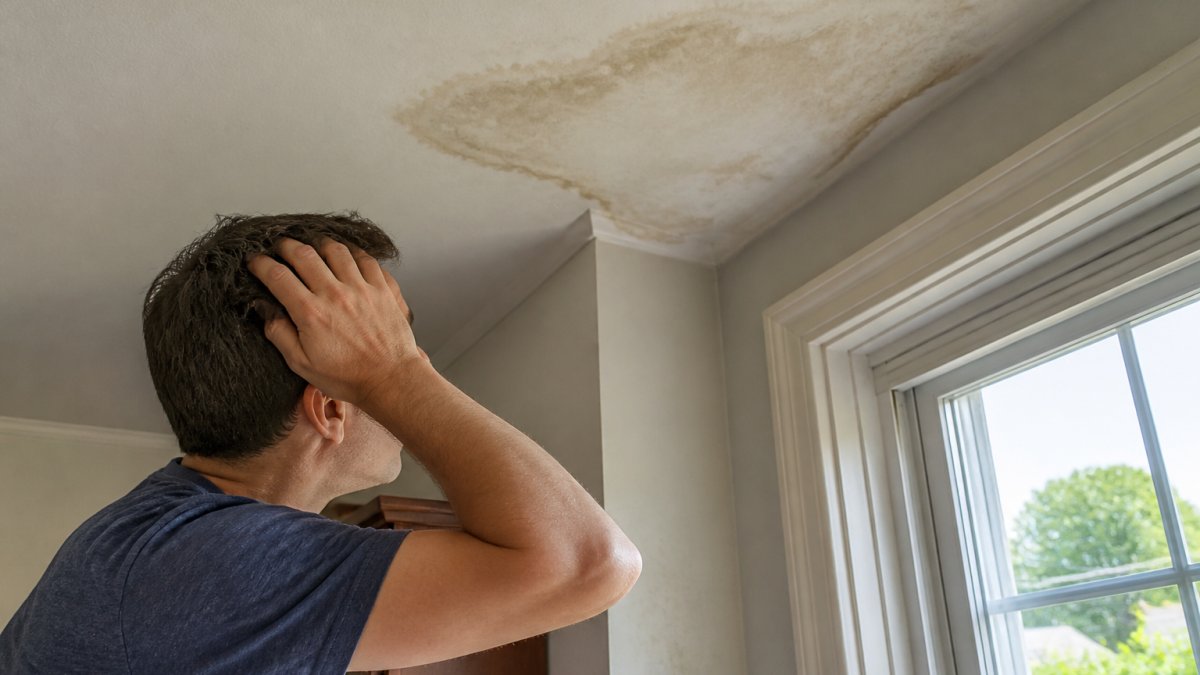
At Lone Eagle Home Services, we've tracked the patterns that plague homeowners most: HVAC failures top the list, followed by roof damage, plumbing leaks, and water heater breakdowns.
The difference between a $200 fix and a $5,000 repair often comes down to catching problems early.
HVAC System Failures and Filter Replacement
Your HVAC system works year-round, cooling in summer and heating in winter. Most homeowners forget about it until it stops working, usually on the hottest or coldest day of the year.
HVAC system failures are the most common home maintenance issue because the system runs constantly and most people ignore it.
What causes HVAC failures:
- Dirty or clogged air filters (most common cause)
- Refrigerant leaks in air conditioning systems
- Worn compressor or blower motor
- Thermostat malfunction
- Blocked ducts or vents
Early warning signs:
- Weak airflow from vents
- Unusual noises (grinding, squealing, rattling)
- Uneven heating or cooling across rooms
- Higher-than-normal utility bills
- System cycles on and off frequently
Prevention steps:
- Replace your HVAC filter every 1-3 months (monthly if you have pets or allergies)
- Schedule professional system servicing twice yearly, spring for air conditioning, fall for heating
- Keep outdoor condenser unit clear of debris and vegetation
- Check that vents and returns aren't blocked by furniture or curtains
- Have refrigerant levels checked during annual servicing
A clean filter is a small investment compared to the cost of system replacement. The math is obvious, yet filter replacement remains the most neglected maintenance task.
Roof Damage and Gutter Cleaning Problems
Your roof is your home's first defense against weather, yet it's the part most homeowners never look at until leaks appear inside.
Roof damage develops slowly: wind loosens shingles, rain exploits gaps, and ice dams form in winter.
Common roof issues:
- Missing or damaged shingles
- Flashing failures around chimneys, vents, and skylights
- Algae or moss growth (especially in humid climates)
- Ice dams in winter months
- Gutter clogs leading to water backup and overflow
How gutters connect to roof damage:
Clogged gutters are one of the most common home maintenance issues because they seem minor until they cause major problems.
Prevention steps:
- Inspect your roof from the ground twice yearly, spring and fall
- Clean gutters and downspouts in fall and spring (or monthly if surrounded by trees)
- Ensure downspouts extend at least 4-6 feet away from your foundation
- Trim tree branches hanging over your roof
- Check flashing around chimneys and vents for gaps or separation
- Remove moss or algae growth with appropriate cleaning methods
When to call a professional:
- Roof access is steep or unsafe
- You notice multiple missing shingles
- Flashing is visibly damaged or separated
- Leaks appear inside your home
Most homeowners can handle gutter cleaning. Roof repairs and inspections should be left to professionals who have proper equipment and insurance.
Plumbing Leaks and Early Warning Signs
Plumbing problems hide inside walls and under floors, often leaking for weeks or months before you see evidence.
Plumbing leaks are among the most common home maintenance issues because pipes degrade silently: corrosion eats through copper, mineral buildup clogs lines, and pressure fluctuations crack fittings, all without warning until water appears.
Common plumbing problems:
- Dripping faucets and leaking fixtures
- Clogged drains (kitchen, bathroom, main line)
- Leaking supply lines under sinks
- Water heater leaks
- Sump pump failure (in homes with basements)
- Burst pipes in winter
Early warning signs of plumbing trouble:
- Slow drains in one or multiple fixtures
- Persistent dripping sounds
- Water stains on ceilings or walls
- Soft spots in flooring near plumbing
- Musty smells (indicating hidden moisture)
- Unexplained increase in water bill
- Visible corrosion on exposed pipes
Prevention steps:
- Fix dripping faucets immediately (a single drip wastes thousands of gallons yearly)
- Use drain screens to catch hair and debris
- Avoid pouring grease down drains
- Flush drains monthly with hot water
- Insulate exposed pipes in unheated areas before winter
- Know where your main water shut-off valve is located
- Test sump pump operation monthly if you have one
DIY versus professional:
You can unclog simple drain clogs and replace washers in leaking faucets. Anything involving supply lines, water heater connections, or main line clogs should be handled by a licensed plumber.
Signs of Water Leaks in Walls and Water Damage Prevention
Water damage is deceptive. The leak might be small. The damage spreads silently behind walls. By the time you notice, mold may already be growing.
Signs of water leaks in walls often go undetected because the damage happens inside, where you can't see or immediately smell it.
Indicators of hidden water leaks:
- Soft or spongy drywall
- Bubbling or peeling paint
- Discoloration or staining on walls (especially near baseboards)
- Musty, moldy odors in specific rooms
- Visible mold growth
- Warped or buckled flooring
- Unusually high water bills
- Sounds of running water when no fixtures are on
Where water leaks hide most often:
- Behind kitchen and bathroom cabinets
- Under sinks and around supply lines
- Around windows and doors
- In basement walls near the foundation
- Under flooring in bathrooms
- Inside exterior walls
Water damage prevention steps:
- Inspect under sinks monthly for leaks or dampness
- Check basement corners and foundation edges for moisture
- Ensure grading slopes away from your foundation
- Install and maintain gutters properly
- Seal cracks in foundation walls
- Use exhaust fans in bathrooms and kitchens
- Fix roof leaks immediately
- Check water heater pan for moisture
Water damage prevention is far cheaper than remediation. Once mold starts growing, you're looking at professional remediation costs that can be substantial.
Water Heater Maintenance and Failure Prevention
Your water heater works silently until it doesn't. Then you're showering in cold water and facing a replacement bill.
Water heater maintenance is straightforward, but most homeowners skip it, and the result is predictable: a unit that should last 10-12 years fails in 5-7 because of neglect.
What causes water heater failure:
- Sediment buildup inside the tank
- Corrosion of the tank interior
- Anode rod deterioration (the rod that sacrifices itself to prevent rust)
- Thermostat malfunction
- Pressure relief valve failure
- Age (most fail between 8-12 years)
Early warning signs:
- Rusty or discolored water from hot taps
- Rumbling or popping noises from the tank
- Slow hot water recovery
- Leaking from the tank base
- Reduced hot water volume
- Age over 10 years
Prevention steps:
- Flush the tank annually to remove sediment (have a professional do this)
- Check the anode rod every 2-3 years and replace if corroded
- Test the pressure relief valve yearly
- Insulate the tank and first 6 feet of hot water pipes
- Keep the area around the heater clear and dry
- Monitor water temperature setting (120-130°F is optimal)
- Have the unit professionally inspected every 2-3 years
Annual flushing can extend water heater life. It's one of the most common home maintenance issues to neglect, and one of the easiest to prevent.
Routine Home Maintenance Checklist by Season and Frequency
The most common home maintenance issues cluster around seasonal changes. Spring and fall bring the heaviest maintenance demands. Winter requires preparation. Summer focuses on outdoor systems.
A routine maintenance checklist keeps you organized and prevents problems from sneaking up.
| Task | Frequency | Season | Priority |
|---|---|---|---|
| Replace HVAC filter | Every 1-3 months | Year-round | High |
| Clean gutters | Twice yearly | Spring, Fall | High |
| Inspect roof from ground | Twice yearly | Spring, Fall | High |
| Flush water heater | Annually | Fall | Medium |
| Test sump pump | Monthly | Spring, Fall | High |
| Inspect basement for moisture | Monthly | Year-round | High |
| Check for plumbing leaks | Monthly | Year-round | Medium |
| Trim tree branches | As needed | Spring, Fall | Medium |
| Check foundation cracks | Annually | Spring | Medium |
| Inspect exterior caulking | Annually | Spring | Low |
| Test HVAC heating system | Annually | Fall | High |
| Test HVAC cooling system | Annually | Spring | High |
| Check water heater anode rod | Every 2-3 years | Fall | Medium |
| Inspect attic for leaks | Annually | Spring, Fall | Medium |
Spring checklist:
- HVAC cooling system servicing
- Gutter cleaning and inspection
- Roof inspection from ground
- Foundation and basement moisture check
- Exterior caulk and weatherstripping inspection
- Test sump pump operation
Summer checklist:
- Monitor for water leaks or staining
- Keep HVAC filters clean (more frequent in hot climates)
- Ensure gutters remain clear
- Check basement for humidity
Fall checklist:
- HVAC heating system servicing
- Gutter cleaning before leaves accumulate
- Water heater flushing
- Roof inspection and trim trees
- Basement moisture check before winter
- Prepare pipes for freezing temperatures
Winter checklist:
- Monitor for ice dams
- Check for water intrusion during thaws
- Ensure sump pump works after heavy snow
- Listen for unusual HVAC noises
Home Maintenance Costs and When to Call a Professional
Not all home maintenance requires professional help. But knowing which problems demand expertise saves money and prevents disasters.
Home maintenance costs vary dramatically depending on whether you catch problems early. Proactive maintenance can prevent significantly more expensive repairs.
Typical repair costs (ballpark figures, get local quotes):
- HVAC filter replacement: $15-50
- HVAC system servicing: $150-300
- Water heater flushing: $150-300
- Gutter cleaning: $150-400
- Roof inspection: $200-400
- Plumbing leak repair: $200-500
- Water heater replacement: $1,500-3,500
- Roof repair: $500-2,000
- Foundation waterproofing: $3,000-10,000
- Full HVAC replacement: $5,000-15,000
DIY versus professional breakdown:
Handle these yourself:
- HVAC filter replacement
- Gutter cleaning (if safe from ground)
- Drain unclogging (simple clogs)
- Faucet washer replacement
- Caulk inspection and reapplication
- Visual inspections
Call a professional for:
- HVAC servicing and repairs
- Roof inspection and repair
- Plumbing repairs (especially water supply lines)
- Water heater service and replacement
- Foundation issues
- Electrical work
- Mold remediation
- Any work requiring permits
Why professional service saves money:
At Lone Eagle Home Services, we prevent the most common home maintenance issues through proactive seasonal tune-ups and consistent monitoring.
The cost of preventive maintenance is always lower than reactive repairs.
Frequently Asked Questions
What are the most common house problems that need immediate attention?
Roof leaks, burst pipes, electrical failures, and water heater breakdowns require urgent action to prevent structural damage and safety hazards. HVAC system failures during extreme weather also demand quick repair. Ignoring these issues leads to exponential damage and costly repairs. Address any sign of water intrusion, gas odors, or electrical problems immediately by calling a professional.
How often should routine home maintenance be performed?
Most systems need attention monthly, quarterly, or seasonally. HVAC filters require replacement every 1-3 months. Gutters need cleaning twice yearly. Plumbing inspections work best annually. Water heater flushing happens yearly. A routine home maintenance checklist organized by season ensures nothing gets missed and prevents small problems from becoming expensive repairs.
How can homeowners spot signs of water leaks in walls before major damage occurs?
Watch for soft spots, discoloration, peeling paint, musty odors, or visible mold on drywall. Check under sinks, around toilets, and near water heater connections monthly. Listen for dripping sounds behind walls. Early detection of signs of water leaks in walls prevents mold growth, structural rot, and foundation damage. Professional moisture testing catches hidden leaks before they become expensive problems.
What is the difference between preventive home maintenance and reactive repairs?
Preventive home maintenance stops problems before they start through regular inspections, seasonal tune-ups, and filter replacements. Reactive repairs address failures after they happen, costing 2-3 times more and disrupting your home. A membership-based approach to preventive home maintenance ensures consistent care, priority scheduling, and flat-rate pricing, eliminating the stress of managing multiple contractors and preventing costly emergency repairs.
Home maintenance doesn't have to be stressful. The most common home maintenance issues follow predictable patterns. HVAC failures, roof damage, plumbing leaks, and water heater breakdowns can all be prevented with routine attention and seasonal tune-ups. At Lone Eagle Home Services, we handle the complexity, scheduling, coordination, and follow-up, so you can focus on your life. See our plans and discover how proactive maintenance protects your home and your budget.