 listicle
Why Hire Professional Home Maintenance: 7 Key Reasons
Table of Contents
- The Real Cost of DIY vs. Professional Home Maintenance
- Protecting Your Investment: Safety, Compliance, and Structural Integrity
- Time Savings and Stress Reduction: What Your Hours Are Worth
- Specialized Tools, Skilled Labor, and Professional Expertise
- Preventative Care vs. Emergency Repairs: The Maintenance Schedule Advantage
- How to Find a Trusted Handyman: A Vetting Checklist
- Why Reliable Home Repair Services in NJ Matter for Your Property
- Conclusion: Make the Call That Protects Your Home
- Frequently Asked Questions
Last Updated: September 6, 2026
Every homeowner knows the feeling: a weekend meant for relaxing disappears into a plumbing project that takes three trips to the hardware store. That frustration is why professional home maintenance pays for itself in time, safety, and long-term property value. We have watched homeowners in Morris County, NJ, wrestle with the DIY-versus-pro choice, and the math rarely favors the wrench.
Professional home maintenance is not just about fixing what breaks; it is a strategy for protecting one of your largest financial assets. Most guides miss the real drivers: liability, structural integrity, and the hidden cost of your own time.
The Real Cost of DIY vs. Professional Home Maintenance
The biggest mistake homeowners make is comparing a part's price against a professional's labor rate. That ignores the true cost of DIY: your time, the risk of making the problem worse, and tools you will buy for a single job.
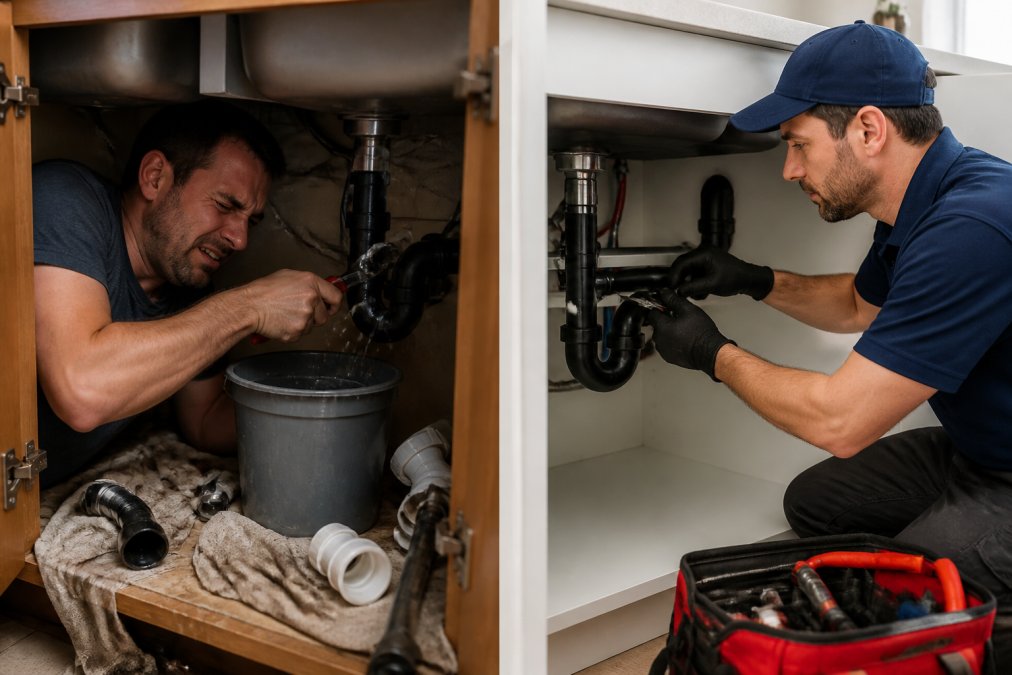
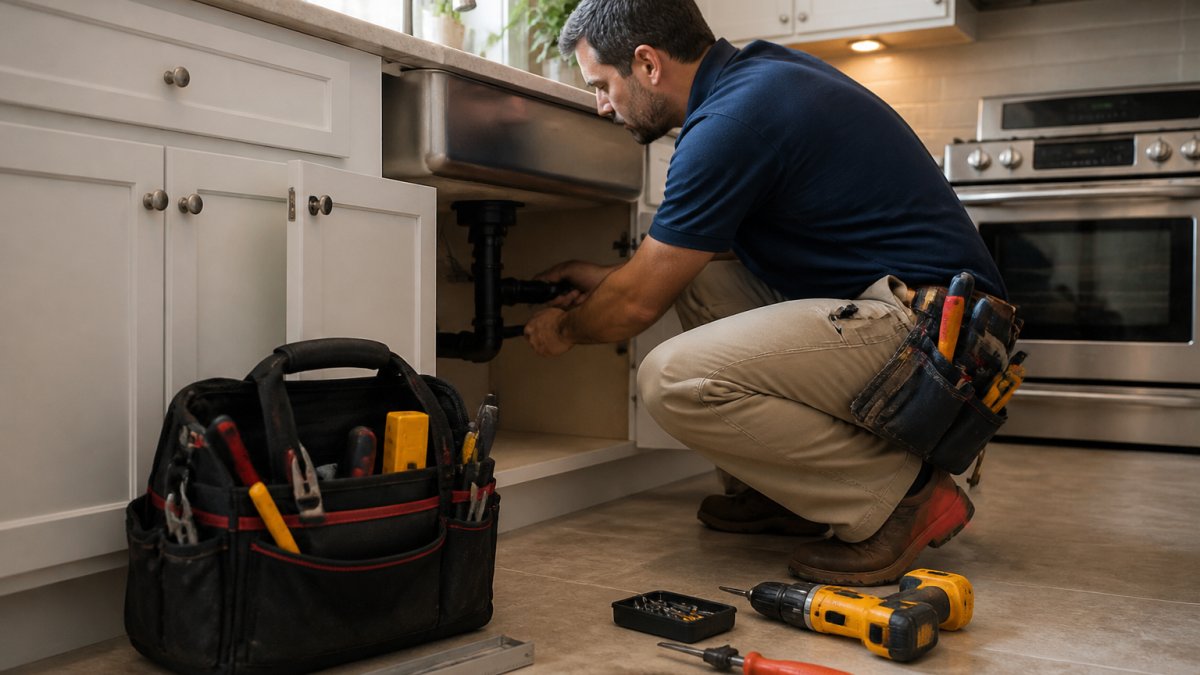
Consider a leaking faucet. The replacement cartridge costs around $15, but you will spend an afternoon researching, shutting off the wrong valves, and potentially stripping a fitting. If that happens, you are now paying a plumber an emergency call-out fee to fix your mistake on top of the original issue.
A professional brings the right part, the correct tool, and the experience to finish the job in under an hour. The cost is not just labor; it is the certainty the job is done correctly the first time. A botched DIY electrical or plumbing repair can lead to water damage or fire risk, making the potential cost of DIY skyrocket.
Protecting Your Investment: Safety, Compliance, and Structural Integrity
Professional home maintenance is the most effective way to ensure your property remains safe, compliant with local building codes, and structurally sound. This is the part of homeownership that DIY guides gloss over, because it involves risk rather than reward.
When you hire an unlicensed individual or attempt structural work yourself, you assume liability for any injuries or damage. Licensed and insured professionals carry coverage to protect you if something goes wrong. Tasks like electrical panel upgrades or load-bearing wall modifications require permits and must pass inspection; failing to secure them can create problems when you sell your home or file an insurance claim.
The workmanship warranty professional contractors provide is another layer of protection you do not get with a casual handyman. If the work fails within a specified period, they return to fix it at no additional cost, safeguarding your investment long after the invoice is paid.
Time Savings and Stress Reduction: What Your Hours Are Worth
For busy professionals, hiring a pro is often less about repair cost and more about time management. Hours spent on property upkeep are hours not spent with family, working, or recovering from a stressful week.
Coordinating a single repair is time-consuming enough. Managing multiple vendors for different home systems becomes a logistical nightmare of appointment windows and missed calls. A professional maintenance service consolidates this into a single point of contact, handling scheduling and vendor coordination for you.
This concierge-level management separates a true professional service from a gig-economy app. You are paying for the peace of mind of confirmed appointments and clear communication. The stress reduction alone is often worth the cost, transforming home maintenance from a source of anxiety into a seamless, scheduled part of your life.
Specialized Tools, Skilled Labor, and Professional Expertise
The difference between a patch job and a lasting repair comes down to tools and expertise. Professional technicians arrive with specialized equipment most homeowners do not own and should not buy for a single use.
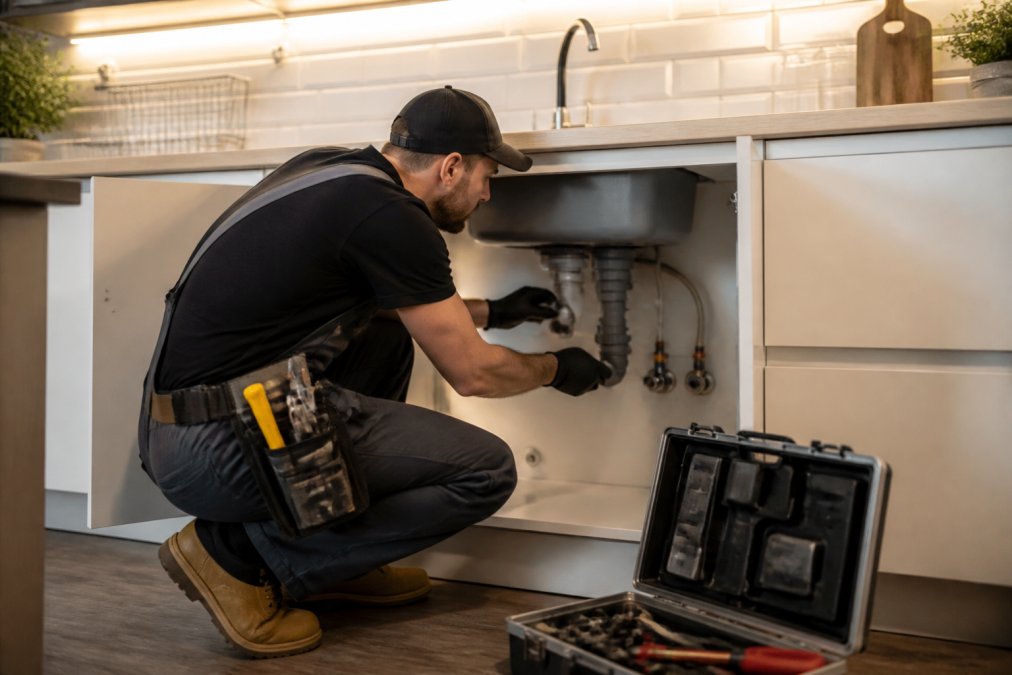
Consider drain cleaning. A homeowner might buy a chemical cleaner or a flimsy snake, which often only pushes the clog further down the line. A professional uses a motorized auger or hydro-jetting equipment to clear the line completely, addressing the root cause rather than the symptom.
Beyond tools, professional expertise means understanding why a system is failing, not just how to fix the symptom. A skilled technician can identify that a failing water heater is actually a symptom of a pressure problem, saving you from replacing the unit twice. This diagnostic ability is the core value of skilled labor.
Preventative Care vs. Emergency Repairs: The Maintenance Schedule Advantage
Reactive repairs are the most expensive way to maintain a home. Proactive, preventative maintenance prevents small issues from escalating into emergencies requiring urgent, premium-priced intervention. But 'preventative maintenance' is vague without a concrete plan; the advantage only materializes with a specific schedule matching your home's systems to the calendar.
Most homeowners lack this tool. Without it, you rely on memory and react only when something breaks, often at the most inconvenient times, like a failed furnace in January. Professional services operate on a seasonal schedule, ensuring your HVAC is tuned before summer heat arrives and your plumbing is checked before winter freezes.
To make this concrete, here is the baseline seasonal schedule that most professional services use as a starting point for a single-family home in a four-season climate:
- Spring (April-May): HVAC cooling tune-up, inspect roof for winter damage, check exterior grading and downspout drainage, test sump pump, service lawn irrigation system.
- Summer (June-August): Inspect and clean dryer vent, check window and door seals for leaks, inspect deck and porch for wood rot or loose fasteners, flush water heater to remove sediment.
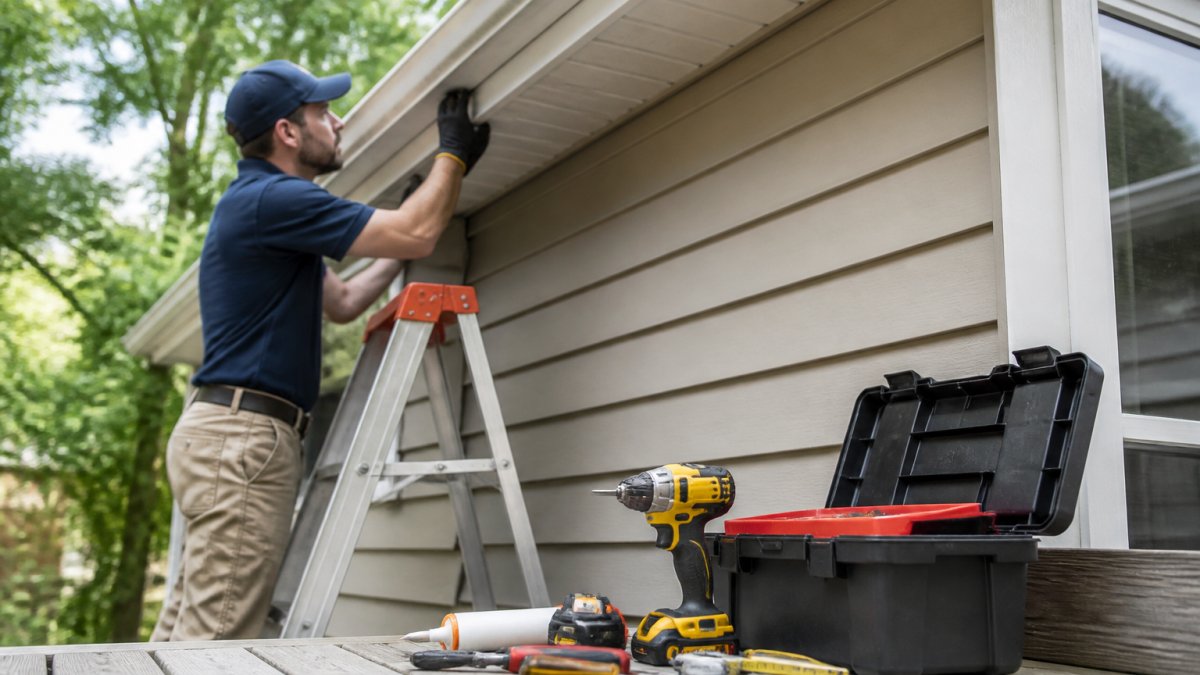
- Fall (September-October): HVAC heating tune-up, clean gutters and downspouts, inspect chimney and fireplace, winterize exterior spigots, check attic insulation and ventilation.
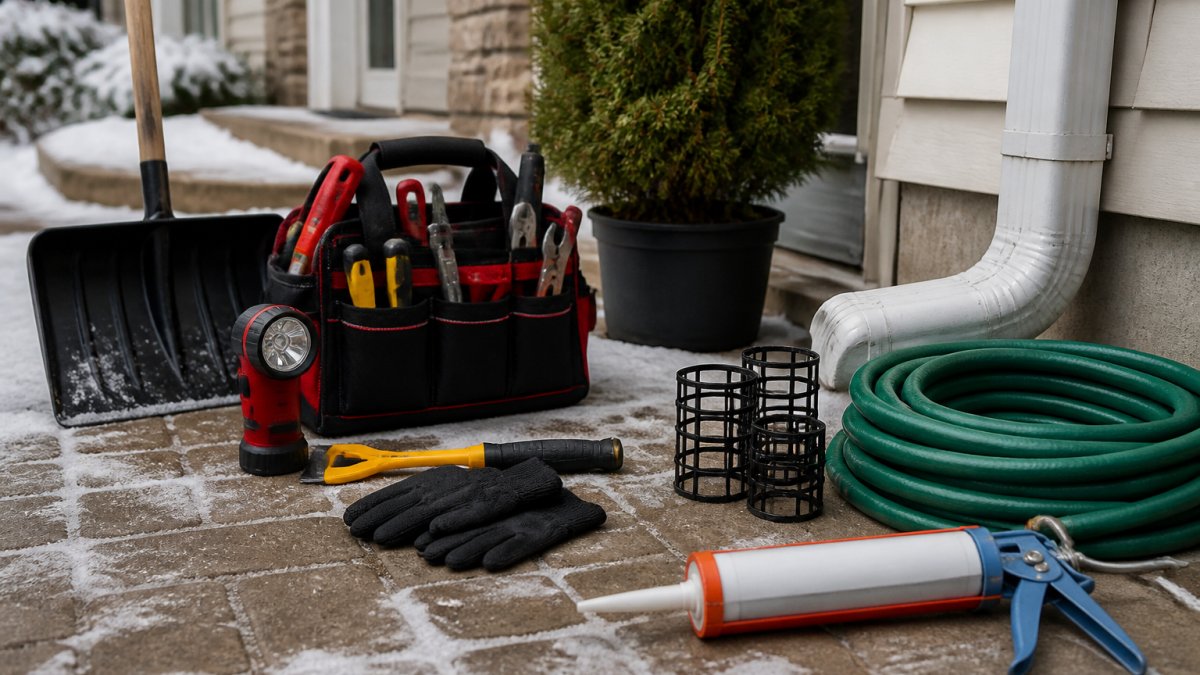
- Winter (November-March): Check for ice dam formation, monitor basement for moisture, test carbon monoxide and smoke detectors, inspect visible plumbing for leaks.
A professional service does not just show up when you call; they track these intervals for you. A seasonal HVAC tune-up typically runs $100-$200 per visit; a failed compressor from neglected maintenance runs $1,500-$3,000 to replace. A water heater flush costs $100-$150 as part of a maintenance visit; a tank that fails from sediment buildup costs $1,200-$2,000 to replace, plus potential water damage (energystar.gov).
The math is not subtle. A full annual preventative maintenance plan across all major systems can offer significant savings compared to emergency repairs. One avoided emergency call can offset a substantial portion of an annual plan.
This approach shifts the focus from emergency repairs to long-term savings. The cost of a seasonal tune-up is a fraction of a full system replacement resulting from years of neglect. Preventative care also extends the lifespan of your home systems, delaying capital expenditures and boosting resale value through documented property condition.
| Maintenance Approach | Cost Profile | Impact on Home Systems | Best For |
|---|---|---|---|
| DIY Reactive | Low upfront, high risk | Addresses symptoms, accelerates wear | Minor cosmetic tasks |
| Professional Preventative | Predictable flat-rate | Extends lifespan, prevents failures | Protecting long-term asset value |
| Emergency Repair | Highest cost | Restores function after failure | Critical, unexpected failures |
How to Find a Trusted Handyman: A Vetting Checklist
Finding a trusted handyman requires more than a quick search for "reliable home repair services in nj." It demands a structured vetting process to verify the person or company you invite into your home is qualified, insured, and accountable. Most homeowners skip this because they do not know what to ask. Here is the step-by-step mechanism that separates a vetted professional from a gamble.
Step 1: Verify the License, Do Not Just Ask for It
Ask for their contractor licensing information and confirm it is active with your state's division of consumer affairs. Do not accept a photocopy or screenshot. Most states have an online lookup tool to verify the license number, check active status, and see if any disciplinary actions have been filed. A license number that does not match the company name, or a license that has lapsed, is an immediate disqualifier. For specialized work, electrical, plumbing, HVAC, confirm the license covers that specific trade.
Step 2: Request a Certificate of Insurance, From the Provider, Not the Contractor
Ask for a certificate of insurance (COI) and request it be sent directly from their insurance provider to you. A COI shows the policy number, coverage limits, and policy period. Two types of coverage matter: general liability (protects you if they damage your property) and workers' compensation (protects you if a worker is injured on your property and tries to sue you) (osha.gov). If a contractor says they are "insured" but cannot produce a COI, treat that as a red flag. A legitimate company has this document ready.
Step 3: Check References, But Ask the Right Questions
Most homeowners ask for references and then never call them. When you do call, ask specific questions that reveal the contractor's work habits:
- Did the crew show up on time and clean up daily?
- Were there any change orders, and how were they communicated?
- Did the contractor pull the required permits, or did they ask you to pull them?
- Was the final invoice within 10% of the original quote?
- Would you hire them again for a project of similar scope?
Step 4: Scrutinize Review Patterns, Not Star Ratings
A single perfect score on one platform is easy to fake. Look across multiple platforms, Google, Yelp, the Better Business Bureau, and state licensing boards. Look for patterns: repeated complaints about communication, missed appointments, or unfinished punch-list items are more telling than a one-star rant. Also check how the company responds to negative reviews. A professional responds calmly, acknowledges the issue, and offers a path to resolution. A company that attacks reviewers is showing you how they will treat you when something goes wrong.
Step 5: Get the Warranty in Writing, Before Work Begins
A verbal promise of a workmanship warranty is worthless. Ask for the warranty terms in writing before any work begins. The document should state the duration, what is covered (labor only, or parts and labor), and the process for filing a claim. A standard workmanship warranty is typically one to two years (consumer.ftc.gov). If a contractor will not put their warranty in writing, they do not expect their work to last.
This checklist helps you avoid the pitfalls of hiring unvetted individuals who may disappear if the work fails. A professional company welcomes this scrutiny because they have the systems and accountability to back their work. The time you spend verifying credentials is a fraction of the cost of fixing a botched job.
Why Reliable Home Repair Services in NJ Matter for Your Property
New Jersey's climate presents unique challenges for home maintenance, from humid summers that strain HVAC systems to freeze-thaw cycles that damage foundations and driveways. This is why seeking out reliable home repair services in NJ is critical for protecting your property's condition.
A local service understands these regional stressors and structures their preventative maintenance schedules accordingly. They know a spring tune-up is not just a formality but a necessary check to ensure your air conditioning can handle the humidity of a Jersey summer. They also understand the importance of winterizing exterior spigots and checking for ice dam risks before they cause interior water damage.
The value of a local partner extends beyond technical knowledge. When you work with a service rooted in your community, you benefit from a team that values its reputation locally. This accountability, combined with professional expertise, ensures your property is maintained to a standard that protects its value and your peace of mind.
Conclusion: Make the Call That Protects Your Home
The decision to hire professional help is a choice between managing a never-ending list of chores and protecting your asset through a reliable system. We understand your time is valuable and the stress of managing multiple contractors is a burden you should not have to carry.
Lone Eagle Home Services offers a membership-based solution to this exact problem, providing a single, trusted team for all your maintenance needs. Our flat-rate pricing, proactive seasonal tune-ups, and digital service reports provide clear communication about the status of your home and the cost of a repair. We handle the vetting, scheduling, and quality control so you can enjoy your home without the hassle.
Get started with Lone Eagle Home Services and see how professional home maintenance should work.
Frequently Asked Questions
Is it cheaper to hire a professional or do home repairs yourself?
While DIY might seem cheaper upfront, the cost of home maintenance vs repair often favors professionals when you factor in your time, the cost of specialized tools, and the risk of mistakes. A botched DIY job can lead to expensive water damage or electrical hazards. Professional work usually comes with a workmanship warranty, protecting you financially if something fails. Consider the long-term savings of a job done right the first time versus having to redo it.
What are some red flags when hiring a handyman?
Key red flags include a lack of licensing or liability insurance, requests for large upfront cash payments, and an unwillingness to provide a detailed written estimate. Be wary of contractors who cannot provide references or who lack a physical business address. A professional should also be clear about their scope of work and timeline. If they are vague about safety standards or building codes, it is a sign to look elsewhere for reliable home repair services.
What is the 1% rule for property maintenance?
The 1% rule is a budgeting guideline suggesting you set aside roughly 1% of your home's purchase price each year for maintenance and repairs. For a $500,000 home, that equals $5,000 annually. This proactive approach helps you manage property upkeep costs and prevent small issues from becoming costly emergencies. A professional maintenance plan can help you schedule these tasks and allocate your budget effectively, protecting your asset and avoiding the stress of unexpected financial hits.
What are the benefits of a membership-based home maintenance plan?
A membership plan offers predictable, flat-rate pricing and eliminates the hassle of vetting new contractors for every job. You gain a single, trusted point of contact for seasonal tune-ups and on-demand repairs, with priority scheduling and digital service reports. This proactive care model focuses on preventative repairs, which helps maintain your home's value and prevents small problems from escalating, offering peace of mind.