 listicle
7 Affordable Home Improvement Projects for NJ Residents
Last Updated: October 29, 2026
Quick Summary
Affordable home improvement for NJ residents starts with cosmetic work and targeted swaps rather than full renovations, since paint, hardware, and lighting change what buyers see for a fraction of a gut renovation. Cabinet refacing, bathroom refreshes without moving plumbing, and entry or garage door replacement deliver strong payback at low to mid-hundreds in material cost.
- Cabinet refacing or painting keeps existing boxes and doors, avoiding demolition and cabinet lead times.
- Keeping bathroom fixtures in place avoids turning a cosmetic update into a permitted job.
- Entry and garage door replacement rank high on value lists because they noticeably change the facade.
- If a mistake means water damage or a failed inspection, hire the job out.
- Schedule exterior painting and roofing from late spring through early fall, before the first hard freeze.
Table of Contents
- Quick Comparison: Affordable Projects and What They Cost
- Budget-Friendly Home Remodeling Ideas That Actually Pay Off
- Home Improvements That Add Value: Where the Money Comes Back
- DIY Home Improvement Projects Worth Doing Yourself
- Hiring a Handyman for Home Repairs: When It Makes Sense
- Permits, Codes, and Climate-Ready Materials for NJ Homes
- Energy-Efficiency Upgrades and Incentives Worth Checking
- Planning Your Project Calendar Around the Seasons
- Frequently Asked Questions
Quick Comparison: Affordable Projects and What They Cost
Affordable home improvement projects for NJ residents start with knowing which upgrades deliver the most visible change for the least money. Homeowners who want a real refresh without a second mortgage often ask which upgrades are worth the money. The honest answer: cosmetic work and targeted swaps beat full renovations on cost almost every time.
Here is a short list of commonly recommended projects, with rough budget tiers:
| Project | Typical Material Cost | DIY or Pro | Payback Strength |
|---|---|---|---|
| Cabinet refacing or painting | Low to mid hundreds | DIY-friendly | Strong |
| Bathroom refresh without moving plumbing | Low hundreds | Mostly DIY | Strong |
| Entry and garage door replacement | Mid hundreds to low thousands | Professional | Very strong |
| Landscaping and edging | Under a hundred | DIY | Strong |
| Light fixtures, faucets, hardware | Under a hundred per item | DIY | Moderate |
| Insulation and air sealing | Varies by scope | Professional | Strong |
Below, each option is broken down with notes on where permits may apply and which projects are better suited to DIY versus a professional.
Budget-Friendly Home Remodeling Ideas That Actually Pay Off
The best budget-friendly home remodeling ideas share one trait: they change what a buyer or appraiser sees in the first thirty seconds. Paint, hardware, and lighting do that for a fraction of a gut renovation.
Cabinet Refacing and Painting Instead of Replacement
Cabinet replacement is often more than a kitchen update needs. For a clearer picture of what a kitchen refresh costs in New Jersey, see this guide to kitchen remodeling costs in NJ homes. Refacing or painting keeps your existing boxes and doors, which means no demolition, no cabinet lead times, and no countertop removal. Prep work decides the outcome of a cabinet refinish.
Bathroom Updates Without Moving Plumbing
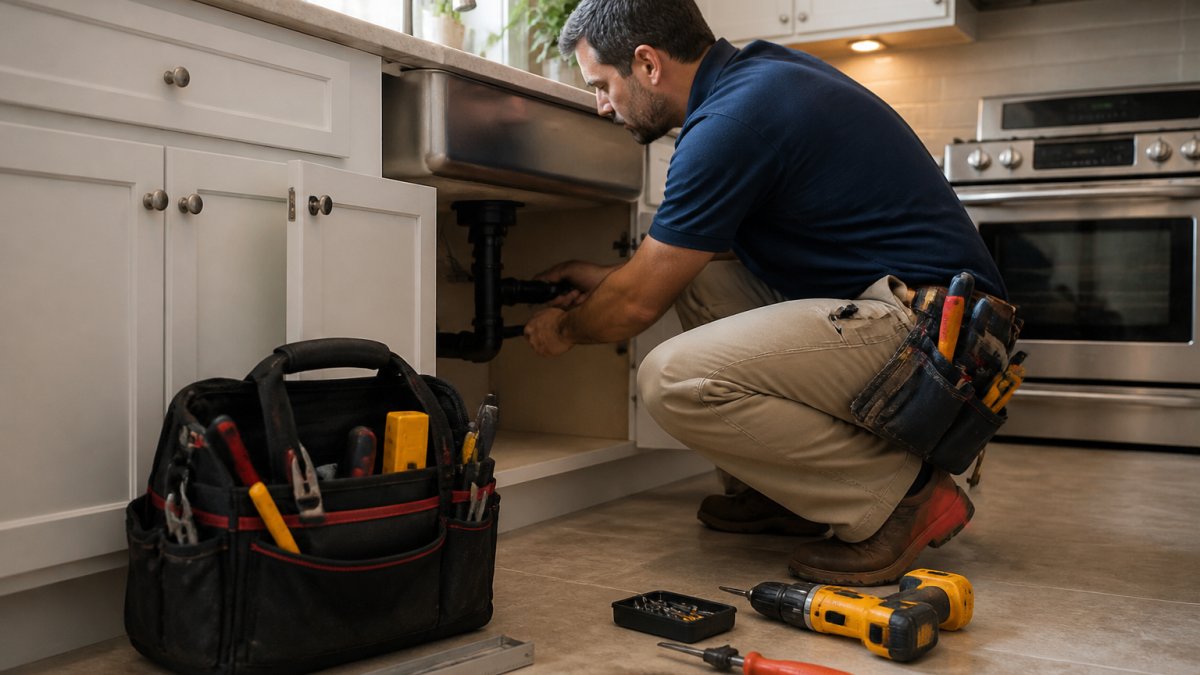
Moving a drain or supply line can turn a cosmetic update into a permitted job. Keeping fixtures where they are and swapping finishes, such as a new vanity top or re-grouted tile, avoids that.
Home Improvements That Add Value: Where the Money Comes Back
Home improvements that add value cluster around curb appeal and envelope performance. Appraisers and buyers reward what they can see from the street and what their first utility bill tells them.
Curb Appeal: Entry Doors, Garage Doors, and Landscaping
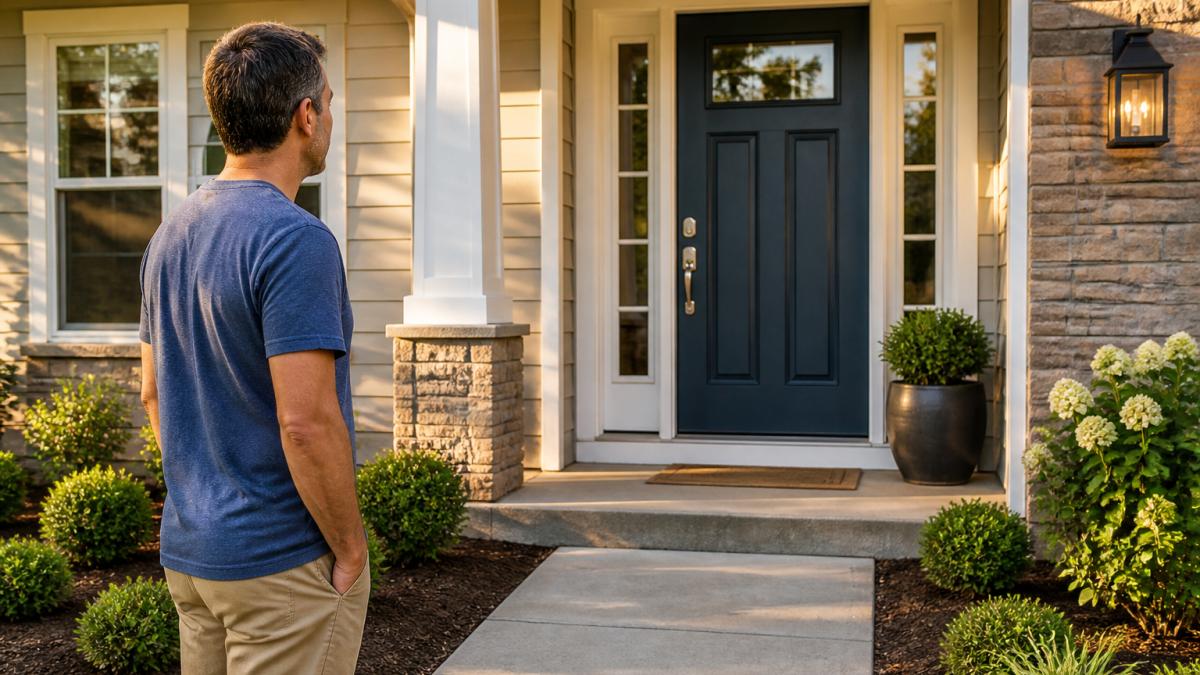
Entry and garage door replacement often appear near the top of value lists because they change the facade noticeably. If you would rather not handle door installation yourself, Lone Eagle Home Services offers professional support; current pricing is available on the company's website. You can also visit the home maintenance team Morris County homes deserve to book door and window work.
DIY Home Improvement Projects Worth Doing Yourself
DIY home improvement projects worth your weekend share three traits: low risk of water or electrical damage, high visibility, and tools you already own or can rent cheaply. The projects below meet that bar. Anything involving gas, an electrical panel, or structural framing does not.
The DIY Shortlist
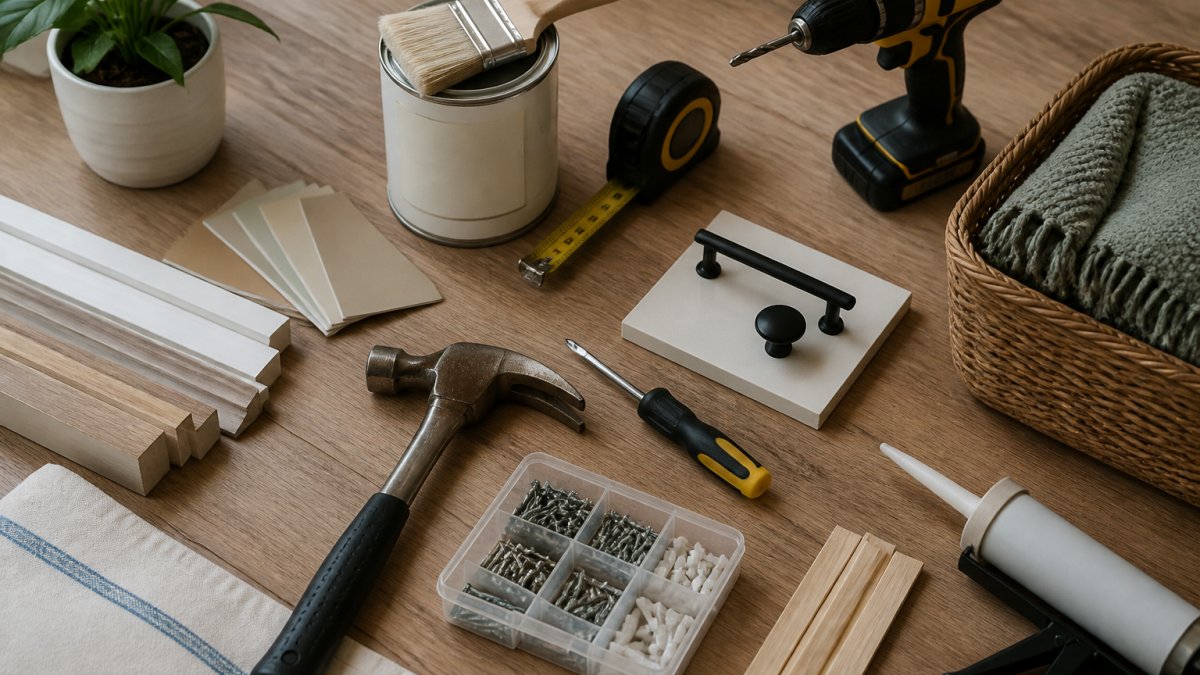
- Paint a room or a front door, a high-visibility, lower-risk upgrade. Prep, cleaning, sanding, and priming, decides the outcome more than the brand.
- Replace cabinet hardware and door knobs, a screwdriver job that can change the look of a room in an afternoon.
- Swap light fixtures on existing wiring, safe when the circuit is off at the breaker and the box is already there. Adding a new box or a new circuit is not a DIY job.
- Install a peel-and-stick or kit backsplash, renter-friendly and reversible. Surface prep is the whole game; a clean, dry, flat wall is non-negotiable.
- Refresh mulch and edging, bulk mulch and edging can clean up a front bed and the facade in an afternoon.
- Re-grout or re-caulk a bathroom, cheap materials, meaningful visual return, and no plumbing risk if you stay on the surface.
Where DIY Stops and a Pro Starts
A simple decision rule: if a mistake means water damage, a failed inspection, or a safety hazard, hire it out.
- Electrical, new circuits, panel work, and anything requiring a permit belong to a licensed electrician.
- Plumbing, moving a drain or supply line turns a cosmetic update into a permitted job. Swapping a faucet is DIY; relocating a fixture is not.
- Structural, removing walls, sistering joists, and cutting new openings require engineering and permits.
- Height and access, roof work, second-story windows, and anything above a safe ladder height are pro territory.
- Gas, appliance connections and gas line work are licensed-trade jobs in every municipality.
If a job lands on the professional side of the line, Lone Eagle Home Services can help, and current pricing is available on the company's website.
Hiring a Handyman for Home Repairs: When It Makes Sense
Hiring a handyman for home repairs makes sense when the job needs tools you do not own, sits above a safe working height, or touches plumbing and electrical systems. For more detail, read how to know when to call a professional for home repairs.
Lone Eagle Home Services offers one trusted team for maintenance and vendor coordination, with confirmed appointments and clear communication. Learn more about the benefits of hiring local NJ handyman services and how to vet pros.
Permits, Codes, and Climate-Ready Materials for NJ Homes
Permits are the single most common surprise in an affordable renovation. A project that looks cosmetic on paper can trigger an inspection, a fee, and a delay if it touches structure, electrical, plumbing, or mechanical systems. The rules are set locally, so the same deck addition can require a different submission packet in one municipality than in the next.
Common Permit Triggers
Most building departments treat the following as permit-required work:
- Structural changes, removing or adding walls, cutting new openings, sistering joists, or altering a load-bearing beam.
- Decks, porches, and stairs, new construction, replacement, and most expansions, including height and footing changes.
- Electrical work, new circuits, panel upgrades, added outlets, and fixture replacements where new wiring is run. Swapping a light fixture on existing wiring is usually exempt; adding a circuit is not.
- Plumbing, moving supply or drain lines, adding fixtures, and replacing a water heater.
- Mechanical, new HVAC equipment, ductwork changes, and gas appliance installations.
- Finished basements and added bathrooms, both typically require permits because they involve framing, electrical, plumbing, and egress review.
Cosmetic work, paint, cabinet hardware, refacing, flooring over existing subfloor, and swapping a faucet, generally does not require a permit. The safe rule: if the work changes the structure, adds a circuit or a drain, or creates a new habitable room, call the local building department before you buy materials.
How Municipal Variation Works
There is no single statewide permit checklist that applies identically everywhere. Municipalities set their own fee schedules, inspection timelines, and submission formats, and some require additional approvals for work in flood zones, historic districts, or steep-slope areas. A deck that is a straightforward permit in one town may require a zoning review and a variance in another if it encroaches on a setback. Budget time for that review, not just the permit fee.
Climate-Ready Materials That Survive Local Weather
Freeze-thaw cycles, summer humidity, and storm exposure punish the wrong materials. A few practical rules:
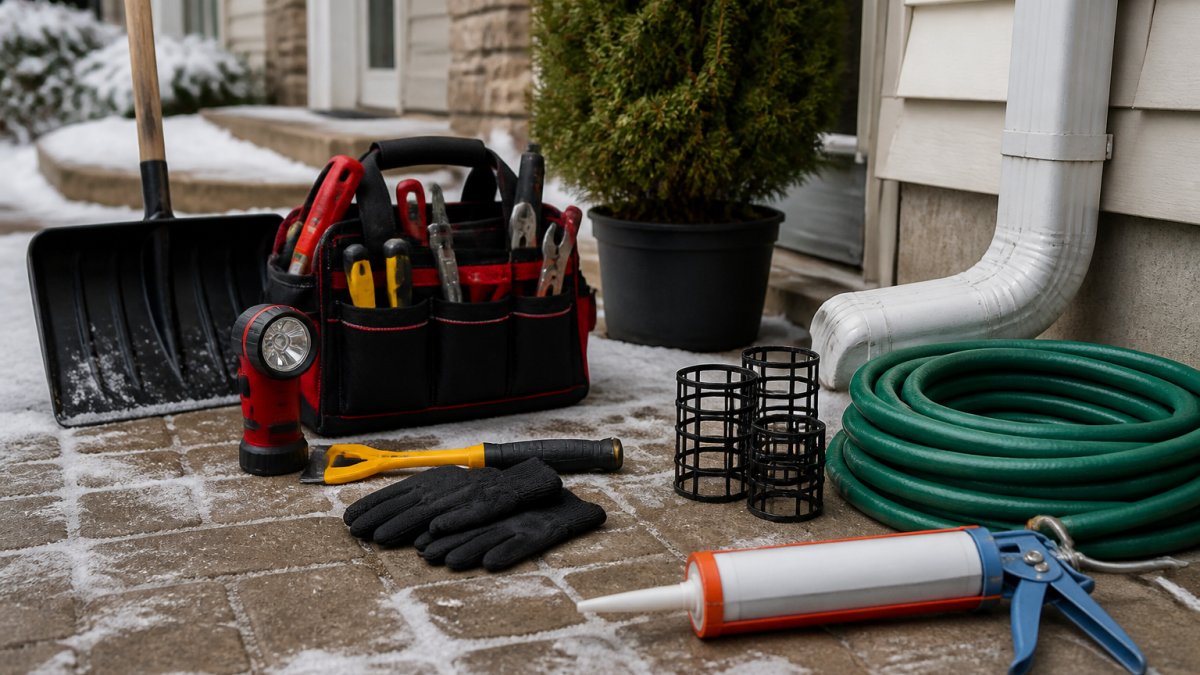
- Exterior paint and caulk, choose products labeled for cold climates and apply within the manufacturer's temperature window. Painting below the rated temperature is the most common cause of premature peeling.
- Decking and exterior trim, composite and treated lumber outperform untreated wood where moisture sits. Never bury exterior wood directly in soil; use a metal post base or a gravel footing.
- Insulation and air sealing, air sealing before adding attic insulation is what actually stops heat loss. Insulation over a leaky ceiling underperforms.
- Roofing and flashing, schedule replacements in late spring through early fall so sealants cure before the first freeze.
If you are planning envelope work, scheduling it before the first hard freeze can help avoid frozen-pipe problems.
Energy-Efficiency Upgrades and Incentives Worth Checking
Energy efficiency upgrades usually pay back through lower bills rather than resale value alone. Air sealing, added attic insulation, and LED lighting are the cheapest wins. LED smart bulbs can cut lighting energy use while improving ambiance.
Before you buy, check current federal and state incentive programs directly, since eligibility and amounts change. Your utility provider publishes its own rebate list, and that is the fastest place to confirm what applies to your home.
Planning Your Project Calendar Around the Seasons
Seasonal planning separates a smooth project from a miserable one. Exterior painting and roofing belong in late spring through early fall. Interior work fits winter perfectly, when contractors have more availability.
Fall is a practical deadline for envelope work, ideally completed before the first hard freeze.
Frequently Asked Questions
What are the most affordable home improvement projects?
The cheapest high-impact upgrades are paint, cabinet hardware, light fixtures, faucets, and landscaping. Quality interior paint and a faucet swap are both modest material purchases. These affordable home improvement projects cost little in materials but change how a room looks and feels immediately. Group several small fixes into one weekend and you get a visible refresh without a contractor invoice.
Which home improvements add the most value for the money?
Entry door replacement, garage door replacement, minor kitchen updates, and curb appeal work consistently return the most at resale. Cosmetic changes like refacing cabinets, new countertops, and fresh landscaping cost far less than full remodels and still move the needle on property value. Skip anything that requires moving walls or plumbing unless the layout is genuinely unusable, because reconfiguration eats the budget fast.
What home upgrades can I do myself to save money?
Painting, swapping cabinet hardware, installing smart bulbs, replacing a faucet, and laying mulch or edging are all reasonable DIY home improvement projects. Each needs basic tools and a free afternoon. Leave electrical work beyond fixture swaps, anything involving gas, and structural changes to licensed professionals. If a step requires opening a wall or pulling a permit, that is your signal to stop and call someone.
When should I hire a professional for a home improvement project?
Hire out when the work touches plumbing lines, electrical panels, load-bearing walls, or roofing, or when a permit is required. Hiring a handyman for home repairs also makes sense when you have a list of small jobs you keep postponing. A membership service handles the scheduling and vendor coordination so you are not chasing three contractors for three separate fixes.
How can I estimate the cost of a home improvement project?
Start with materials, then add labor at roughly the same amount for straightforward jobs, more for anything requiring a licensed trade. Get written quotes from at least two providers and confirm what the price includes: permits, disposal, and cleanup are common add-ons. Build in a 10 to 20 percent contingency for surprises behind walls. For a flat-rate option, ask for the full scope in writing before you commit.
The challenge is not finding projects. It is sequencing them so small fixes never become expensive emergencies. Lone Eagle Home Services handles that sequencing for you with proactive seasonal tune-ups, flat-rate pricing, and one trusted team coordinating every vendor. Get started with Lone Eagle Home Services and see plans that keep your home ahead of its repair list.