 ultimate-guide
Maintenance Plans for Second Homes: 2026 Guide
Table of Contents
- Why Second Homes Need a Different Maintenance Strategy
- Seasonal Home Maintenance Checklist for Beginners
- What a Second Home Maintenance Plan Actually Covers
- Home Maintenance Membership Cost: What to Expect
- Preventative Home Maintenance vs Home Warranty
- Smart Home Technology and Remote Monitoring for Vacant Periods
- Insurance, Tax, and Liability Considerations for Second Homes
- Conclusion
- Frequently Asked Questions
Last Updated: September 12, 2026
Why Second Homes Need a Different Maintenance Strategy
A vacant house deteriorates faster than an occupied one. Pipes sit idle, HVAC systems cycle less, and small leaks go unnoticed for weeks. Maintenance plans for second homes exist because the standard "call someone when it breaks" approach fails when nobody is there to notice the break.
This guide from Lone Eagle Home Services covers what a real plan includes, what it costs, how it differs from a home warranty, and the seasonal checklist that keeps a property sound between visits.
Here's the core tension most owners miss: a second home gets roughly half the eyes on it, but suffers the same wear. Water intrusion, pest activity, and freeze damage don't pause because you're away. They accelerate. According to FEMA guidance on unoccupied property risks, unattended water damage is one of the most costly and preventable sources of property loss.
That's the argument for a proactive strategy, not a reactive one.
Seasonal Home Maintenance Checklist for Beginners
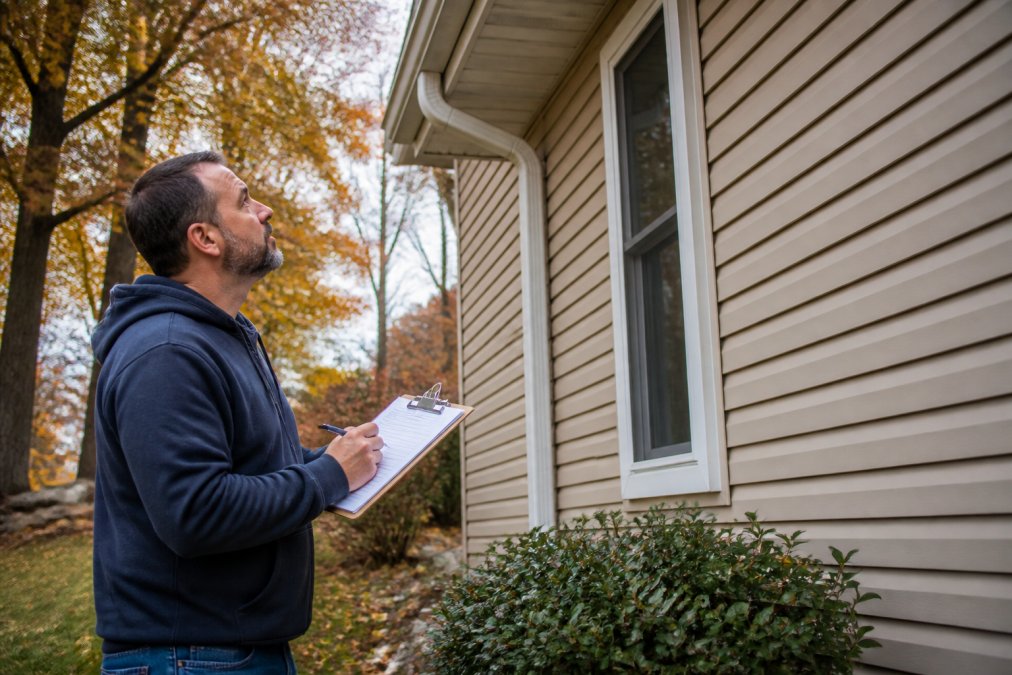
A seasonal home maintenance checklist for beginners should cover four systems every quarter: water, HVAC, exterior envelope, and safety devices. Work through each in order, and log what you find.
Spring and Summer Tasks
- Test smoke and carbon monoxide detectors
- Inspect the roof and clear gutters
- Check exterior drainage and grading
- Service the HVAC system before peak heat
- Look for pest entry points around the foundation
Fall and Winter Preparation
- Schedule winterization for plumbing and irrigation
- Seal gaps around doors and windows
- Have the heating system inspected
- Trim back overhanging branches
- Confirm the water shut-off valve works
The tasks are simple. The hard part is doing them when you're not there.
What a Second Home Maintenance Plan Actually Covers
A second home maintenance plan is a recurring service agreement that bundles routine inspections, seasonal tune-ups, and coordinated repairs under one provider. It replaces the juggling act of separate contractors with a single point of contact.
Most plans include:
- Scheduled routine inspections with photo documentation
- Seasonal tune-ups for HVAC, plumbing, and exterior systems
- Vendor coordination for specialized trades
- Emergency repairs with priority scheduling
- Maintenance logs you can hand to an insurer or buyer
What separates a good plan from a thin one is accountability. A membership with confirmed appointments, uniformed technicians, and digital service reports gives you a paper trail. That trail matters when you file a claim or sell the property.
Home Maintenance Membership Cost: What to Expect
Home maintenance membership cost for a second home is not a single number. It is a function of how often someone visits, what they do when they get there, and how fast you need a human on site when something fails. Understanding the pricing architecture matters more than chasing a quote, because the cheapest plan is rarely the cheapest outcome.
How Plans Are Typically Priced
Most providers price second-home maintenance plans one of three ways:
- Flat monthly or annual membership. A fixed fee covers a set number of scheduled visits plus member benefits like priority scheduling and vendor coordination. This is the easiest to budget because the number does not move when a technician spends an extra hour on site.
- Per-visit or per-inspection pricing. You pay each time a technician walks the property. This works for owners who visit frequently and only want a professional eye a few times a year, but it punishes you during heavy seasons when you need extra trips.
- Tiered bundles. Entry tiers cover inspections and photo reports. Mid tiers add seasonal tune-ups (HVAC filter changes, irrigation blowouts, gutter clearing). Top tiers add concierge vendor management, guaranteed emergency response windows, and sometimes a reserved repair labor allowance.
A flat-rate membership usually beats hourly billing for second homes specifically, because you are paying for presence and documentation, not for a technician's clock. When nobody is at the property, an hourly model creates an incentive to rush the visit.
What Actually Drives the Price
| Factor | Why It Changes the Price |
|---|---|
| Property size and systems | A 4,000 sq ft home with a pool, irrigation, and two HVAC zones takes longer to inspect and service than a 1,200 sq ft cabin |
| Visit frequency | Monthly visits cost meaningfully more than quarterly; semi-annual is the floor for most plans |
| Scope of work | Inspections only vs. inspections plus tune-ups, filter changes, and minor repairs |
| Emergency response | A guaranteed 24-hour response window is a premium feature; a 72-hour window is standard |
| Vendor coordination | Concierge management, scheduling, verifying licenses and insurance, supervising trades, is a distinct line item |
| Geographic access | Remote properties with limited local contractor supply cost more to service |
What a Reasonable Plan Should Include at Each Tier
- Entry tier: quarterly inspections, photo documentation, a written condition report, and a maintenance log you can hand to an insurer.
- Mid tier: everything above plus seasonal tune-ups, filter replacement, irrigation winterization, and gutter clearing.
- Top tier: everything above plus priority emergency dispatch, vendor coordination, and a single point of contact for all trades.
The Cost of Not Having a Plan
The comparison that matters is not plan A versus plan B. It is a plan versus the cost of a single unattended failure. A slow supply-line leak behind a washing machine can run for weeks before anyone notices. A failed sump pump during a spring thaw can flood a finished basement. A missed winterization can split copper supply lines and require repiping (redcross.org). Each of those events costs multiples of a year of membership, and each is exactly the kind of loss a documented maintenance schedule is designed to prevent.
Preventative Home Maintenance vs Home Warranty
Preventative home maintenance and a home warranty solve different problems. Maintenance prevents breakdowns; a warranty pays to fix them after they happen.
Maintenance plans focus on upkeep: inspections, tune-ups, and catching small issues early. Home warranties are service contracts that cover repair or replacement of specific systems when they fail, usually with a trade call fee per claim.
Neither replaces the other. A warranty won't clean your gutters or winterize your pipes. Maintenance won't pay for a new water heater. Owners who rely only on a warranty often discover exclusions and caps at the worst moment.
The smarter approach is both: maintenance to reduce failures, a warranty or reserve fund to cover the ones that still happen.
Smart Home Technology and Remote Monitoring for Vacant Periods
Smart home technology turns a vacant home into a monitored one. Leak sensors, smart thermostats, and connected security systems send alerts to your phone the moment something goes wrong.
The most useful devices for a second home:
- Water leak detectors near the water heater, washer, and under sinks
- A smart thermostat that maintains a minimum temperature to prevent freezing
- Security cameras and door sensors for remote monitoring
- A whole-home water shut-off valve that closes automatically on a detected leak
Remote monitoring doesn't replace a physical inspection. Sensors catch what they're placed near; they miss what nobody installed a sensor for. A camera can't tell you the gutter is pulling away from the fascia. The strongest setup pairs technology with a real person walking the property on a schedule.
Insurance, Tax, and Liability Considerations for Second Homes
This is the section most maintenance guides skip, and it is where a documented plan pays for itself twice: once in avoided damage, and again in how insurers, the IRS, and courts treat you when something goes wrong.
How Vacancy Changes Your Insurance Coverage
Standard homeowners policies are written for occupied homes. When a dwelling sits unoccupied beyond a defined threshold, commonly 30 or 60 consecutive days, depending on the carrier and policy form, coverage for certain perils narrows or suspends (iii.org). The perils most often restricted during extended vacancy include:
- Vandalism and malicious mischief
- Water damage from plumbing failures
- Freeze damage to pipes and fixtures
- Theft
Some carriers require a vacancy endorsement or a separate dwelling policy for a second home that sits empty for long stretches. The practical takeaway: read the vacancy clause in your policy before you leave for the season, not after a loss. If the clause requires periodic inspection or evidence of upkeep, a maintenance plan with dated photo reports is the cleanest way to satisfy it.
Why Documentation Prevents Claim Denials
A common pattern in denied or reduced claims on second homes is the insurer arguing that the owner failed to exercise reasonable care, that a leak was left to run, that a freeze was foreseeable, that the property was effectively abandoned. A maintenance log with dates, technician notes, and photos is direct evidence to the contrary. It shows a continuous course of upkeep, not neglect.
This is the angle almost no competitor covers: the maintenance plan is not just a service, it is an underwriting artifact. When you file a claim, you are not just describing what happened, you are defending your own diligence. Owners who can produce a documented schedule resolve claims faster and with fewer disputes than owners who cannot.
Tax Treatment Depends on Use
Deductibility of maintenance costs on a second home turns on how the property is used, not on how much you spend on it.
- Personal use only. A second home used exclusively for personal purposes is generally treated like a primary residence for tax purposes. Mortgage interest and property taxes may be deductible within the limits that apply to a primary residence, but routine maintenance, repairs, and membership fees are typically not deductible.
- Rental use. If you rent the home, expenses allocable to the rental period, including a proportional share of maintenance, repairs, and management fees, may be deductible against rental income. The allocation between personal and rental days matters, and it must be documented.
- Mixed use. A home rented part of the year and used personally part of the year requires an allocation. The IRS rules on this are specific, and the personal-use threshold can change how losses are treated.
Because the rules hinge on your facts, days rented, days used personally, and how you report the property, confirm your situation with a qualified tax professional. Keep receipts and a maintenance log regardless of use type; they are the records that support any position you take.
Liability and Who Carries the Risk
If a contractor is injured on your property, or a repair fails and causes damage, liability can land on you as the owner. The single most important protection is verifying that any provider you hire carries current general liability insurance and workers' compensation coverage, and that you have a certificate of insurance on file. A licensed and insured service provider carries its own coverage, which shields you. An uninsured handyman working for cash leaves you exposed to medical bills, lost-wage claims, and property damage with no backstop.
A maintenance membership shifts part of this burden by putting a single insured provider in charge of coordinating trades. That provider is responsible for verifying its own subcontractors, which removes a task most remote owners cannot supervise in person.
Conclusion
Owning a second home shouldn't mean spending every visit managing contractors and chasing problems. The owners who protect their investment are the ones who stop reacting and start preventing.
Lone Eagle Home Services was built for exactly this. Our membership model gives you one trusted team for seasonal tune-ups, on-demand repairs, and vendor coordination, backed by flat-rate pricing, confirmed appointments, and digital service reports after every visit.
See Plans and put your property on a proactive maintenance schedule today.
Frequently Asked Questions
What is included in a typical second home maintenance plan?
Most plans cover routine inspections, seasonal tune-ups for HVAC and plumbing, gutter cleaning, and minor repairs. Premium plans add vendor coordination, remote monitoring setup, and emergency response. For second homes, look for plans that include vacancy checks, water shut-off verification, and digital service reports after every visit so you can track condition from a distance.
Is a home maintenance membership worth the cost for a vacation property?
It depends on how often you visit and how much you want to manage remotely. A membership makes sense if you are absent for months at a time and want preventative care rather than reactive repairs. The flat-rate pricing and priority scheduling reduce the risk of small issues becoming expensive problems while you are away. If you are local and handy, a membership may be less necessary.
How do maintenance plans differ from home warranties?
Home warranties typically cover repair or replacement of specific systems and appliances after they break, often with deductibles and claim limits. Maintenance plans focus on preventing breakdowns through scheduled inspections, tune-ups, and minor fixes. A warranty is reactive; a maintenance plan is proactive. Many second home owners use both, but the maintenance plan addresses the wear and tear that warranties exclude.
How can I manage property repairs from a distance?
Set up remote monitoring for water leaks, temperature, and security. Hire a maintenance membership that provides digital service reports and a single point of contact for vendor coordination. Schedule seasonal checklists and confirm completion with photos. This approach lets you catch issues early and avoid emergency calls when you are not on site.
U.S. Department of Energy home maintenance guidance