 how-to
How to Manage Home Repairs From Long Distance
Last Updated: October 27, 2026
Quick Summary
Managing home repairs from long distance works best as a written system: a calendar-based maintenance checklist, a vetted contractor with a paper trail, and a written approval chain covering pre-work photos, change orders, and spending caps. Release final payment only after after-photos, a service report, and receipts arrive.
- Homeowners planned to spend about $7,117 on average on improvement work in 2026.
- A Housecall Pro survey found 79% expected to repair or replace at least one home system in 2026.
- Repair costs led 60% of homeowners to defer maintenance, per a Consumer Reports study.
- Require dated pre-work photos and written approval before any contractor starts.
- Route leak sensor and camera alerts to a person, not an inbox.
Table of Contents
- Why Remote Home Repairs Need a System, Not Willpower
- Build Your Remote Home Maintenance Checklist
- How to Find a Reliable Contractor Remotely
- Your Home Repair Approval Checklist Before Work Begins
- Remote Property Maintenance Tools That Actually Help
- Budgeting and Payment Safeguards for Work You Can't See
- When to Bring In a Membership Service for Home Repairs
- See How Lone Eagle Handles Your Home While You're Away
- Frequently Asked Questions
Why Remote Home Repairs Need a System, Not Willpower
Homeowners planning improvement work in 2026 expected to spend about $7,117 on average, according to Home Improvement Research Institute's 2026 project trends. That number is a warning. Managing home repairs from long distance is not a memory test. It is a system, and systems beat good intentions every time.
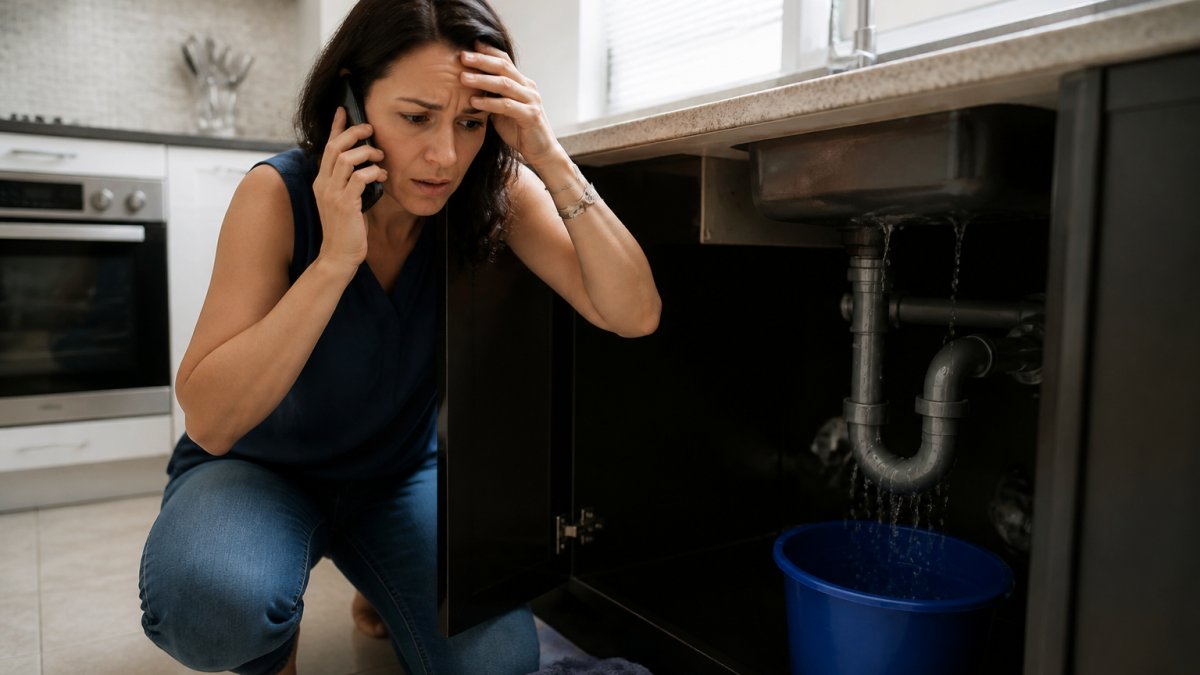
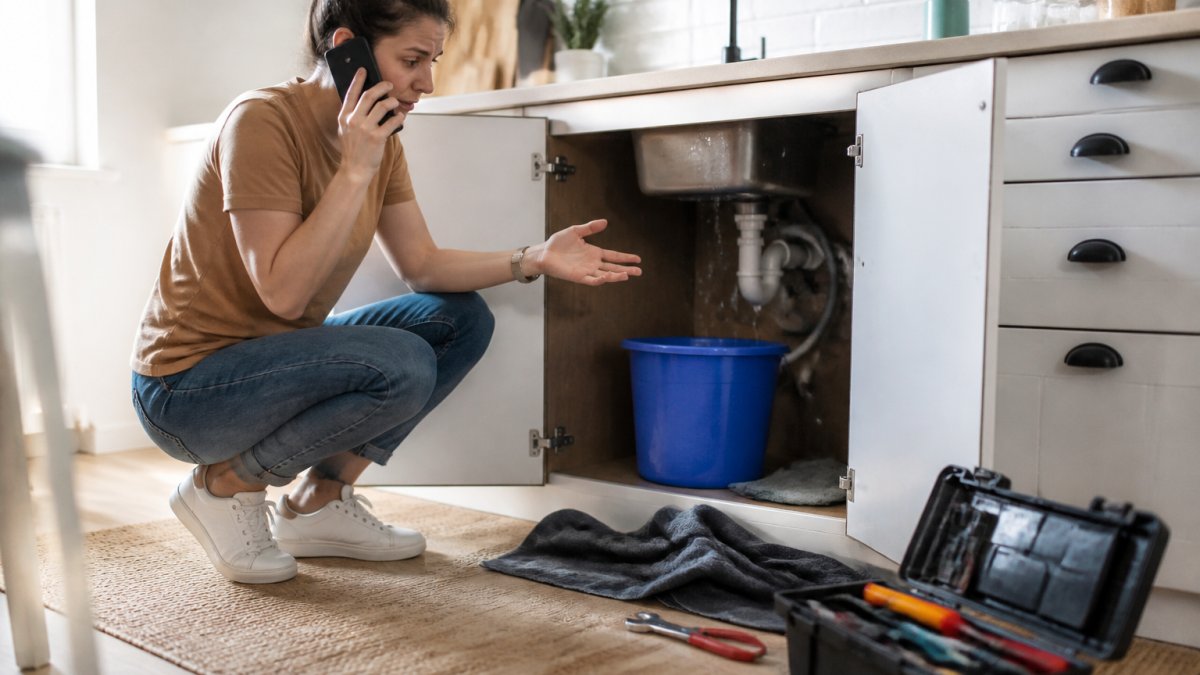
Distance makes that worse. You cannot see the drip under the sink or the soft spot by the chimney.
Below, we'll show you how to run remote home repairs like a process: checklists, vetting scripts, approval steps, and payment safeguards.
Build Your Remote Home Maintenance Checklist
A remote home maintenance checklist is a written, repeatable list of inspections and tasks tied to a calendar, so no one has to remember what to check.
For a remote and seasonal approach, see our preventative home maintenance for seasonal homeowners guide.
Monthly and Seasonal Checks That Catch Small Problems Early
Set your monthly checks around water and power first:
- Photograph under every sink and around the water heater
- Look for new stains on ceilings and baseboards
- Test smoke and carbon monoxide detectors
- Run water in unused bathrooms to keep traps filled
Seasonal checks follow the weather. Clean gutters before fall rain. Check the roof after winter. Swap HVAC filters on a schedule, not when someone remembers.
The Systems That Fail First: Plumbing, Roof, Gutters, HVAC
Plumbing, roofing, gutters, and HVAC fail first because they take constant stress and get the least attention. A Housecall Pro survey reported by Contracting Business found 79% of homeowners expected to repair or replace at least one home system in 2026, with plumbing at 28% and appliances at 25%.
Cost is the reason people wait. A Consumer Reports study summarized by KJRH's report on deferred maintenance found repair costs led 60% of homeowners to defer maintenance, and delay tends to make problems worse. That is the trap. Deferring saves nothing if the second repair is bigger than the first.
How to Find a Reliable Contractor Remotely
Finding a reliable contractor remotely means replacing a handshake with a paper trail: references you actually call and a written work scope. You are not judging personality. You are judging evidence.

From a distance, the work is verification, and it runs in five steps.
Vetting Questions That Separate Pros From Pretenders
Our handyman vetting guide covers what to ask and which red flags to walk away from.
Your Home Repair Approval Checklist Before Work Begins
That checklist is the floor. The part most remote owners miss is the approval process that runs after the paperwork is signed.
How to Approve Work You Cannot See
Set up a written approval chain before the first visit, and put it in the contract:
- Pre-work photos. The contractor sends dated photos of the area before touching anything. You reply in writing with approval or questions. No reply, no start.
- Change-order rule. Any cost or scope change requires a written change order with a price and a new completion date, sent by email or through the service portal. Verbal "while we're in there" upgrades are not authorized.
- Spending caps. Give the contractor a written auto-approval limit for small fixes and a separate emergency ceiling. Anything above the auto-approval limit needs a second quote or your explicit written sign-off.
- Completion package. Final payment releases only after you receive after-photos, a written service report, and receipts for materials. Compare the after-photos to the pre-work photos and to the video walkthrough baseline.
- Punch list. Note anything incomplete in writing within a set number of days, and hold the final payment until it is resolved.
Emergency Repairs: Decide Before the Phone Rings
Our guide to what to include in a home maintenance service contract walks through scope, billing, emergency response, and liability language.
Remote Property Maintenance Tools That Actually Help
Remote property maintenance tools are the hardware and software that let you see, approve, and track work without being on site. The useful ones are boring: cameras, leak sensors, smart thermostats, and a shared photo folder.
What most guides miss is that the tool matters less than the record. A $30 leak sensor is only valuable if someone acts on the alert.
Build a simple stack:
- Water leak sensors under sinks, near the water heater, behind the washer
- A smart thermostat so you can see HVAC behavior and catch short cycling
- Exterior cameras pointed at the driveway and any work area
- A shared cloud folder for every service report and photo set
Skip anything that sends alerts to nobody. Route notifications to a person, not an inbox.
Budgeting and Payment Safeguards for Work You Can't See
Our guide on how to avoid contractor price gouging covers negotiation tactics and the warning signs of an inflated repair estimate.
When to Bring In a Membership Service for Home Repairs
A membership service can help when the coordination itself has become the burden: multiple contractors, no single point of contact, and a calendar you cannot manage from a distance.
Here is how the options compare:
| Approach | Best For | Main Trade-off |
|---|---|---|
| DIY coordination | Local owners with spare time | You are the project manager |
| Single handyman | One-off small repairs | Limited scope, no backup |
| General contractor | Large renovations | Overkill for tune-ups |
| Membership service | Remote and seasonal owners | Ongoing fee |
Our maintenance plans for second homes guide explains what to check before signing.
See How Lone Eagle Handles Your Home While You're Away
The challenge is keeping a whole property cared for when your schedule is already full.
Lone Eagle Home Services provides one trusted team for maintenance and vendor coordination, proactive seasonal tune-ups, and flat-rate pricing with confirmed appointments. You get a digital service report after every visit.
See Plans with Lone Eagle Home Services.
Frequently Asked Questions
How do you manage home repairs when you live far away?
Start with a written maintenance schedule and a single point of contact. Set up remote monitoring where it makes sense, such as a leak sensor near the water heater and a smart thermostat you can check from your phone. Before any job, get a written scope and photo documentation.
How can I find a reliable contractor to repair a home remotely?
Ask for proof of license and insurance before anything else, then request two recent references you can call. Confirm the contractor will send photos before, during and after the work. Use video walkthroughs instead of relying on descriptions. Vet early rather than during an emergency. Put the scope, payment schedule and completion timeline in writing.
What should I ask a contractor before approving a repair?
Ask what caused the problem, not just what fixes it, so you avoid paying twice for the same failure. Request a line-item estimate separating labor and materials, the expected timeline, and who pulls any required permits. Confirm whether the price is flat-rate or hourly and what happens if the scope changes mid-job. Ask for the warranty terms in writing and who honors them.
How do I monitor home repairs when I can't be there in person?
Require dated photos at three stages: before work starts, at rough-in or mid-point, and at completion. Ask for a short video walkthrough of the finished area, plus copies of receipts and any warranty paperwork. Keep every report in one folder so you can compare conditions over time. If a contractor resists documentation, that is your answer about how the job will go.