 how-to
How to Handle Home Repair Emergencies Without Panic
Last Updated: October 27, 2026
Quick Summary
To handle home repair emergencies without panic, sort the problem by danger before touching anything: if anyone is in immediate danger, evacuate and call 911 from outside. If damage is actively getting worse, stop the source safely and call a licensed pro. If damage is stable, document it and schedule a visit within the week.
- Answer three questions in order, and let the first yes set your response.
- If you cannot answer the danger question confidently, treat it as immediate danger.
- Never stand in standing water to flip a breaker.
- Take photos before you touch anything, then book non-urgent repairs within the week.
- Keep an emergency bin with flashlights, a water shut-off tool, and a fire extinguisher.
Table of Contents
- Triage First: Sorting Home Repair Emergencies by Danger Level
- Burst Pipe Emergency Steps: Shut Off, Drain, and Contain
- Water Leak Emergency Response for Ceilings, Appliances, and Floors
- Electrical Emergency Safety: Breakers, Outlets, and Downed Lines
- Gas Leaks, Storm Damage, and Structural Warning Signs
- Your Home Emergency Preparedness Checklist
- Documenting Damage for Insurance and Hiring the Right Pro
- Build a Maintenance Plan That Prevents the Next Emergency
- Frequently Asked Questions
Triage First: Sorting Home Repair Emergencies by Danger Level
Most people freeze when something breaks. The panic is understandable, but it makes everything worse. Knowing how to handle home repair emergencies starts with one skill: sorting the problem by danger before you touch anything.
You need to know what's truly urgent before you spend a dollar.
The Three-Question Decision Tree
Before you call anyone or grab a tool, answer these three questions in order. The first "yes" sets your response.
- Is anyone in immediate danger? Fire, smoke, gas smell, downed power line, water rising near outlets, or a sagging ceiling. If yes: evacuate, then call 911 from outside. Do not hunt for a shut-off valve.
- Is damage actively getting worse right now? Active leak, burst pipe, water pouring through a ceiling, no heat in freezing weather, sewage backup. If yes: stop the source if you can do so safely, then call a licensed pro. This is an urgent repair.
- Is the damage stable but unresolved? Slow drip, cracked tile, worn caulk, a single tripped breaker that resets cleanly. If yes: document it, schedule a visit within the week, and move on. This is non-urgent damage.
If you cannot answer question 1 confidently, treat the situation as immediate danger. The cost of an unnecessary evacuation is zero. The cost of a wrong call can be a life.
| Danger Level | Examples | Your First Move | What NOT to Do |
|---|---|---|---|
| Immediate danger | Gas smell, fire, downed power line, flooding near outlets, sagging ceiling | Get out, call 911 from outside | Don't flip switches, don't use your phone indoors near a gas leak, don't re-enter |
| Urgent repair | Burst pipe, active roof leak, broken furnace in winter, sewage backup | Stop the source if safe, then call a pro | Don't stand in water to reach a breaker, don't tape over an active leak and wait |
| Non-urgent damage | Slow drip, cracked tile, worn caulk, one clean breaker reset | Document and schedule within the week | Don't ignore it for a month, don't attempt a permanent fix before photos |
Immediate Danger: Evacuate and Call 911
Get everyone out first, including pets. Call 911 from outside the home or from a neighbor's phone. Do not hunt for the shut-off valve if you smell gas or see smoke. Personal safety beats property every time.
Urgent Repair: Stop the Damage, Then Call a Pro
Shut off water or power to the affected area only if you can reach the valve or breaker while standing on dry ground. Contain what you can with buckets, towels, and a wet/dry vacuum. Then call a licensed professional. Our guide on when to call a professional for home repairs walks through the decision line by line.
Non-Urgent Damage: Document and Schedule
Take photos before you touch anything. Write down what you see and when you first noticed it. Book a repair visit within the week. These problems won't flood your basement tonight, but they will cost more if you ignore them for a month.
Household-Specific Planning Most Guides Skip
Triage looks different depending on who lives in the home. Build your plan around the people and animals who actually need to get out.
- Renters: Your lease usually requires you to notify the landlord in writing for non-emergency repairs, but you should still call 911 and the utility directly for gas, fire, or electrical hazards. Keep a copy of your lease and your landlord's after-hours number in your emergency bin.
- Older adults and people with disabilities: Identify two exits from each room and keep a mobility aid, glasses, and medications near the bed. Register with your local fire department if you need assistance evacuating; many departments keep a voluntary special-needs list.
- Children: Teach them the sound of the smoke alarm and the meeting spot outside. Practice the shut-off valve walk-through once a year so they know where it is even if they never touch it.
- Pets: Keep a leash, carrier, and a week of food and medication near the emergency bin. Many Red Cross shelters accept pets, but confirm before you arrive.
Burst Pipe Emergency Steps: Shut Off, Drain, and Contain
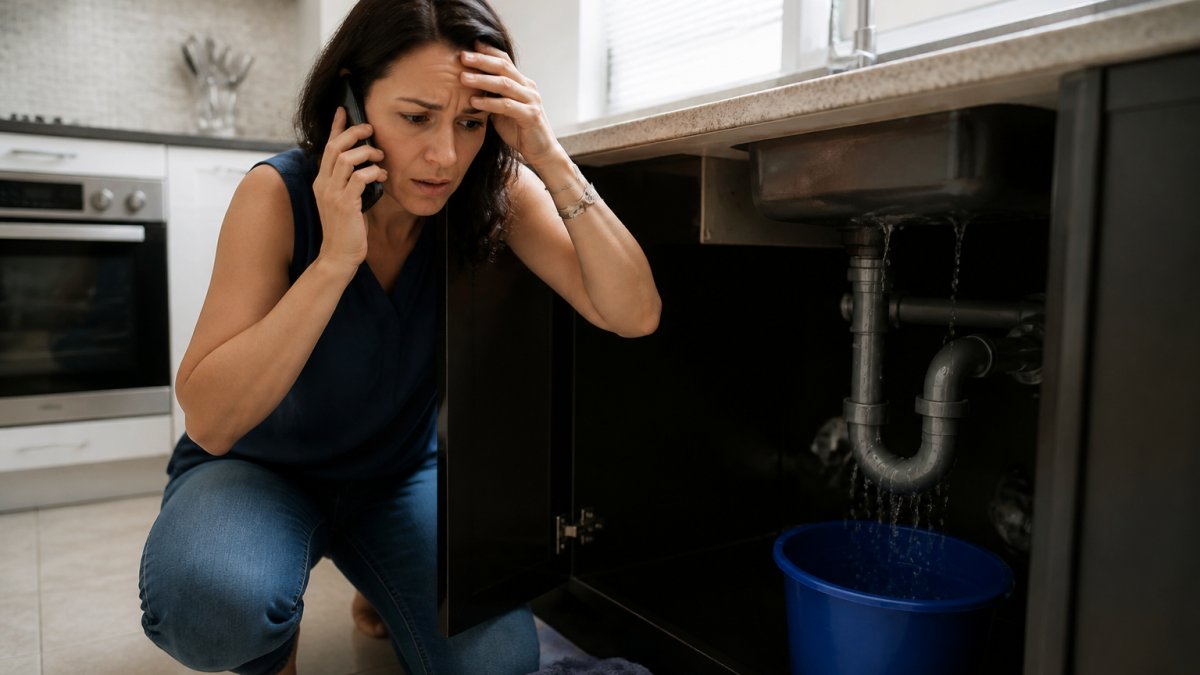
- Shut off the main valve. Turn it clockwise until it stops. It's usually near the water meter or where the line enters the house.
- Open a low faucet. This drains leftover water and relieves pressure.
- Kill the power to any wet area at the breaker panel, but only if you can reach it while standing on dry ground.
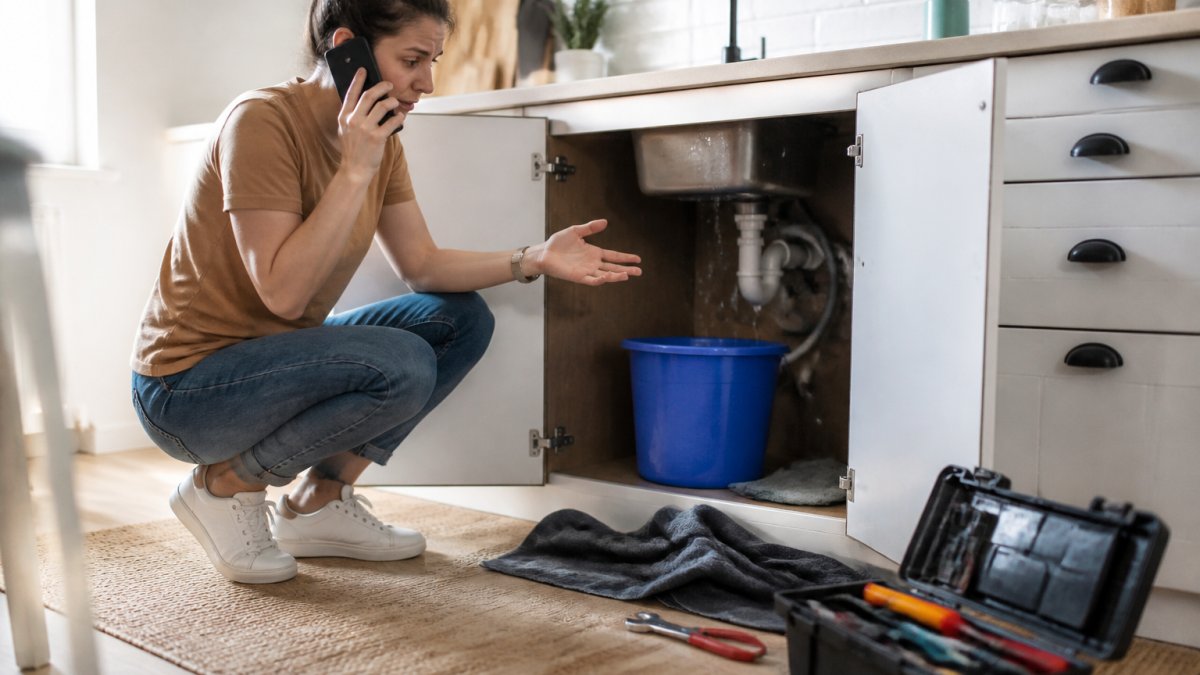
- Contain the water with buckets, towels, and a wet/dry vacuum.
- Call a plumber and describe the pipe location and size.
Watch out: never stand in standing water to flip a breaker. Water and live current kill people every year.
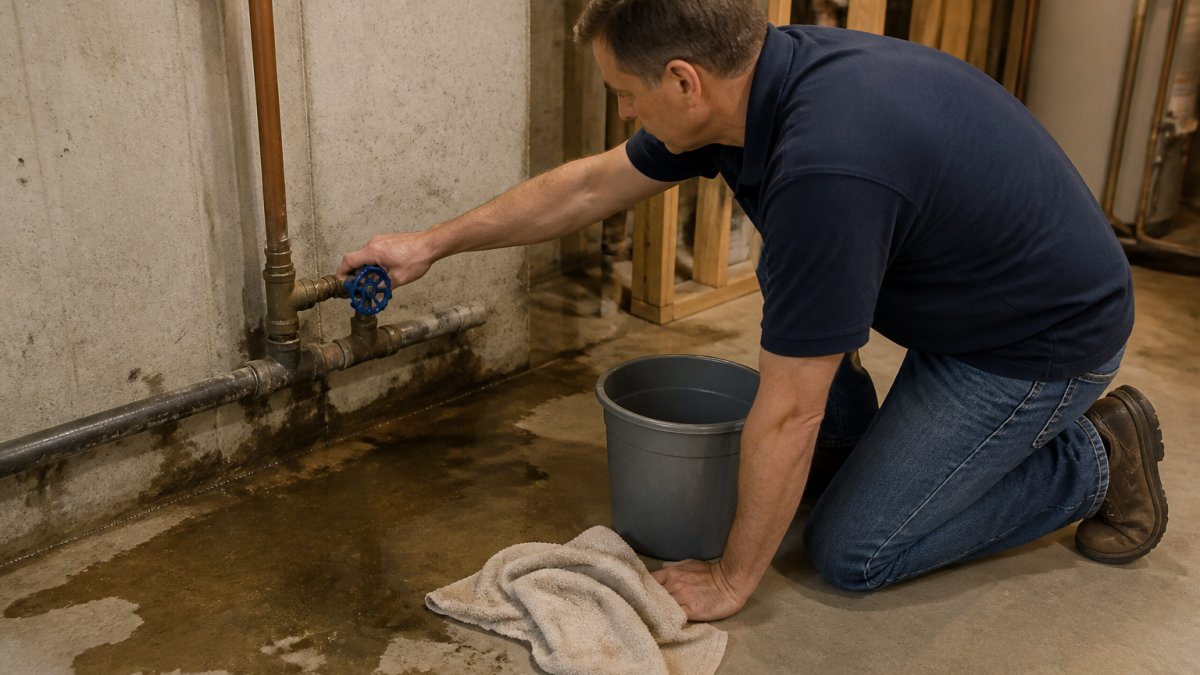
Once the water is stopped, you'll want a home maintenance team that handles the repair rather than chasing plumbers at midnight.
Water Leak Emergency Response for Ceilings, Appliances, and Floors
Water leak emergency response depends on where the water is coming from.
Turn off the supply valve behind the appliance or at the main.
Hidden leaks are the sneaky ones. Our guide on how to detect hidden water leaks in walls covers meter tests and moisture readings before the damage spreads.
Electrical Emergency Safety: Breakers, Outlets, and Downed Lines
Electrical emergency safety comes down to one rule: treat every wire as live. A downed power line can carry current through wet ground.
For a tripped breaker, unplug everything on that circuit before you reset it. If it trips again, stop. That's a fault, not a fluke.
Never use water on an electrical fire. Use a CO2 extinguisher or get out.
Gas Leaks, Storm Damage, and Structural Warning Signs
Leave the house. Don't flip switches, don't use your phone indoors, and don't try to shut the gas valve yourself unless you already know how. Call 911 and your gas utility from outside.
Storm damage brings its own risks. Look up before you walk outside after a storm. Evacuate and call a licensed structural engineer.
Your Home Emergency Preparedness Checklist
A home emergency preparedness checklist takes an afternoon to build and saves hours of chaos later. Keep these items together in one bin:
- Flashlights and spare batteries
- Water shut-off tool
- Fire extinguisher rated for electrical and grease fires
- First aid kit
- Copies of insurance policy and contact numbers
- List of licensed pros: plumber, electrician, roofer, HVAC
Store the bin where everyone can reach it. Walk your household through the shut-off valves once a year.
Documenting Damage for Insurance and Hiring the Right Pro
Photos and videos can document damage for an insurance claim (How to file a homeowners claim). Photograph the source of the damage too, the burst pipe, the cracked flashing, the scorched outlet, not just the wet drywall.
The Claim Workflow, Step by Step
- Document before you clean. Take photos and video before you move anything, throw anything away, or start a permanent repair.
- Mitigate, don't repair. Stop the water, tarp the roof, board the window.
- Keep every receipt. Save receipts for emergency repairs, temporary fixes, hotel stays, and meals if you are displaced.
- Notify your insurer promptly. Call the claims line, get a claim number, and ask whether an adjuster will visit or whether you should submit photos through an app.
- Get a written scope from your contractor. Ask for a line-item estimate that separates labor, materials, and permits.
- Do not sign a final release until you are satisfied. You can supplement a claim if hidden damage is found after work begins.
Hiring the Right Pro
Get a written estimate before work starts.
After-hours service and emergency rates vary widely. Ask about the call-out fee, the hourly rate after business hours, and whether the fee is credited toward the repair. A common pattern is a higher after-hours call-out fee plus a higher hourly rate, so confirm both before you agree.
Repair or Replace?
Ask your contractor for both numbers in writing.
| System | Typical Service Life | Repair-or-Replace Trigger |
|---|---|---|
| Water heater | 8-12 years | Tank leak or repair over half of new unit cost |
| Furnace | 15-20 years | Heat exchanger crack or repair over half of new unit cost |
| Roof | 20-30 years (asphalt shingle) | Widespread granule loss or repair over half of replacement cost |
| Refrigerator | 10-15 years | Sealed system failure on an older unit |
Our article on whether homeowners insurance covers preventative maintenance explains what gets paid and what doesn't.
Build a Maintenance Plan That Prevents the Next Emergency
Prevention is the cheapest emergency response there is.
A preventative home maintenance checklist turns that list from a worry into a schedule. Lone Eagle Home Services builds that schedule for members: seasonal tune-ups, flat-rate pricing, uniformed technicians, and digital service reports after every visit. One call, one accountable team, no juggling contractors.
Frequently Asked Questions
What should I do first during a home repair emergency?
Protect people before property. Move everyone away from the hazard, then decide whether the situation is immediate danger, urgent repair, or non-urgent damage. For gas smells, fire, or downed power lines, evacuate and call 911 from outside. For active water or electrical problems, shut off the water or breaker only if you can reach it safely. Once the hazard is contained, document the damage with photos and call a licensed professional.
When should I shut off the water during a plumbing emergency?
Shut off the main water valve the moment you see active water escaping a pipe, appliance, or fixture and cannot stop it at the source. Water damage can spread. Turn the valve clockwise until it stops, open a low faucet to drain pressure, then call a plumber. If the valve is stuck or you cannot find it, call a pro immediately.
What should I do if I smell gas in my home?
Leave immediately. Do not flip switches, use your phone inside, or light anything. Get everyone out, then call 911 or your gas utility from a safe distance. Do not re-enter until a utility technician or licensed professional confirms it is safe. A gas leak is never a DIY repair, and no amount of ventilation makes it safe to stay inside while you investigate.
How do I handle a burst pipe until a plumber arrives?
Shut off the main water valve, open the nearest cold faucet to drain remaining pressure, and contain water with towels or buckets. Move furniture and electronics away from the flow. Do not use electrical outlets or appliances in wet areas. Take photos before cleanup for your insurance claim, then call a licensed plumber and describe the pipe location and size so they arrive with the right parts.
The next emergency is a matter of when, not if. Lone Eagle Home Services gives you a single trusted team for seasonal tune-ups, on-demand repairs, and vendor coordination, with flat-rate pricing and confirmed appointments. Get started with Lone Eagle Home Services and stop reacting to your home.