 how-to
Proactive Home Care Savings: What Morris County Homeowners Gain
Quick Summary
Proactive home care lowers long-term costs by catching small problems before they become expensive emergencies. Reactive repairs carry emergency rates, cause secondary damage such as rot and mold, and can shorten equipment life. Planned maintenance spreads costs out and keeps repairs inexpensive.
- Reactive repairs often carry emergency rates for same-day or after-hours work.
- A small leak can rot subfloors, stain drywall, and invite mold before anyone notices.
- Neglected systems can fail earlier than their expected service life.
- Healthcare homecare studies linked long-term care to 14% lower total medical costs, not home savings.
- Proactive care does not save money in every case, so the return comes from avoiding major failures.
Table of Contents
Why Reactive Repairs Cost More Than Planned Maintenance
Most homeowners only call someone when something breaks. A leaking water heater, a failed furnace in January, or a clogged drain that floods the basement can turn a manageable task into a costly emergency. This pattern is a common reason proactive home care matters.
Reactive repairs cost more for a few clear reasons:
- Emergency rates: Same-day or after-hours work often carries a premium.
- Secondary damage: A small leak can rot subfloors, stain drywall, and invite mold before anyone notices.
- Shorter equipment life: A neglected system can fail earlier than its expected service life.
- Rushed decisions: Under pressure, people may replace equipment they could have repaired.
Planned maintenance spreads the cost out and catches small problems while they are still inexpensive to fix. A home maintenance team for Morris County homes can handle drywall and paint repairs before small damage grows. That is the practical case for proactive home care.
How Proactive Home Care Adds Up: What the Evidence Shows
Proactive care is a well-established idea in healthcare, and some of that research is useful for thinking about homes. A systematic review comparing homecare with hospital care identified 14 studies. Homecare was cost-saving in seven of them, cost-effective in two, and more effective in one.
Those are healthcare findings, not home maintenance data. No study in the available research measures long-term savings from routine home upkeep. The principle is similar, though: earlier, steady attention tends to prevent expensive crises.
What the Healthcare Homecare Studies Tell Us
The healthcare evidence points in one direction. A 2014 analysis linked long-term home care benefits to 14% lower total medical costs and 35% fewer inpatient admissions, as reported by Ultimate Care NY. Applied to a house, the lesson is simple: consistent care reduces the number of emergencies.
Why the Savings Are Not Guaranteed
Proactive care does not save money in every case. The same review found the evidence mixed rather than universal, so a homeowner should not expect savings on every visit. A tune-up can find nothing wrong, and some systems fail regardless of maintenance. The real return comes from avoiding the expensive failures that a planned program catches early.
Building a Home Maintenance Checklist for Each Season
A seasonal checklist keeps small jobs from piling up. Work through these items at least twice a year:
- Test smoke and carbon monoxide detectors
- Inspect the water heater and look for leaks or rust
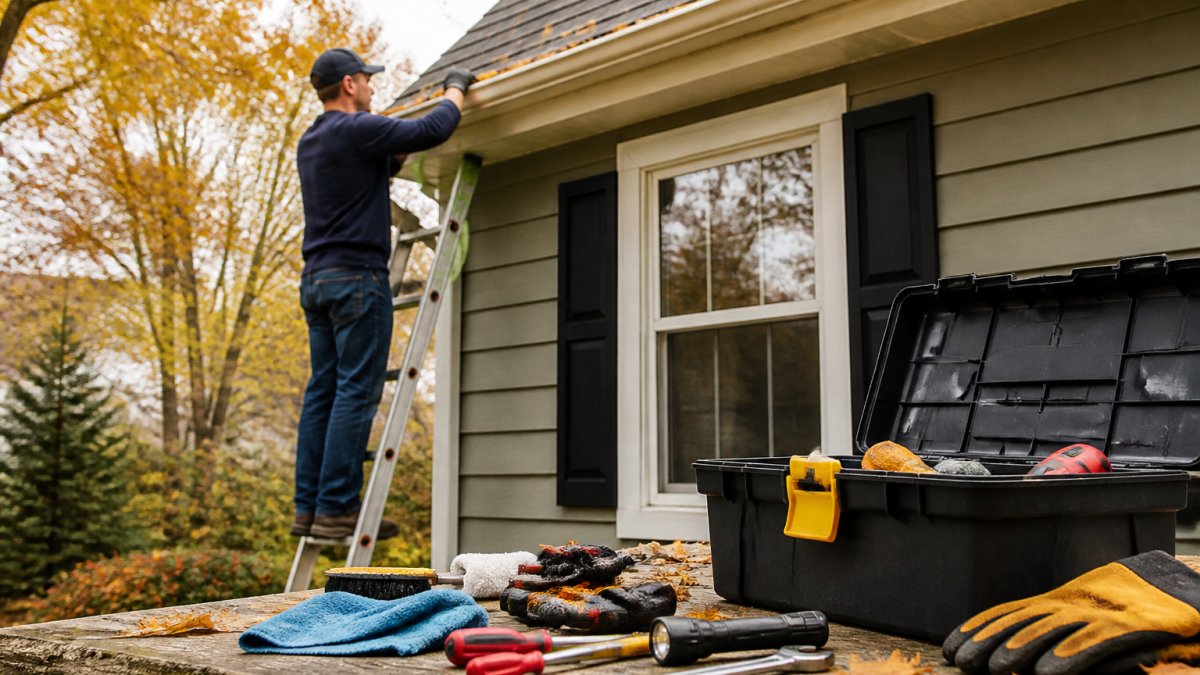
- Clean gutters and check downspout drainage
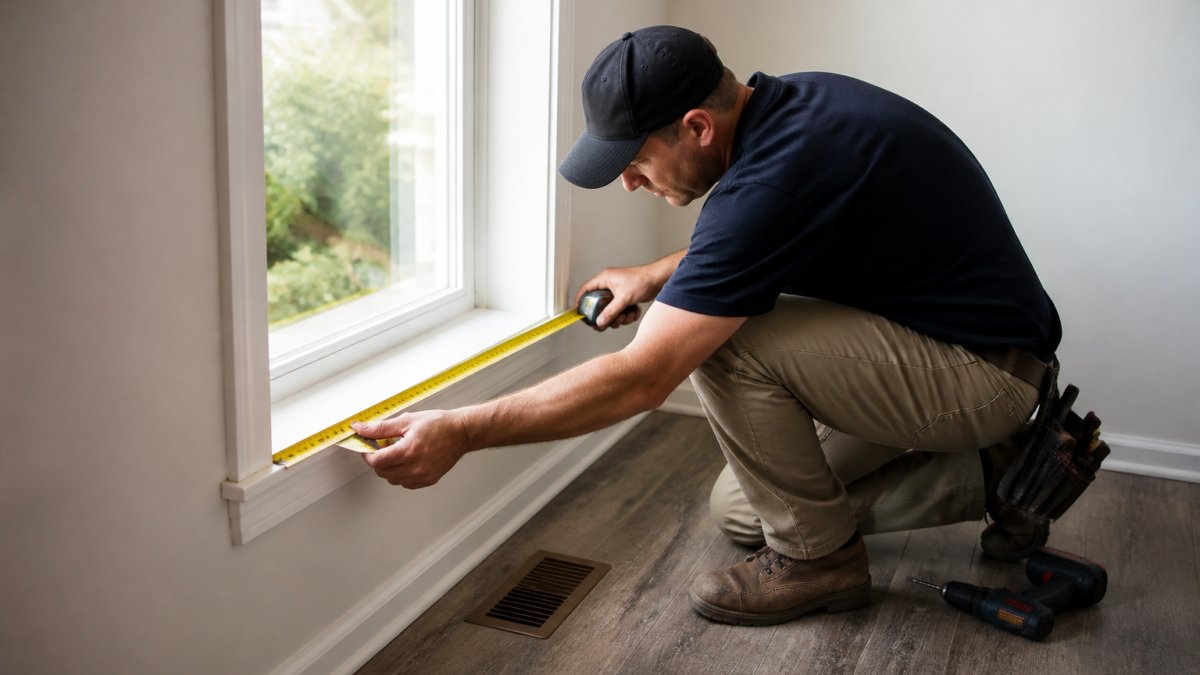
- Look for caulk gaps around tubs, sinks, and windows
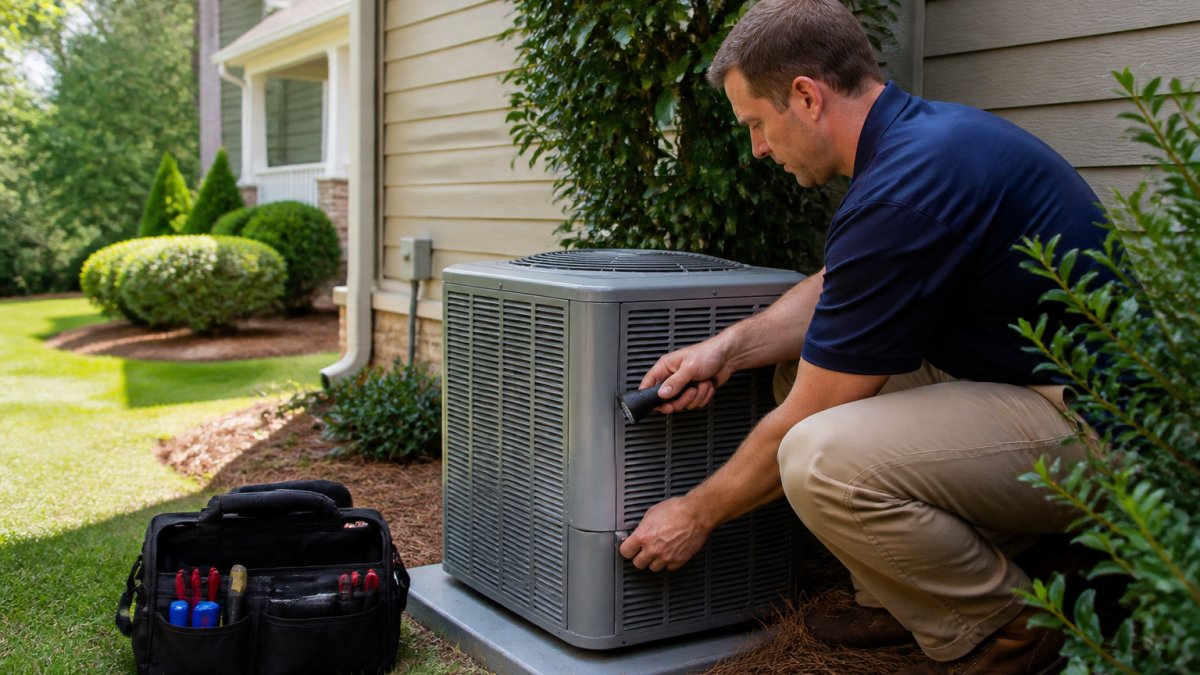
- Change HVAC filters and schedule a system check
- Inspect the roof, flashing, and attic for moisture
A professional seasonal tune-up covers these items and records what was found. Our anchor: seasonal tune-up guide explains what a visit includes and how it works.
Setting an Annual Home Maintenance Budget
Budgeting makes maintenance easier to commit to. Set aside a fixed amount each month instead of waiting for a large unexpected bill. Our annual home maintenance cost guide covers realistic NJ figures from HVAC tune-ups to roof care.
A homeowner reviewing a printed household budget and a seasonal maintenance calendar beside a coffee cup in a bright kitchen gives a clear picture of what planning looks like.
How to Prevent Costly Home Repairs Before They Start
Small habits prevent most expensive problems:
- Fix minor leaks the day you notice them
- Keep water away from the foundation with clean gutters and grading
- Replace worn caulk and weatherstripping before they fail
- Run exhaust fans in bathrooms and kitchens to limit moisture
- Schedule system checks before peak heating and cooling seasons
The Psychological Payoff of Proactive Care
Proactive care also reduces stress. Knowing your home is checked on a schedule means fewer surprises and less time spent finding contractors in a hurry.
Booking Your First Proactive Tune-Up With Lone Eagle Home Services
Start with a seasonal tune-up so your home gets a baseline check. Lone Eagle Home Services offers membership-based maintenance for Morris County homeowners. Before you commit, anchor: compare membership value to see whether a plan fits how you use your home.
To see current membership options, visit our site and choose a plan that fits your home.
Frequently Asked Questions
How does proactive home maintenance save money over time?
Proactive maintenance catches small wear, such as worn seals, clogged drains or aging HVAC components, before they fail and cause secondary damage. Replacing a part on schedule is usually far less expensive than emergency repairs that follow a failure. Savings for a single home depend on its age, condition and local conditions, so the clearest way to measure them is to track repair spending before and after starting a maintenance plan.

How much should homeowners budget for an annual home maintenance budget?
A common planning approach is to set aside a percentage of the home's value each year for upkeep, then adjust based on the home's age and condition. Newer, well-maintained homes may need less, while older homes with aging systems typically need more. Current membership pricing is available on the Lone Eagle Home Services website. Keeping a separate annual maintenance budget prevents routine tune-ups from being crowded out by unexpected repairs.
What home maintenance tasks help prevent expensive repairs?
Seasonal tasks with the highest payoff include inspecting the roof and gutters, servicing HVAC systems and inspecting water heaters. Many expensive failures, such as water damage from a slow leak, start as problems that are easy to miss without inspection. A home maintenance checklist organized by season makes these tasks repeatable and easier to schedule, which is the core of a proactive approach.