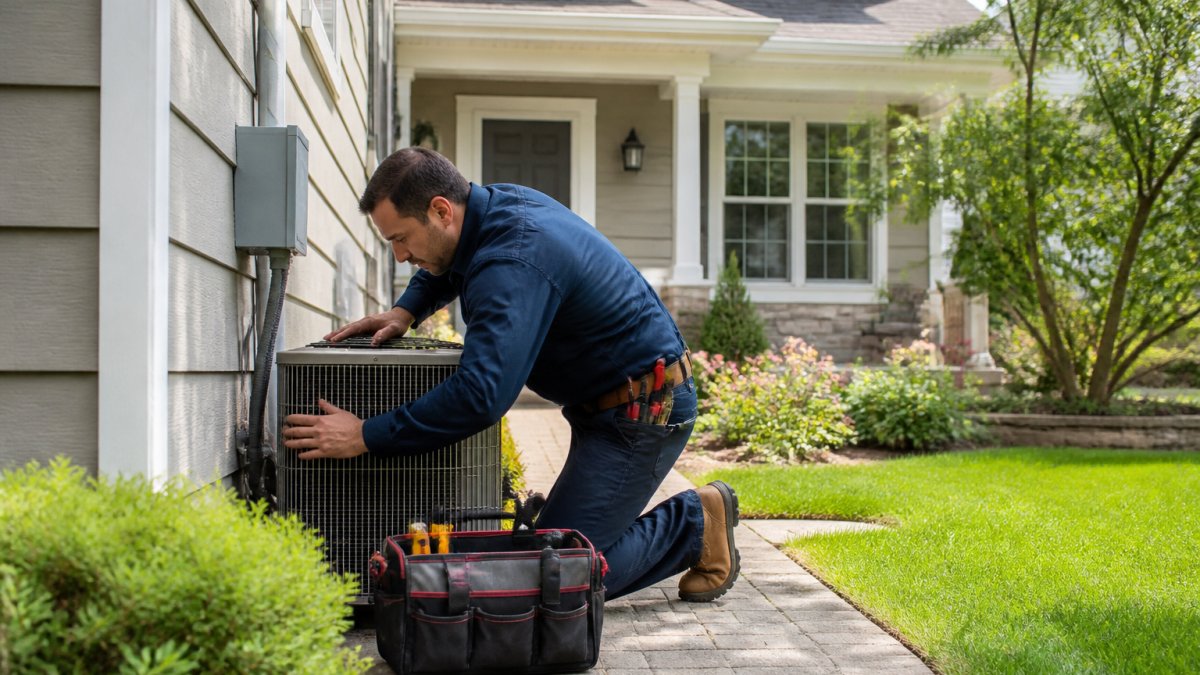
 comparison
What Professional Home Maintenance Services Cost
Last Updated: November 1, 2026
Quick Summary
Professional home maintenance services cost homeowners an average of almost $2,600 per year, according to the Home Improvement Research Institute's 2024 hiring study. Handyman hourly rates run $50 to $150, and annual budgets range from $800-$1,500 for new construction under 1,500 sq ft to $4,000-$7,000 for homes 25+ years old over 2,500 sq ft.
- Investopedia reported an average home maintenance cost of $1,750 in 2024, while Angi data put routine maintenance at $2,041 per household.
- Self-employed handymen typically charge $50 to $80 per hour, while companies charge $75 to $125.
- A plan only beats à la carte hiring when you would actually book the visits it bundles.
- Confirm whether a quote is flat-rate or hourly, and whether materials, trip charges, and permits are included.
- Labor warranties commonly run 30 to 90 days on handyman work and longer on trade installations.
Table of Contents
- What Professional Home Maintenance Services Cost in Practice
- The Average Annual Home Maintenance Cost, by the Numbers
- Handyman Hourly Rates and What Drives Them
- Sample Budgets by Home Size, Age, and Condition
- Home Maintenance Membership Cost vs. A La Carte Hiring
- Professional Home Maintenance vs DIY: Where the Money Goes
- How to Compare Quotes and Vet a Provider
- See Lone Eagle Home Services Plans and Flat-Rate Pricing
- Frequently Asked Questions
What Professional Home Maintenance Services Cost in Practice
Homeowners spend an average of almost $2,600 per year on professional services, according to the Home Improvement Research Institute's 2024 hiring study.
The biggest mistake homeowners make is budgeting for repairs and ignoring maintenance. One is optional until it isn't. The other prevents the first from happening.
Professional home maintenance services are recurring, scheduled care performed by trained providers to keep a home's systems and exterior in working condition. That includes HVAC tune-ups, gutter cleaning, roof checks, and seasonal inspections, not just emergency fixes.
The Average Annual Home Maintenance Cost, by the Numbers
Annual spending estimates vary widely because sources measure different things. Investopedia reported an average home maintenance cost of $1,750 in 2024, while Angi's 2025 data summarized by HomeProBadge put routine maintenance spending at $2,041 per household, with emergency repairs adding another $1,143.
Those aren't contradictory. They're measuring different scopes. If you want a local benchmark, our guide to the cost of annual home maintenance in NJ breaks down what these national figures look like for homes in this region.
Why Annual Averages Diverge So Widely
A national average tells you almost nothing about your own house. Costs also vary considerably by property type, so a single rule of thumb cannot cover that spread.
The Harvard Joint Center for Housing Studies found that homeowners in the bottom fifth of incomes spent an average of $3,100 on improvements and repairs in 2023. Spending tracks property age, condition, and system complexity far more than any percentage formula.
Handyman Hourly Rates and What Drives Them
Handyman hourly rates run $50 to $150, according to Housecall Pro's 2026 handyman pricing guide. Self-employed professionals typically charge $50 to $80 per hour, while companies charge $75 to $125.
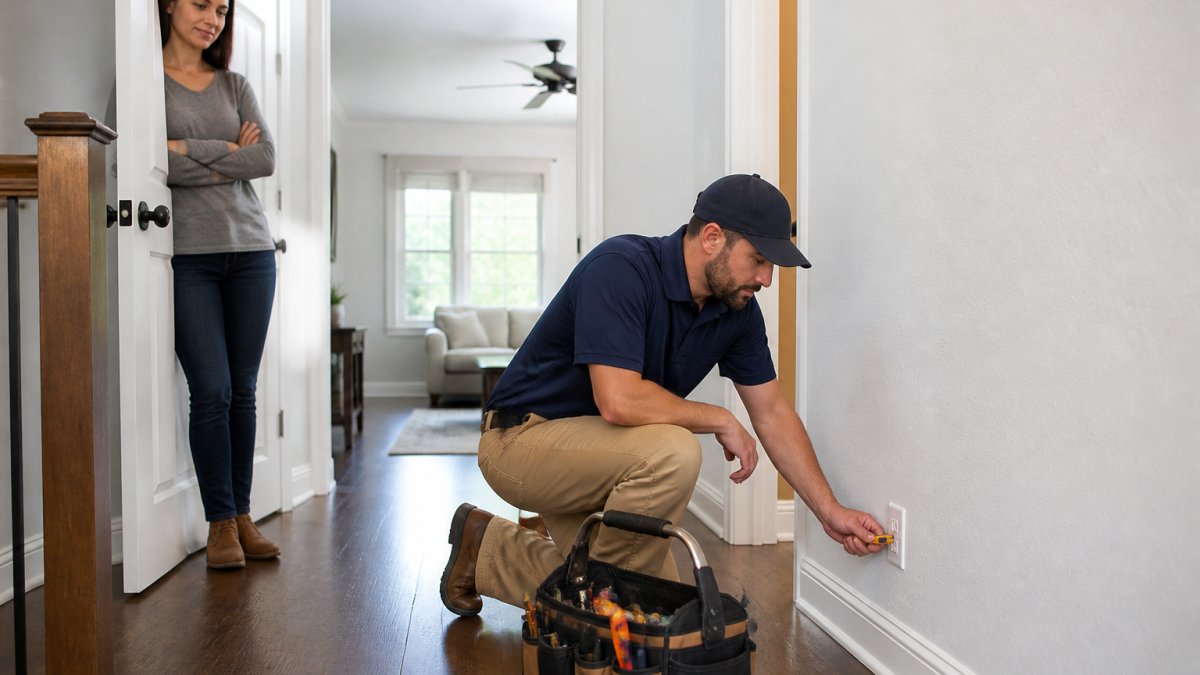
Labor rates rise with three things: licensed trade work, emergency timing, and location. Electrical and plumbing commands more than general carpentry. Weekend calls cost more than Tuesday morning appointments.
Minimum Service Charges and Flat-Rate Work
Many providers apply a minimum service charge, which means a short job can still bill at the minimum. Flat-rate pricing solves this by quoting the job, not the clock. Our explainer on flat rate home repair pricing covers how it compares to hourly billing and how to spot a fair quote.
Sample Budgets by Home Size, Age, and Condition
Here's how annual maintenance spending typically breaks down by property profile. These are planning ranges, not quotes.
| Home Profile | Annual Range | Priority Tasks |
|---|---|---|
| New construction, under 1,500 sq ft | $800-$1,500 | HVAC filter changes, gutter cleaning |
| 10-20 years old, 1,500-2,500 sq ft | $2,000-$3,500 | HVAC tune-ups, roof inspection, caulking |
| 25+ years old, 2,500+ sq ft | $4,000-$7,000 | Full system checks, exterior upkeep, drainage |
| Condo or townhome | $1,500-$3,500 | Interior systems, shared exterior coordination |
For a framework to build your own numbers, see our home repair budget planning guide.
Home Maintenance Membership Cost vs. A La Carte Hiring
Membership plans trade a predictable monthly fee for scheduled service and priority access. À la carte hiring trades flexibility for higher per-visit costs and the work of finding a provider each time.
What a Professional Maintenance Package Typically Includes
Plan structures vary by provider, but most professional maintenance packages are built from the same components. Ask which of these are in the written agreement before you compare a monthly fee to an hourly rate:
- Visit frequency. Quarterly and semi-annual are the most common cadences; monthly plans exist but usually bundle more tasks per visit rather than more visits.
- Labor. Scheduled visits typically include a set labor allowance per visit. Work beyond that allowance is billed at the provider's hourly or flat rate, confirm which.
- Materials. Filters, caulk, and small consumables are sometimes included and sometimes billed at cost plus markup. This line alone can swing a plan's real annual cost by a few hundred dollars.
- Inspections. A documented multi-point inspection with photos is the core value of a plan. Ask for a sample report.
- Priority scheduling and response windows. Plans usually promise front-of-line booking and a stated emergency response window. Get the window in writing.
The Visit-Frequency Math
A plan only beats à la carte hiring when you would actually book the visits it bundles. Run the comparison on an annual basis:
- List the services you would schedule in a year, for example, two HVAC tune-ups, two gutter cleanings, one roof inspection, and one seasonal exterior walk-through.
- Price each at the provider's à la carte rate, including any minimum service charge. A 20-minute gutter check still bills at the minimum, so small jobs carry disproportionate weight.
- Add the plan's annual fee plus the materials you expect to be billed separately.
- Compare the two totals, then weigh what the plan adds beyond price: priority scheduling, documented inspections, and a single point of contact.
The break-even sits at the visit count where the plan fee equals the sum of the individual minimum charges and hourly labor you would otherwise pay.
When À La Carte Wins
Hiring each job separately makes more sense when your home is new and under warranty, when you have a reliable handyman you already trust, or when your maintenance needs are genuinely occasional.
Our membership vs hourly handyman comparison lays out the cost math side by side, and our flat rate home repair pricing explainer covers how flat-rate billing changes the per-job comparison.
Professional Home Maintenance vs DIY: Where the Money Goes
DIY saves on labor and costs you on time, tools, and risk. Professional labor buys diagnostics, warranty-backed work, and the judgment to catch a small problem before it becomes a $1,500 repair.
A common mistake is DIYing anything that touches electrical, gas, or roof access. The savings evaporate the first time something goes wrong. Where DIY genuinely wins is routine upkeep: air filter replacement, caulking, and seasonal cleanup.
How to Compare Quotes and Vet a Provider
Price ranges only help if you can compare quotes on equivalent terms. Two estimates for the same job can differ by hundreds of dollars because one excludes materials, one bills travel, and one quotes a scope the other never intended. The method below turns a stack of estimates into an apples-to-apples comparison.
Normalize Every Quote Before You Compare Price
Rewrite each quote into the same five columns: scope of work, labor, materials, fees and permits, and warranty terms. If a provider will not break the quote into those parts, treat the missing detail as a risk, not a discount.
- Scope. Ask for a written description of what will be done, what will not be done, and what conditions would trigger a change order.
- Labor basis. Confirm whether the price is flat-rate or hourly, and if hourly, whether there is a cap or an estimate range.
- Materials. Confirm who supplies them, at what markup, and whether the grade is specified.
- Fees. Ask about trip charges, minimum service charges, disposal fees, and permit costs.
- Warranty. Get the labor warranty length and what voids it in writing.
A quote without a written scope is not a quote. It is an estimate you will argue about later.
Licensing, Insurance, and Warranty Checks
Licensing requirements for contractors are set at the state and local level, and the trades, electrical, plumbing, HVAC, are typically licensed separately from general handyman work. Before signing:
- Ask for the license number and verify it with the state or local licensing board that issues it.
- Request a certificate of insurance showing general liability coverage and, where required, workers' compensation, and confirm the policy is current by calling the insurer.
- Confirm who pulls permits. A provider who asks you to pull your own permit for permitted work is a warning sign.
- Read the warranty: labor warranties commonly run 30 to 90 days on handyman work and longer on trade installations, but terms vary by provider and contract.
How to Judge Whether a Price Is Current
Published price ranges age quickly, and labor and material costs move with local demand and inflation. Treat any figure older than about a year as a starting point, not a benchmark. To validate a quote against current conditions:
- Get at least three written quotes for the same scope within a few weeks of each other.
- Ask each provider what has changed in their pricing over the past year and why.
- Check whether the quote includes an expiration date; material-heavy jobs often hold pricing for only 15 to 30 days.
- Compare against local permit fee schedules, which are published by most municipalities and reveal whether permit costs are being marked up.
Red Flags in an Estimate
- A price given over the phone without seeing the work, for anything beyond a minimum-charge task.
- A large deposit requested before materials are ordered, with no written payment schedule.
- Pressure to sign the same day in exchange for a discount.
- No business address, no license number, and no written warranty.
- A scope described only in the provider's own shorthand, with no measurements or model numbers.
Our guide to finding reliable home repair professionals includes a fuller vetting checklist and the questions that separate accountable providers from the ones who disappear after the job.
See Lone Eagle Home Services Plans and Flat-Rate Pricing
We built Lone Eagle Home Services around the problem this article describes: unpredictable costs and the time drain of coordinating multiple contractors. Our membership model includes scheduled seasonal tune-ups, flat-rate pricing, digital service reports after every visit, and one team handling vendor coordination.
Managing a home shouldn't mean chasing down multiple contractors for one problem. See plans and flat-rate pricing on the Lone Eagle Home Services website.
Frequently Asked Questions
How much does the average homeowner spend on maintenance per year?
Published estimates vary depending on what they measure. The spread reflects different definitions: some figures cover only professional labor, others include materials and emergency repairs. Budget for the higher end if your home is older or has multiple systems nearing replacement.
What affects the cost of professional home maintenance services?
Four factors move the number most: property size and age, the scope of work included, local labor rates, and whether the visit is preventive or an emergency. Hourly rates and minimum service charges vary by provider type, and small jobs may bill at a minimum. Emergency repairs also carry premiums. A 1%-4% of home value rule of thumb, as cited by ConsumerAffairs, helps set an annual maintenance budget, but a 1950s colonial and a new build need very different reserves.
Is a home maintenance membership worth the cost?
A membership makes sense when you would otherwise pay multiple service-call fees and spend hours coordinating separate contractors. Several seasonal visits plus priority scheduling can add up, so compare the total before deciding. Memberships also bundle flat-rate pricing, documented service reports, and one point of contact, which matters for busy owners or part-time residents. Compare the annual membership fee against your current spending on individual service calls before deciding.
When is DIY home maintenance more expensive than hiring a professional?
DIY turns costly when a mistake damages a system or voids a warranty. Roof work, electrical panel changes, and HVAC refrigerant handling are common examples where a failed DIY attempt leads to a repair bill far above the professional rate. For tasks requiring permits, specialized tools, or safety equipment, professional labor is usually the cheaper path once risk is priced in.