 how-to
How to Maintain Home Value Annually: A Step-by-Step Plan
Last Updated: October 23, 2026
Quick Summary
To maintain home value annually, start with a dated baseline inspection, then follow a written annual maintenance checklist covering roof, gutters, HVAC, plumbing, electrical, windows, and safety devices. Budget 1% to 3% of your home's value each year for maintenance and repairs, and review your documentation every 12 months.
- Inspect the roof twice a year, in spring and fall, and after any major storm.
- Change HVAC filters every 1 to 3 months and schedule professional servicing once a year.
- Home maintenance averaged $8,808 annually, the largest share of hidden homeownership costs.
- Test smoke and carbon monoxide detectors monthly and replace the units every 10 years.
- Prioritize repairs by risk: water intrusion and safety systems come before cosmetic work.
Table of Contents
- Start With a Baseline: Your First Annual Home Inspection
- The Annual Home Maintenance Checklist That Protects Value
- Home Maintenance Costs Per Year: What to Budget
- Seasonal Home Maintenance Tasks: A Month-by-Month Calendar
- Home Repairs That Protect Property Value: Prioritize by Risk and ROI
- How to Maintain Home Value Annually: Document, Review, and Adjust
- DIY vs. Professional Help: Setting Safety Limits
- Frequently Asked Questions
Start With a Baseline: Your First Annual Home Inspection
According to the Home Improvement Research Institute's 2026 homeowner survey, about half of homeowners planned a maintenance project in the first quarter of 2026, and another 30% planned a home repair. The lesson for anyone learning how to maintain home value annually is simple: start with a written record, not a to-do list.
A baseline inspection is your starting line. It tells you what condition your home is in today, so next year's review has something to compare against. Walk the property once, room by room and system by system, and write down what you see:
- Roof age, missing shingles, and gutter condition
- HVAC service dates and filter sizes
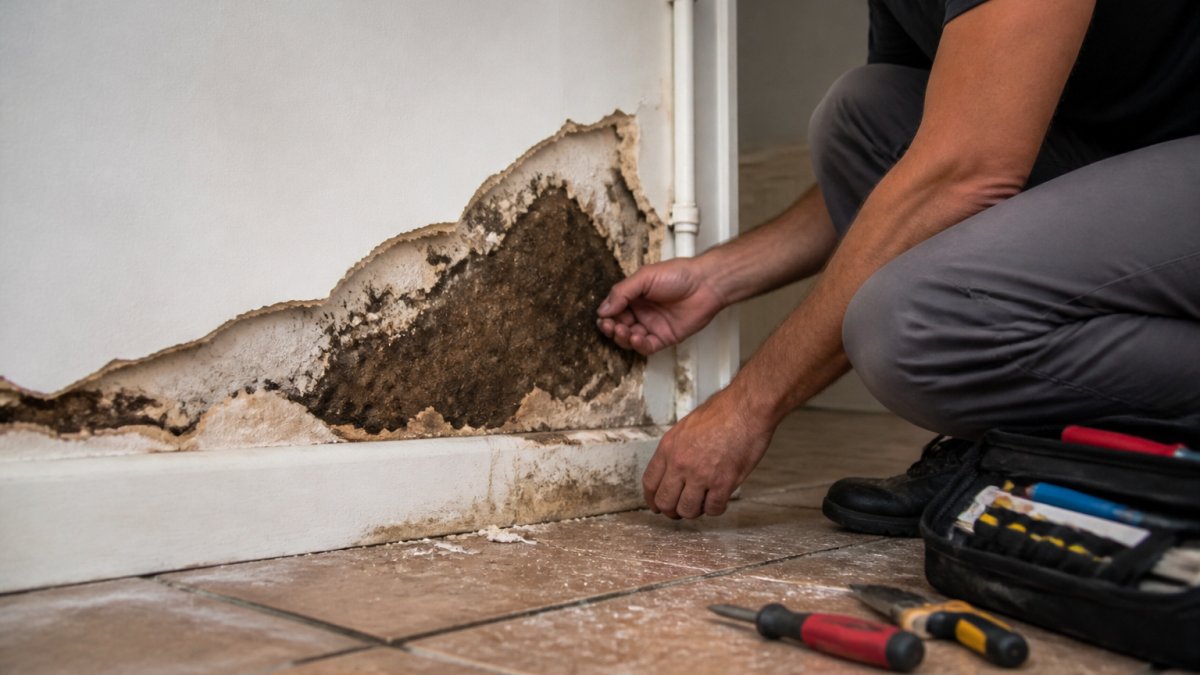
- Water heater age and any rust or moisture
Photograph everything. Date the photos. That file becomes the backbone of your maintenance schedule.
The Annual Home Maintenance Checklist That Protects Value
An annual home maintenance checklist is a dated list of inspections, tests, and repairs that keep every major system in your home working and documented.
Roof, Gutters, and Exterior
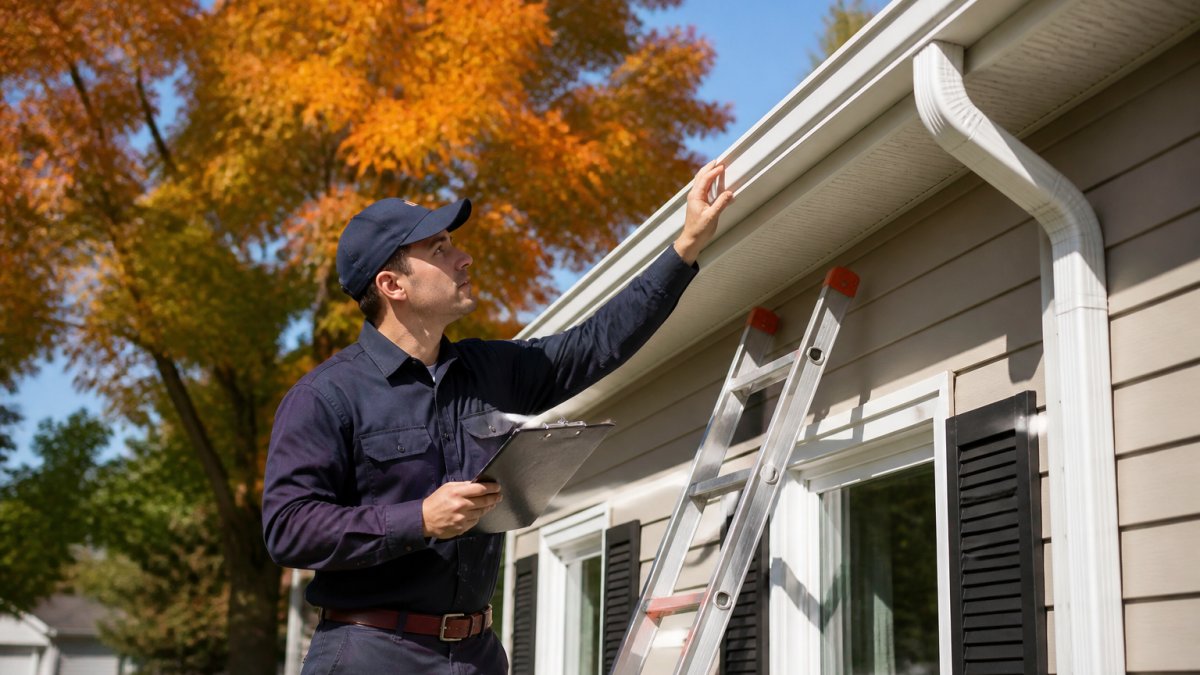
Inspect the roof twice a year, once in spring and once in fall, and after any major storm. From the ground with binoculars, look for lifted or missing shingles, granule loss in the gutters, rusted or lifted flashing around chimneys and vents, and sagging along the roofline. Do not walk the roof yourself; a fall is the most expensive repair on this list.
HVAC, Plumbing, and Electrical Systems
Change HVAC filters every 1 to 3 months depending on pets, allergies, and system type, and schedule professional servicing once a year, ideally in spring for the air conditioner and fall for the furnace. During service, ask the technician to record refrigerant levels, capacitor condition, and blower amp draw so you have a baseline for next year. Drain the water heater annually to clear sediment, test the pressure relief valve, and note the manufacture date; most tank water heaters last 8 to 12 years. Check under every sink and around the base of toilets for slow leaks, and look for water stains on ceilings below bathrooms.
Windows, Doors, and Safety Devices
Re-caulk windows and doors where seals have failed, and replace weatherstripping that no longer compresses. Test every smoke detector and carbon monoxide detector monthly with the test button, replace batteries yearly, and replace the units themselves every 10 years, the expiration date is printed on the back. Check that door locks and deadbolts work smoothly, and confirm exterior lighting keeps entryways visible.
What to Do Yourself and What to Hand Off
Most of this checklist is safe for a homeowner: filter changes, detector tests, caulk inspection, gutter clearing from the ground with an extension tool, and visual checks under sinks. Hand off anything on the roof, inside the electrical panel, on gas lines, or involving structural repairs. Those tasks carry real injury and liability risk, and an amateur repair can void insurance coverage or create a hazard that costs more than the professional would have.
Home Maintenance Costs Per Year: What to Budget
Budget 1% to 3% of your home's value each year for maintenance and repairs. That range is a planning tool, not a promise, and it scales with the age and condition of the home.
Bankrate's analysis found that home maintenance averaged $8,808 annually, the largest share of hidden homeownership costs. That number tracks with the wider trend reported by the Harvard Joint Center for Housing Studies, which projected modest growth in annual spending on improvements and maintenance through 2026.
Split your budget into three buckets:
| Bucket | Share of Budget | What It Covers |
|---|---|---|
| Routine upkeep | 40-50% | Filters, caulk, gutter cleaning, detector batteries |
| Scheduled service | 30-40% | HVAC tune-ups, plumbing checks, roof inspection |
| Reserve fund | 10-20% | One surprise repair per year |
If you want a step-by-step method for your own number, our guide on how to calculate your annual home maintenance budget walks through the 1% rule and the cost factors that move it.
Seasonal Home Maintenance Tasks: A Month-by-Month Calendar
Seasonal home maintenance tasks work best when they follow the calendar instead of your memory. Spread the work across the year and nothing piles up. The calendar below is built around two principles: sequence tasks so each one prepares the home for the season ahead, and front-load the tasks that prevent water damage, because water is the most expensive thing that happens to a house.
- January-February: Test detectors and replace batteries; check the attic for frost, ice dams, and condensation on the roof deck; inspect the furnace filter and schedule the annual HVAC service; look for ice dams at the eaves and note any interior ceiling stains.
- March-April: Clean gutters and downspouts after the last freeze; inspect the roof from the ground for winter damage; service the air conditioner before the first heat wave; check the sump pump and test it with a bucket of water; walk the foundation for new cracks.
- May-June: Wash windows and check seals; touch up exterior paint and caulk; test irrigation and exterior faucets for leaks; inspect the deck for loose boards, popped nails, and soft wood; clean the dryer vent.
- July-August: Inspect the attic for heat and moisture; check the deck again after heavy use; clean refrigerator coils and the condensate drain on the AC; look for signs of pests in the crawlspace or basement; check the grading around the foundation after summer storms.
Adapting the Calendar to Your Climate
A generic calendar assumes a mild four-season climate. Adjust it to the conditions your home actually faces. In freeze-thaw regions, move exterior caulking and faucet draining earlier, before the first hard freeze, not after, and inspect the foundation every spring for new cracks. In hot, humid climates, prioritize attic ventilation, AC condensate lines, and mold checks in the spring, and inspect for wood rot year-round.
When Time or Budget Runs Short
If a month gets away from you, do not abandon the calendar, triage it. The tasks that prevent catastrophic damage come first: gutter clearing, roof inspection, water heater and plumbing leak checks, and detector testing.
If you'd rather build this into a system you can actually keep, our guide on creating a seasonal home maintenance schedule shows how to set it up and track it.
Home Repairs That Protect Property Value: Prioritize by Risk and ROI
Prioritize repairs by risk first, then by return. A failing roof threatens the entire structure; a dated light fixture does not. Spend on the items that prevent damage before the items that merely look better.
Use this order:
- Water intrusion: roof leaks, failed flashing, plumbing leaks
- Safety systems: detectors, electrical hazards, handrails
- Structural issues: foundation cracks, rotting wood, failing decks
- Efficiency upgrades: insulation, window seals, HVAC servicing
- Cosmetic work: paint, fixtures, landscaping
Water damage sits at the top for a reason. Deferred roof repairs compound fast; our article on what happens if you ignore roof leaks lays out the seven costly outcomes in detail.
How to Maintain Home Value Annually: Document, Review, and Adjust
To maintain home value year after year, keep a dated maintenance file and review it every 12 months.
Keep receipts, service reports, and photos in one folder, digital or paper. Note the date, the contractor, and what was done.
Then review once a year:
- What did you spend against your budget?
- Which systems are nearing the end of their service life?
- What did the inspection turn up that you deferred?
Adjust the plan for the coming year based on those answers. A home maintenance schedule that never changes is a schedule nobody is following.
DIY vs. Professional Help: Setting Safety Limits
Some tasks belong in your own hands. Others do not. The line is safety, not confidence.
Handle these yourself if you're comfortable:
- Replacing HVAC filters and detector batteries
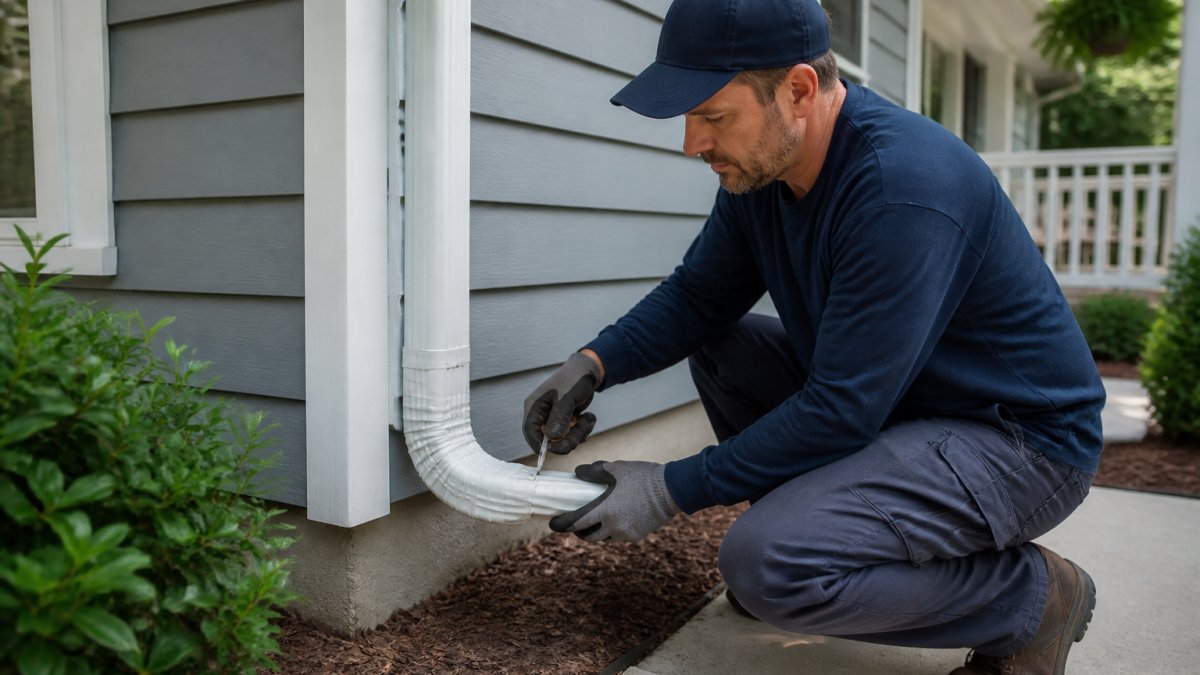
- Cleaning gutters from the ground with an extension tool
- Caulking windows and doors
- Testing outlets and detectors
Call a professional for anything involving the roof, the electrical panel, gas lines, or structural repairs. Those jobs carry real risk, and a mistake can void insurance coverage or create a hazard.
For the exterior, door, and window work that sits past your comfort level, our team at Lone Eagle Home Services handles home maintenance across the area we serve, with flat-rate pricing and uniformed technicians backed by real systems and accountability. We also offer a preventative home maintenance checklist for 2026 if you want a ready-made list to work from.
Frequently Asked Questions
How much should I save each year for home maintenance?
A common guideline is the 1% rule: set aside 1% of your home's purchase price annually for maintenance. Bankrate reports that home maintenance averaged $8,808 per year and was the largest share of hidden homeownership costs. For a $500,000 home, that is $5,000 per year. Some owners use 1% to 3% of home value to cover older homes or major systems. Adjust based on your home's age, condition, and local climate, and review the figure each year.
How often should I inspect my home for maintenance issues?
Walk through your home monthly for quick visual checks: look for leaks under sinks, cracks in caulk, and dirty filters. Schedule a deeper annual inspection of the roof, gutters, HVAC, plumbing, and electrical systems once a year. Seasonal home maintenance tasks, such as cleaning gutters in fall and testing smoke detectors in spring, fill the gaps. If you notice a problem between inspections, address it immediately rather than waiting for the next scheduled review.
Does regular home maintenance increase resale value?
Regular maintenance does not guarantee appreciation, but it preserves condition and buyer appeal. A well-kept roof, functioning HVAC, and clean gutters signal a cared-for home to buyers. Documented maintenance records can support your asking price and reduce negotiation friction. The Harvard Joint Center for Housing Studies projects modest growth in home improvement spending through 2026, suggesting owners continue to invest in upkeep. Focus on preventive care and timely repairs rather than expecting maintenance alone to raise value.
Which home repairs are most important for preserving value?
Prioritize repairs that prevent water damage, safety hazards, and system failures. Fix roof leaks and clean gutters before they cause structural issues. Service the HVAC system annually to avoid costly replacements. Repair plumbing leaks and electrical problems immediately. Test smoke and carbon monoxide detectors and replace batteries yearly. These home repairs that protect property value address the most expensive risks first. Cosmetic updates can wait; structural and safety issues cannot.
Most homeowners don't lose value in one big event. They lose it in a hundred small deferrals, each one easy to skip and expensive to catch up on. A documented annual plan stops that slide, and a membership with Lone Eagle Home Services makes it simple to keep: proactive seasonal tune-ups, one trusted team for vendor coordination, priority scheduling, and digital service reports after every visit. Get started with Lone Eagle Home Services and turn maintenance from a scramble into a system.