 how-to
Preventing Water Damage in Your Home Basement: A Room-by-Room Defense Plan
Last Updated: November 3, 2026
Quick Summary
Preventing water damage in your home basement starts outside: clean gutters twice a year, extend downspouts several feet from the foundation, and regrade soil so it slopes away from the house. These cheap water-diversion fixes prevent most common leaks, while interior drainage and sump pumps handle water that reaches the floor.
- About 1 in 60 insured homes makes a water or freezing damage claim each year, per RubyHome.
- Clean gutters twice a year and add downspout extensions that carry water several feet from the foundation.
- Hairline vertical cracks under 1/16 inch are common in poured concrete and often treatable from inside.
- Test your sump pump before storm season by pouring water into the pit and watching it kick on.
- Dry flooded spaces within 24 to 48 hours to stop mold, according to the EPA.
Table of Contents
- Why Basement Water Damage Starts Outside the House
- Water Leaking Into Basement After Heavy Rain: Reading the Signs
- Grading, Gutters, and Downspouts: Direct Water Away From the Foundation
- Water Coming in Basement Wall Crack: Sealing and Repair Options
- Preventing Water Damage in Your Home Basement DIY: What You Can Do Yourself
- Interior Drainage, Sump Pumps, and When to Call a Professional
- Water in Basement After Rain: Who to Call and What to Do First
- Build a Seasonal Maintenance Calendar With Lone Eagle Home Services
- Frequently Asked Questions
Why Basement Water Damage Starts Outside the House
Most basement leaks begin above ground. Water collects on your roof, runs down your walls, and pools against your foundation. Then it finds a way in.
About 1 in 60 insured homes makes a claim for water or freezing damage each year, according to RubyHome's water damage statistics.
A wet basement floor often points to a problem outside the wall rather than inside it.
How to Identify the Source of Water Intrusion
Finding the source means matching the timing and location of the water to a cause. Start with these checks:
- Water only after heavy rain? Look at gutters, downspouts, and soil grading first.
- Water along one wall? That points to a foundation crack or a failing window well.
- Water near the floor drain or sump? The problem is likely the interior drainage system.
Watch out: guessing at the source wastes money. Trace the water before you buy any sealant.
Water Leaking Into Basement After Heavy Rain: Reading the Signs
Water leaking into a basement after heavy rain is usually a drainage problem, not a wall problem. The stormwater has nowhere else to go, so it pushes against the foundation until it seeps through.
Here is what the signs tell you:
- Damp patches high on the wall: water is coming through the wall itself, often at a crack.
- Water at the wall-floor joint: the foundation drain or exterior grading is failing.
- Musty odor with no visible water: moisture is seeping in slowly and feeding mold.
For a deeper walkthrough on rain-driven leaks, see our guide on how to prevent basement flooding during heavy spring rain.
Grading, Gutters, and Downspouts: Direct Water Away From the Foundation
The cheapest fix is also the most effective: move water away from the house. Soil, gutters, and downspouts handle most of the stormwater that reaches your foundation.
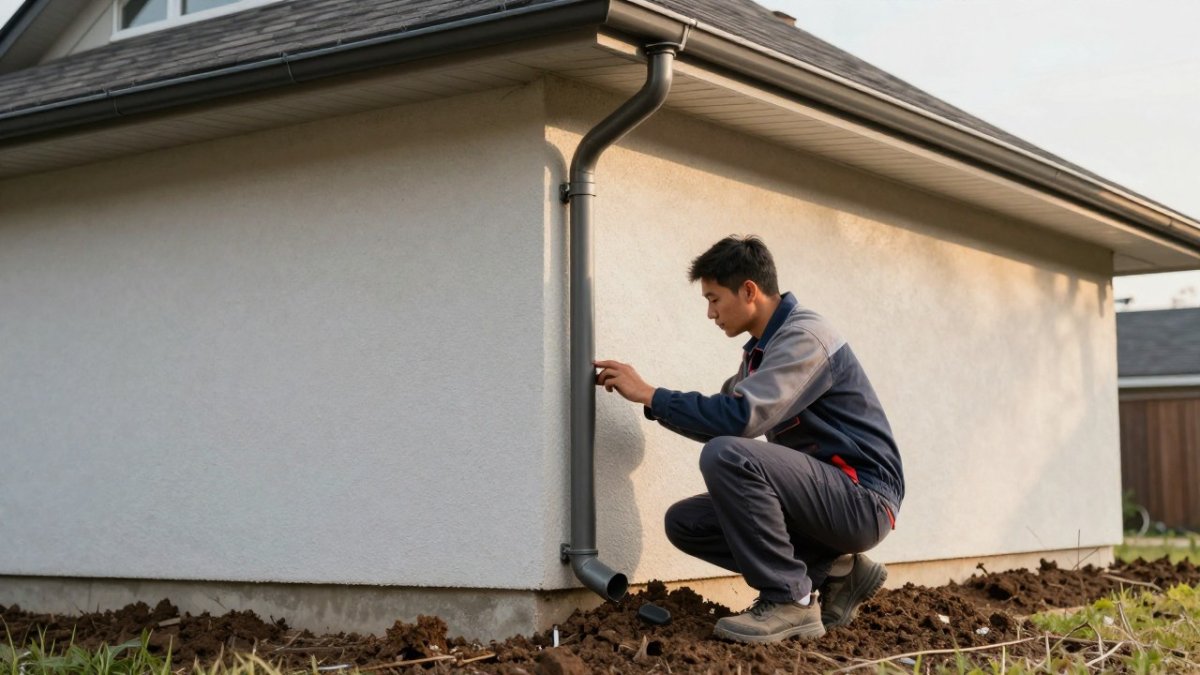
Regrade the Soil So It Slopes Away From the House
Soil should slope away from the foundation at a steady drop over the first few feet. Over time, soil settles and that slope flattens or reverses. Add compacted soil near the wall and taper it outward. Keep the soil line below the siding so you do not trap moisture in the framing.
Clean Gutters and Extend Downspouts
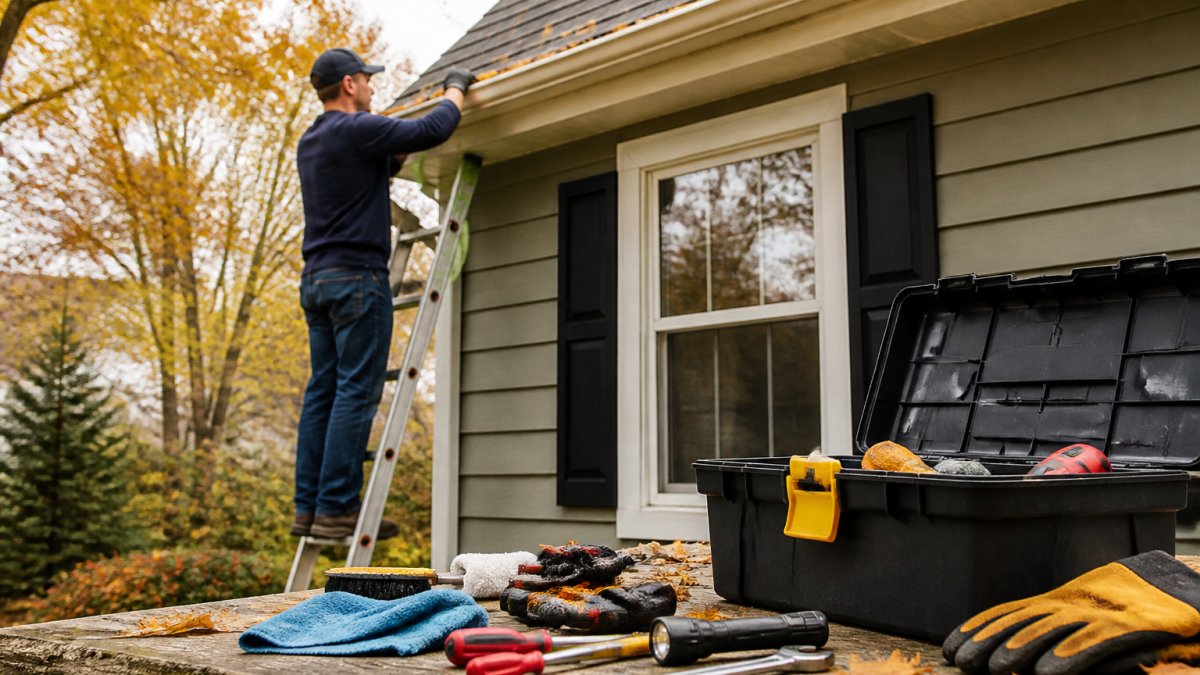
Clogged gutters send roof water straight down the wall. Clean them twice a year, and add downspout extensions that carry water several feet from the foundation. If you plan to do the gutter work yourself, our safe gutter cleaning guide walks through the tools and steps.
Water Coming in Basement Wall Crack: Sealing and Repair Options
Water coming in a basement wall crack is fixable, but the right fix depends on what kind of crack you have and why it is leaking. Treating every crack the same way is how homeowners end up patching the same spot every spring.
First, Classify the Crack
Before you buy any product, look at the crack's shape, width, and behavior:
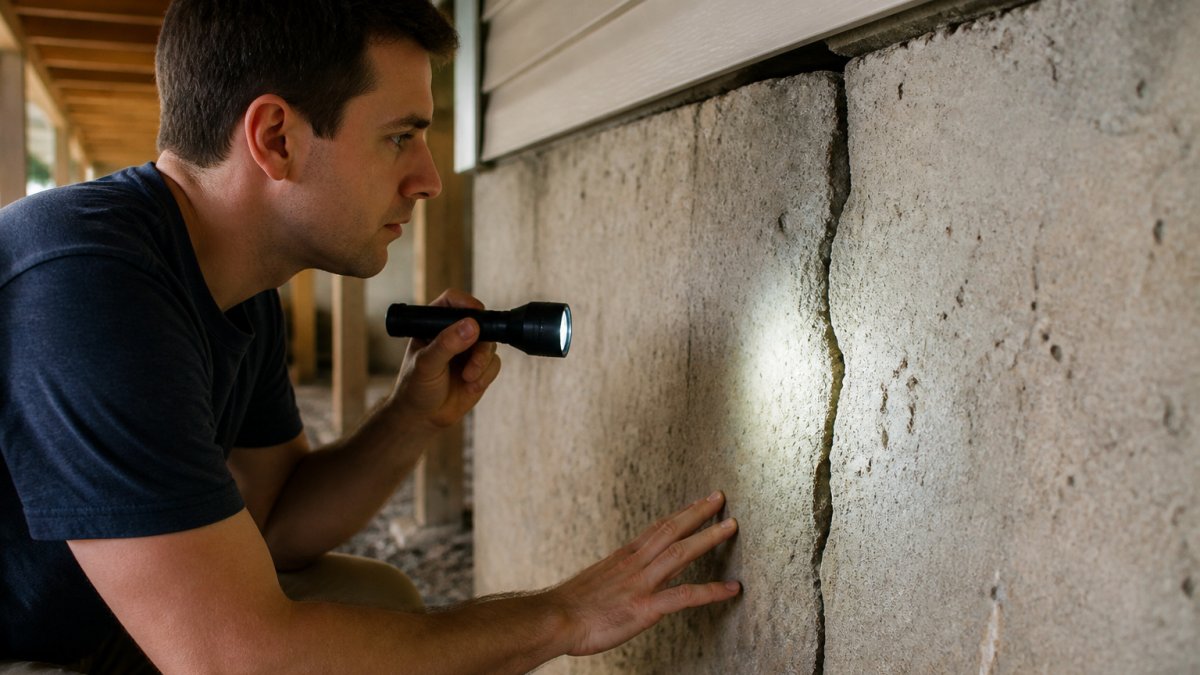
- Hairline vertical cracks (usually under 1/16 inch): common in poured concrete from curing and settlement. Often stable and treatable from the inside.
- Wider vertical cracks: may indicate ongoing settlement or a soil-pressure problem. These need a structural assessment before sealing.
- Horizontal cracks: often a sign of lateral soil pressure or frost heave pushing against the wall. These are a structural warning, not a maintenance item.
A crack that is actively moving will reopen any rigid patch. If you can fit a coin edge into the crack or it has widened since last year, get an engineer or foundation specialist to look before you seal.
Repair Options and What Each One Actually Does
Your options, roughly in order of cost and durability:
- Hydraulic cement: expands as it sets to plug an active seep. It is a temporary stop, not a permanent repair, and it works best on masonry walls with small weeping cracks.
- Polyurethane injection: injects a foam that fills the crack from the inside and stays flexible, so it tolerates minor movement. This is the common choice for active leaks in poured concrete walls.
- Epoxy injection: creates a strong structural bond for stable, non-moving cracks. It does not flex, so it is a poor fit for cracks that are still moving.
Watch out: painting over a wet crack or coating a leaking wall traps water behind the coating, and the coating will blister and peel. Fix the leak first, then coat a dry wall.
When Injection Is the Wrong Answer
Injection seals the crack, not the water source. If the crack leaks because soil is saturated and pushing against the wall, sealing the crack just moves the pressure to the next weak point.
For a deeper walkthrough on rain-driven leaks and how they differ from crack seepage, see our guide on how to prevent basement flooding during heavy spring rain.
Preventing Water Damage in Your Home Basement DIY: What You Can Do Yourself
Preventing water damage in your home basement DIY work covers the simple, safe jobs. You can clean gutters, extend downspouts, regrade soil, and seal small cracks. These tasks cost little and prevent most common leaks.
Waterproofing Coatings, Sealants, and Window Wells
Waterproofing coatings and concrete sealants slow moisture vapor but do not stop active leaks. Apply them to dry, clean walls only. For window wells, clear debris, check the well drain, and add a clear cover to keep rain out.
A common mistake is treating a coating like a cure-all. It is not. Coatings manage dampness, not flowing water.
Interior Drainage, Sump Pumps, and When to Call a Professional
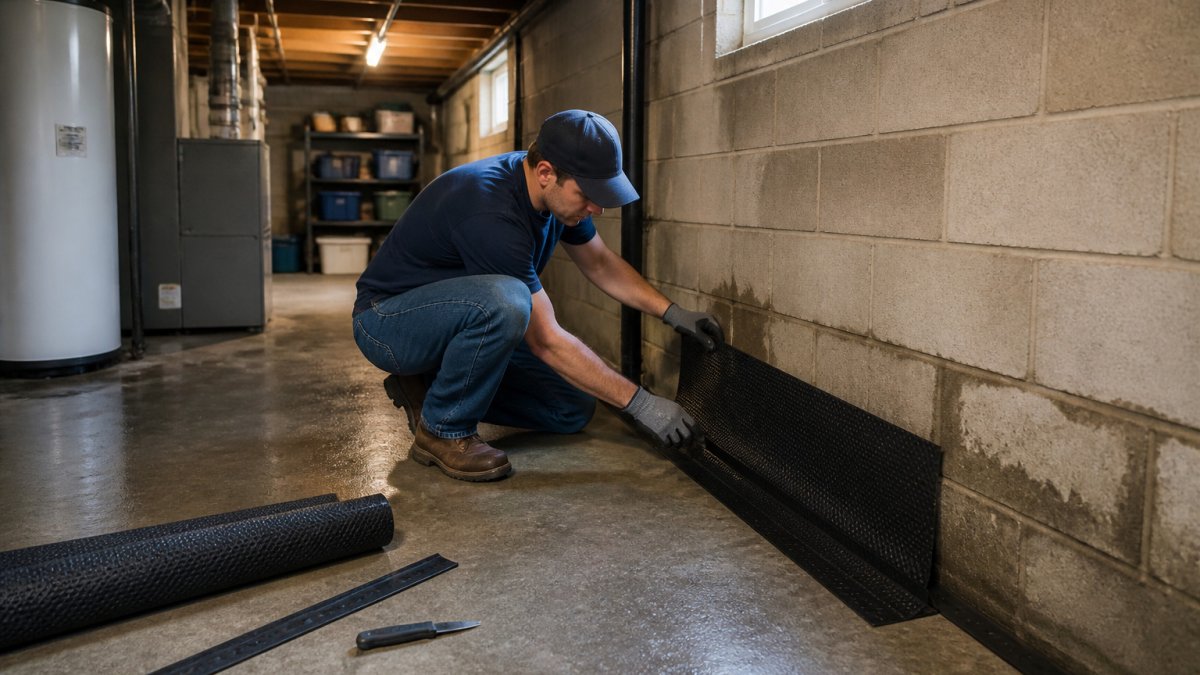
Interior drainage systems, sump pumps, and backup pumps handle water that reaches the basement floor. Test your sump pump before storm season by pouring water into the pit and watching it kick on.
Call a professional when you see:
- Water rising faster than the pump can clear
- Cracks that are widening or letting in steady flow
- Repeated leaks after every storm
Water in Basement After Rain: Who to Call and What to Do First
Water in a basement after rain needs fast action, and safety comes before cleanup. Follow this order:
- Stay out of standing water. It can hide live electrical hazards.
- Shut off power to flooded areas at the breaker, only if you can reach it dry.
- Document the damage with photos for your insurance claim.
- Remove water and dry the space within 24 to 48 hours to stop mold (the EPA).
- Call for help if the water is deep, recurring, or near electrical panels.
When you need a pro on site, a qualified contractor can assess the source and stop the leak. You can also get inspection and remediation help for active water intrusion.
Build a Seasonal Maintenance Calendar With Lone Eagle Home Services
A calendar beats a crisis every time, but a calendar only works if it tells you what to look for and how often. Most basement water damage is preventable with a short list of checks done at the right intervals. Here is a prioritized schedule with the warning signs to watch for at each step.
How to Prioritize
Rank tasks by how much damage they prevent per dollar and per hour:
- Water diversion (gutters, downspouts, grading): cheapest and prevents the most common leaks.
- Sump pump testing and backup power: protects the interior drainage system that handles everything else.
- Crack and window well inspection: catches small problems before they become structural.
- Moisture monitoring: catches slow leaks that never show standing water.
If you only do the first two, you will prevent most rain-driven basement water.
The Calendar
| Interval | Task | Warning Signs to Watch For |
|---|---|---|
| Twice a year (spring and fall) | Clean gutters and check downspout flow | Water overflowing the gutter edge, granules from shingles in the gutter, downspouts that drip at the joint instead of the outlet |
| Twice a year | Extend downspouts and confirm they discharge several feet from the foundation | Discharge point pooling within a few feet of the wall, soil erosion at the outlet |
| Annually (fall) | Regrade settled soil so it slopes away from the house | Low spots against the wall, soil line above the siding, water standing on the surface after rain |
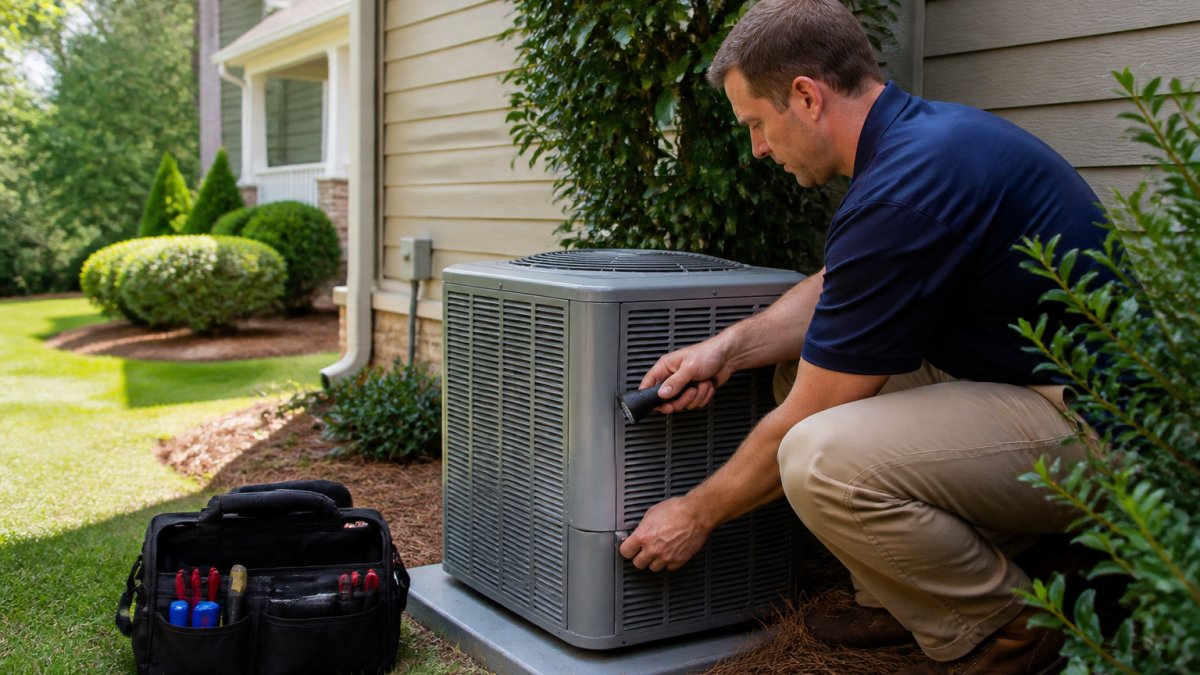
| Annually (spring) | Test the sump pump and backup pump | Pump that runs continuously, rattles, or does not kick on when the pit fills |
| Annually (spring) | Inspect foundation cracks and the wall-floor joint | New cracks, widening cracks, white powder (efflorescence), damp patches |
| Annually (fall) | Clear window wells and check well drains and covers | Debris in the well, water standing in the well after rain, cracked or missing cover |
| Monthly during wet season | Check the basement for dampness and musty odor | Musty smell, damp concrete, rust on stored metal, curling stored cardboard |
| After every heavy storm | Walk the perimeter and check the basement | New seepage, water at the wall-floor joint, water near the floor drain |
Warning Signs That Move Up the Schedule
Some findings mean you should not wait for the next interval:
- Water rising faster than the pump can clear: stop and call a professional; do not keep resetting the pump.
- A crack that has widened since last inspection: get a structural assessment before sealing.
- Repeated leaks after every storm: the problem is drainage, not the wall, and surface patches will keep failing.
What to Record
Keep a simple log with the date, the task, and what you saw. A photo of the same wall corner each season is the fastest way to spot a crack that is widening or a damp patch that is growing.
If you would rather hand this list to someone else, a membership-based maintenance program can handle proactive seasonal tune-ups. Beginners can also follow a seasonal home maintenance checklist to build their own calendar.
Frequently Asked Questions
Will insurance cover basement water damage?
It depends on the cause. Most standard homeowners policies cover sudden, accidental events like a burst pipe or appliance failure, but they typically exclude gradual seepage, groundwater intrusion, and poor maintenance. Water and freezing damage claims are a common occurrence among insured homes. Before storm season, photograph your basement, keep receipts for maintenance work, and ask your insurer directly whether sump pump failure or surface water is covered. Flood coverage usually requires a separate policy.
What should I do if my basement leaks after heavy rain?
Shut off power to any wet area at the breaker before you step in. Move water-damaged belongings out, document everything with photos, and run fans and a dehumidifier within 24 to 48 hours to head off mold. Then walk the exterior: check for clogged gutters, downspouts dumping water at the foundation, and soil that slopes toward the house. Most water leaking into basement after heavy rain traces back to one of those three issues, and fixing them is the fastest way to stop the next storm from repeating the problem.
Is it better to waterproof a basement from inside or outside?
Exterior waterproofing, which means excavating around the foundation and applying a membrane plus proper drainage, addresses the source and generally lasts longer. Interior sealants and coatings are cheaper and easier but only manage water that has already entered. For a wall crack letting in a small amount of water, an interior epoxy or polyurethane injection often solves it. For widespread seepage along a foundation wall, exterior work or interior drainage with a sump pump is the more durable answer.
Who should I call if water is coming into my basement?
For active flooding, call a water damage restoration company first, since they handle extraction and drying. For electrical hazards, call an electrician. Once the water is out, a foundation or waterproofing contractor diagnoses the source. If you would rather not coordinate three separate trades, a home maintenance membership like Lone Eagle Home Services gives you one point of contact to schedule the inspection, the repair, and the follow-up, with flat-rate pricing and a digital service report after each visit.
Most homeowners do not have time to inspect gutters, test a sump pump, and trace leaks after every storm. That is exactly what a Lone Eagle Home Services membership is built for. We handle proactive seasonal tune-ups, coordinate every vendor, and send a digital service report after each visit, all at flat-rate pricing with confirmed appointments. Get started with Lone Eagle Home Services and keep your basement dry before the next storm arrives.