 how-to
Signs Your Home Needs Structural Repairs: What to Check
Last Updated: November 3, 2026
Quick Summary
Cracks that widen over time, doors and windows that stick, and floors that slope or bounce often signal foundation movement. Check each sign and mark cracks with the date. Get a professional assessment before the damage grows, since many structural repairs are simpler when caught early.
- Mark crack ends with pencil and date; growth over months means treat as structural.
- Stair-step cracks through brick or block follow mortar joints and often indicate structural issues.
- Cracks wider than 1/8 inch or visibly growing warrant a professional assessment.
- Floors sloping more than about an inch over 20 feet call for a structural engineer.
- Do not plane or sand a binding door before knowing why it binds; the evidence is needed.
Table of Contents
- Cosmetic Cracks vs. Structural Cracks: How to Tell the Difference
- Signs of Structural Issues in a House: Walls, Ceilings, and Floors
- Doors, Windows, and Gaps That Signal Foundation Movement
- Water, Moisture, and Soil Problems Behind Structural Damage
- What Is Considered Structural Damage to a House?
- Can Structural Damage to a House Be Fixed? Repair Options and Permits
- When to Call a Structural Engineer Near Me and What to Expect
- Booking Your Home Assessment With Lone Eagle Home Services
- Frequently Asked Questions
Cracks, sticking doors and sloping floors are often the first signs that something in your house has moved, and the earliest clue that the structural repairs it needs are getting closer. Most homeowners ask the same question: is this a cosmetic problem or a structural one?
This guide walks through the warning signs of structural damage, what they usually mean, and when to bring in a professional. You do not need tools or training to start. A flashlight, a tape measure and a notebook are enough for a basic check.
Cosmetic Cracks vs. Structural Cracks: How to Tell the Difference
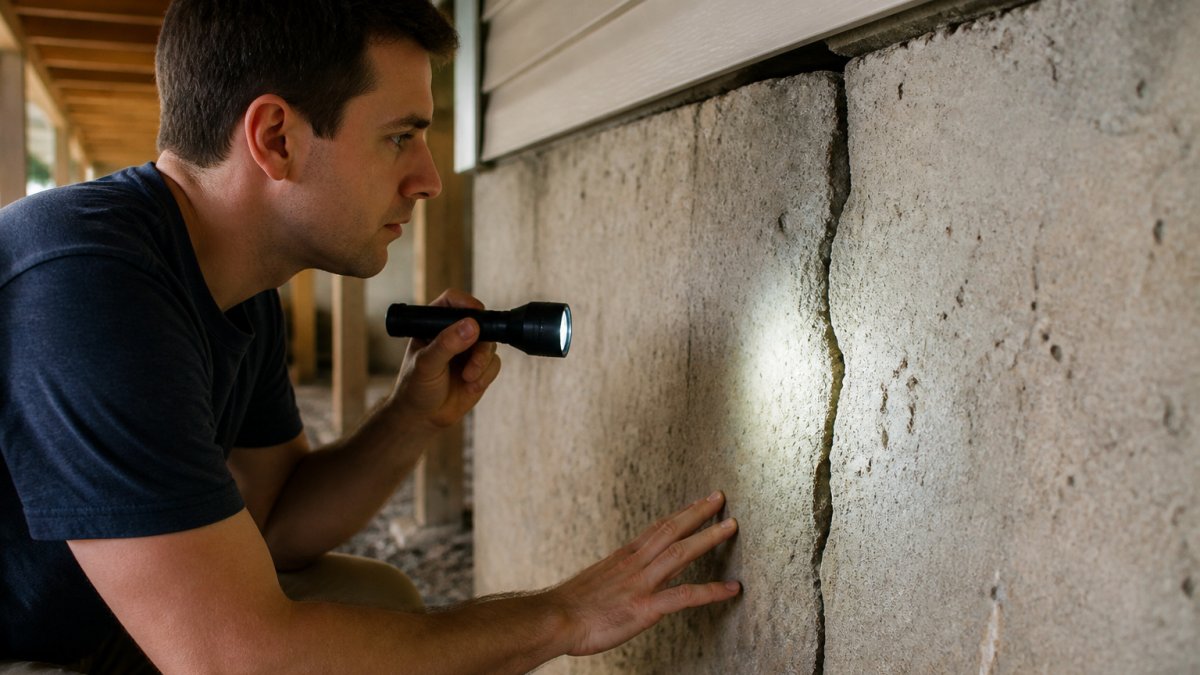
Cosmetic cracks are thin, shallow and often follow the seams of drywall or plaster. Structural cracks cut through the masonry or framing, widen over time, and often run diagonally or in a stair-step pattern through brick or block (Common Problems with Brick Masonry (U.S. National Park Service)).
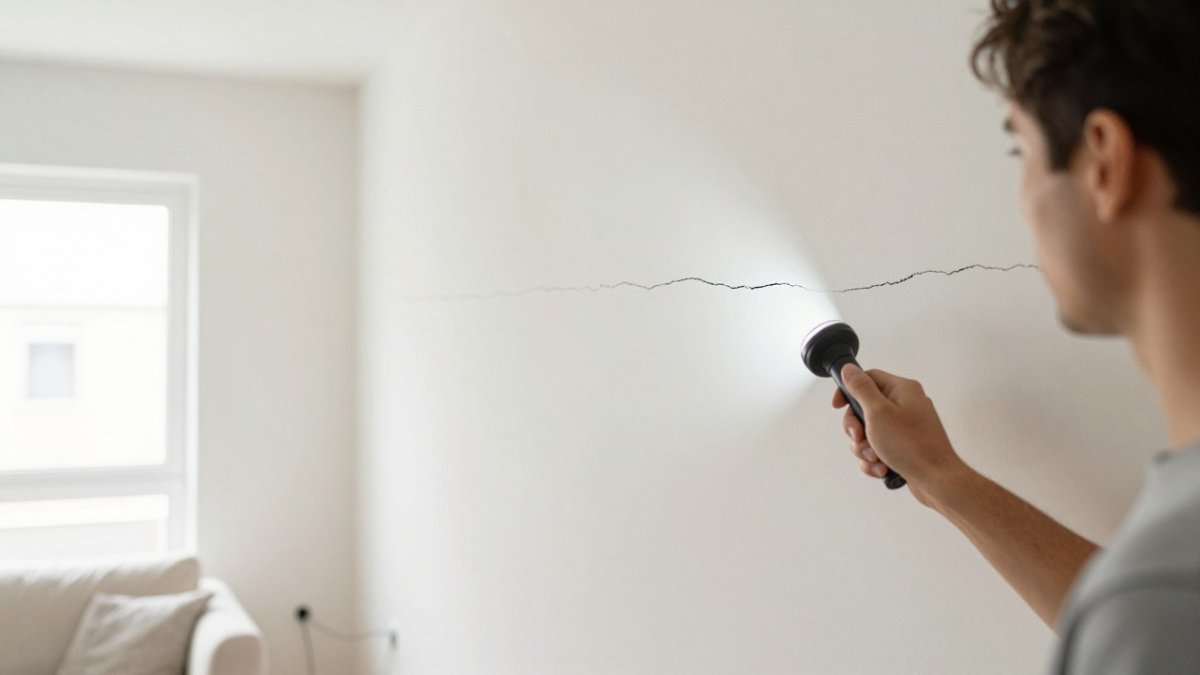
Here is a simple way to sort what you see:
- Hairline and surface-level: Thin, under about 1/8 inch, and only in paint or drywall tape
- Stair-step: Follows the mortar joints in brick or block walls
- Horizontal: Runs across a wall, often a sign of pressure or bowing
- Wide or growing: Wider than 1/8 inch, or visibly larger than it was last season
Watch out: Mark the ends of any crack with pencil and the date. If it grows over a few months, treat it as structural until a professional says otherwise.
Signs of Structural Issues in a House: Walls, Ceilings, and Floors
Interior walls, ceilings and floors often show the first signs of foundation movement. Look for patterns rather than single flaws:
- Cracks in drywall that reappear after you repair them
- Bulging or bowing walls that look wavy when you sight along them
- Ceiling cracks running from corners of doors or windows
- Sloping or sagging floors where a marble or ball rolls on its own
- Bouncy floors that give or creak under normal weight
A single crack rarely tells the full story. Two or three of these signs appearing together deserve a closer look.
The table below sums up the warning signs covered in this section and what each one usually points to.
| Sign | What it may indicate | Action |
|---|---|---|
| Cracks in drywall that reappear after repair | Ongoing movement in the frame | Monitor and document |
| Bulging or bowing walls | Pressure or lateral stress | Schedule assessment |
| Ceiling cracks from door or window corners | Frame movement or settling | Monitor and document |
| Sloping or sagging floors | Foundation or joist issues | Schedule assessment |
| Bouncy floors that creak under normal weight | Weakened or undersized joists | Schedule assessment |
| Two or three signs appearing together | Pattern suggesting structural problem | Get a closer look |
Doors, Windows, and Gaps That Signal Foundation Movement
Doors and windows are the cheapest diagnostic tools in the house. A frame that was square when it was built will stay square only as long as the foundation under it stays put.
Run this check on every door and window in the house, ideally in the same season so humidity is consistent:
- The swing test. Open the door halfway and let go. A door that drifts open or closed on its own when the floor is level is telling you the hinge side is out of plumb.
- The latch test. A door that latches only when you lift or push it is binding at the strike plate, the frame has moved relative to the door slab.
- The gap test. Look at the even gap around a closed door or window. A gap that is wide at the top and narrow at the bottom (or vice versa) is a frame out of square, not a bad hinge.
- The trim test. Run a finger along the joint where the interior trim meets the wall. A gap that opens between trim and wall, or between a wall and the floor, means the two surfaces are moving apart.
- The window test. Windows that stick only in one corner, or that will not stay open, point to the same racking. Check the exterior caulk joint at the same window for fresh separation.
Some of this is normal. Wood swells in humid summer air and shrinks in winter, and a door that sticks in July and frees up in October is usually seasonal.
Watch out: Do not plane or sand a binding door to "fix" it before you know why it is binding.
Water, Moisture, and Soil Problems Behind Structural Damage
Water is one of the most common causes of structural trouble. Soil that holds too much moisture expands and shrinks, which pushes and pulls on the foundation. Soil that washes away leaves voids that the house can settle into.
Watch for these signs:
- Soil pulling away from the foundation wall
- Damp spots, musty smells or visible mold in basements and crawl spaces
- White powdery residue on masonry, called efflorescence
- Flaking or chipping concrete at the base of walls
- Rusty metal near floor joists or foundation anchors
Watch out: A damp basement is a warning, not just a nuisance. Water that gets into the wall can weaken the masonry and rot the framing over time.
What Is Considered Structural Damage to a House?
Structural damage affects the parts of the house that carry its weight and keep it stable. This includes the foundation, load-bearing walls, floor joists, roof framing, and chimneys or exterior masonry.
Cosmetic damage affects the finish only, such as paint, trim, tile, and surface drywall. A house can have plenty of cosmetic problems and still be structurally sound. The reverse is also true: a house can look fine on the surface while the frame is moving underneath.
Can Structural Damage to a House Be Fixed? Repair Options and Permits
Yes, most structural problems can be repaired, but the right fix depends on the cause. Common repairs include:
- Crack sealing or stitching for minor, stable cracks
- Wall anchors or straps for bowing masonry
- Piering or underpinning to stabilize a settling foundation
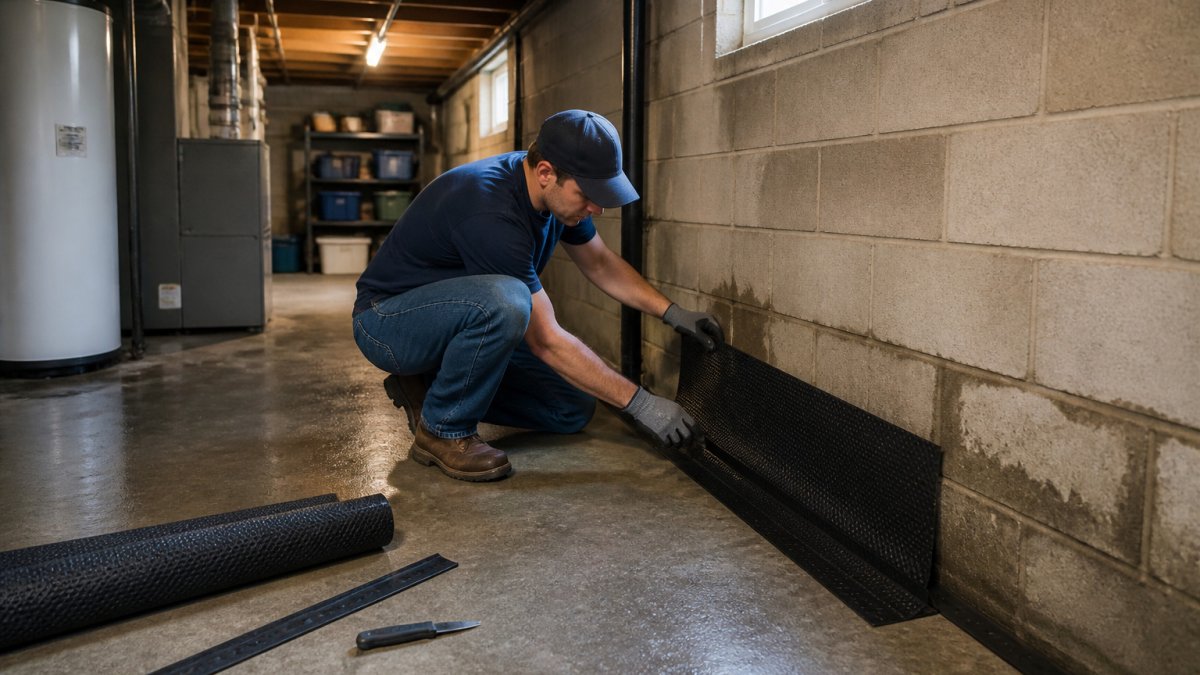
- Drainage work and grading to control water and soil movement
- Sistering or replacing damaged joists and beams
Many structural repairs require a building permit, which depends on your local municipality. Check with your local building department before work begins.
When to Call a Structural Engineer Near Me and What to Expect
Not every warning sign carries the same urgency. Sorting what you see into three buckets keeps you from either panicking over a cosmetic crack or ignoring a real problem.
Monitor and document. Hairline cracks under about 1/8 inch, a single sticking door, or minor soil separation at the foundation are candidates for monitoring, not emergency calls. Mark the ends of each crack with a pencil and the date, photograph it with something for scale (a coin or tape measure works), and re-check monthly. A crack that has not moved in six months is behaving differently from one that has grown.
Schedule a professional assessment. Call a structural engineer or a qualified foundation contractor when you see any of the following: a crack wider than 1/8 inch or one that has visibly grown since you marked it; a stair-step crack through brick or block; a bowing or bulging wall; a floor that slopes more than about an inch over 20 feet, or a floor that bounces noticeably under normal walking; multiple doors or windows binding on the same wall; or water intrusion alongside any of these signs. Find out when to outsource residential repairs so structural, gas, or high-voltage work goes to a licensed pro. These are the conditions where waiting a season can let a repairable problem become an expensive one.
Treat as urgent. A few signs warrant immediate action rather than a scheduled visit: a wall that is visibly leaning or has separated from the floor or ceiling; a sagging ceiling with a bulge or crack that is widening; a chimney that is leaning away from the house or has loose masonry; or any crack you can see daylight through.
What actually happens during an inspection
A structural inspection is a measurement exercise, not just a walkthrough. Expect the engineer to:
- Walk the interior and exterior, including the basement, crawl space, and attic if accessible
- Measure crack widths and track their direction and length
- Check floor slope with a level or laser and wall plumb with a level or plumb bob
- Identify the foundation type (slab, crawl space, basement, pier-and-beam) and look for settlement patterns
- Review drainage, grading, and downspout discharge near the foundation
- Photograph and document findings, often with a sketch or annotated photos
- Deliver a written report that separates urgent items from items to monitor, and recommends next steps
Ask the engineer to show you what they measured and where. A report that says "foundation movement" without measurements or locations is hard to act on. A useful report names the specific wall, the crack width, the slope in inches over a stated distance, and whether the movement appears active or stable.
Documenting changes before the visit
You can make the inspection more useful by arriving with a record. Take dated photos of each crack and gap, note when you first saw it, and jot down whether doors or windows have gotten harder to operate over time.
Watch out: A visual inspection cannot confirm that a house is safe, and neither can an online checklist. If you are unsure whether a sign is urgent, err toward calling, an assessment that finds nothing serious is cheaper than a repair delayed too long.
Booking Your Home Assessment With Lone Eagle Home Services
If you have noticed several of these signs, the next step is a professional look at your home. Lone Eagle Home Services offers membership plans for Morris County homeowners, with flat-rate pricing and a single point of contact for maintenance and repairs. book a home assessment to get started. You can also learn how to spot foundation cracks early before you call, and detect hidden water leaks in walls if moisture is part of what you are seeing.
Frequently Asked Questions
How do I tell if a house has structural issues?
Look for patterns rather than single symptoms. Horizontal cracks in walls, stair-step cracks in brick or block, doors and windows that stick or no longer latch, and floors that slope noticeably are the most common signals. Document each observation with dated photos and a tape measure, and note whether anything is getting worse over time. A single hairline crack in drywall rarely indicates a structural problem, but several of these signs appearing together warrant a professional evaluation by a licensed structural engineer.
Can structural damage to a house be fixed?
In most cases, yes. Structural damage can typically be repaired using methods such as underpinning, wall anchors or tie rods, crack stitching, carbon fiber reinforcement, or sistering damaged joists. The right approach depends on the cause, which is why a structural engineer should diagnose the problem before any work begins. Repairs in many areas require permits and inspections, so confirm with your local building department before hiring a contractor.
When should I call a structural engineer about my home?
Call a structural engineer when you see cracks that are widening, horizontal wall cracks, bowing or leaning walls, floors that are noticeably sloped or bouncy, or doors and windows that have suddenly become difficult to operate. Engineers can determine whether movement is active, identify the cause, and produce a written report that you can use for repair bids, insurance claims, or a home sale. Many engineers offer inspection-only visits that are separate from the repair work itself.
How do I find a structural engineer near me?
Search for licensed professional engineers who list structural engineering as a specialty, and check that their state license is active. Ask whether they carry professional liability insurance and whether they will provide a written report. Referrals from a local building inspector, real estate agent, or general contractor can also narrow the search. Compare scope, timelines, and fees in writing before scheduling a site visit.