 listicle
9 Vacation Home Closing Steps Before the Season Ends
Last Updated: October 29, 2026
Quick Summary
To close a vacation home for the season, clear out perishables and trash, drain the water lines or keep the heat on at a safe setting, set utilities and electricity for an empty home, seal pest entry points, and lock up. Keep a written checklist and dated photos of each step so the house can be reopened quickly and any insurance claim is documented.
- Empty and prop open the refrigerator and freezer, and move pantry goods into sealed containers.
- Decide early whether to shut off the water supply or keep heat running at a safe minimum.
- Drain the water heater by turning off power or gas, shutting the cold inlet, and draining the tank.
- Photograph the thermostat, electrical panel, and main water valve on the day you leave.
- Many vacant-home insurance policies limit coverage or require periodic checks, so ask your agent before leaving.
Table of Contents
- Why a Written Closing Checklist Protects Your Property
- Clean Out the Kitchen and Refrigerator Before You Leave
- Plumbing, Water Shutoff, and How to Prevent Pipes from Freezing in a Vacant House
- Setting Heat, Electricity, and Utilities for an Empty Home
- Winterizing a Vacation Home Checklist: Pests, Exterior, and Cleaning
- Locks, Mail, and Smart Home Devices for Remote Property Monitoring
- Schedule Your Next Property Check With Lone Eagle Home Services
- Frequently Asked Questions
Why a Written Closing Checklist Protects Your Property
Closing a vacation home for the season is easy to rush. Most owners remember the big items, like the water and the thermostat, and forget the small ones that cause expensive damage.
Walk through the house with the list in hand. Check each task off as you finish it. A vacant home has no one to notice a slow leak or a tripped breaker, so the record you create matters.
Clean Out the Kitchen and Refrigerator Before You Leave
Start with food. Perishables left in a refrigerator for months become a source of odors and pests. Empty the refrigerator and freezer completely, then unplug them if you do not need them running. Leave both doors propped open so air can circulate and mold does not develop.
Clear the pantry as well. Move dry goods into sealed food storage containers, since mice can chew through cardboard and thin plastic. Wipe down cabinet interiors and remove all trash, including bins under the sink.
Plumbing, Water Shutoff, and How to Prevent Pipes from Freezing in a Vacant House
Water damage is the most common reason a vacant home ends up in trouble. Decide early whether to shut off the water supply or keep the heat running at a safe minimum.
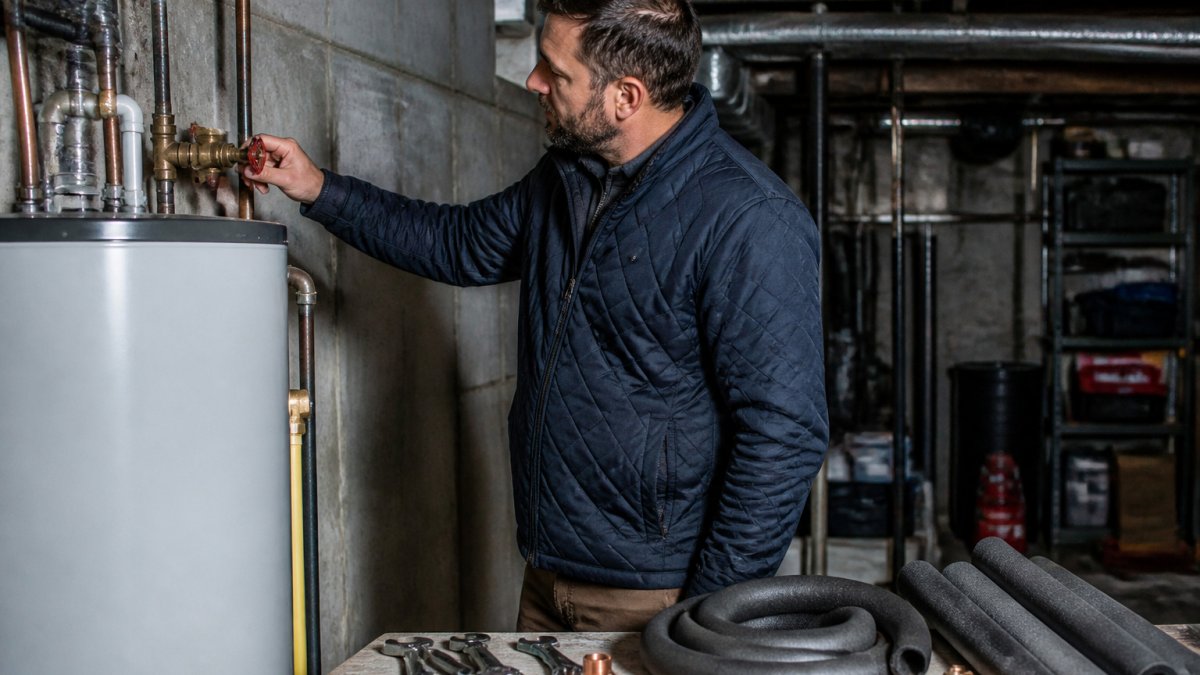
If the house will sit through freezing weather, drain the water lines. Our step-by-step guide to preventing frozen pipes walks through protecting plumbing in a vacant house.
The reason this matters: a single split pipe can release hundreds of gallons before anyone notices. For a fuller checklist, see best ways to avoid emergency plumbing, including leak detection and burst pipe response.
Draining Water Lines and Water Heater Steps
Work through these steps in order:
- Turn off the power or gas supply to the water heater.
- Shut off the cold water inlet valve to the tank.
- Attach a hose to the drain valve at the bottom of the tank and run it to a floor drain.
- Open a hot water faucet upstairs to let air into the system, then open the drain valve.
- Once the tank is empty, leave the drain valve open and the faucets open.
Keep a record of which valves you closed and which you left open. Reversing these steps when you return is much faster with notes.
The steps below summarize how to protect plumbing in a vacant house before freezing weather arrives.
| Step | What to do | Note |
|---|---|---|
| Water heater | Turn off power or gas, shut the cold inlet, drain the tank | Do this first |
| Water lines | Open faucets throughout the home and flush toilets | Lets water drain out of the system |
| Drains and traps | Pour non-toxic plumbing antifreeze into drains | Optional extra protection |
| Main shutoff | Locate and label the main shutoff valve | Anyone can find it in an emergency |
| Record | Note which valves were closed and which were left open | Speeds up reversing the steps later |
Setting Heat, Electricity, and Utilities for an Empty Home
Utilities are where a vacation home's closing plan splits into climate- and system-specific paths. The right settings for a cabin in a freezing climate are wrong for a coastal home in a humid one, and a house on a well and septic system needs steps a municipal-water home does not. Work through the decisions below in order, and write down what you set so the next person does not have to guess.
Heat and cooling by climate
- Freezing climates. Keep the heat on at a low, steady setpoint rather than shutting it off. Warm enough to keep pipes and walls above freezing, cool enough to limit fuel use. Do not use a programmable setback that drops below that range overnight; a cold snap plus a failed furnace is how pipes split. If the furnace is older or has not been serviced, have a qualified technician inspect it before you leave, and leave a few interior cabinet doors open under sinks on exterior walls so warm air reaches the pipes.
- Hot, humid climates. Cooling is not optional. Running air conditioning at a moderate setpoint keeps indoor humidity below the level where mold and mildew take hold. Pair the AC with a dehumidifier, and make sure the condensate drain is clear before you go. If the home will be empty through hurricane season, confirm the AC has a surge protector and that the thermostat can be monitored remotely.
- Mild climates. A heat pump or mini-split can usually be left in a low-heat or dry mode. Check the manufacturer's guidance for extended vacancy; some units should not be run below a minimum outdoor temperature.
Electricity decisions
Leaving power on keeps the refrigerator, sump pump, dehumidifier, and any monitoring devices running, but it also keeps fault risk active. A workable pattern:
- Keep the main breaker on if a sump pump, dehumidifier, or alarm system depends on it.
- Switch off nonessential circuits, pool equipment, exterior outlets, workshop circuits, at the panel.
- Unplug small appliances, televisions, and electronics you do not need, and note which circuits you left live.
- Test every GFCI outlet before you leave; a tripped GFCI in a vacant home is a silent failure.
Water, well, and septic systems
If the home is on a well, turn off the well pump at the breaker before you drain lines, and note the breaker position. For a septic system, do not pour chemical additives or large volumes of antifreeze into drains; a septic tank that sits idle for months benefits from a normal last flush and a full tank of water, not a dry one.
Timers and monitoring
Set light timers to varied on/off times in the evening rather than a single fixed schedule. For more seasonal preparation, see essential home repairs for NJ winter preparation. If you use a smart thermostat, confirm how it behaves if the Wi-Fi drops. Leave a written utility log on the kitchen counter listing the thermostat setpoint, which breakers are off, the water main position, and the name and number of the person who should respond to an alert.
Winterizing a Vacation Home Checklist: Pests, Exterior, and Cleaning
This is the section most owners rush, and it is also the one that generates the paper trail your insurer will ask for if something goes wrong. Treat it as three passes, pests, exterior, interior, and document each one with dated photos.
Pest exclusion
Pests find vacant homes within weeks. Work from the outside in:
- Seal gaps around pipes, dryer vents, and utility penetrations with copper mesh or expanding foam; steel wool alone rusts and mice push through it.
- Install door sweeps on exterior doors and check garage door weatherstripping.
- Store firewood at least 20 feet from the structure and off the ground.
- Set snap traps in cabinets, the garage, and along the foundation, not bait stations, which can attract rodents indoors.
- Check attic vents and soffits for torn screens; a single gap is an entry point.
Exterior pass
Walk the property once with a notepad and photograph anything that looks worn:
- Clear gutters and downspouts of debris, and confirm downspouts discharge away from the foundation.
- Look at the roof for lifted or missing shingles; a small gap becomes a leak over a wet winter.
- Trim branches that overhang the roof or could fall in a storm.
- Cover or store outdoor furniture, and bring in anything a strong wind could move, grills, planters, umbrellas, and trash bins. To protect the deck itself, read how to winterize a deck for long-term durability.
- Shut off exterior water spigots and drain hoses.
Interior cleaning and documentation
Vacuum, wipe surfaces, and cover furniture with breathable dust covers rather than plastic, which traps moisture. Leave interior doors and cabinets slightly open to keep air moving. Take out all trash on the day you leave, including bins under sinks and in the garage.
Before you lock up, build a dated photo record: the thermostat, the water main, the electrical panel, each room, the exterior, and any valuables you are leaving behind. Store the photos in the cloud and email a copy to yourself.
Locks, Mail, and Smart Home Devices for Remote Property Monitoring
Security is about more than locking the doors. Lock every door and window, and confirm that the garage door is closed.
Light timers make the house look occupied. Set them to turn lights on and off at varied times in the evening. Smart home devices, such as cameras, door sensors, and water leak detectors, let you watch the property from anywhere.
Schedule periodic property checks, either by you or a trusted local professional. Preventative home maintenance for seasonal homeowners covers remote management advice and a seasonal checklist.
Schedule Your Next Property Check With Lone Eagle Home Services
Closing a vacation home involves many moving parts, and a missed step can cost far more than the time it would have taken to complete. Lone Eagle Home Services provides membership-based seasonal tune-ups, on-demand repairs, and vendor coordination, so one team can help manage the work. Review current membership options on the Lone Eagle Home Services website and book your next visit before the season ends.
Frequently Asked Questions
What should I do before leaving my vacation home for the season?
Start with a written checklist that covers the kitchen, plumbing, heat, pests, security, and exterior. Empty and clean the refrigerator, remove perishable food, and clear trash. Decide whether to shut off the water or keep it on with heat set to a safe minimum, then test the main shutoff. Photograph each room before you lock up so you have a record for insurance. Schedule a property check during the closed months so issues are caught early.
Should I turn off the water when closing a vacation home?
In most cases, yes, if the home will sit empty through a cold period and you can drain the lines properly. Shutting off the main supply and opening faucets lets water drain, which reduces the risk of burst pipes. If you keep the water on, the heat must stay on at a safe minimum temperature. Document the choice you made so a service visitor or insurer knows what the home's systems were set to.
How do I prevent frozen pipes in a seasonal home?
Keep the thermostat at a minimum safe temperature if the heat stays on, and open cabinet doors under sinks on exterior walls so warm air reaches the pipes. If you drain the system, open every faucet, flush toilets to clear the tank, and add non-toxic plumbing antifreeze to traps where recommended. Check the home during cold snaps, since a power outage or failed heat source can freeze lines within hours.
How do I keep pests out of a closed vacation home?
Remove all food, including pantry items and pet food, and clean cabinet interiors. Seal gaps around pipes and vents, and set traps before you leave. Store linens and bedding in sealed plastic containers rather than cardboard. Ask a service visitor to check traps and entry points on each property check so that small problems do not become infestations.